Natural Aroma Products for B2B Buyers: 3-Step Sourcing Guide

Get a Free Quote

Our representative will contact you soon.
Email
Mobile/WhatsApp
Name
Company Name
Message
0/1000
Customer Feedback on Natural Aroma Products

Customer Feedback on Natural Aroma Products

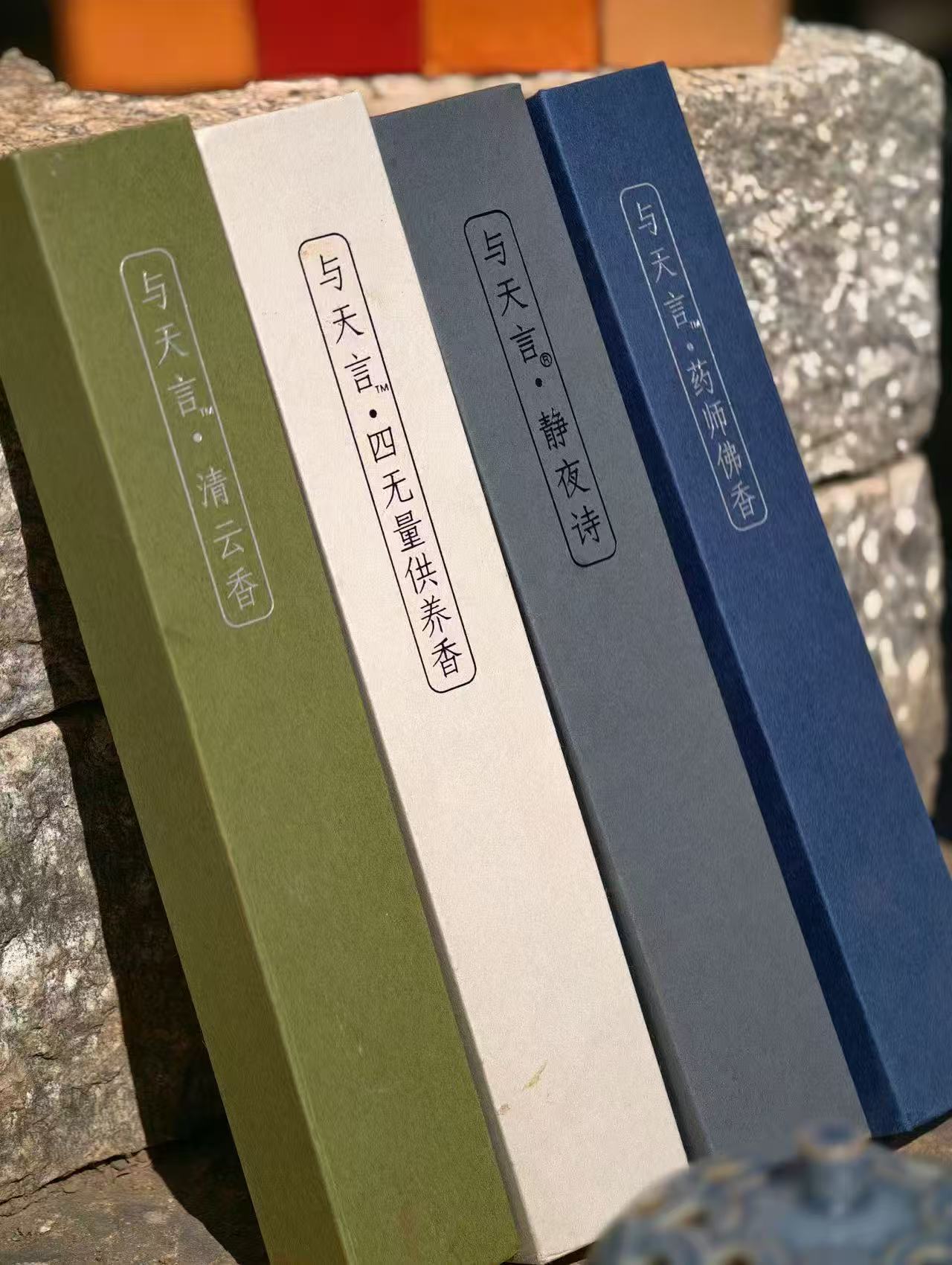
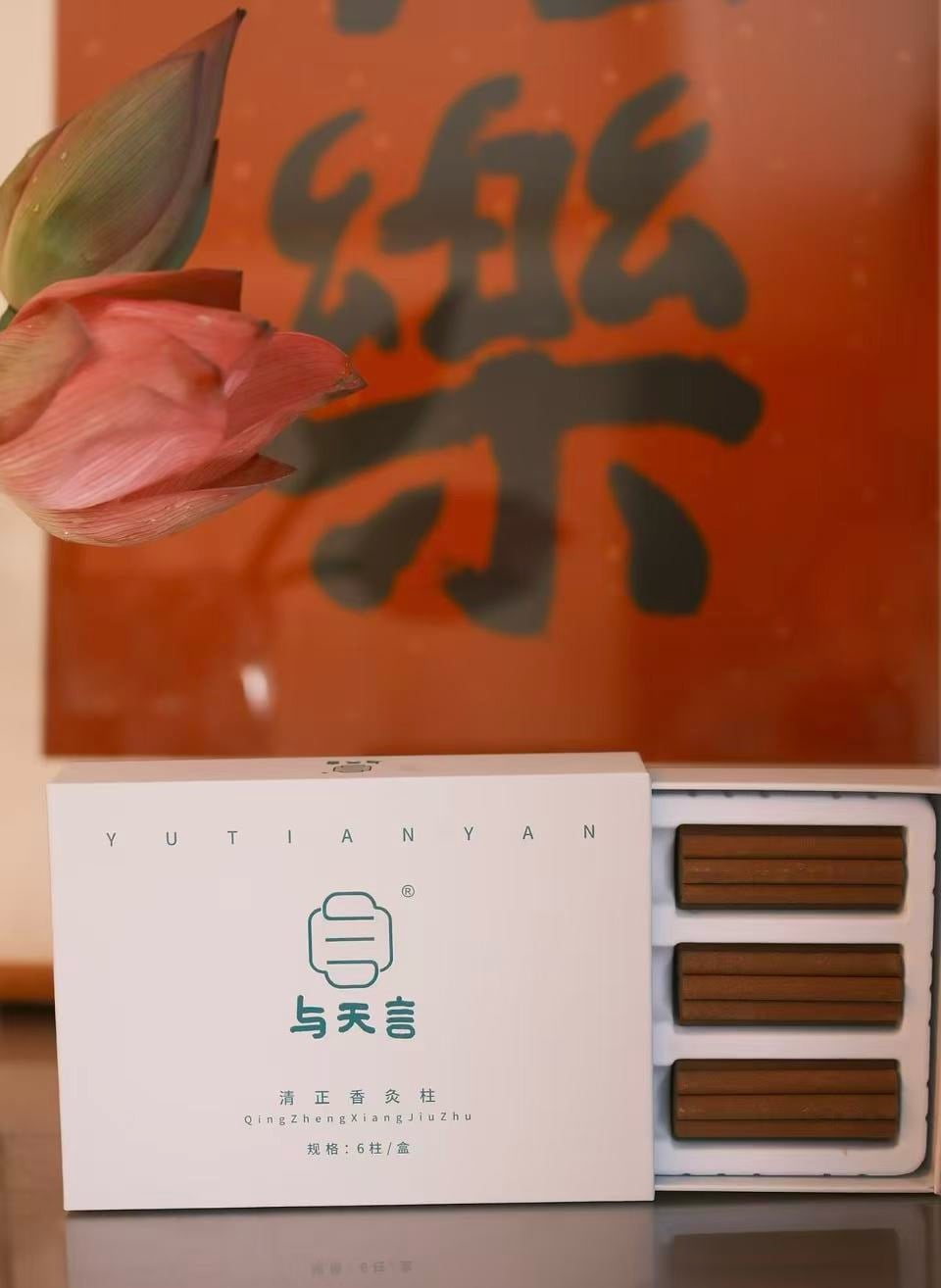
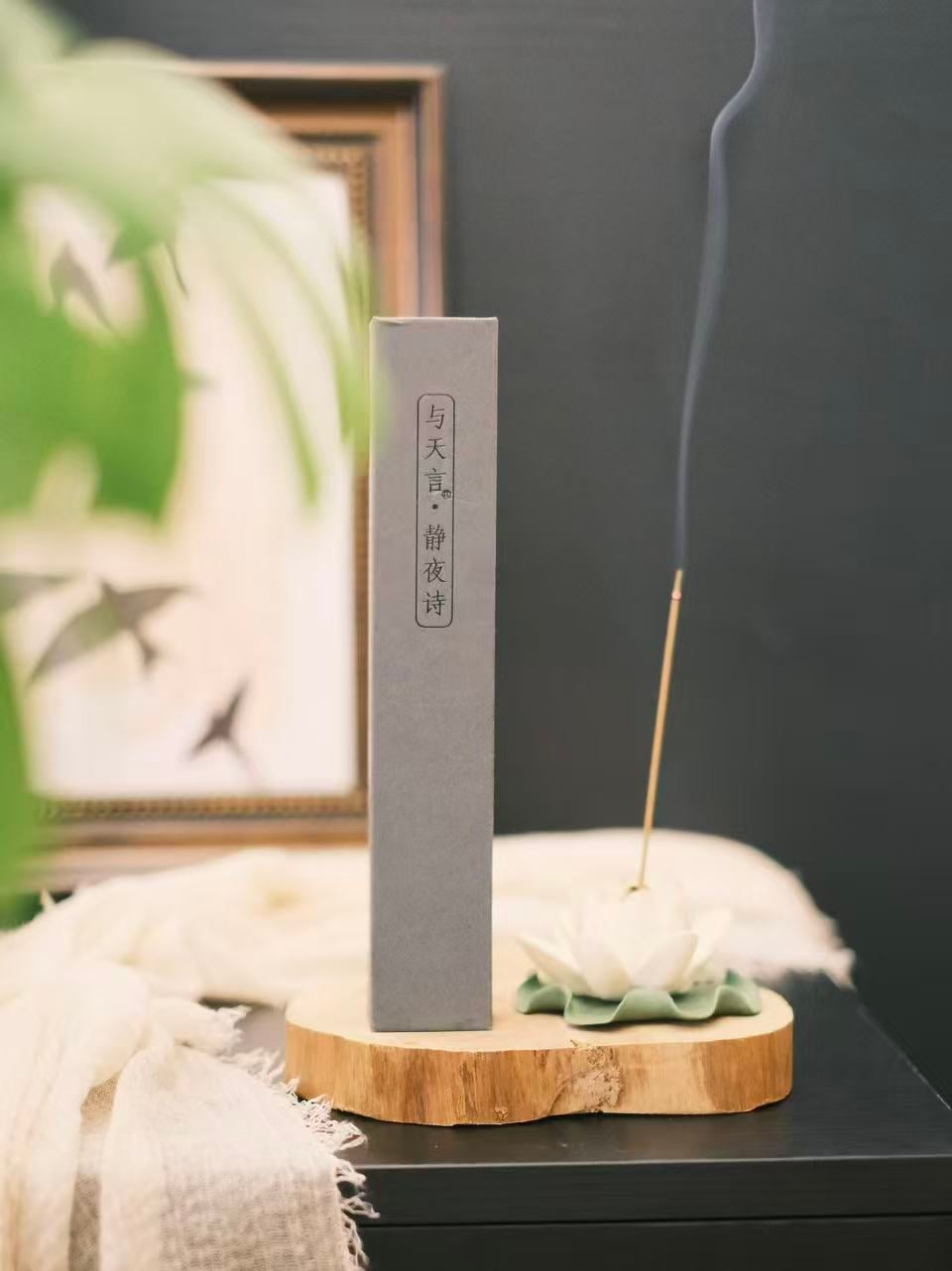
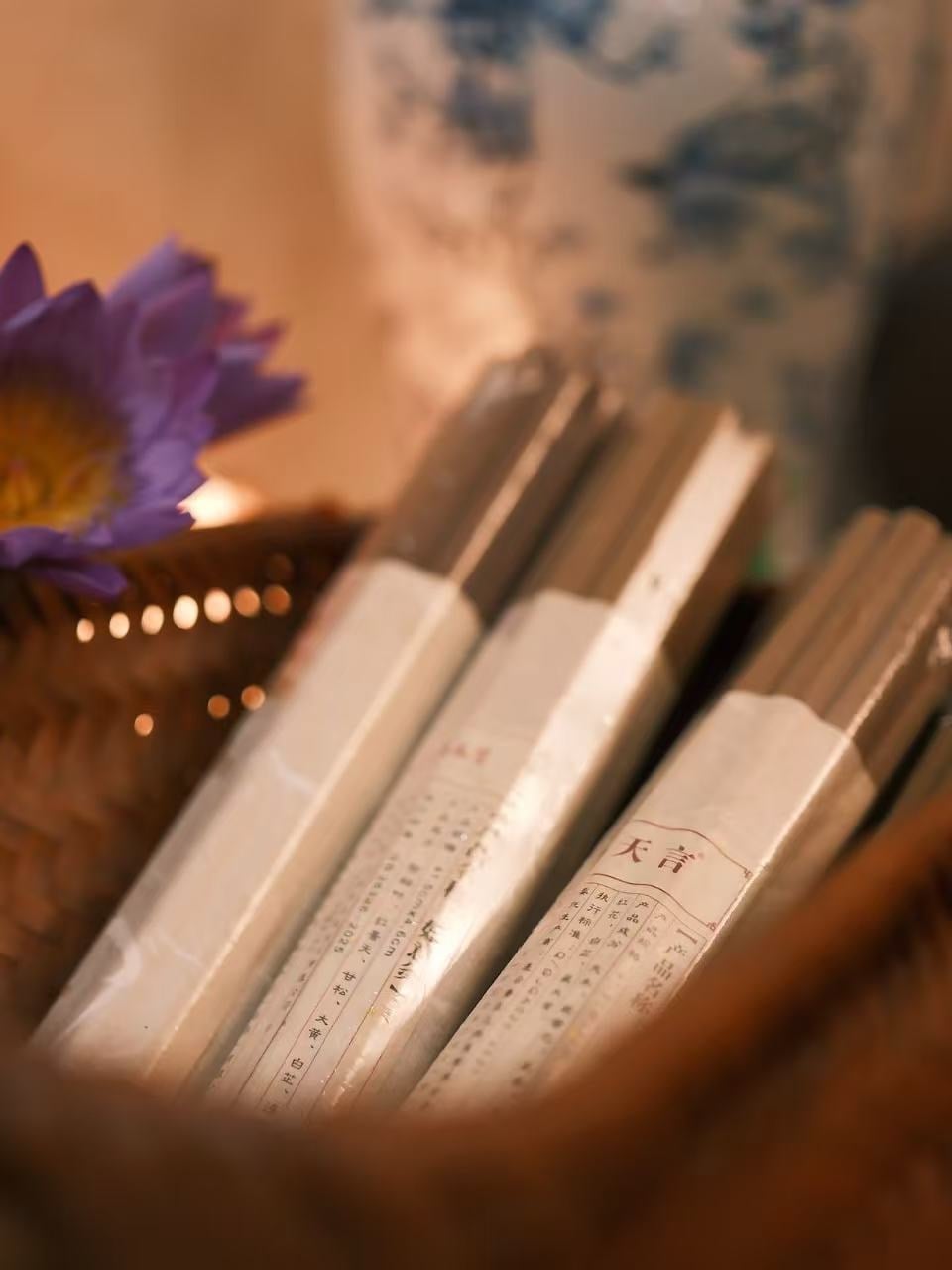
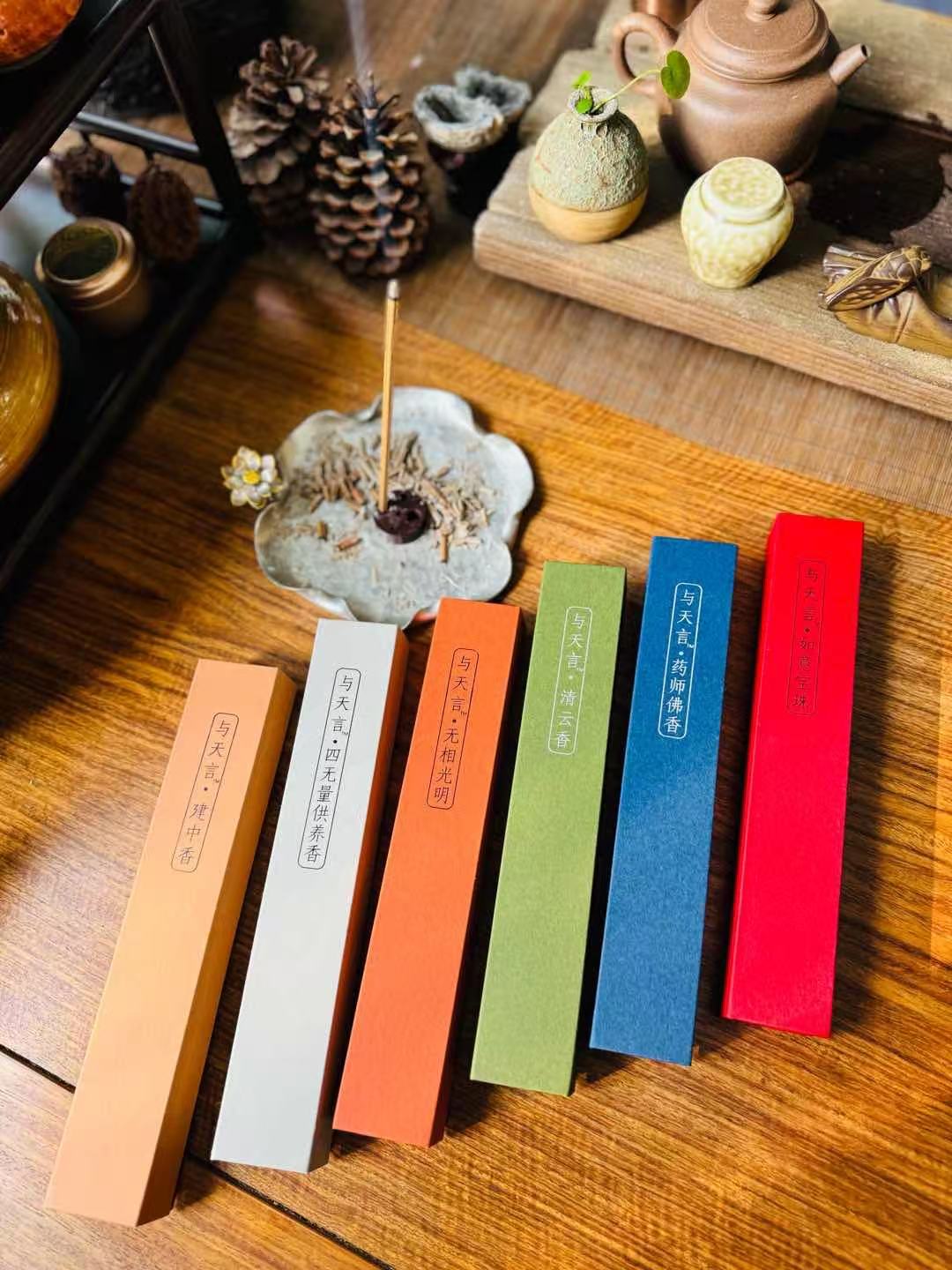
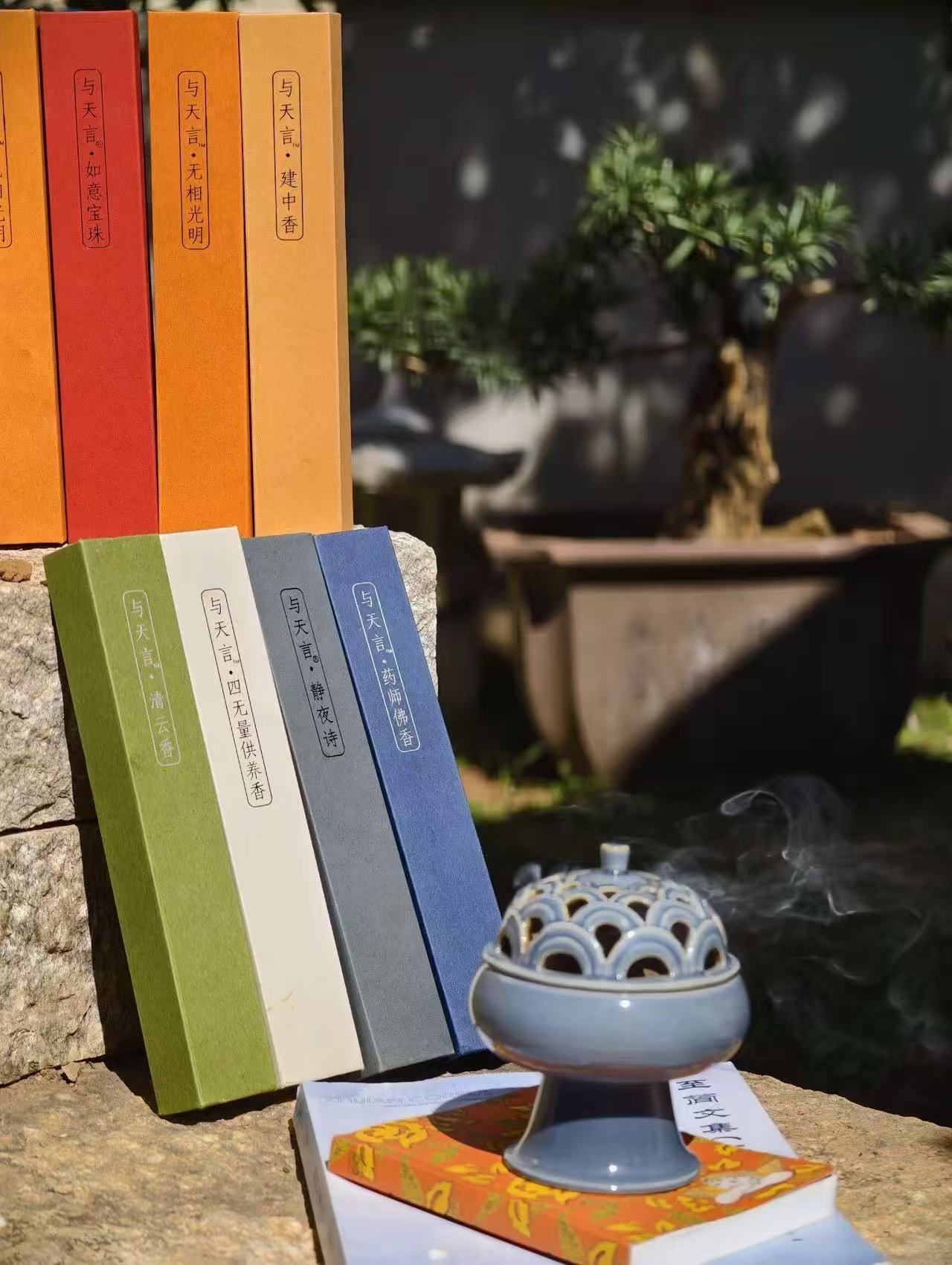
Natural aroma products provide businesses with versatile options for home fragrance, incense collections, meditation accessories, and specialty gifts. Depending on the formulation, aromatic materials may include woods, herbs, flowers, and resins. For wholesalers and retailers, selecting the right products requires attention to fragrance character, ingredient information, packaging, and intended use. A practical evaluation process can begin with samples representing three fragrance families, such as woody, floral, and herbal, allowing buyers to compare options before placing a larger order. Clear product documentation also helps businesses communicate accurately with customers. For private label projects, buyers should confirm customization options, minimum order quantities, and production schedules directly with the manufacturer. Careful selection supports a coherent product assortment and more efficient purchasing decisions.
Get A Quote

Case Study

Home Fragrance Retail Collections

A home fragrance retailer wants to expand beyond candles and diffusers by introducing natural aroma products. The purchasing team evaluates woody, floral, and herbal fragrance profiles to create a balanced collection for different customer preferences. Samples are assessed for scent character, packaging quality, and suitability for the intended retail environment. The retailer also reviews ingredient information and product instructions before making a final selection. Starting with three fragrance categories can simplify initial assortment planning while allowing the business to gather customer feedback. This approach helps buyers refine future orders according to actual demand rather than relying solely on supplier descriptions.

Meditation and Lifestyle Stores

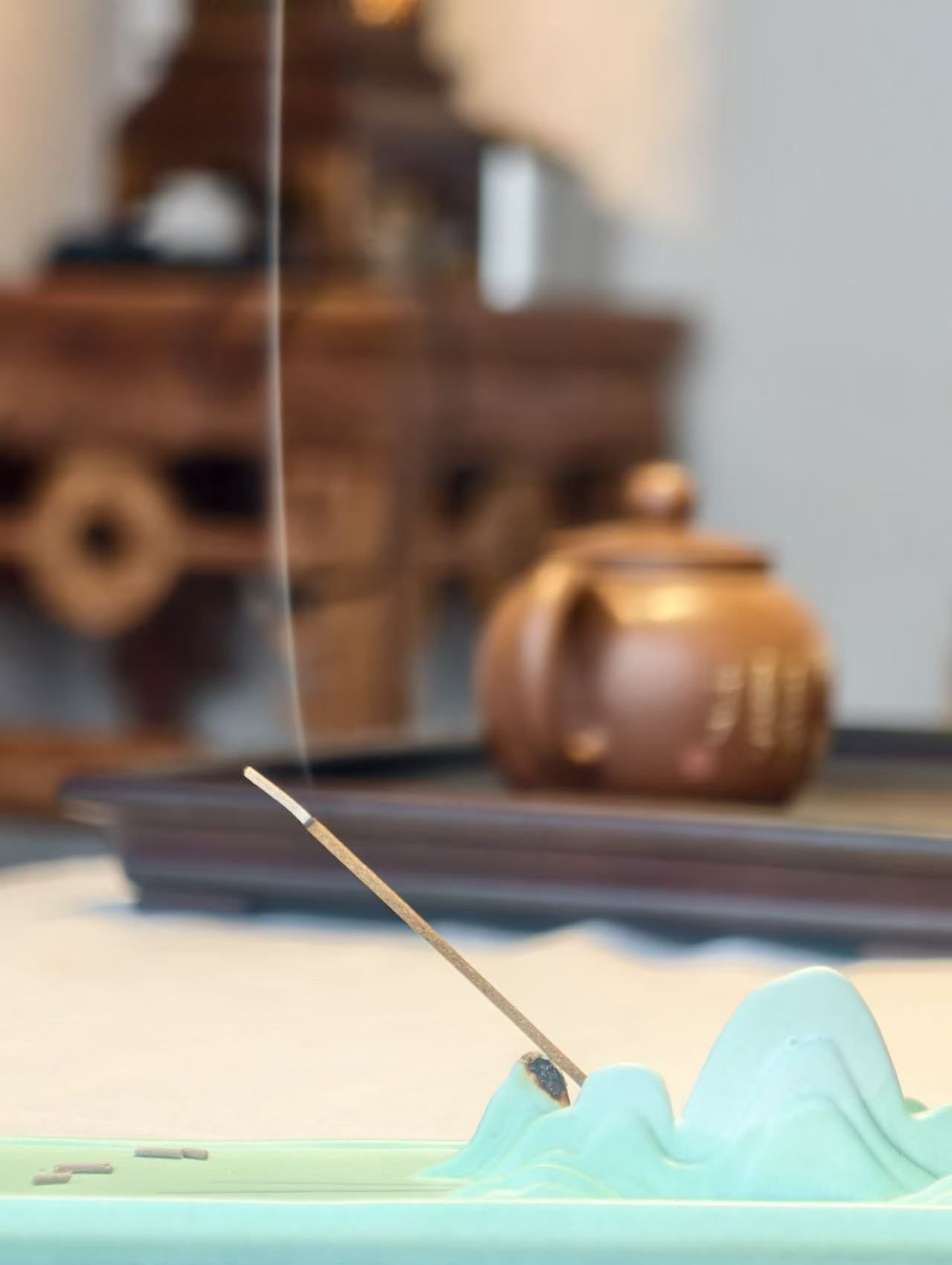
A lifestyle distributor serving meditation studios and wellness-oriented retailers is considering natural aroma products as complementary accessories. The team compares incense and other available fragrance formats, checking ingredients, aroma intensity, packaging, and intended applications. Products are selected according to the needs of individual sales channels, with clear usage instructions provided wherever appropriate. For incense intended to be burned, ventilation guidance and fire safety information are essential. Before committing to bulk purchasing, the distributor requests samples and confirms product specifications with the supplier. This process helps establish a suitable assortment without making unsupported therapeutic claims or assuming that every product contains exclusively natural ingredients.

Private Label Gift Assortments

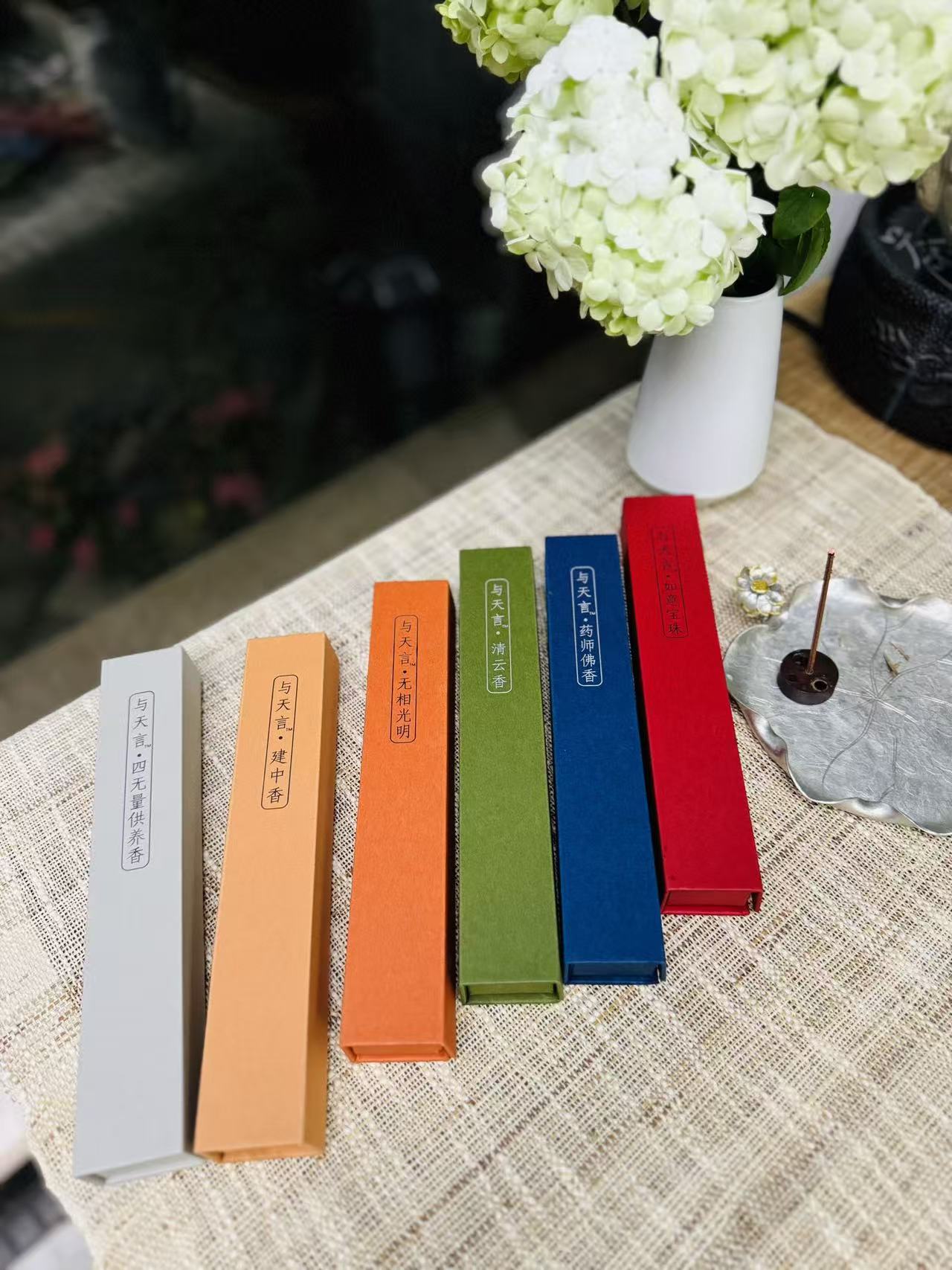
A gift company plans to develop a fragrance-themed collection for independent boutiques and seasonal promotions. Natural aroma products may complement incense holders, decorative accessories, or other compatible home fragrance items. The sourcing team first reviews samples, ingredient declarations, package dimensions, and shipping requirements. It then discusses branding options, artwork approval, minimum order quantities, and production schedules with potential suppliers. A trial assortment containing three complementary product types can help the company evaluate presentation and packaging compatibility before expanding the range. Final specifications should be confirmed in writing to reduce misunderstandings and support smoother purchasing, inventory planning, and repeat orders.

Related products

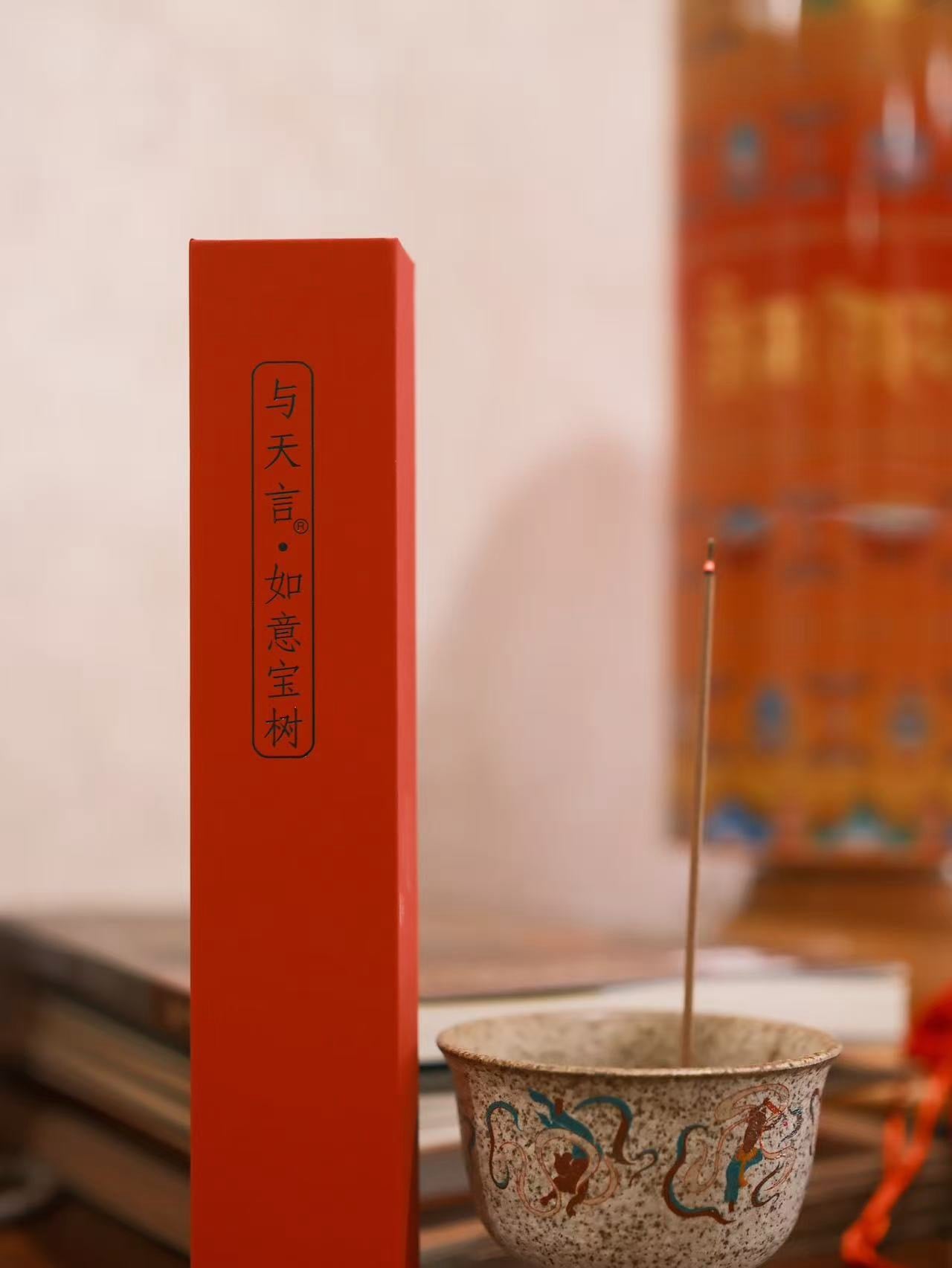
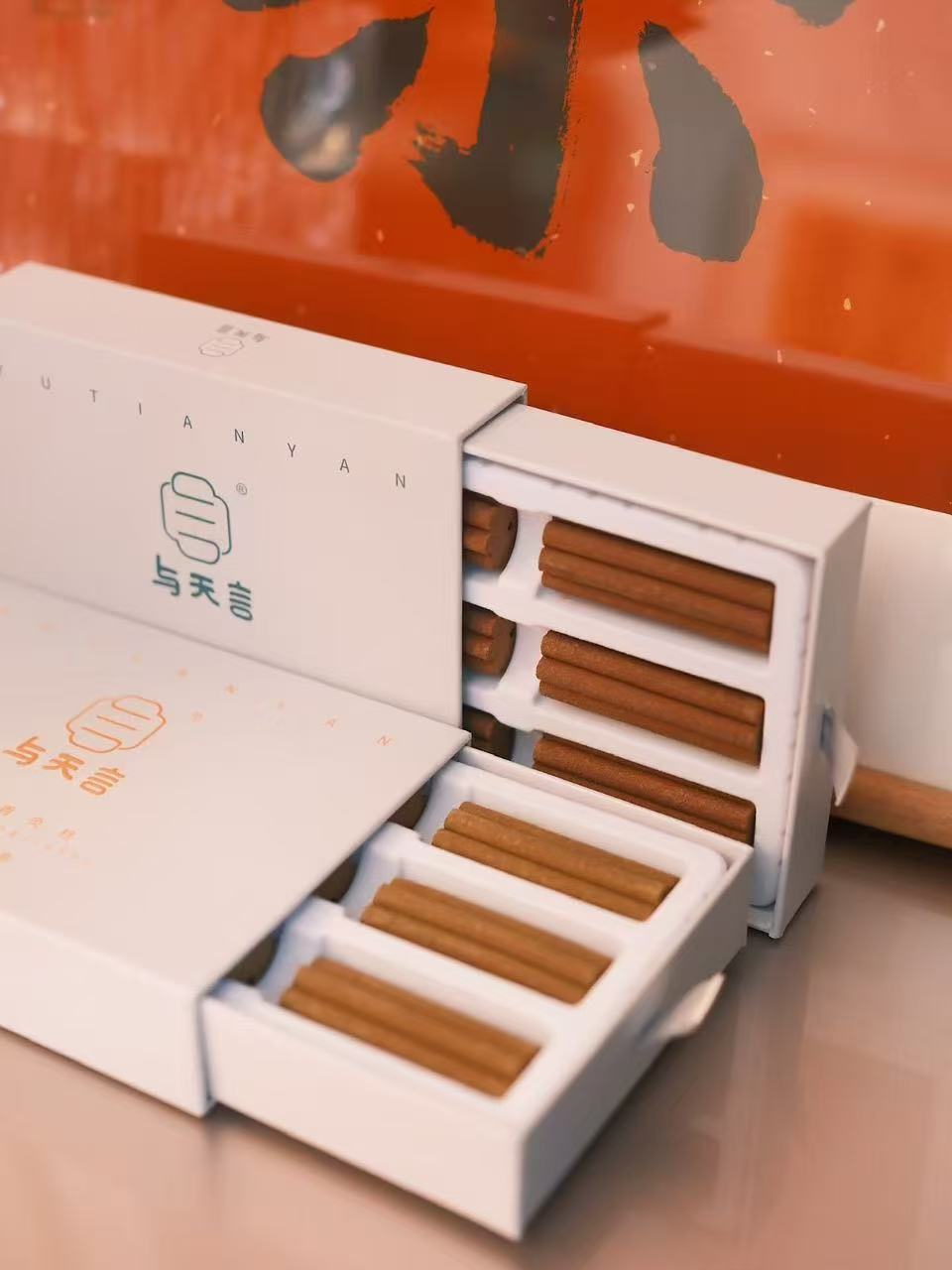
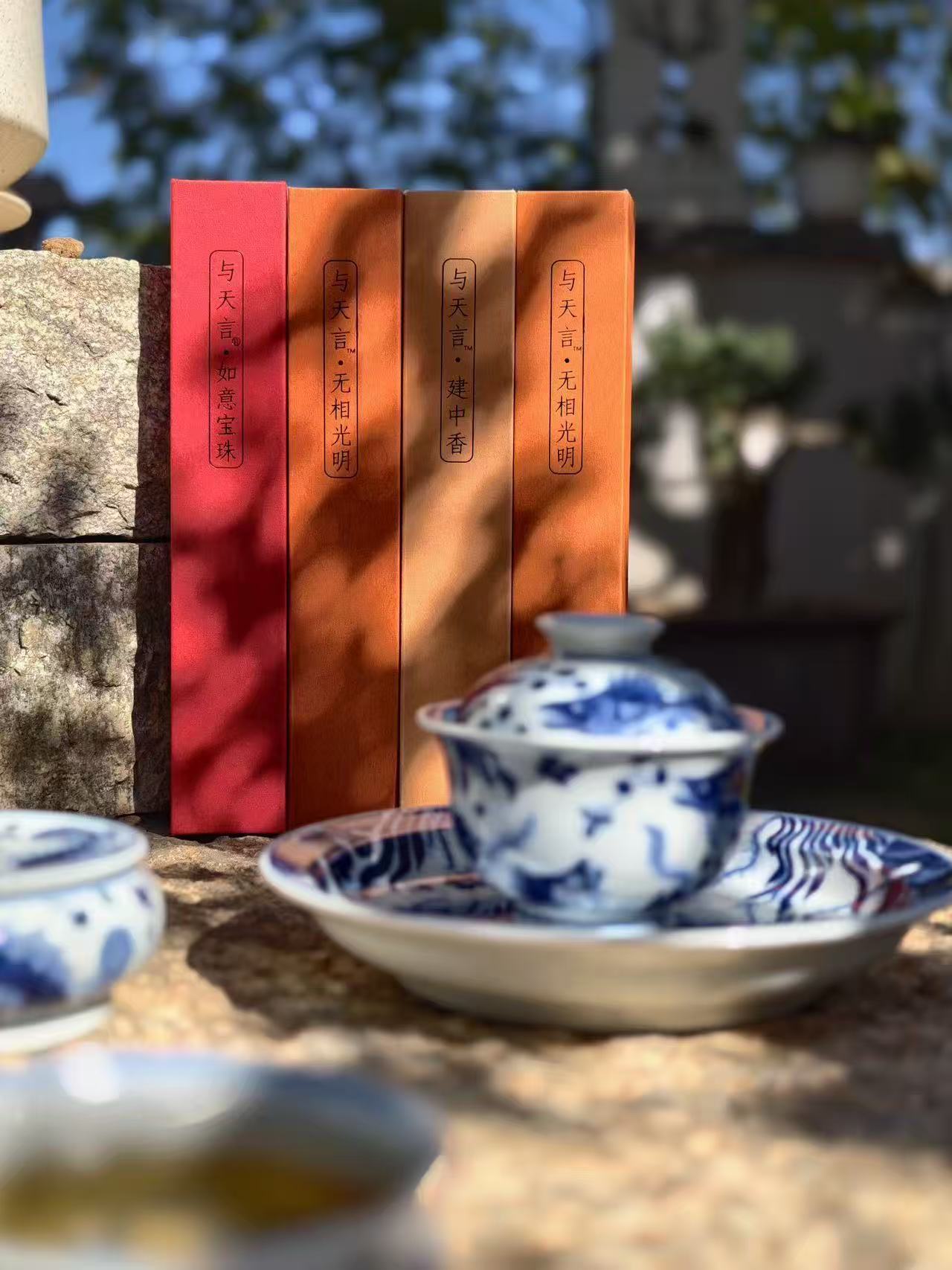
Natural aroma products are designed for businesses seeking fragrance options inspired by aromatic botanicals, woods, herbs, flowers, and resins. Depending on the supplier's catalog, available formats may include incense sticks, incense powders, aromatic blends, and related fragrance products. These products can serve home fragrance retailers, lifestyle stores, gift companies, and wholesale distributors. For B2B purchasing, product evaluation should consider ingredient composition, fragrance consistency, packaging, storage requirements, and intended use. The word natural does not automatically guarantee that a formulation contains only plant-derived ingredients or excludes synthetic additives. Buyers should request ingredient information and relevant product documentation before making claims about composition. Businesses planning bulk orders should also confirm available formats, minimum order quantities, sample policies, carton specifications, and shipping arrangements. For private label projects, discuss branding, packaging customization, artwork requirements, and lead times directly with the supplier. Comparing three sample options before approving a larger order can help purchasing teams assess differences and establish product preferences. Clear specifications and realistic order planning support a more reliable sourcing process for international fragrance markets.

Frequently Asked Questions

What does natural aroma mean in fragrance products?

Natural aroma generally describes fragrance associated with naturally derived aromatic materials, including botanicals, woods, herbs, and resins. However, terminology varies between suppliers and product categories. Buyers should review ingredient declarations and supporting documentation to understand the actual formulation before using natural or plant-based claims in marketing materials.
Depending on the manufacturer's catalog, options may include incense sticks, incense powders, aromatic blends, and other fragrance products. Buyers should identify their target market, preferred formats, and expected order quantities before requesting a quotation. Samples and product specifications can help determine which options suit their business requirements.
Businesses can request samples and compare fragrance character, consistency, packaging, and suitability for the intended application. Ingredient information and storage guidance should also be reviewed. Before placing a bulk order, confirm product specifications and quality expectations in writing to establish a useful reference for future purchases.
Private label services depend on the supplier, product type, and order volume. Buyers can ask about branded packaging, labels, available fragrance selections, and customized pack sizes. Minimum order quantities, artwork requirements, sample approval, and production timelines should be confirmed before committing to a private label project.
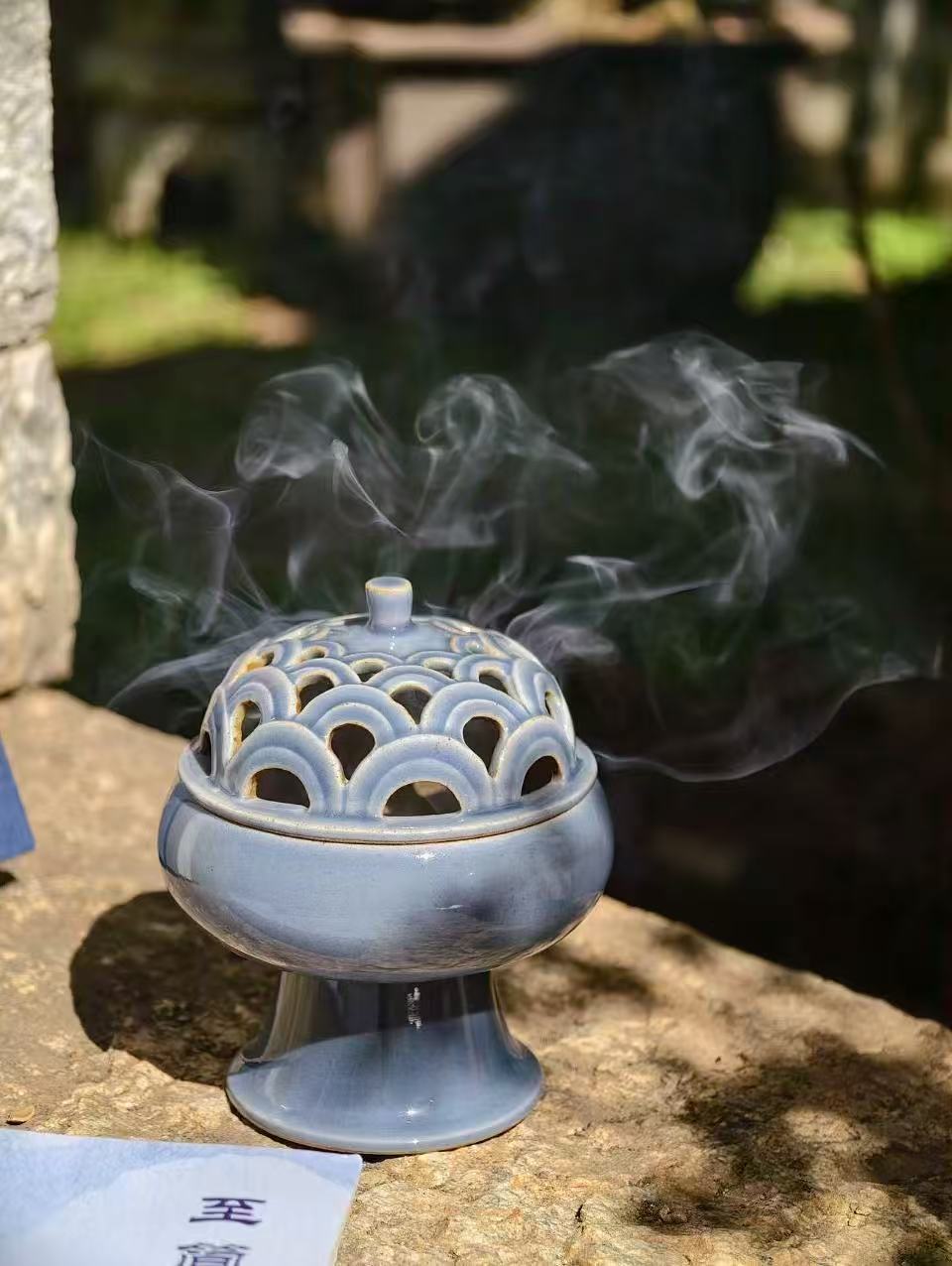
Storage requirements depend on product composition and format. Generally, fragrance products should be protected from excess moisture, direct sunlight, and strong external odors. Follow the manufacturer's instructions. Products intended for burning require a stable, heat-resistant holder, adequate ventilation, and continuous supervision during use.

Related article

How to Find a Reliable Incense Sticks Wholesale Supplier?

16

Sep

How to Find a Reliable Incense Sticks Wholesale Supplier?

Verify Regulatory Compliance and Quality Credentials for Incense Sticks Wholesale Confirm certifications (ISO, GMP), ingredient traceability, and safety testing (heavy metals, VOCs) In the incense sticks wholesale market, certifications are your fi...
View More
Why Do Consumers Choose Handmade Incense Over Machine-Made Products?

18

Sep

Why Do Consumers Choose Handmade Incense Over Machine-Made Products?

Emotional Resonance and Ritual Significance of Handmade Incense Deepening Mindfulness and Intention Through Ritual Use Unlike mass-produced alternatives, handmade incense serves as a tactile anchor for mindfulness practice. The deliberate act of se...
View More
What Makes Handmade Incense Different from Machine-Made Incense?

28

Sep

What Makes Handmade Incense Different from Machine-Made Incense?

The Core Difference: Craftsmanship vs. Automation in Production The production philosophy dividing handmade incense from machine-made incense fundamentally determines everything from ingredient purity to aroma depth. Where the artisan relies on sen...
View More
What Makes Handmade Incense Different from Machine-Made Incense?

30

Sep

What Makes Handmade Incense Different from Machine-Made Incense?

The Artisan Process: How Handmade Incense Is Crafted Traditional hand-rolling, natural drying, and generational technique mastery Unlike machine extrusion, traditional incense artisans hand-roll each stick using aromatic woods, resins, and natural ...
View More

Customer Testimonials

Daniel Miller

Our team evaluates natural aroma products for fragrance consistency, ingredient transparency, and retail presentation. Reviewing samples from several options helps us make more confident sourcing decisions for seasonal collections.

Sarah Wilson

Natural aroma products offer an appealing category for lifestyle stores and gift collections. Clear product specifications and practical packaging details help our purchasing team prepare assortments for different customer preferences.

Get a Free Quote

Our representative will contact you soon.
Email
Mobile/WhatsApp
Name
Company Name
Message
0/1000
Flexible Fragrance Assortments

Flexible Fragrance Assortments

Build a natural aroma collection around different fragrance families and product formats. Comparing woody, floral, and herbal options can help buyers organize assortments for home fragrance retailers, lifestyle stores, and gift businesses. Sample evaluation provides an opportunity to assess scent characteristics before purchasing. Product availability varies by supplier, so confirm the current catalog and ingredient details before selecting items for a particular market. A focused assortment can simplify product presentation and initial inventory planning while leaving room to expand based on customer feedback. Clear descriptions also help retailers communicate product characteristics more accurately and avoid unsupported claims about ingredients or benefits.
Transparent Product Specifications

Transparent Product Specifications

Make purchasing decisions with clear information about ingredients, packaging, product formats, and intended applications. Requesting documentation before ordering helps wholesalers compare alternatives and understand how products should be stored, displayed, and handled. For example, a buyer comparing three sample products can record fragrance character, packaging dimensions, and supplier specifications in a simple evaluation sheet. This process creates a more consistent basis for selection and repeat purchasing. For international distribution, confirm carton details, shipping arrangements, and any market-specific documentation requirements. Accurate product information supports better communication between suppliers, purchasing teams, and downstream retailers throughout the sourcing process.
Wholesale and Branding Opportunities

Wholesale and Branding Opportunities

Natural aroma products may offer opportunities for distributors and retailers seeking differentiated fragrance collections. Buyers can discuss bulk quantities, retail packaging, and possible private label arrangements directly with the manufacturer. Before approving a custom order, confirm minimum quantities, available branding methods, artwork specifications, sample approval procedures, and production timelines. Reviewing these details early helps purchasing teams coordinate inventory planning and promotional schedules. A trial order can also provide practical feedback on packaging, product presentation, and customer response before a broader rollout. Actual customization services and product options depend on the supplier's capabilities and should be verified before any commercial commitment.