Top Aroma Incense Supplier for B2B Wholesale & Private Label

Get a Free Quote

Our representative will contact you soon.
Email
Mobile/WhatsApp
Name
Company Name
Message
0/1000
Trusted Aroma Incense Supplier for Global Buyers

Trusted Aroma Incense Supplier for Global Buyers

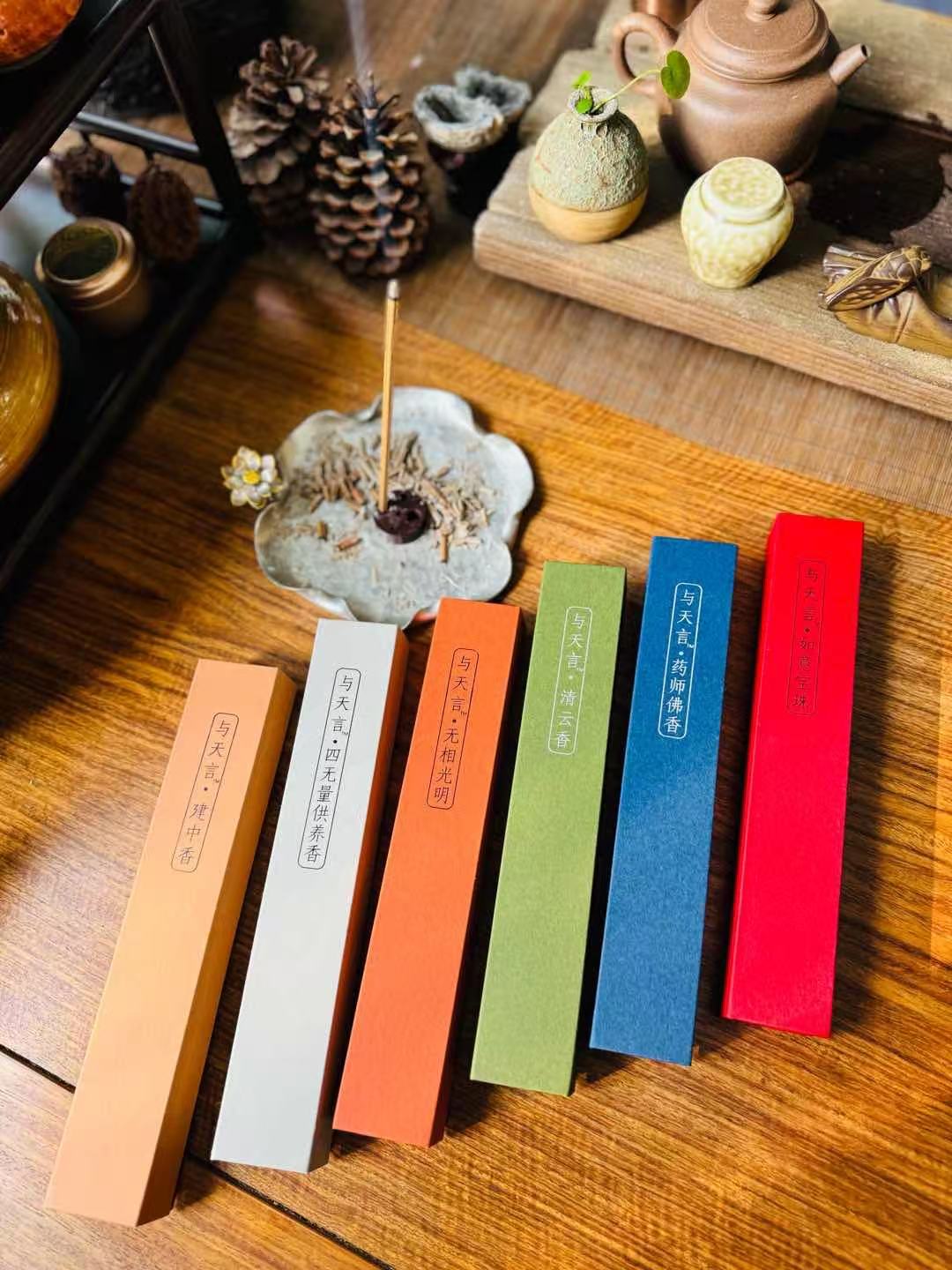
As an aroma incense supplier serving international B2B buyers, we understand the importance of fragrance variety, dependable specifications, and flexible sourcing. Our product selection can support incense retailers, wholesalers, wellness brands, and distributors developing collections for home fragrance, meditation, and relaxation environments. Buyers can explore woody, floral, herbal, and traditional aromatic profiles according to their market preferences. We also welcome discussions about private labeling, packaging requirements, and wholesale orders. For example, a retailer preparing a seasonal fragrance collection may combine several scent profiles to serve different customer preferences. By clarifying product specifications and order requirements early, businesses can streamline purchasing decisions, improve assortment planning, and establish a more consistent sourcing process.
Get A Quote

Case Study

Wholesale Incense for Retail Distribution

A home fragrance distributor wanted to expand its incense assortment for independent retailers and online customers. The purchasing team prioritized varied fragrance profiles, consistent product specifications, and practical packaging suitable for commercial distribution. By organizing the range around woody, floral, and herbal aromas, the distributor could plan a more balanced collection for different customer preferences. The project also highlighted the value of confirming order quantities, packaging details, and product availability before purchasing. This approach helped the buyer structure its sourcing requirements and prepare a clearer product selection strategy for its retail partners.

Private Label Incense for Emerging Brands

An emerging wellness brand planned to introduce an incense collection under its own label. Its priorities included recognizable fragrance profiles, coordinated packaging, and specifications aligned with its intended retail positioning. During product planning, the team evaluated scent preferences, presentation requirements, and potential order quantities before narrowing its selection. The project demonstrated how early communication can reduce uncertainty during private label development. By defining the product concept and packaging expectations before production, the brand could prepare a more consistent collection for market evaluation. Similar planning can help growing businesses coordinate product development with marketing and distribution needs.

Aromatic Incense for Wellness Product Distributors

A wellness distributor wanted incense products for yoga studios, meditation retailers, and relaxation-focused stores. Its product planning required fragrance options suited to different environments, together with clear specifications for purchasing and resale. The team considered traditional woody aromas alongside floral and herbal profiles to provide a wider selection. Packaging, product format, and availability were also important factors when preparing the assortment. This sourcing scenario illustrates how understanding end-user applications can guide wholesale product selection. By matching fragrance categories with customer preferences and confirming supply requirements in advance, distributors can build a more organized product portfolio.

Related products

Aroma incense products serve a variety of commercial markets, including home fragrance retail, meditation accessories, wellness collections, and traditional aromatic products. As an international B2B buyer, you may need different scent profiles, packaging formats, and order quantities to meet your customers' expectations. Woody fragrances such as sandalwood and agarwood appeal to buyers seeking traditional aromatic characteristics, while lavender and other floral options offer alternatives for relaxation-themed collections. Herbal incense can further broaden a retailer's assortment. When evaluating an aroma incense supplier, consider ingredient information, fragrance consistency, manufacturing capabilities, packaging requirements, and quality-control procedures. Sample evaluation can help purchasing teams assess scent characteristics and burning performance before placing bulk orders. For private label projects, confirm available formulations, labeling requirements, minimum order quantities, and production timelines. YTNatural's product information and manufacturing capabilities should be verified directly with the company to identify suitable options. Careful sourcing helps businesses develop a relevant incense collection while maintaining clear product specifications and realistic purchasing expectations.

Frequently Asked Questions

What types of aroma incense can wholesale buyers source?

Buyers can explore woody, floral, herbal, and traditional aromatic profiles, depending on the supplier's available range. Options may include sandalwood, agarwood, lavender, and other incense varieties. Confirm available formats, ingredients, packaging, and product specifications directly with the supplier before placing an order.
Wholesale arrangements may be available for distributors, retailers, importers, and established fragrance brands. Before confirming an order, discuss minimum quantities, product availability, packaging requirements, payment terms, and delivery schedules. These details help purchasing teams evaluate whether a supplier fits their operational and commercial needs.
Private label availability and customization options should be confirmed directly with YTNatural. Buyers should discuss fragrance selection, packaging design, labeling, minimum order quantities, and sample approval procedures. Establishing these requirements early helps ensure that the proposed product aligns with the brand's positioning and target market.
Request samples when available and assess fragrance characteristics, burning performance, consistency, and packaging quality. Ask for ingredient information and relevant quality documentation. Establishing clear acceptance criteria before purchasing helps buyers compare suppliers and reduce uncertainty when preparing larger wholesale orders.
Evaluate product variety, manufacturing experience, quality-control procedures, customization capabilities, communication, and delivery arrangements. Buyers should also consider ingredient transparency, sample availability, and documentation requirements. A clear sourcing agreement can help establish realistic expectations for product specifications, order fulfillment, and ongoing business cooperation.

Related article

The Most Common Plant-Based Ingredients Used in Natural Incense.

14

Sep

The Most Common Plant-Based Ingredients Used in Natural Incense.

Resins: The Aromatic Core of Natural Incense Natural incense owes its lasting fragrance and therapeutic depth to plant resins — the sticky, aromatic substances trees secrete to seal wounds and ward off pests. These hardened exudates form the ...
View More
What Defines High-Quality Handmade Incense?

21

Sep

What Defines High-Quality Handmade Incense?

Ingredient Purity: The Non-Negotiable Foundation of Handmade Incense Natural Plant Matter vs. Synthetic Fragrances: Safety, Authenticity, and Regulatory Gaps What truly separates authentic handmade incense from machine-made alternatives begins with...
View More
How to Choose the Right Incense for Different Applications?

23

Sep

How to Choose the Right Incense for Different Applications?

Match Incense to Your Primary Application: Meditation, Cleansing, Focus, and Relaxation Meditation & Spiritual Grounding: Sandalwood, Frankincense, and Myrrh for Depth and Stillness For centuries, meditative traditions have relied on grounding resi...
View More
What Makes Handmade Incense Different from Machine-Made Incense?

30

Sep

What Makes Handmade Incense Different from Machine-Made Incense?

The Artisan Process: How Handmade Incense Is Crafted Traditional hand-rolling, natural drying, and generational technique mastery Unlike machine extrusion, traditional incense artisans hand-roll each stick using aromatic woods, resins, and natural ...
View More

Customer Testimonials

Michael Turner

We sourced multiple incense fragrances for our retail collection and appreciated the consistent specifications and responsive communication. The flexible product selection helped us plan a broader assortment for our customers.

Sarah Mitchell

Our team needed customized incense packaging and several fragrance options for a new product line. The sourcing discussions helped us clarify specifications, purchasing requirements, and product presentation.

Get a Free Quote

Our representative will contact you soon.
Email
Mobile/WhatsApp
Name
Company Name
Message
0/1000
Diverse Fragrance Options for Multiple Markets

Diverse Fragrance Options for Multiple Markets

A varied incense assortment allows businesses to serve different customer preferences without relying on a single fragrance category. Woody, floral, herbal, and traditional aromatic profiles can support collections for home fragrance retailers, meditation accessories, wellness stores, and gift businesses. For example, a distributor may combine sandalwood-inspired products with floral fragrances to create a broader retail selection. Buyers should confirm the actual products and formulations available before planning their catalog. Organizing products by scent family, intended application, and customer preference can simplify assortment planning and product discovery. This approach also helps purchasing teams communicate specifications more clearly when requesting samples, comparing quotations, or preparing seasonal product collections.
Flexible Wholesale and Private Label Support

Flexible Wholesale and Private Label Support

Wholesale buyers often require more than a standard product catalog. They may need specific order quantities, retail-ready packaging, customized labels, or coordinated fragrance collections for their own distribution channels. A structured sourcing process begins with defining the intended market, preferred product formats, packaging requirements, and expected purchasing volume. For example, a developing incense brand can evaluate samples and finalize its packaging concept before committing to a larger order. Buyers should confirm customization availability, production lead times, minimum quantities, and quality requirements directly with the manufacturer. Clear communication throughout these stages helps reduce avoidable revisions and supports a more organized approach to product launches and long-term inventory planning.