EN


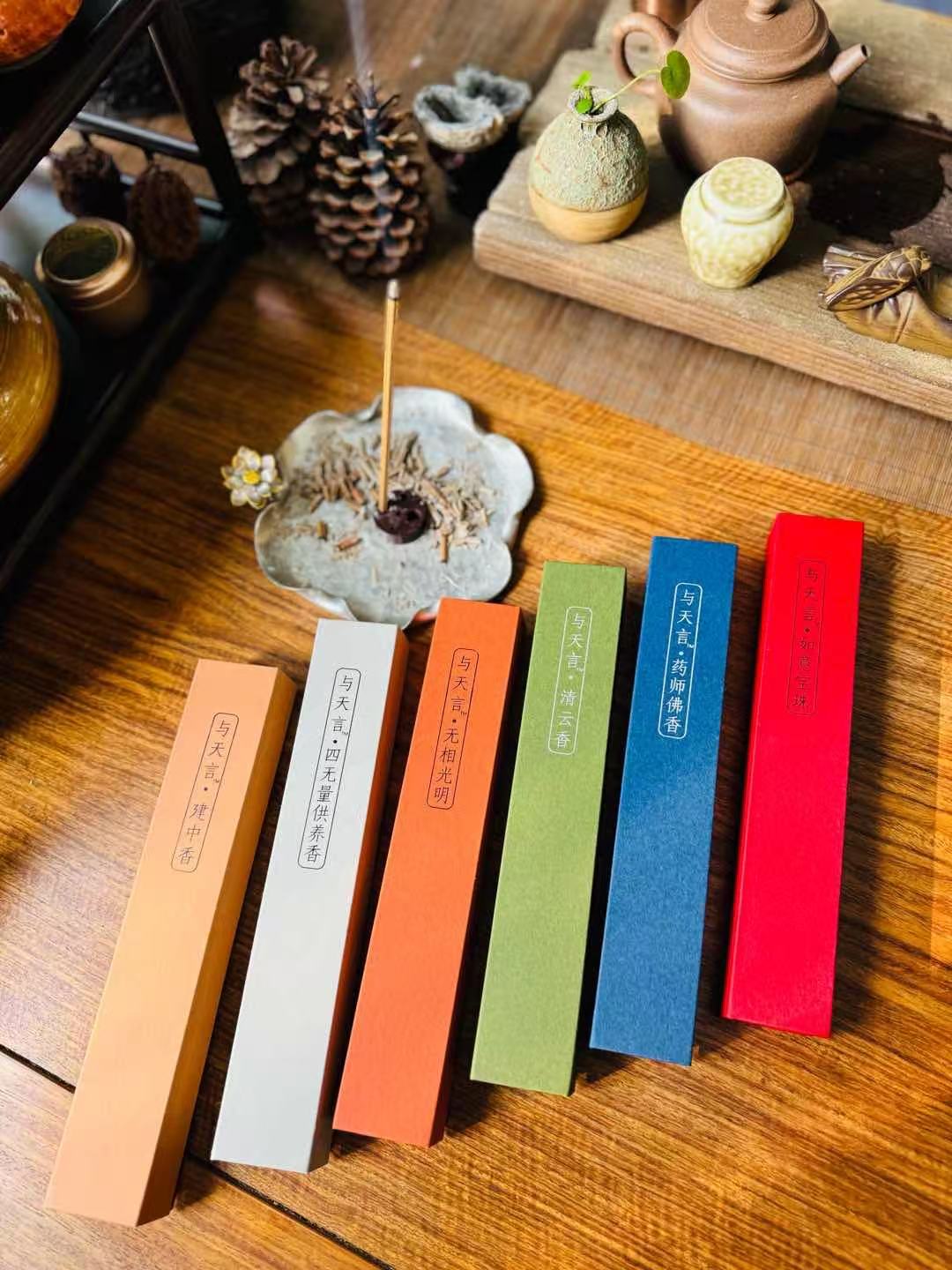
The Artisan Process: How Handmade Incense Is Crafted
Traditional hand-rolling, natural drying, and generational technique mastery
Unlike machine extrusion, traditional incense artisans hand-roll each stick using aromatic woods, resins, and natural binders—never synthetics. This labor-intensive process, passed down through decades-long apprenticeships, ensures consistent density and shape for even, cool burning. Sticks dry slowly on bamboo trays in shaded, climate-controlled spaces—a method that can take several days. Forced or heat-accelerated drying cracks the incense and degrades volatile oils, so patience is non-negotiable. In Kyoto’s historic incense houses—where techniques have remained unchanged for over 400 years—artisans rely on tactile memory to gauge moisture, adjust thickness by feel, and recognize the subtle ripeness of aged materials. Their intuitive control over pressure, speed, and ambient humidity creates a porous, “breathing” structure that carries scent more effectively than dense, machine-pressed rods.
Small-batch formulation, intuitive blending, and human-led quality control
Handmade incense is produced in small batches, with no two ever identical. Artisans blend raw materials—such as sandalwood powder, cassia bark, and frankincense tears—not by digital formula, but by smell, touch, and experience, adapting to natural variations in ingredient potency. Quality control is entirely human: each stick is inspected for micro-cracks and color consistency; samples are break-tested to verify ash cohesion. In leading Japanese workshops, a single defective stick triggers a full batch reset. This level of scrutiny catches subtle flaws—like a faint off-note in the cold scent—that signal raw material issues invisible to mechanical sorters. The result is a clean, authentic burn and aromatic fidelity that reflects the maker’s signature skill—not factory uniformity.
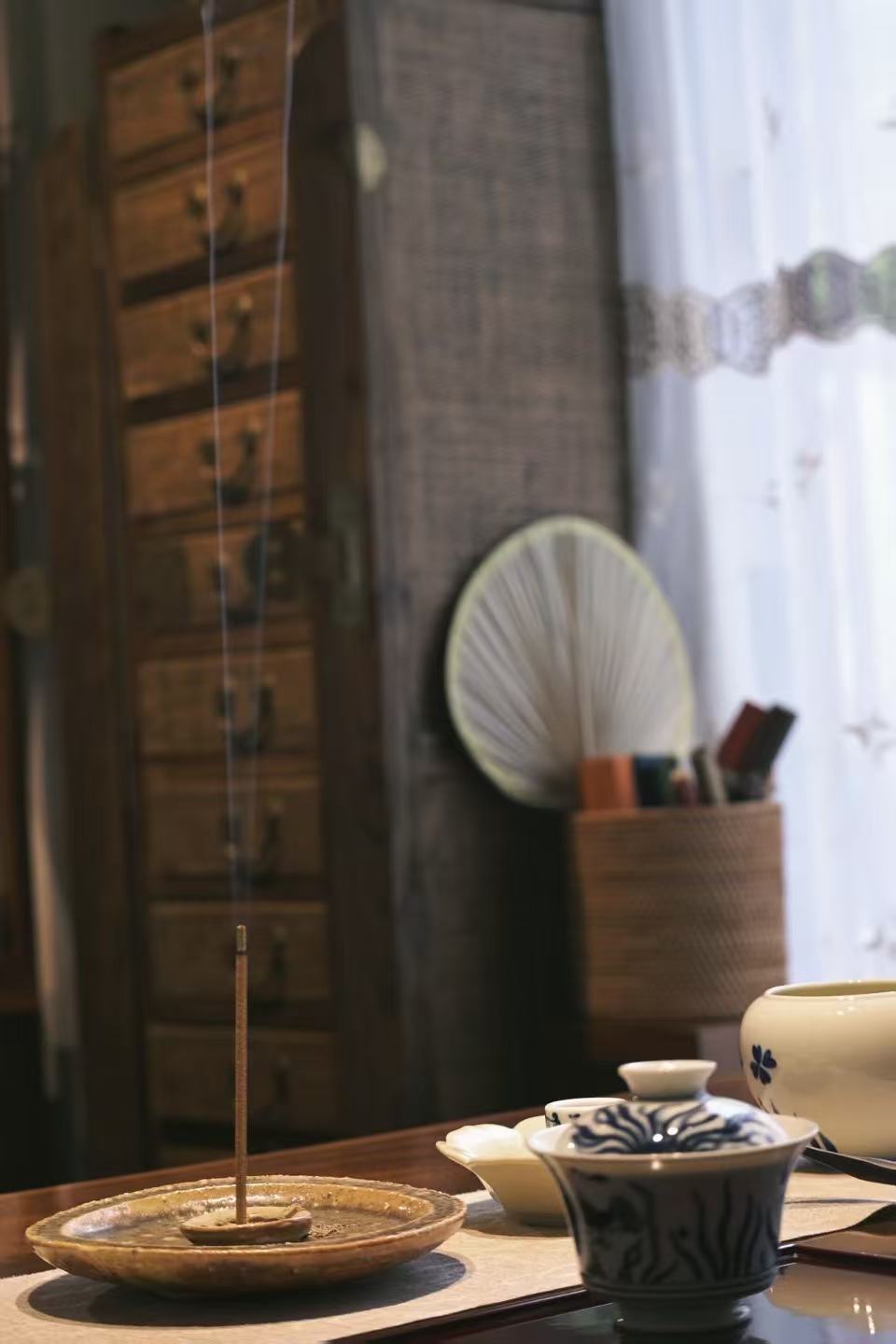
Industrial Production: Speed, Scale, and Compromises in Machine-Made Incense
Extrusion, Binder Dependency, and Accelerated Drying’s Impact on Ingredient Integrity
Machine-made incense prioritizes speed and volume: high-output extruders force a wet dough of powdered wood, charcoal, and fragrance oils through dies at rates exceeding 5,000 sticks per hour. To prevent crumbling during rapid shaping, manufacturers depend heavily on synthetic binders—such as methyl cellulose or polyvinyl acetate—constituting up to 15% of the stick’s weight. These additives mute natural aroma and generate harsh, acrid smoke. Accelerated drying in forced hot-air ovens (60–80°C) reduces moisture in hours rather than days—but this heat strips away delicate top notes. A 2022 comparative analysis found machine-dried incense loses approximately 30% of its essential oil content during drying, flattening the aroma profile. Unlike handmade incense, industrial production sacrifices layered, slow-evolving fragrance for dimensional uniformity and scale.
Burn Performance and Aromatic Fidelity: Why Handmade Incense Delivers Superior Sensory Experience
The sensory signature of incense emerges not at creation—but during combustion. Handcrafted methods yield a fundamentally different burn profile than industrial extrusion, directly shaping richness, nuance, and longevity. Below are the physical and chemical reasons handmade varieties consistently outperform machine-made alternatives in blind olfactory trials.
Cooler, slower combustion preserves volatile top notes and layered scent evolution
Handmade incense paste is blended by feel—not compressed under extreme pressure—leaving microscopic air pockets that regulate oxygen flow. This enables a cooler, slower burn, often 30–40% slower than extruded sticks, with smolder temperatures rarely exceeding 220°C. Such gentle combustion protects fragile aromatic molecules: citrusy aldehydes, floral linalool, and spicy eugenol. In contrast, machine-made incense develops hot spots above 300°C, instantly vaporizing top notes and leaving only a flat, smoky after-scent. With handmade sticks, fragrance unfolds in a clear three-act structure—bright opening, complex heart, soft base—mirroring the perfumer’s fragrance pyramid. The cooler ember also minimizes pyrolysis of natural plant binders, avoiding acrid notes that mask the intended perfume.
Scientific validation: 42% higher volatile oil retention in handmade sandalwood incense (Kyoto Aromatics Lab, 2023)
This experiential advantage is confirmed by chemistry. In 2023, Kyoto Aromatics Lab used gas-chromatography to test 50 paired samples of handmade and machine-made incense from identical batches of Santalum album wood. Handmade sticks retained, on average, 42% more total volatile organic compounds after burning. Critically, the retained fraction included a greater proportion of sesquiterpenes—the molecules responsible for sandalwood’s creamy, long-lasting woody character—most of which were lost to thermal degradation in machine-made versions. The study attributed this difference to the cooler, more homogeneous smolder and absence of synthetic combustion accelerators. For the user, that 42% boost translates directly into a fuller, longer-lasting fragrance—validating what generations of artisans have known: gentle craft amplifies nature’s voice.
How to Recognize Authentic Handmade Incense
Five reliable indicators: texture, flexibility, ash structure, cold-scent complexity, and transparent batch traceability
Distinguishing true artisanal incense from industrial imitations relies on sensory and factual verification. Leading traditional makers confirm five reliable indicators:
- Texture: The surface should feel slightly granular and matte—not unnaturally smooth or glossy, which signals synthetic binders.
- Flexibility: A genuine handmade stick bends slightly under gentle pressure without snapping; machine-extruded sticks are brittle.
- Ash structure: During burning, authentic incense forms a fine, powdery ash that curls gently—not a rigid, rod-like ash.
- Cold-scent complexity: Unlit, the stick should offer a multi-layered, nuanced aroma with discernible botanical notes—not a singular, overpowering fragrance.
- Transparent batch traceability: Reputable makers specify harvest season and origin of key ingredients—evidence of accountability absent in anonymous mass production.
Frequently Asked Questions
What makes handmade incense better than machine-made incense?
Handmade incense is crafted with traditional techniques, allowing for superior aromatic fidelity, slower combustion, and retention of natural volatile oils. Machine-made incense prioritizes speed, often compromising its scent and burn quality with synthetic binders and heat-accelerated drying.
How can I identify authentic handmade incense?
Look for indicators such as slightly granular texture, flexibility under pressure, fine powdery ash, complex cold scent, and batch traceability provided by reputable makers.
Why does handmade incense take longer to dry?
Traditional artisans dry incense naturally in climate-controlled spaces over several days to preserve volatile oils and avoid cracks, unlike machine-made incense that uses forced hot-air drying.
Does handmade incense burn differently than machine-made incense?
Yes, handmade incense burns cooler and slower, allowing for a more nuanced fragrance profile. Machine-made incense tends to burn faster and at higher temperatures, resulting in flatter scents.
Are any synthetic materials used in handmade incense?
No, authentic handmade incense uses natural binders and ingredients like aromatic woods and resins. Synthetic binders are common only in machine-made varieties.