EN


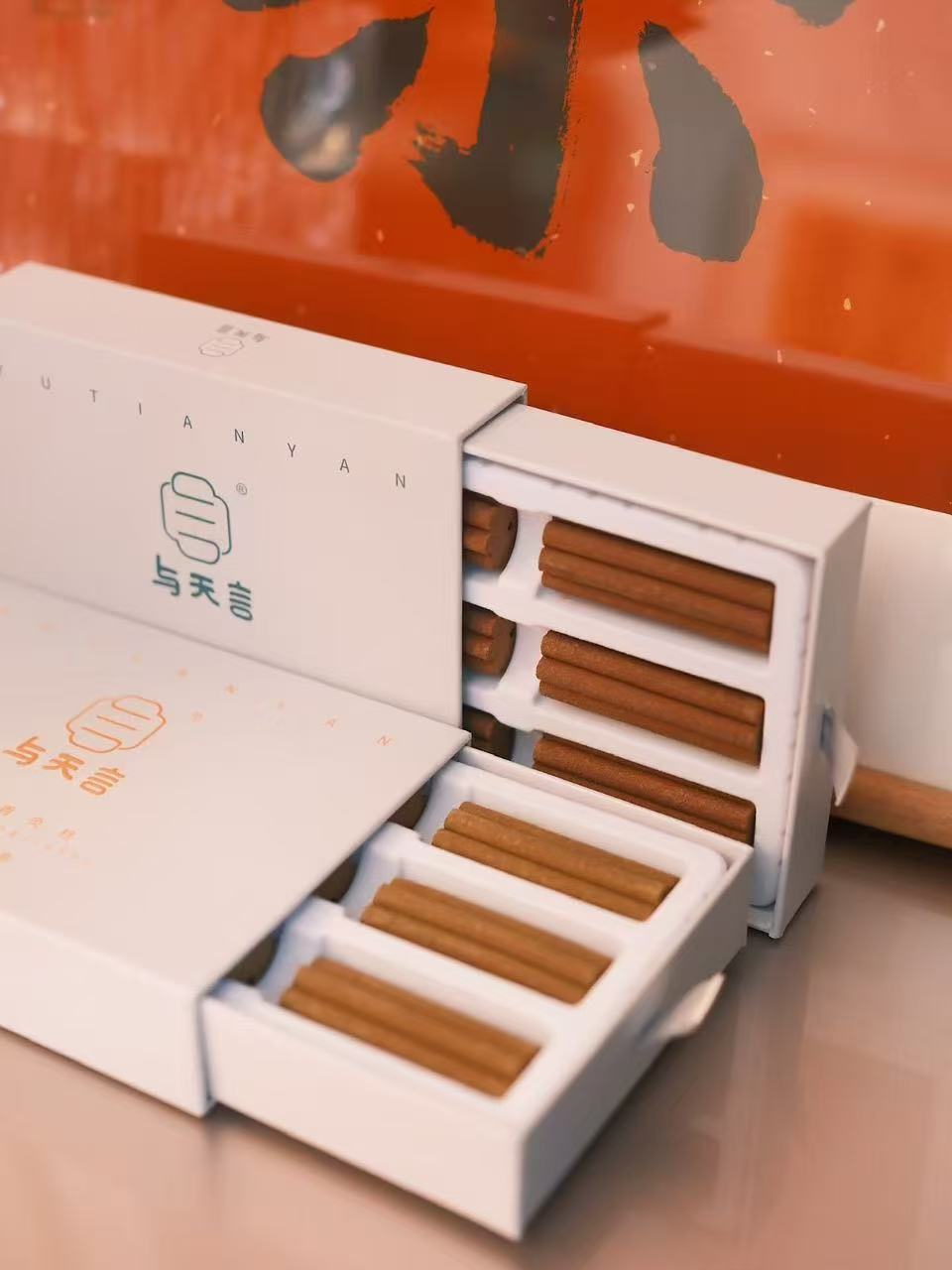
Verify Regulatory Compliance and Quality Credentials for Incense Sticks Wholesale
Confirm certifications (ISO, GMP), ingredient traceability, and safety testing (heavy metals, VOCs)
In the incense sticks wholesale market, certifications are your first line of defense against substandard inventory. A Certified Quality Auditor noted that 40% of non-compliance issues identified in 2023 involved fraudulent or lapsed paperwork. Request documentation tied explicitly to the SKUs you intend to purchase—never accept generic certificates covering “all incense products.” A valid ISO 9001 certification for quality management or GMP credential confirms adherence to consistent, auditable manufacturing protocols. Immediately verify authenticity through the issuing body’s online database, checking both status and scope alignment.
Ingredient traceability is equally critical. You must know the origin of aromatic woods, gums, and essential oils—not only for authenticity but to avoid materials sourced from protected or CITES-listed species. Ask for batch-specific traceability reports that map raw material provenance to finished goods. For safety, demand third-party lab results for heavy metals (e.g., lead, arsenic) and volatile organic compounds (VOCs), which directly impact indoor air quality. Reports must originate from an ISO/IEC 17025-accredited laboratory and be no older than 12 months. Red flags include pricing significantly below regional raw material costs, refusal to share full test data, or missing batch identifiers—each suggesting compromised or skipped testing.
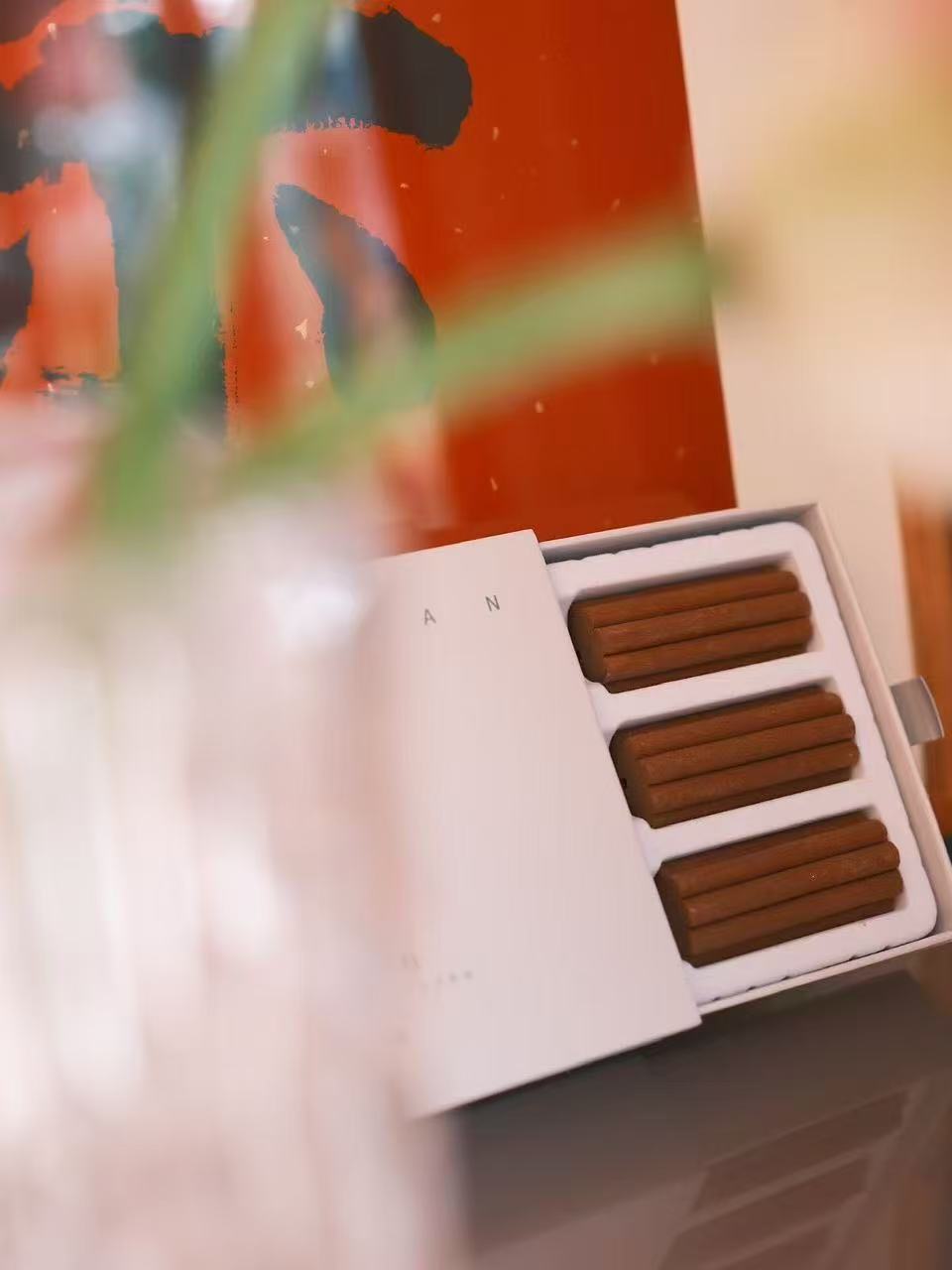
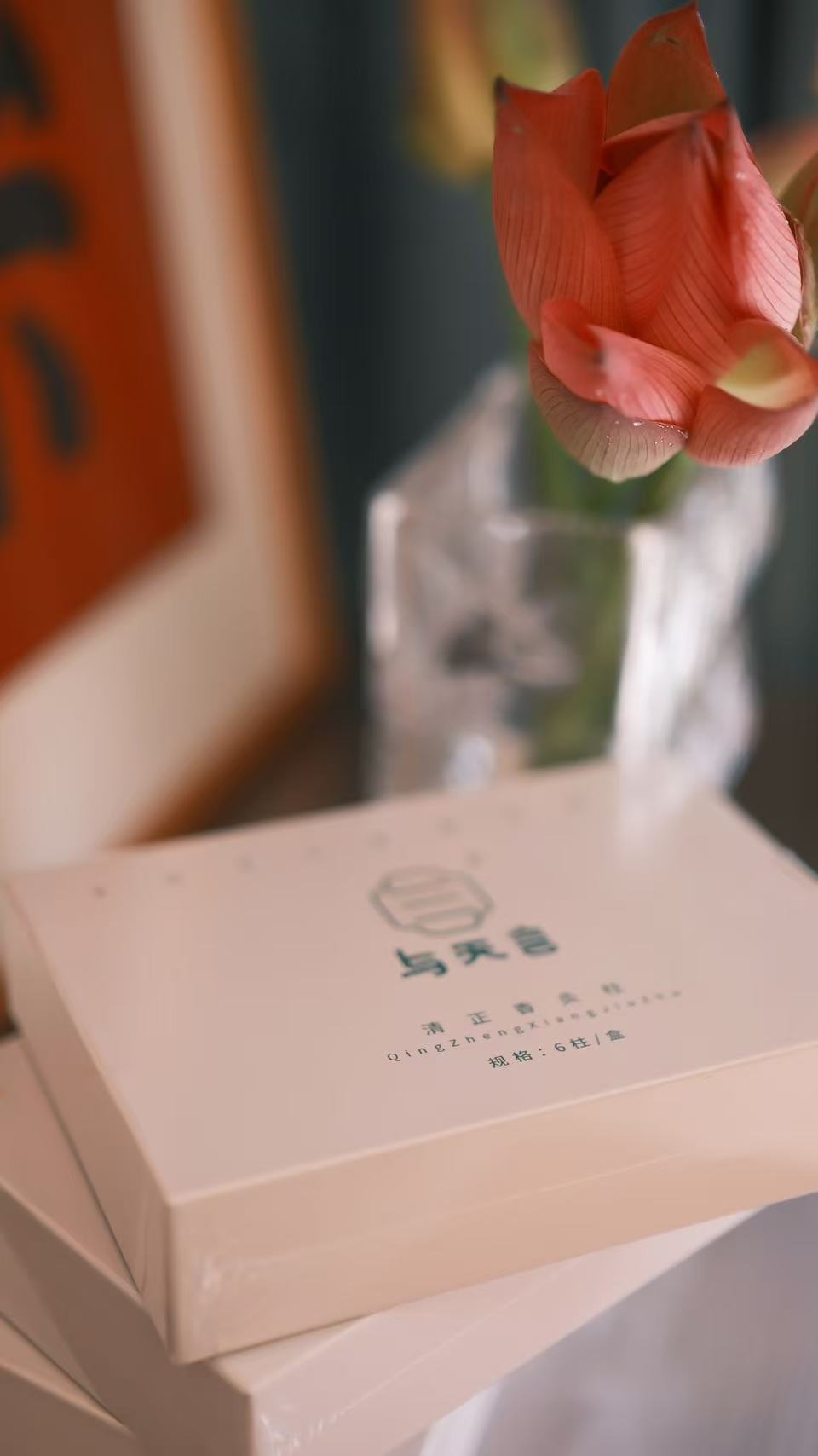
Review essential documentation: Certificate of Analysis (COA), Safety Data Sheet (SDS), and country-of-origin disclosure
A Certificate of Analysis (COA) is foundational for incense sticks wholesale imports. It validates that a specific production lot meets your requested specifications. A credible COA lists the tested lot number, lab name and accreditation details, standardized test methods, and clear pass/fail results for each parameter—not just a blanket “pass” stamp. Cross-check the lot number on the COA against the one printed on packaging; mismatched or omitted numbers invalidate its reliability.
A current Safety Data Sheet (SDS) is non-negotiable—not a formality, but a functional risk-management tool. It details safe handling, storage, and disposal procedures, especially relevant if sticks break or fragrance oil leaks during transit. Crucially, it specifies flash point data, which insurers require for warehouse coverage. Finally, secure unambiguous country-of-origin disclosure. This informs tariff classification under trade agreements and meets growing consumer expectations for transparency. A supplier hesitant to provide this information may be obscuring the true source of raw materials or finished goods.
Assess Global Sourcing Hubs and Supplier Reputation in Incense Sticks Wholesale
Compare Key Manufacturing Regions: India, China, and ASEAN
Global incense stick production centers on three distinct regions—each with strategic advantages and operational trade-offs.
| Manufacturing Region | Core Strengths | Key Considerations |
|---|---|---|
| India (Mysuru) | Centuries-old tradition of hand-rolled agarbatti; mastery of natural essential oils and sandalwood bases; strong cultural resonance for spiritual markets. | Higher per-unit cost; variable batch consistency from smaller artisans; longer lead times for handmade styles. |
| China | Massive production scale and automation; competitive pricing through synthetic fragrance integration; efficient logistics infrastructure. | Less emphasis on traditional craftsmanship; regulatory scrutiny on synthetic ingredients may limit certain market access. |
| ASEAN (Vietnam, Thailand, Indonesia) | Emerging quality capacity with modern facilities; abundant raw materials (bamboo, aromatic woods); rising compliance levels and export diversification. | Supplier performance can vary; export volumes are smaller but growing rapidly (12% YoY, 2023 trade figures). |
India dominates global exports—accounting for over 60% of volume in 2024—with Mysuru alone supplying ~30% of the world’s traditional agarbatti. Its reputation rests on depth of aroma and artisanal authenticity. China leverages industrial scale to deliver sticks at 20–30% lower unit cost—ideal for price-driven mass-market positioning. Meanwhile, ASEAN nations are rapidly closing the quality gap: new GMP-certified facilities, sustainable harvesting initiatives, and export-ready compliance frameworks position them as agile, future-focused alternatives.
Evaluate Established Exporters by Compliance Rigor, MOQ Flexibility, and Export Experience
When vetting suppliers, three operational archetypes emerge: traditional Indian heritage houses, global fragrance conglomerates, and large domestic FMCG players with dedicated incense divisions. Their differences lie not in branding—but in verifiable execution.
Top-tier Mysuru-based suppliers often hold ISO 9001 and GMP certifications backed by vertically integrated supply chains—owning farms, distilleries, and rolling units. This enables granular ingredient traceability and MOQs as low as 50–100 kg for select handmade lines—ideal for boutique importers. The strongest have decades of documented shipments to Europe and the Middle East, supported by complete COAs and SDSs.
Global fragrance conglomerates bring harmonized chemical safety testing and internationally aligned documentation—but typically require MOQs of 500 kg per blend to match factory lot sizing. This suits large retailers but strains working capital for smaller distributors. In contrast, leading Indian FMCG players combine aromatic heritage with modern quality systems, offering moderate MOQs (200–300 kg), pre-negotiated FOB incoterms, and end-to-end export support. Prioritize partners with documented compliance rigor, transparent lead-time commitments, and a verifiable track record in your target import market.
Optimize Logistics, Packaging, and Order Fulfillment for Incense Sticks Wholesale
Select packaging that prevents moisture damage, fragrance loss, and print degradation during transit
Effective incense sticks wholesale packaging must simultaneously combat moisture ingress, volatile fragrance loss, and graphic degradation—all common in long-haul transit. Damp sticks burn poorly, smoke excessively, and risk mold growth—a reputational and financial liability. Use airtight, heat-sealed poly bags with aluminum foil liners to block humidity and preserve essential oil integrity. Supplement with silica gel cartridges to absorb condensation in ocean or refrigerated truck shipments.
To retain scent profile, specify multi-layer barrier films like EVOH, which offer superior gas impermeability versus standard PE or PP. Visual trust matters too: smeared labels or faded logos undermine retail confidence. Insist on UV-resistant inks and moisture-proof exterior carton coatings to keep branding sharp and barcodes scannable after weeks in transit. For physical protection, integrate shock-absorbing inserts or honeycomb dividers—especially for premium or fragile formulations. Palletize in uniform, stack-optimized boxes to maximize container fill and minimize load shifting, a primary cause of crushing damage. These integrated measures collectively reduce spoilage and lower total fulfillment cost.
Negotiate realistic lead times, incoterms (e.g., FOB vs. DAP), and minimum order quantities aligned with inventory turnover
Lead times must balance responsiveness with realism. Typical incense production cycles run 4–8 weeks, plus 3–6 weeks for ocean freight and customs clearance. Choose incoterms that reflect your operational capability—not just preference. FOB gives you freight control but demands experienced logistics coordination; DAP transfers responsibility to the supplier and simplifies first-time imports.
| Term | Freight Arranged By | Risk Transfers At | Best For |
|---|---|---|---|
| FOB (Free On Board) | Buyer | When goods are loaded on vessel at origin port | Experienced importers with strong freight partners |
| DAP (Delivered at Place) | Seller | At named destination (e.g., warehouse) | Buyers wanting end-to-end control and fewer surprises |
Finally, align MOQs with actual sales velocity—not theoretical capacity. If your channel moves 300 boxes monthly, a 2,000-box MOQ ties up capital for nearly seven months. Negotiate staggered deliveries or pilot orders scaled to real demand. Structure MOQ discounts around quarterly take-or-pay commitments instead of one-time bulk purchases to smooth cash flow. Target an inventory turnover ratio above 6—ensuring freshness, minimizing storage fees, and preserving working capital. Shared rolling forecasts empower suppliers to plan efficiently while you maintain lean, responsive stock levels.
FAQ
What certifications should I look for when purchasing incense sticks wholesale?
You should look for credible certifications such as ISO 9001 for quality management and GMP (Good Manufacturing Practice) credentials. Always verify these through the issuing body’s online database and ensure the scope aligns with the products you are purchasing.
Why is ingredient traceability important in the incense stick industry?
Ingredient traceability is crucial for authenticity and to ensure materials are not sourced from protected or CITES-listed species. It also helps in maintaining quality and addressing safety concerns like harmful heavy metals or VOCs in the product.
What essential documents should I request from suppliers?
Key documents include a Certificate of Analysis (COA), Safety Data Sheet (SDS), and a country-of-origin disclosure. These validate the product’s quality, safety, and compliance with trade regulations.
Which regions are best for sourcing incense sticks wholesale?
India, China, and ASEAN countries (e.g., Vietnam, Thailand, Indonesia) are the key regions. India offers artisanal quality, China specializes in cost-effective industrial production, and ASEAN nations are growing in compliance and export capacity.
How should incense sticks be packaged to maintain quality during transit?
Packaging should include airtight, heat-sealed poly bags, aluminum foil liners, and silica gel cartridges to prevent moisture damage. Multi-layer barrier films help preserve fragrance, and durable packaging like UV-resistant inks and moisture-proof coatings protect overall quality.
What incoterms and MOQ policies are most practical for incense stick imports?
FOB is ideal for experienced importers, whereas DAP simplifies logistics for new buyers. MOQ policies should align with actual sales velocity, and staggered deliveries can help manage inventory without tying up excessive capital.
Table of Contents
- Verify Regulatory Compliance and Quality Credentials for Incense Sticks Wholesale
- Assess Global Sourcing Hubs and Supplier Reputation in Incense Sticks Wholesale
- Optimize Logistics, Packaging, and Order Fulfillment for Incense Sticks Wholesale
-
FAQ
- What certifications should I look for when purchasing incense sticks wholesale?
- Why is ingredient traceability important in the incense stick industry?
- What essential documents should I request from suppliers?
- Which regions are best for sourcing incense sticks wholesale?
- How should incense sticks be packaged to maintain quality during transit?
- What incoterms and MOQ policies are most practical for incense stick imports?