Herbal Incense Wholesale Guide: Sourcing, Packaging & Fragrance Profiles

Get a Free Quote

Our representative will contact you soon.
Email
Mobile/WhatsApp
Name
Company Name
Message
0/1000
Customer Reviews

Customer Reviews

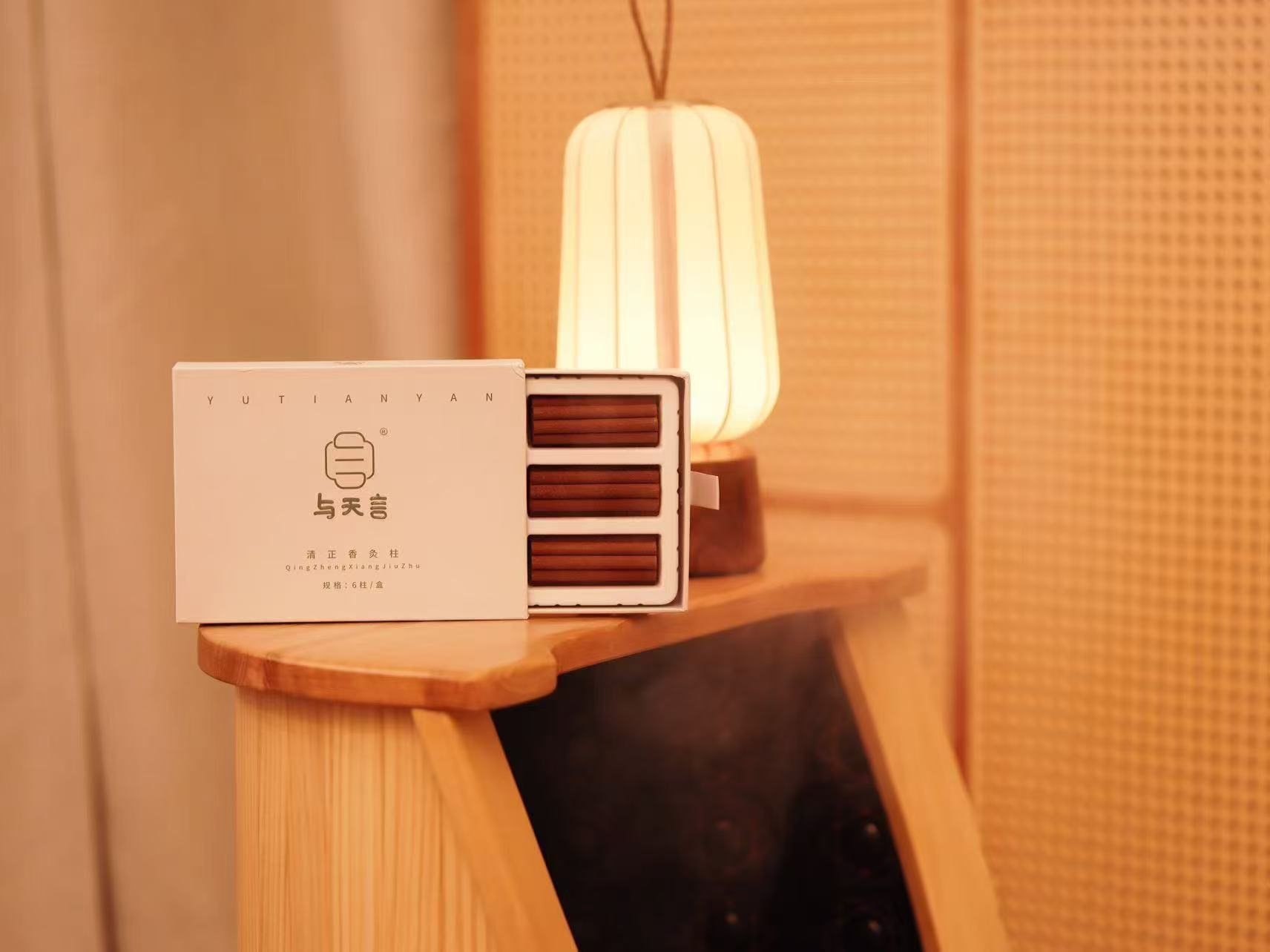
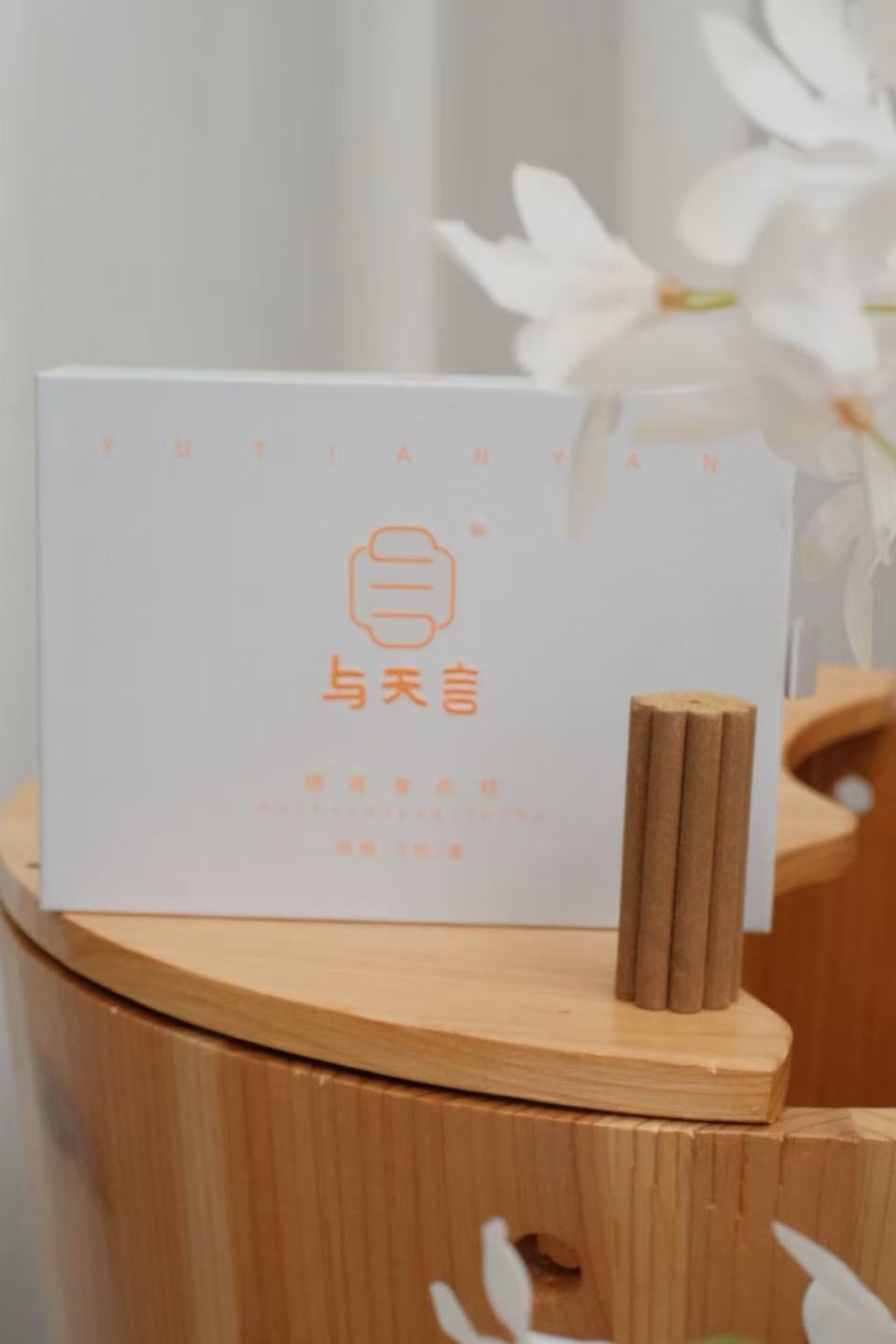
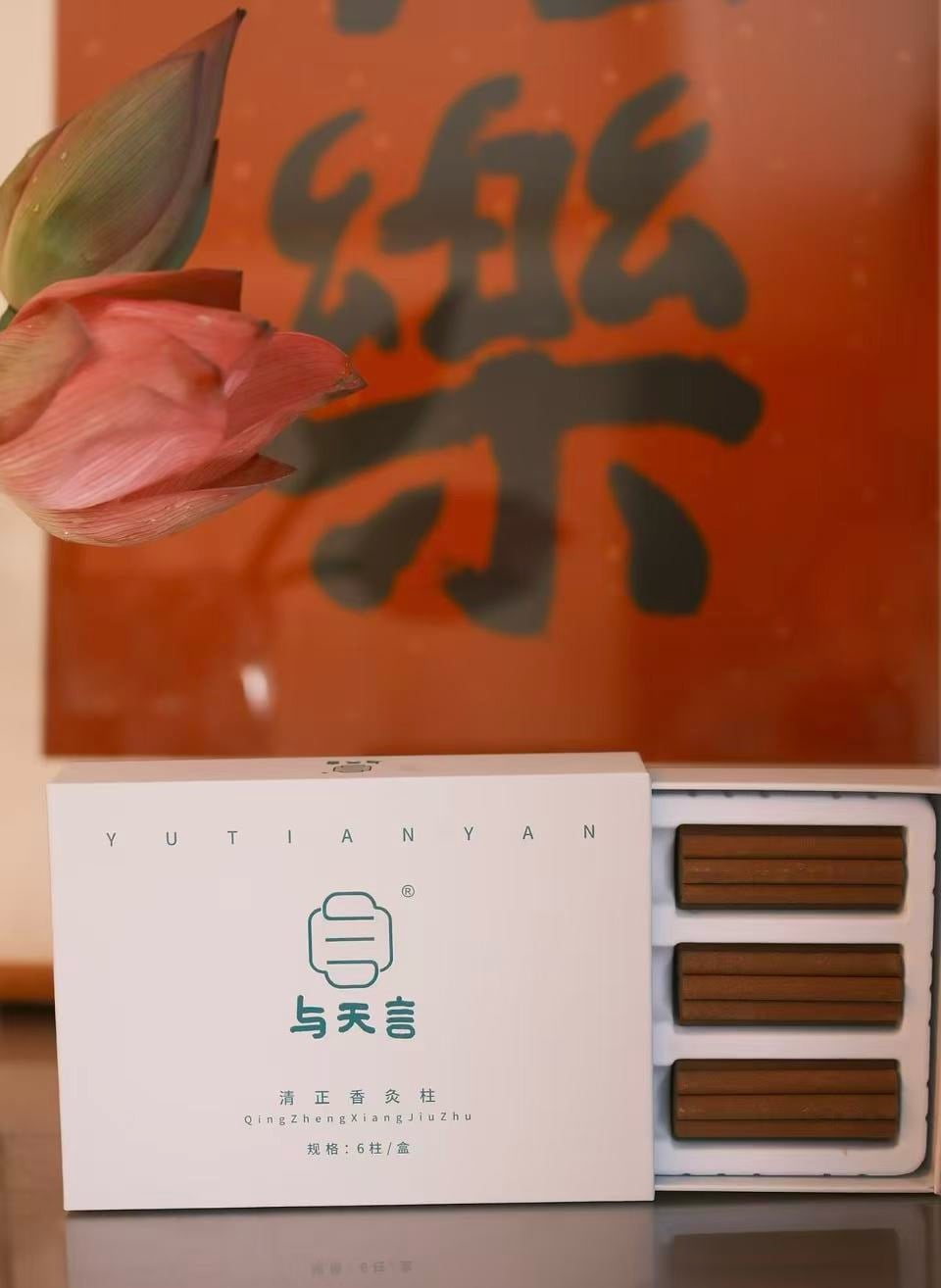
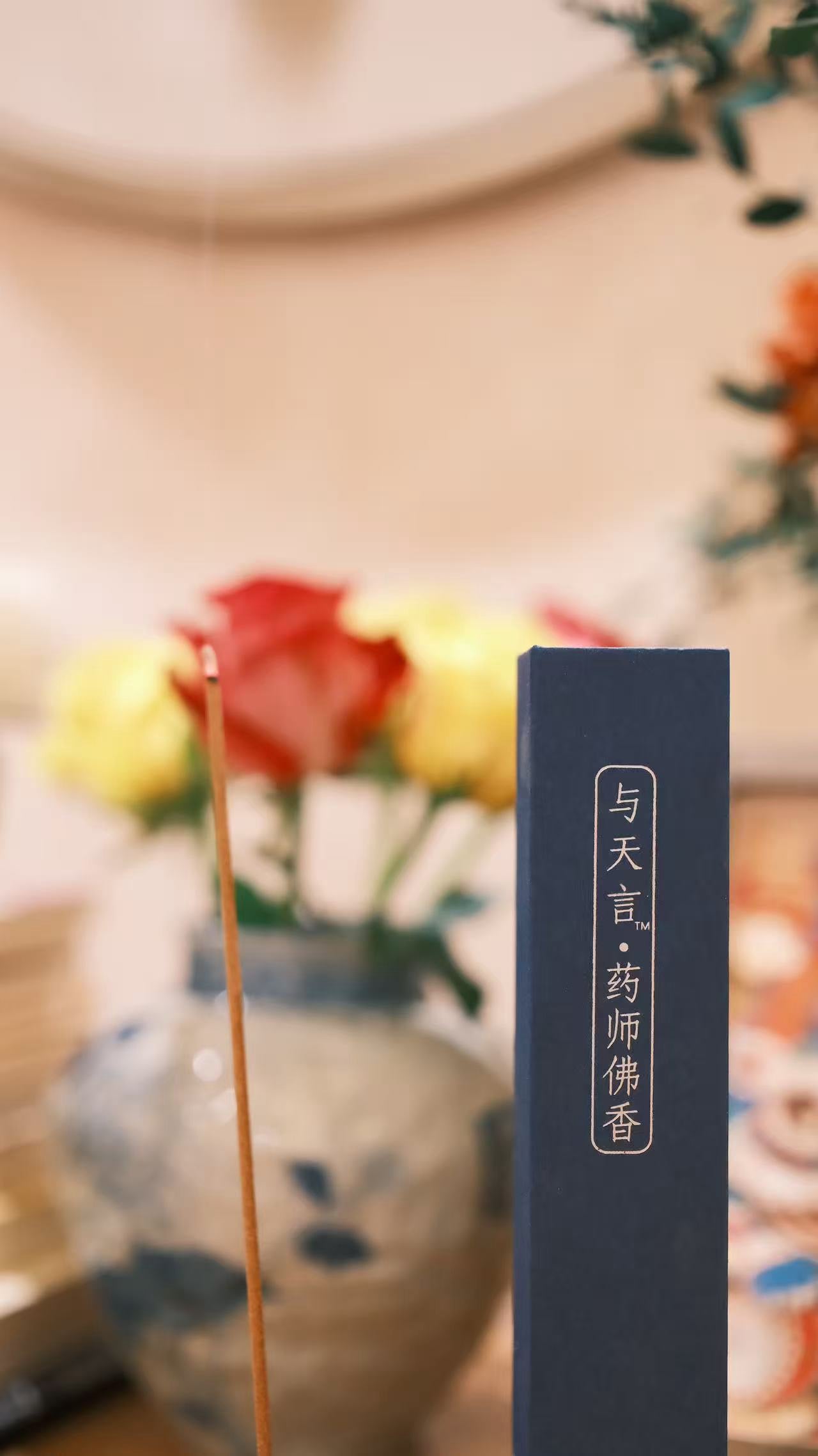
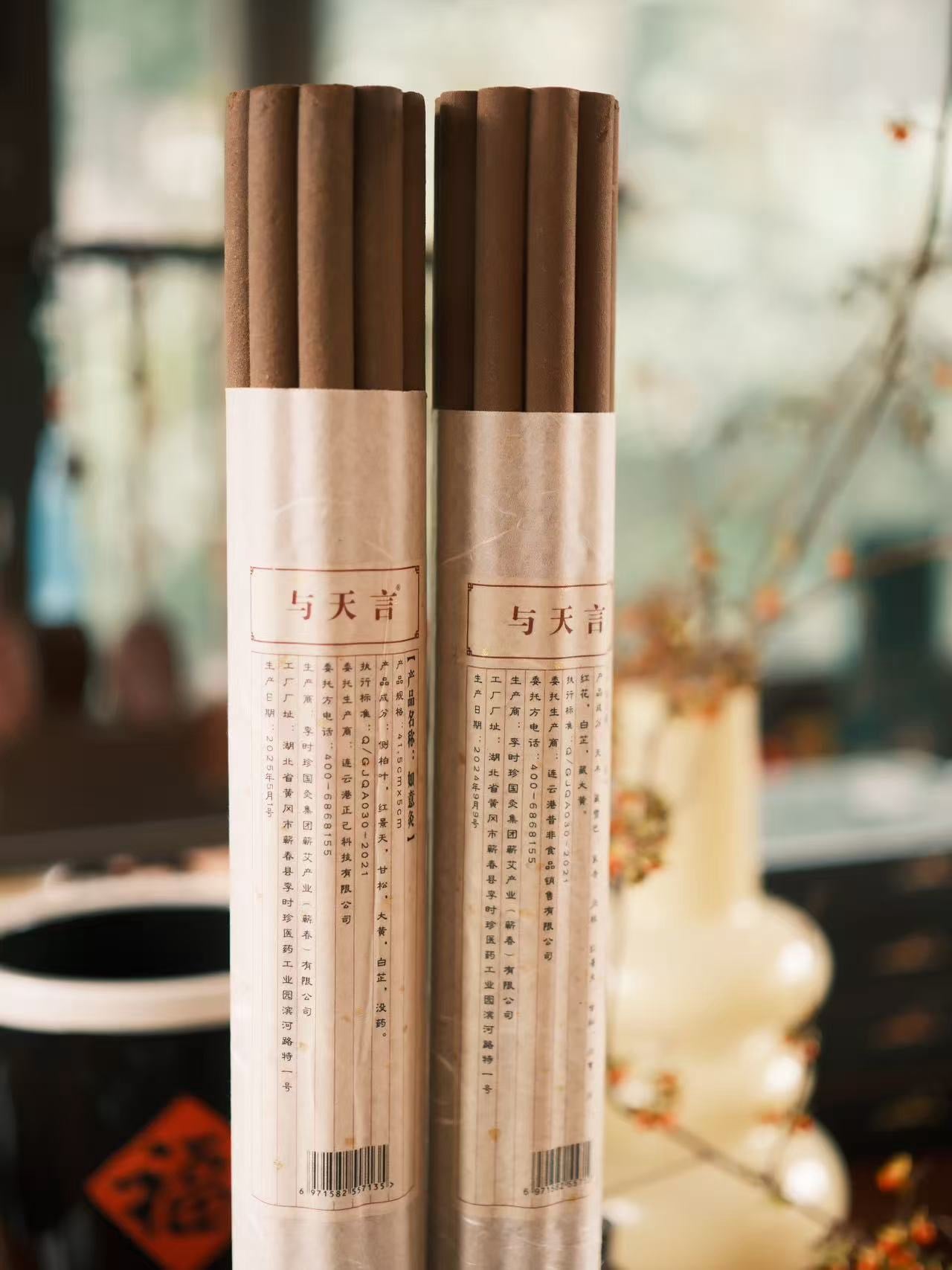
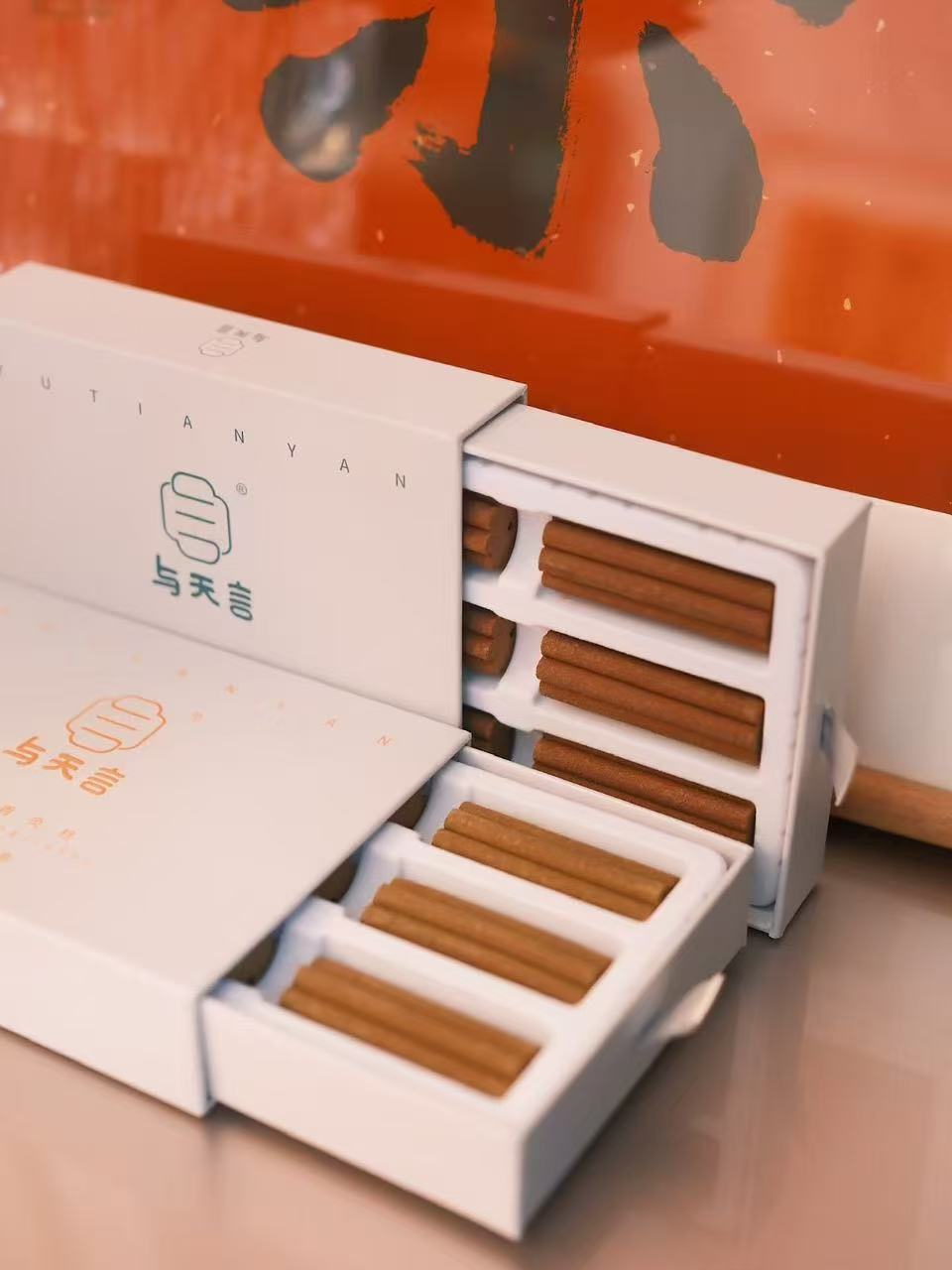
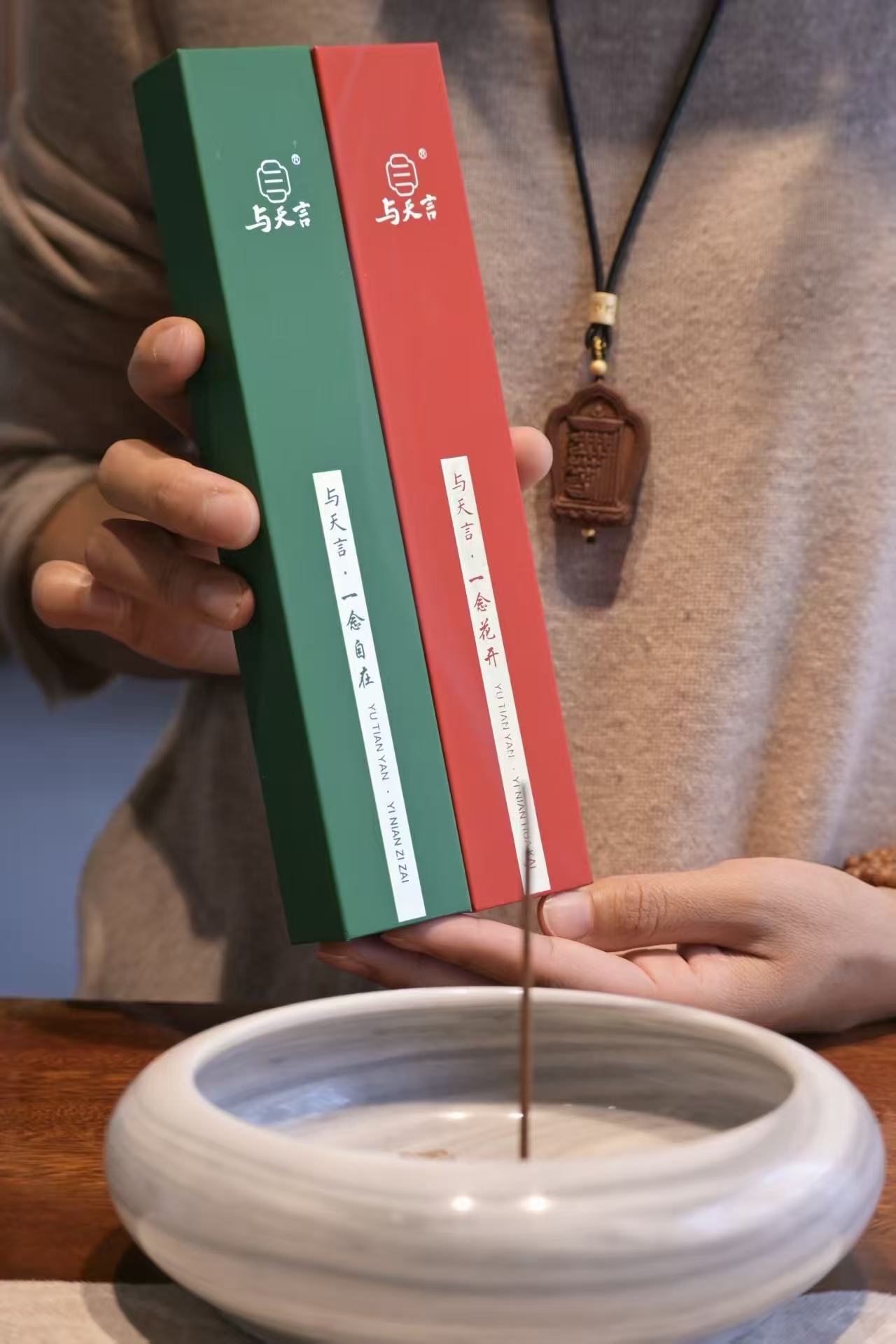
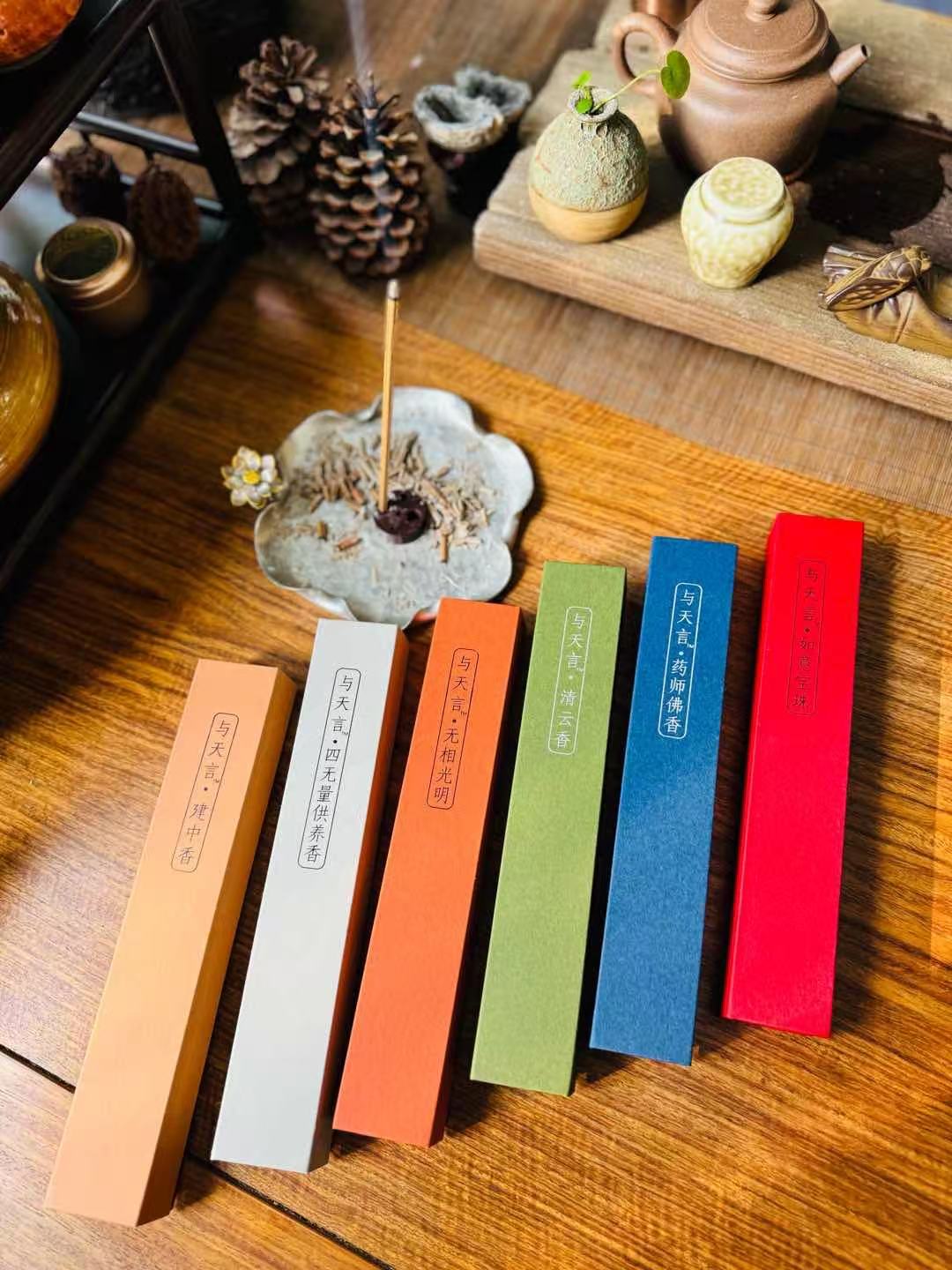
Herbal incense offers wholesalers, retailers, distributors, and lifestyle brands a flexible category for home fragrance, traditional rituals, meditation spaces, and gift collections. Depending on the product, formulations may include aromatic herbs, wood powders, flowers, resins, spices, and other fragrance ingredients. Buyers can explore earthy, woody, floral, spicy, and fresh scent profiles to suit different customer preferences. When selecting herbal incense, review ingredient information, product format, aroma characteristics, burning performance, packaging, and available quality documentation. Comparing three sample varieties can help your team evaluate product suitability before placing a larger order. For wholesale purchasing, confirm minimum order quantities, production schedules, package specifications, and shipping terms in advance to support efficient sourcing and inventory planning.
Get A Quote

Case Study

Herbal Incense for Specialty Retail Stores

Specialty retail stores can use herbal incense to expand their fragrance selections and serve customers with different aromatic preferences. Depending on the supplier's product range, options may include incense sticks, cones, and other formats featuring botanical-inspired fragrances. Retail buyers should compare scent profiles, product dimensions, package quantities, and shelf presentation before choosing an assortment. A practical starting point is to select three complementary fragrances and review customer feedback over a four-week sales period. This can help retailers understand which options attract interest before investing in additional inventory. Buyers should also verify ingredient descriptions and product specifications with the supplier. Careful product selection helps stores organize their fragrance category around customer demand while managing stock and purchasing budgets more effectively.

Herbal Incense for Meditation and Home Fragrance

Herbal incense is commonly selected for quiet environments, meditation routines, traditional practices, and everyday home fragrance. Different formulations can create distinct aromatic experiences, so fragrance strength and smoke characteristics should be evaluated before choosing a product. Retailers and commercial buyers can compare sample varieties to understand how each aroma develops during use. Safe-use instructions, appropriate holders, and ventilation guidance are important product considerations, especially for indoor settings. Packaging should protect the incense during storage and transportation while keeping product information easy to understand. Businesses should avoid unsupported therapeutic claims and focus on verifiable ingredients and fragrance characteristics. For commercial sourcing, clear specifications and sample approval can help buyers select products that suit their intended market and manage repeat orders more consistently.

Herbal Incense for Wholesale and Private Label

Wholesalers, distributors, and private-label brands need herbal incense products that fit their target customers, packaging requirements, and budget. Before requesting a quotation, prepare a brief covering the preferred incense format, fragrance profile, package quantity, estimated order volume, and destination market. Ask the supplier which products are available and whether customized labels or packaging can be accommodated. When samples are offered, evaluate aroma, physical structure, burning characteristics, and presentation before approving the final specifications. Buyers should also clarify minimum order quantities, production lead times, packaging costs, and shipping terms. Keeping a record of the approved sample and agreed specifications can reduce misunderstandings during future orders. A structured sourcing process supports better product planning and a smoother launch for new incense collections.

Related products

Herbal incense is a broad product category used in home fragrance, traditional rituals, specialty retail, meditation settings, and gift collections. Depending on the formulation, products may contain aromatic herbs, wood powders, flowers, resins, spices, binders, or fragrance ingredients. These materials influence the finished product's aroma, format, and burning characteristics. For businesses sourcing herbal incense, product selection should begin with clear specifications rather than the product name alone. Review ingredient information, fragrance profile, dimensions, packaging, and available quality documentation before making a purchasing decision. Importers and distributors should also confirm minimum order quantities, production lead times, carton specifications, and shipping arrangements. If you are developing a private-label collection, prepare your preferred fragrance direction, branding requirements, packaging format, and estimated order volume before requesting a quotation. Comparing samples and written quotations using consistent criteria helps purchasing teams select suitable products, plan inventory, and build a fragrance range that reflects customer demand.

Frequently Asked Questions

What is herbal incense made from?

Depending on the formulation, herbal incense may contain aromatic herbs, wood powders, flowers, resins, spices, binders, or fragrance ingredients. The exact composition varies by product, so buyers should review the ingredient list and supplier specifications before purchasing.
Available formats depend on the supplier's catalog and may include incense sticks, cones, coils, or loose incense blends. Fragrance profiles can range from earthy and woody to floral and spicy. Request a current catalog to compare available options.
Wholesale purchasing may be available for retailers, distributors, gift shops, and lifestyle brands. Confirm minimum order quantities, product availability, packaging options, lead times, and shipping arrangements with the supplier before placing a bulk order.
Review ingredient information, fragrance consistency, physical structure, burning characteristics, and packaging quality. If samples are available, test them in a suitable, well-ventilated setting. Ask about quality documentation and ensure product descriptions accurately reflect the formulation.
Customization depends on the supplier's capabilities and order requirements. Ask about available fragrance profiles, product formats, private-label packaging, custom labels, and minimum quantities. Confirm additional costs and production timelines before approving the order.

Related article

How to Find a Reliable Incense Sticks Wholesale Supplier?

16

Sep

How to Find a Reliable Incense Sticks Wholesale Supplier?

Verify Regulatory Compliance and Quality Credentials for Incense Sticks Wholesale Confirm certifications (ISO, GMP), ingredient traceability, and safety testing (heavy metals, VOCs) In the incense sticks wholesale market, certifications are your fi...
View More
Why Is Natural Incense Preferred for Meditation and Wellness?

20

Sep

Why Is Natural Incense Preferred for Meditation and Wellness?

The Science Behind Natural Incense and Neurological Calm Olfactory-Limbic Pathway Activation and Emotional Regulation Inhaling natural incense engages a direct neural route to the brain’s emotional core. Volatile aromatic molecules from plant...
View More
What Defines High-Quality Handmade Incense?

21

Sep

What Defines High-Quality Handmade Incense?

Ingredient Purity: The Non-Negotiable Foundation of Handmade Incense Natural Plant Matter vs. Synthetic Fragrances: Safety, Authenticity, and Regulatory Gaps What truly separates authentic handmade incense from machine-made alternatives begins with...
View More
What Makes Handmade Incense Different from Machine-Made Incense?

30

Sep

What Makes Handmade Incense Different from Machine-Made Incense?

The Artisan Process: How Handmade Incense Is Crafted Traditional hand-rolling, natural drying, and generational technique mastery Unlike machine extrusion, traditional incense artisans hand-roll each stick using aromatic woods, resins, and natural ...
View More

Customer Testimonials

Daniel R.

We wanted herbal incense options for our retail range. Comparing fragrance profiles, product formats, and packaging helped us organize a collection around different customer preferences.

Sophia M.

Herbal incense gave us more choices for our lifestyle collection. Reviewing product details and samples helped us assess aroma, packaging, and wholesale purchasing requirements.

Get a Free Quote

Our representative will contact you soon.
Email
Mobile/WhatsApp
Name
Company Name
Message
0/1000
A Range of Fragrance Profiles

A Range of Fragrance Profiles

Herbal incense can provide a variety of aromatic experiences depending on the ingredients and formulation. Buyers may explore earthy, woody, floral, spicy, or fresh profiles when developing a retail or wholesale collection. Comparing three sample varieties gives your team a practical way to assess fragrance strength, product format, and burning characteristics before committing to larger quantities. Review ingredient information alongside fragrance descriptions to ensure product claims remain accurate. A focused initial assortment also makes it easier to gather customer feedback and identify promising options before expanding the range. Confirm current product availability and specifications directly with the supplier so that purchasing decisions reflect the products actually offered.
Streamlined Wholesale Sourcing

Streamlined Wholesale Sourcing

A clear sourcing plan helps businesses compare herbal incense products and manage purchasing requirements. Before requesting a quotation, identify the preferred format, fragrance profile, package quantity, estimated order volume, and destination market. Confirm minimum order quantities, production lead times, payment terms, carton specifications, and shipping arrangements directly with the supplier. Comparing two or three suitable options against consistent criteria can help buyers assess overall value rather than focusing only on unit price. Keep records of approved samples and final specifications for future reference. This preparation supports clearer communication between purchasing and logistics teams and helps retailers and distributors organize stock around expected demand.