EN


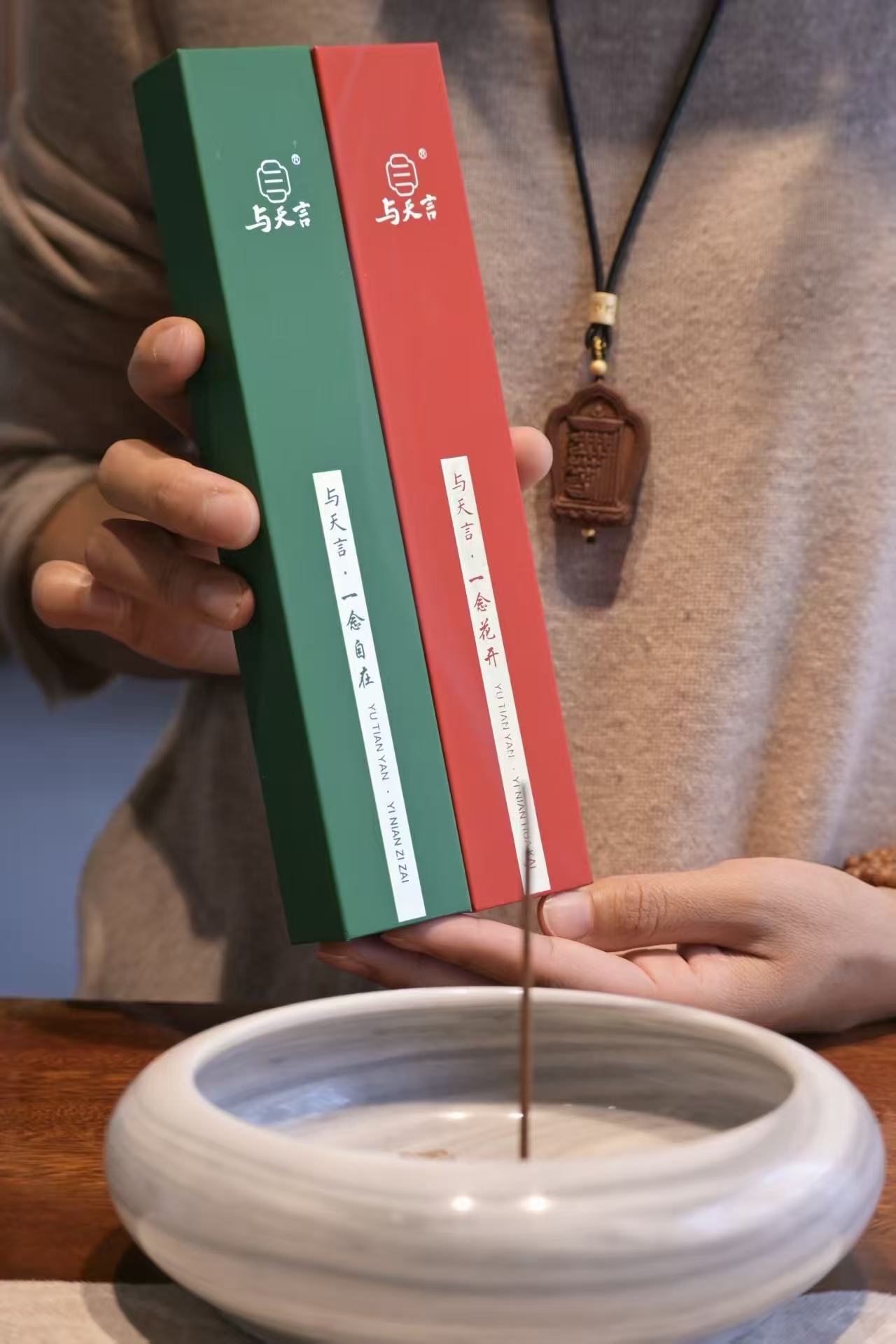
The Science Behind Natural Incense and Neurological Calm
Olfactory-Limbic Pathway Activation and Emotional Regulation
Inhaling natural incense engages a direct neural route to the brain’s emotional core. Volatile aromatic molecules from plant resins and essential oils bind to olfactory receptors in the nasal epithelium, transmitting signals to the olfactory bulb—then rapidly to the amygdala and hippocampus. These limbic structures govern emotional processing, memory, and stress responses, explaining why the aroma of sandalwood or frankincense can instantly shift mood. Research shows natural incense compounds modulate neurotransmitter activity: promoting calming GABA release while reducing excitatory glutamate. A 2022 systematic review of 30 aromatherapy studies found that naturally derived scents significantly lowered self-reported anxiety and improved emotional regulation across diverse populations. Participants also exhibited measurable reductions in heart rate and salivary cortisol—signs of parasympathetic dominance. Unlike synthetic fragrances, which may trigger defensive stress reactions with harsh, monolithic notes, natural incense delivers a complex, evolutionarily familiar profile of terpenes. This biocompatibility makes it a reliable, non-invasive tool for deepening meditative states.
Brain Wave Entrainment: Alpha and Theta States Enhanced by Natural Incense Aromas
Natural incense influences not just mood—but measurable brain activity. EEG studies show certain plant-based aromas entrain neural oscillations toward slower, restorative frequencies. Alpha waves (8–12 Hz) dominate during calm, wakeful relaxation; theta waves (4–8 Hz) emerge in deep meditation and creative flow. A 2023 pilot EEG trial found that exposure to natural incense aromas—especially those containing agarwood and frankincense—increased alpha and theta power while decreasing beta activity linked to active concentration and stress. These shifts correlated with improved heart rate variability (HRV), reflecting enhanced vagal tone and parasympathetic balance. Rather than masking environmental stimuli, natural incense actively guides the nervous system into a neurophysiological state conducive to sustained mindfulness. With consistent use, it may lower the brain’s threshold for entering and maintaining deep meditative awareness.

Natural Incense vs. Synthetic Alternatives: Safety, Purity, and Physiological Trust
VOCs, Particulate Matter, and Respiratory Impact of Synthetic Fragrances
Synthetic incense often contains petroleum-derived fragrance oils and chemical binders that, when burned, release volatile organic compounds (VOCs) and fine particulate matter (PM2.5). A landmark analysis identified over 100 VOCs—including benzene, formaldehyde, and toluene—in common fragranced products, many classified as hazardous air pollutants (Steinemann, 2017). In enclosed spaces, emissions can exceed indoor air quality guidelines. PM2.5 from synthetic incense penetrates deep into alveolar tissue and may enter systemic circulation (WHO, 2021), posing risks particularly during prolonged inhalation in meditation practice.
| VOC Compound | IARC Classification | Potential Health Impact |
|---|---|---|
| Benzene | Group 1 (carcinogenic to humans) | Leukemia, bone marrow damage |
| Formaldehyde | Group 1 | Eye/nose irritation, respiratory allergies |
| Toluene | Group 3 (not classifiable) | Neurological effects, headaches |
Chronic exposure is associated with increased airway resistance, asthma exacerbations, and systemic oxidative stress—undermining the very physiological calm these rituals aim to cultivate.
Bioactive Integrity: Why Plant-Derived Compounds in Natural Incense Support Holistic Wellness
Natural incense—crafted from pure resins, woods, and essential oils—delivers a synergistic spectrum of bioactive molecules absent in synthetics. Boswellia sacra (frankincense) resin contains boswellic acids, which inhibit 5-lipoxygenase and exert anti-inflammatory effects (Ammon, 2016). Sandalwood’s α-santalol demonstrates sedative and anxiolytic properties in preclinical models, while lavender’s linalool activates parasympathetic pathways linked to relaxation (Kiecolt-Glaser, 2008).
| Bioactive Compound | Natural Source | Wellness Benefit |
|---|---|---|
| Boswellic acids | Frankincense resin | Anti-inflammatory, supports joint comfort |
| α-Santalol | Sandalwood heartwood | Calms nervous system, reduces perceived stress |
| Linalool | Lavender essential oil | Anxiolytic, enhances heart-rate variability |
These compounds interact gently with the olfactory-limbic system—not as isolated chemicals, but as part of an evolved phytocomplex. That synergy fosters physiological trust: a quiet, embodied confidence in safety and regulation that synthetic blends, lacking ecological context and molecular nuance, cannot replicate.
Evidence-Based Scent Profiles: How Sandalwood, Frankincense, and Lavender Elevate Meditation with Natural Incense
Sandalwood and Agarwood: Anchoring Awareness Through Traditional and Clinical Validation
Sandalwood and agarwood have long been revered in contemplative traditions for their grounding effect—and modern research increasingly affirms this. Their terpenoid profiles engage the olfactory system in ways that slow autonomic arousal: a foundational study observed reduced systolic blood pressure following sandalwood exposure, supporting calm focus. A 2021 review consolidated evidence showing these woods’ aroma slows heart rate and stabilizes attentional networks—creating a psychophysiological environment ideal for anchoring awareness (Sowndhararajan & Kim, 2021). This convergence of centuries-old practice and biosignal validation underscores their unique role in non-pharmacological mental stabilization.
Frankincense and Lavender: fMRI and HRV Insights into Limbic Modulation and Parasympathetic Activation
Neuroimaging and autonomic biomarkers confirm frankincense and lavender’s distinct mechanisms. fMRI studies reveal frankincense aroma modulates activity in limbic regions critical for emotional regulation—particularly dampening amygdala hyperreactivity. Meanwhile, lavender inhalation consistently increases heart rate variability (HRV), a gold-standard indicator of vagal tone and parasympathetic engagement. Together, these effects foster a neurophysiological state of safety: reduced threat vigilance, enhanced interoceptive awareness, and deeper access to restorative stillness. Such measurable outcomes move beyond subjective reports—demonstrating how these natural incense profiles support meditation not as ritual ornament, but as functional neurobiological intervention.
FAQ Section
What makes natural incense better than synthetic alternatives?
Natural incense is crafted from pure resins, woods, and essential oils that provide bioactive compounds like boswellic acids, α-santalol, and linalool. These compounds promote relaxation, reduce stress, and engage the body's parasympathetic nervous system without harmful chemicals present in synthetic alternatives.
How does natural incense enhance meditation?
Natural incense stimulates the olfactory-limbic system, promoting slow brainwave patterns like alpha and theta waves. These states are associated with calmness, deep meditation, and reduced stress levels, making it an effective aid for meditation practices.
Are there health risks associated with synthetic incense?
Yes, synthetic incense can release harmful VOCs and fine particulate matter, potentially causing respiratory issues, systemic oxidative stress, and other health problems when inhaled over time.
What are the main therapeutic compounds in natural incense, and how do they benefit health?
Main compounds like boswellic acids, α-santalol, and linalool have anti-inflammatory, sedative, and anxiolytic properties. These natural compounds interact with our brain and body in a gentle, holistic manner to promote emotional regulation and relaxation.
What scents are most effective for meditation enhancement?
Scents like sandalwood, agarwood, frankincense, and lavender have been clinically validated to calm the nervous system, reduce heart rate, increase heart rate variability, and deepen meditative states.
Table of Contents
- The Science Behind Natural Incense and Neurological Calm
- Natural Incense vs. Synthetic Alternatives: Safety, Purity, and Physiological Trust
- Evidence-Based Scent Profiles: How Sandalwood, Frankincense, and Lavender Elevate Meditation with Natural Incense
-
FAQ Section
- What makes natural incense better than synthetic alternatives?
- How does natural incense enhance meditation?
- Are there health risks associated with synthetic incense?
- What are the main therapeutic compounds in natural incense, and how do they benefit health?
- What scents are most effective for meditation enhancement?