EN


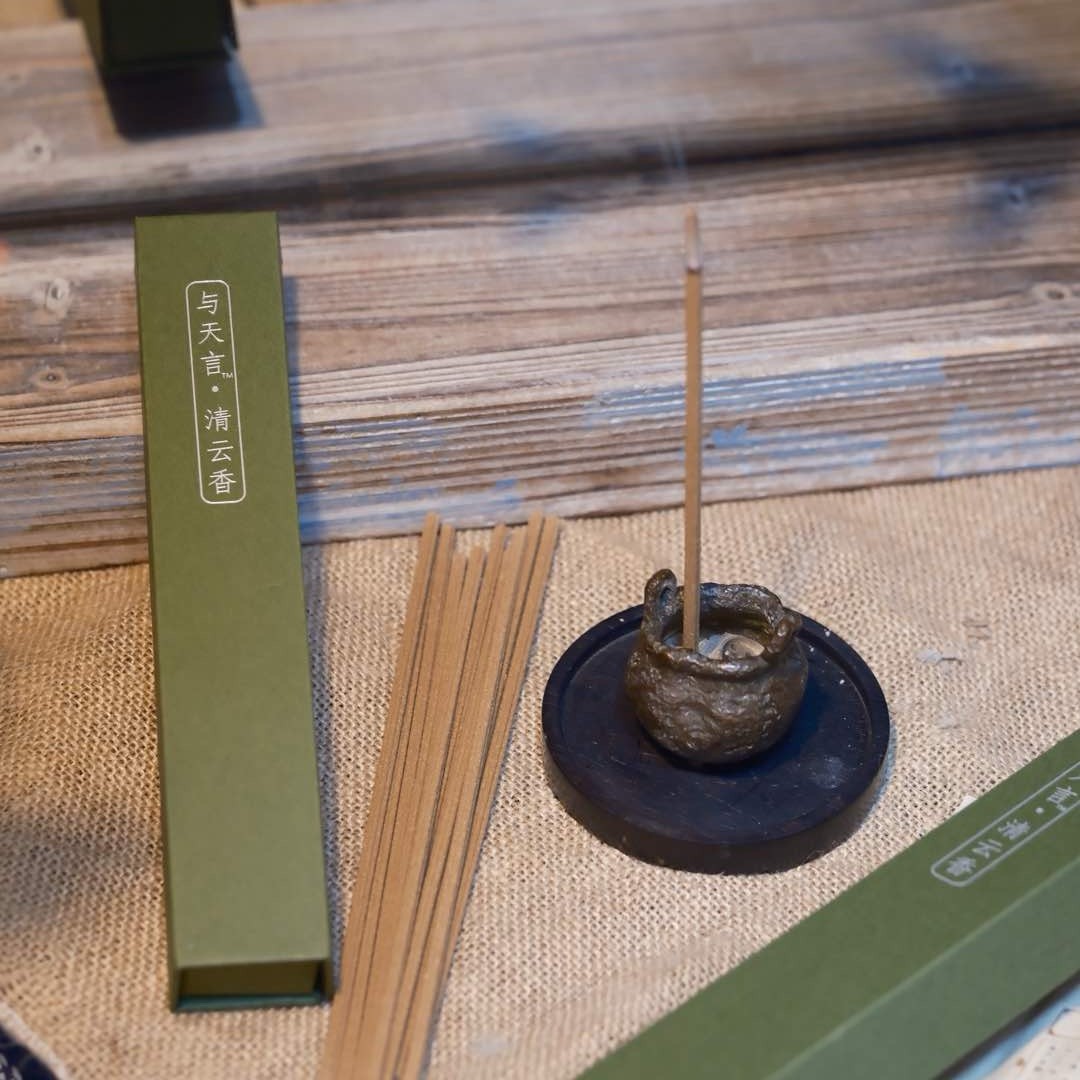
Match Incense to Your Primary Application: Meditation, Cleansing, Focus, and Relaxation
Meditation & Spiritual Grounding: Sandalwood, Frankincense, and Myrrh for Depth and Stillness
For centuries, meditative traditions have relied on grounding resins like sandalwood, frankincense, and myrrh to deepen introspection. Sandalwood’s rich, woody profile stabilizes the mind—making it a top pick for seated practice. Frankincense, long used in spiritual ceremonies, promotes inner calm; a 2023 consumer survey found that 68% of regular incense users associate it with enhanced spiritual awareness. Myrrh’s slightly bitter, earthy aroma cuts through distraction, anchoring awareness in the present. Light a stick or cone 10–15 minutes before sitting—the scent lingers long enough to frame a full session without overwhelming. This trio works reliably even in small, poorly ventilated rooms due to its medium-intensity throw and absence of sharp, synthetic notes. For practitioners seeking an incense for meditation that deepens stillness, these three deliver consistent, additive-free results. Pair them with slow breathing, and the aromatic backdrop becomes a subtle guide inward.
Cleansing & Smudging Rituals: Ethical Alternatives Like Copal and Palo Santo (Avoiding Overharvested White Sage)
Traditional smoke-cleansing rituals needn’t rely on overharvested white sage. Two sustainable substitutes—copal and palo santo—offer comparable purification without ecological harm. Copal resin, derived from trees in the Burseraceae family, releases a crisp, lemony smoke known to clear stagnant energy. Palo santo (“holy wood”) produces a gentle, sweet-woody aroma with documented antimicrobial properties linked to its high limonene content (2021). Always choose wild-harvested, fallen palo santo—not live-cut wood—to ensure ecological integrity. For a simple space-clearing routine, light a copal tablet over charcoal or hold a palo santo stick over flame, then walk the room counter-clockwise. Both burn cooler and lighter than white sage, making them ideal for apartments and shared spaces. A 2022 industry report noted a 45% rise in demand for ethically sourced smudge sticks—a clear shift toward plant-conscious ritual practice.
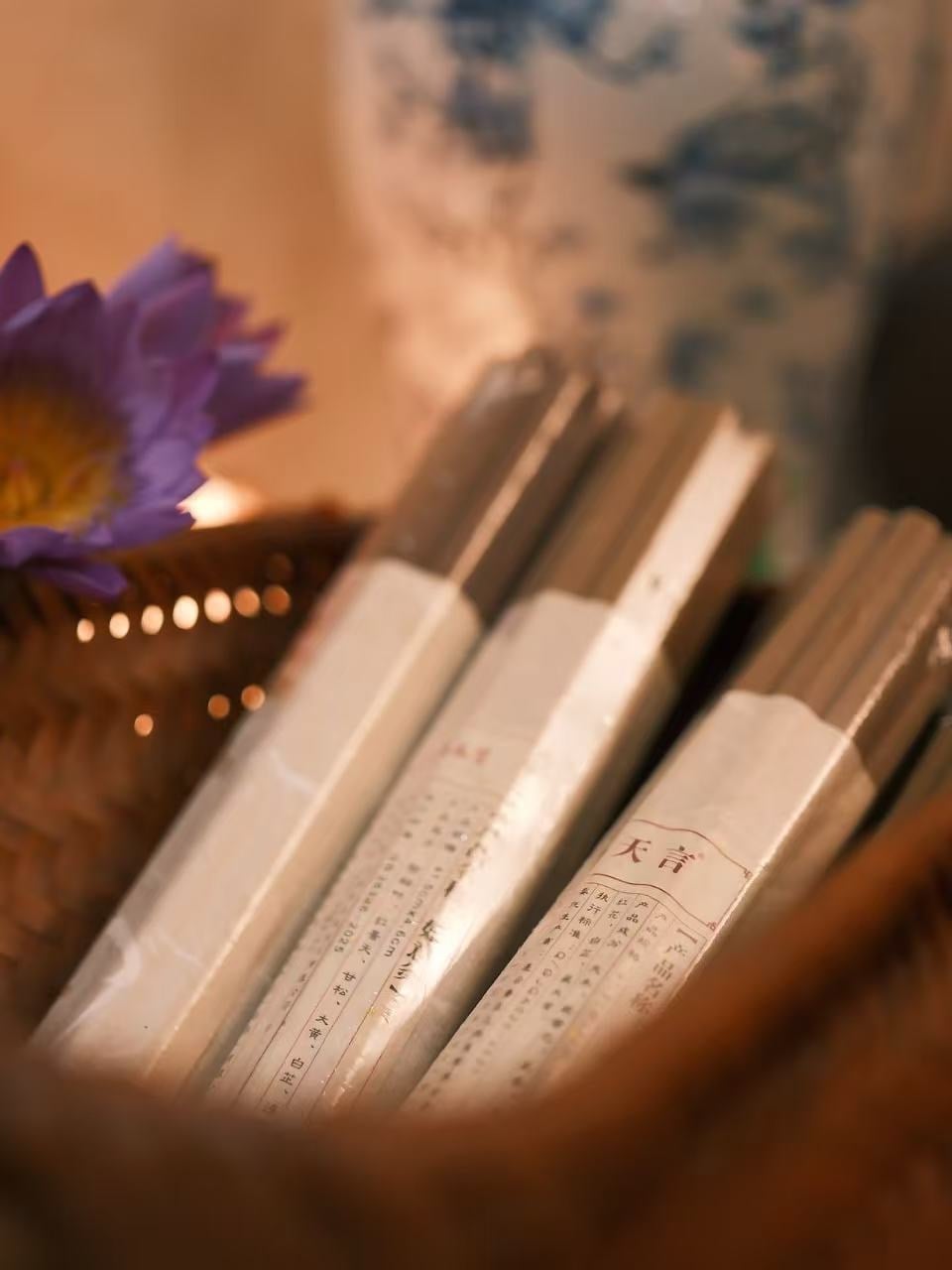
Focus, Clarity & Energy: Citrus, Rosemary, and Peppermint Incense for Mental Acuity
When cognitive tasks demand sharpness, bright, herbaceous incense can lift mental fog. Citrus notes—lemon, orange, bergamot—activate alertness within minutes, supported by a 2020 aromachology paper linking citrus inhalations to improved task accuracy. Rosemary’s camphoraceous kick has been tied to memory retention in controlled lab settings, while peppermint’s menthol boosts perceived energy and reduces subjective effort. Light a citrus-rosemary blend before deep-work sessions—it sets an invigorating backdrop without drowsiness. For afternoon slumps, a few puffs of peppermint incense can rival a coffee break. These scents suit home offices, study nooks, or pre-workout rituals. Because they’re potent, use them in short, 20-minute bursts to avoid olfactory fatigue.
| Incense Type | Primary Benefit | Best Time of Day |
|---|---|---|
| Citrus (lemon) | Uplift & Clarity | Morning |
| Rosemary | Memory Support | Mid-Afternoon |
| Peppermint | Energy & Mental Snap | Pre-Task / Break |
Sleep & Stress Relief: Lavender, Chamomile, and Valerian Incense Supported by Aromatherapy Research
Clinical aromatherapy trials confirm what bedtime ritualists know: floral and root-derived incense accelerates relaxation. Lavender incense lowers heart rate and sympathetic nervous system activity, making it a first-line choice for sleep onset. A 2023 pilot study observed that participants exposed to chamomile-blended smoke fell asleep 14 minutes faster on average. Valerian, though earthy and acquired in taste, supports GABA modulation—quieting nervous chatter at the neurological level. Burn a low-smoke lavender cone 30 minutes before bed, paired with dim lighting and screen-free wind-down. For stress reduction, smolder a chamomile-valerian mix during evening self-care. Unlike synthetics, these natural incense options rarely trigger next-day grogginess. For best results, select hand-rolled sticks with visible flower or root particles—such blends retain more of the plant’s active volatile compounds. A reliable incense for stress relief should calm the nervous system without masking the day’s residue—and these botanicals excel at that gentle reset.
Choose the Optimal Incense Form for Your Use Case and Environment
Incense Sticks: Ideal for Daily Home Ambience and Consistent, Low-Maintenance Burn
Incense sticks remain the most familiar form for everyday use. Their pre-measured bamboo core or solid paste ensures a uniform, slow burn that releases a steady, predictable scent. A single stick typically burns for 30 to 45 minutes—ideal for background fragrance during work, reading, or casual relaxation. The low-maintenance nature appeals to beginners: light the tip, blow out the flame, and let the glowing ember do the rest. Many manufacturers now offer charcoal-free, low-smoke options that reduce indoor particulate load. For daily incense rituals, a quality stick delivers consistent aroma without demanding constant attention.
Resins and Powders: Highest Potency for Ceremonial Purification and Custom Aromatherapy Blends
Pure incense resins—like frankincense, myrrh, and ethical copal—offer unmatched aromatic intensity. These raw materials contain no fillers or binders, so their smoke is dense and rich. A small piece placed on a hot charcoal disc fills a room with potent fragrance within seconds. This method suits deep cleansing ceremonies, meditation intensives, and personalized aromatherapy sessions because the user controls the blend. The trade-off is a steeper learning curve and the need for charcoal, tongs, and a heat-safe burner. Resin incense rewards precision by letting you craft signature scent profiles for specific spiritual or emotional intentions.
Cones and Loose Blends: Balanced Intensity and Versatility for Short Rituals or Small Spaces
Cone incense and loose herbal blends strike a middle ground between stick convenience and resin potency. A cone burns quickly—typically 10 to 15 minutes—and produces a strong burst of aroma that fills a compact room rapidly. This makes cones ideal for brief grounding rituals, desk-side focus sessions, or a swift sensory reset. Loose herbal incense blends, placed on a charcoal or electric warmer, offer similar versatility with greater control over composition. While the burn is less uniform than a stick and shorter than resin smoldering, the format suits anyone seeking a quick, smoke-forward experience in limited spaces.
Prioritize Ingredient Integrity: Natural Scent Profiles, Ethical Sourcing, and Transparency
The foundation of a truly beneficial incense experience lies in ingredient integrity. Incense marketed as “natural” should derive its aroma from genuine plant materials—resins, woods, herbs, and flowers—not synthetic fragrance oils or petrochemical-based binders. Full disclosure of all components—including binder and combustion aid—separates transparent makers from those hiding behind vague terms like “fragrance” or “proprietary blend.” When you burn incense, you inhale everything released in smoke—so clarity about each element is a direct health consideration.
Ethical sourcing is equally critical. Classic resinous materials like frankincense and sandalwood face overharvesting pressure. Choose incense from suppliers who verify sustainable harvesting and fair-trade practices—look for supply-chain traceability confirming protected species are excluded and local communities benefit. Third-party certifications—such as Fair Trade or sustainable forestry seals—provide credible proof. Without this transparency, the ritual of cleansing or meditation risks supporting destructive practices, undercutting the very mindfulness it is meant to cultivate.
Optimize Practical Performance: Burn Time, Scent Throw, and Allergen-Safe Formulations
Practical performance factors—burn duration, scent diffusion, and allergen safety—directly shape how well incense fulfills its intended purpose. Selecting an incense form based on these metrics ensures a consistent, comfortable experience.
| Form | Typical Burn Time | Scent Throw | Best Used For |
|---|---|---|---|
| Stick | 45–60 minutes | Moderate, even dispersal | Daily ambient fragrance in living spaces |
| Cone | 15–25 minutes | Intense, localized | Short rituals or small rooms |
| Resin | 30–60+ minutes (with charcoal) | Strong, long-range | Ceremonial purification or large areas |
Scent throw depends not only on form but also on placement—burning near an open window or air vent disperses fragrance quickly, while a still corner allows it to linger. For larger rooms, sticks or resins generally outperform cones.
Allergen-safe formulations are equally important. Incense can release volatile organic compounds and potential irritants—especially when synthetic fragrances or low-grade binders are used. Look for products made with pure essential oils and natural binders, ideally with explicit hypoallergenic or allergen-free labeling. Industry standards like the IFRA (International Fragrance Association) code of practice help identify safer aromatic compounds, and many responsible manufacturers now follow these guidelines to minimize common respiratory and skin sensitizers. Prioritizing such transparently formulated incense reduces the risk of headaches, sneezing, or other reactions—making the sensory experience enjoyable for everyone sharing the space.
FAQ
What are the best incense types for meditation?
Grounding resins like sandalwood, frankincense, and myrrh are excellent for meditation, providing depth and stillness.
Are there sustainable alternatives to white sage for cleansing?
Yes, copal and ethically sourced palo santo are viable and environmentally friendly substitutes.
Which incense options help improve focus and clarity?
Citrus, rosemary, and peppermint incense are great for enhancing mental acuity.
What incense is best for sleep and stress relief?
Lavender, chamomile, and valerian incense are top choices for relaxation and better sleep.
How do I choose an incense form for my space?
Sticks are best for daily use, resins for ceremonial purposes, and cones for short, intense rituals or small rooms.
What should I look for in high-quality incense?
Opt for natural ingredients, ethical sourcing, and allergen-safe formulations with full transparency about components.
Table of Contents
-
Match Incense to Your Primary Application: Meditation, Cleansing, Focus, and Relaxation
- Meditation & Spiritual Grounding: Sandalwood, Frankincense, and Myrrh for Depth and Stillness
- Cleansing & Smudging Rituals: Ethical Alternatives Like Copal and Palo Santo (Avoiding Overharvested White Sage)
- Focus, Clarity & Energy: Citrus, Rosemary, and Peppermint Incense for Mental Acuity
- Sleep & Stress Relief: Lavender, Chamomile, and Valerian Incense Supported by Aromatherapy Research
- Choose the Optimal Incense Form for Your Use Case and Environment
- Prioritize Ingredient Integrity: Natural Scent Profiles, Ethical Sourcing, and Transparency
- Optimize Practical Performance: Burn Time, Scent Throw, and Allergen-Safe Formulations
- FAQ