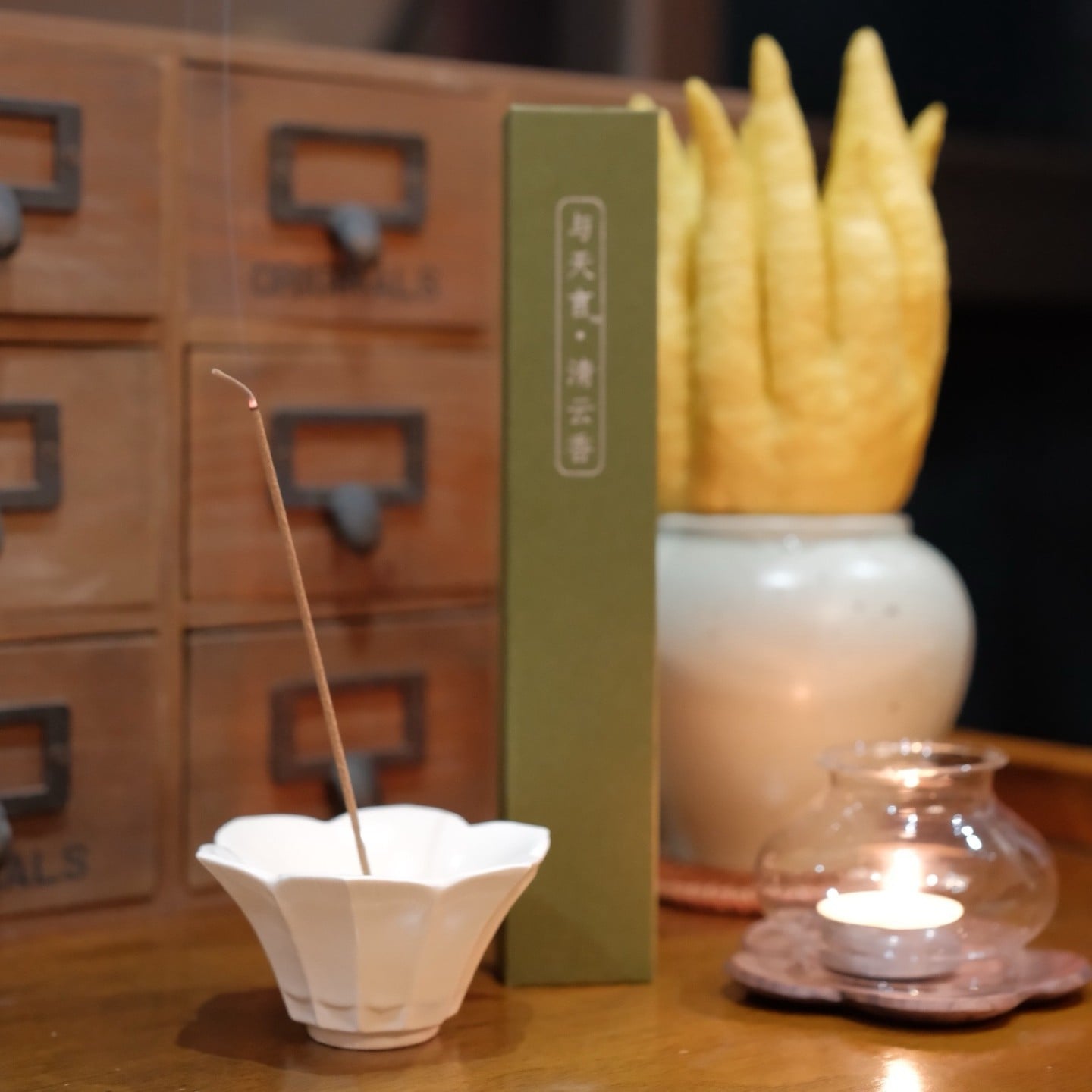
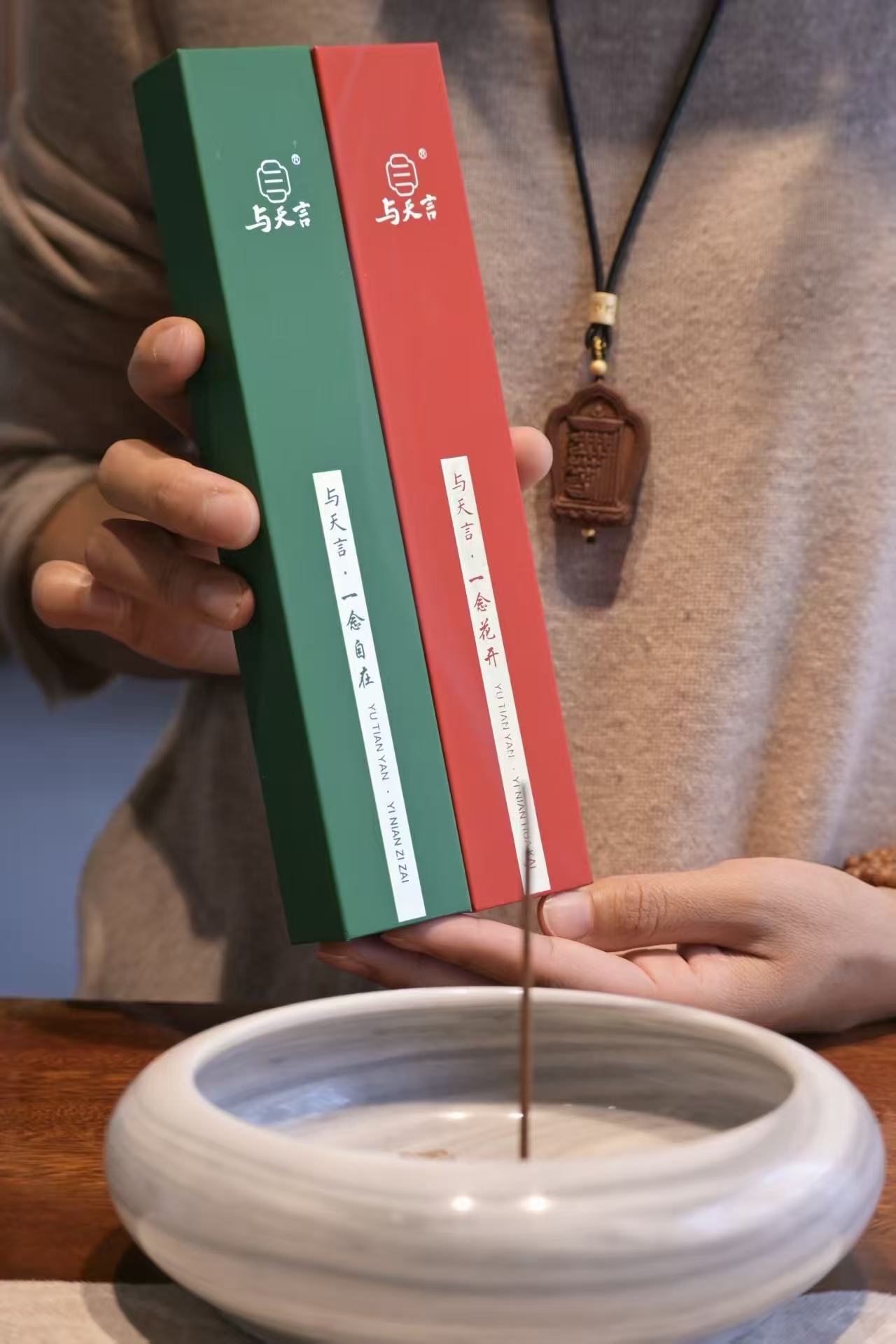
Sandalwood Aroma Incense for B2B Wholesale & Private Label

Get a Free Quote

Our representative will contact you soon.
Email
Mobile/WhatsApp
Name
Company Name
Message
0/1000
Sandalwood Aroma Incense for Wholesale and Private Label Buyers

Sandalwood Aroma Incense for Wholesale and Private Label Buyers

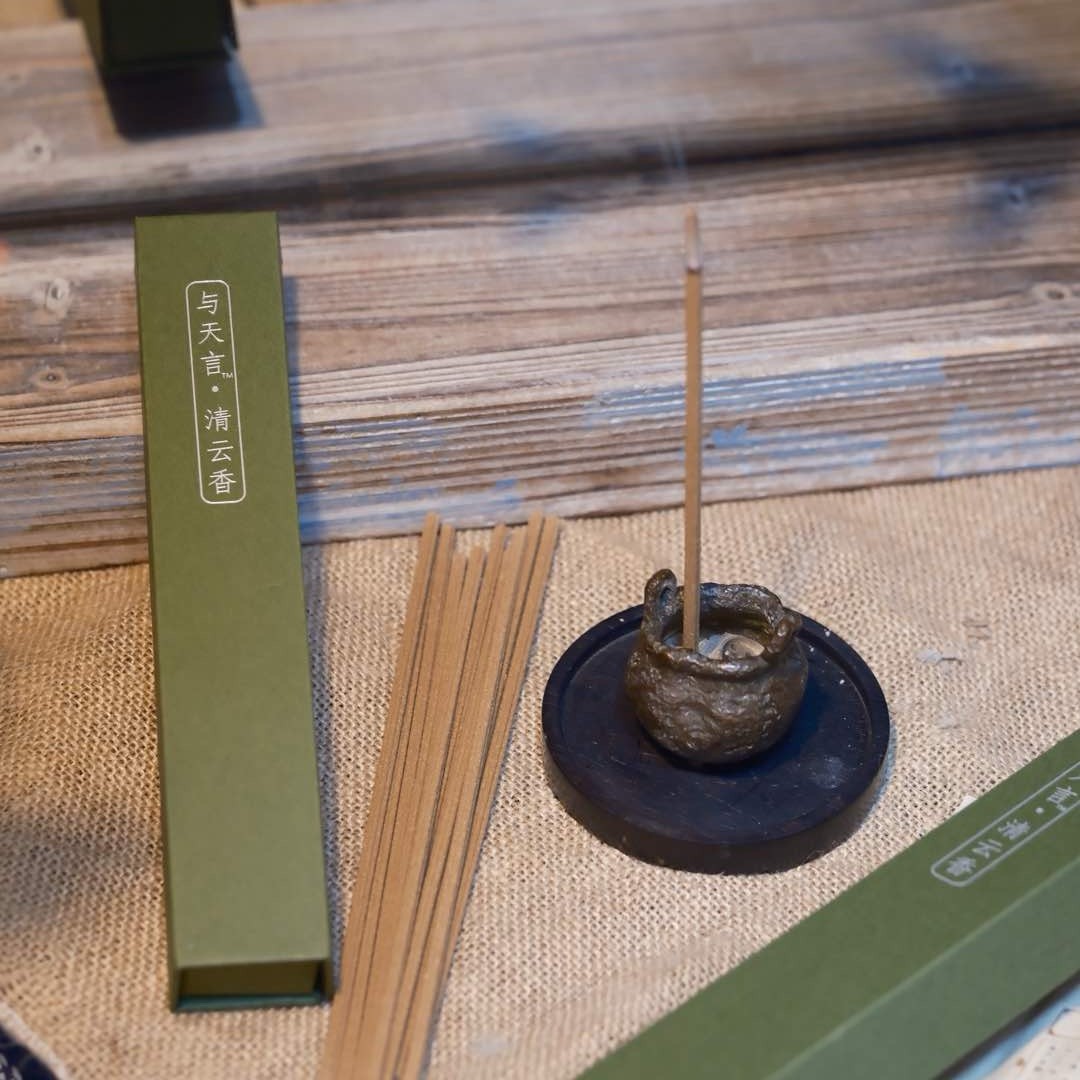
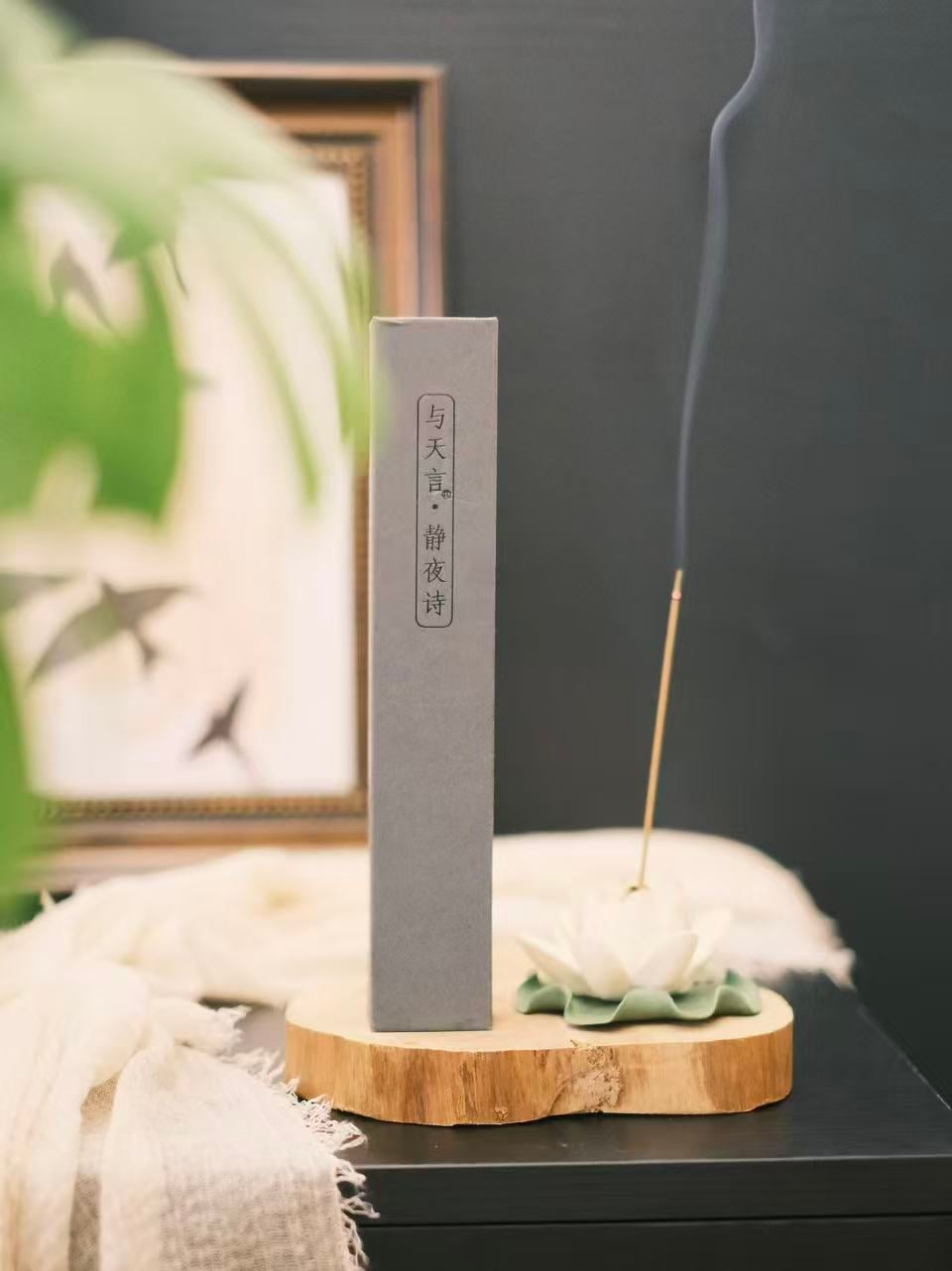
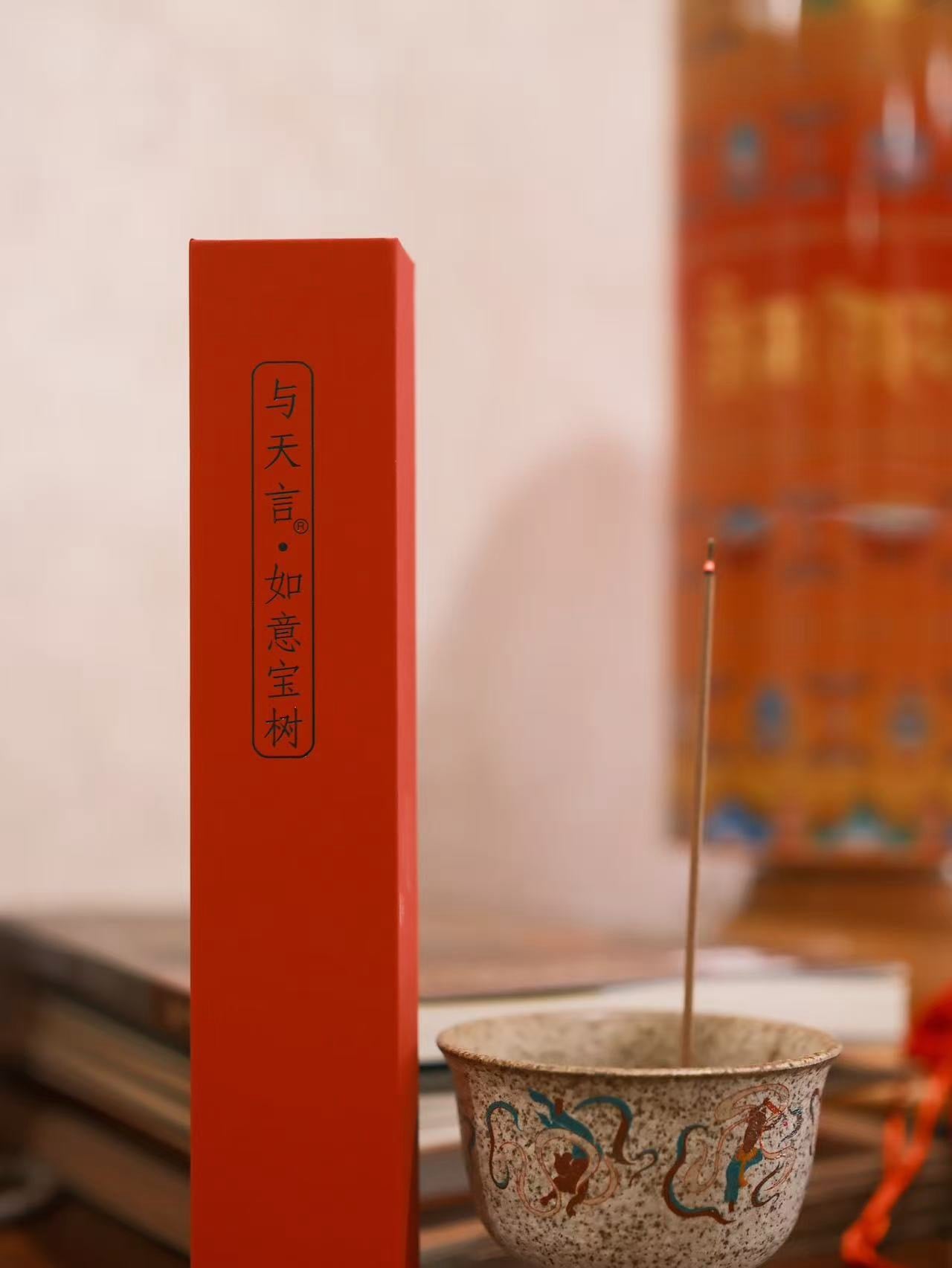
Sandalwood aroma incense is a popular option for businesses developing traditional fragrance collections, meditation accessories, home fragrance products, and specialty gifts. Its warm, woody scent profile can complement floral, herbal, and resinous aromas across different retail assortments. For wholesalers, distributors, and private label brands, product selection should consider fragrance consistency, incense format, packaging specifications, and target customer preferences. For example, a wellness retailer may combine sandalwood-inspired incense with lavender and herbal varieties to create a broader aromatic collection. Sample evaluation and clear product specifications help purchasing teams compare available options before ordering. Buyers should confirm ingredients, formulation details, and manufacturing capabilities directly with the supplier.
Get A Quote

Case Study

Sandalwood Incense for Home Fragrance Retailers

A home fragrance retailer wanted to expand its assortment with warm, woody incense fragrances suited to everyday home environments. Sandalwood aroma incense was considered alongside floral and herbal products to offer customers more variety. The purchasing team evaluated fragrance characteristics, packaging presentation, and product specifications before choosing suitable options. This process helped clarify the retailer's assortment priorities and purchasing requirements. Businesses planning similar collections can benefit from comparing samples and organizing products by scent family. Confirming available formats, ingredients, and wholesale quantities before ordering also helps retailers prepare accurate catalog descriptions and make more informed purchasing decisions.

Private Label Sandalwood Incense Development

A growing wellness brand planned to introduce sandalwood-inspired incense under its own label. The project focused on fragrance preferences, coordinated packaging, product specifications, and suitability for the intended customer base. The team reviewed sample options and discussed how the incense would fit alongside existing meditation and relaxation products. Establishing requirements early helped organize the development process and identify details requiring supplier confirmation. For private label projects, buyers should clarify formulation availability, minimum order quantities, packaging design, labeling, and production schedules before approving an order. A structured approach helps businesses coordinate product development with commercial and marketing objectives.

Wholesale Sandalwood Incense for Distributors

A distributor supplying specialty retailers wanted to strengthen its traditional incense category with a recognizable woody fragrance. Sandalwood aroma incense offered a potential addition to a broader collection featuring resinous, floral, and herbal profiles. The purchasing team reviewed available formats, packaging requirements, order quantities, and delivery arrangements to assess sourcing suitability. Organizing these requirements before requesting quotations made supplier comparisons more straightforward. Distributors facing similar decisions can evaluate samples and confirm product specifications to determine which options best fit their customer base. Verifying ingredient information and supplier capabilities before bulk purchasing supports clearer product positioning and more organized inventory planning.

Related products

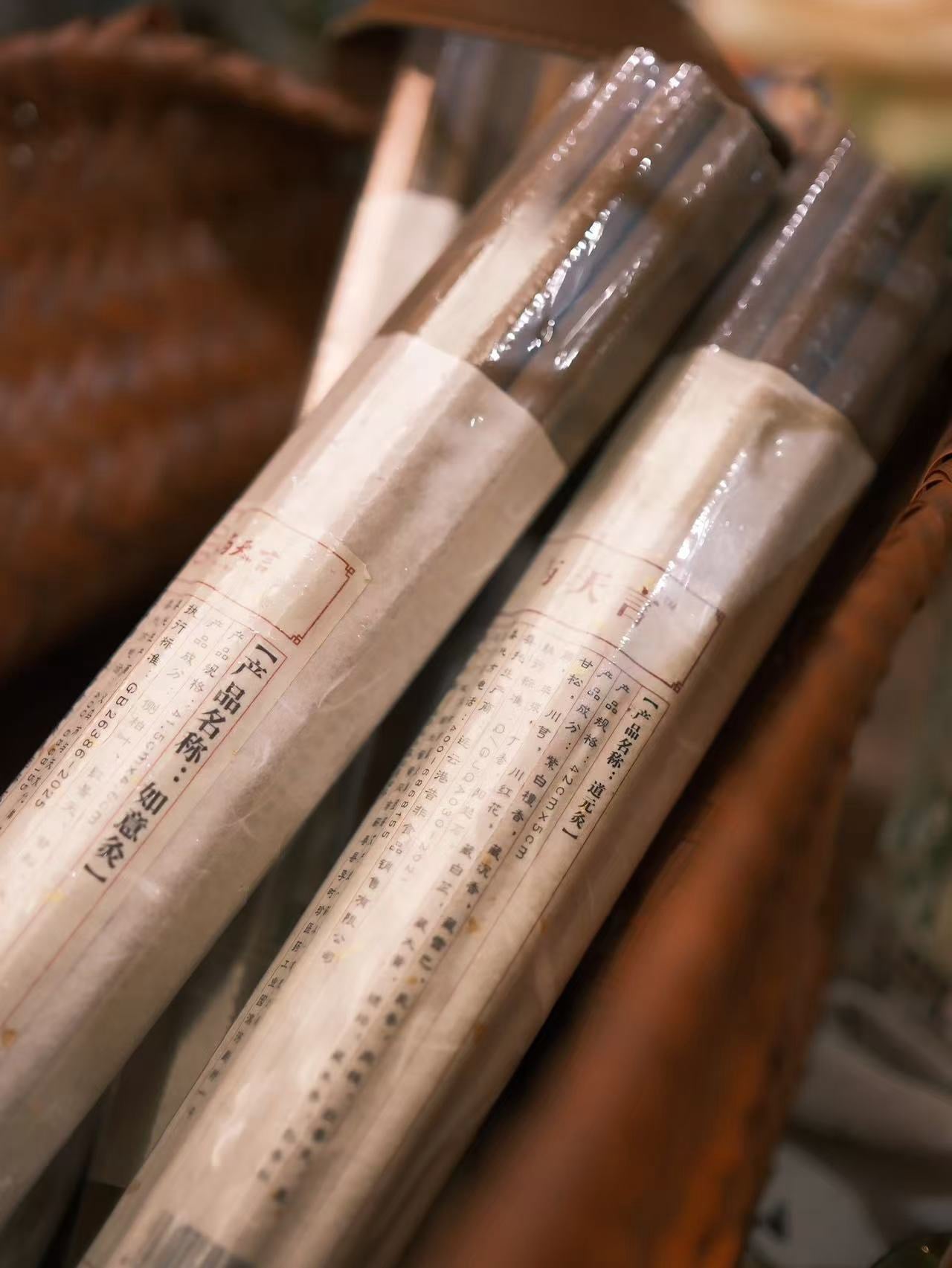
Sandalwood aroma incense is valued for its characteristic warm, woody fragrance, making it a relevant choice for traditional incense collections, home fragrance retail, meditation accessories, and specialty gift assortments. Commercial products can differ in formulation, fragrance concentration, incense format, and raw material composition. Some products contain sandalwood ingredients, while others use fragrance blends designed to reproduce a sandalwood-inspired scent. Buyers should verify these distinctions when evaluating product descriptions and ingredient information. For international wholesale sourcing, important considerations include fragrance consistency, burning performance, packaging integrity, quality-control procedures, and relevant product documentation. Requesting samples allows purchasing teams to assess scent characteristics and product suitability before placing larger orders. Private label buyers should also discuss available formulations, packaging customization, minimum order quantities, labeling requirements, and production schedules directly with the supplier. YTNatural's current sandalwood incense range and manufacturing capabilities should be confirmed with the company before selecting specific products. Clear specifications help businesses build a suitable product assortment and communicate accurate information to customers across their target markets.

Frequently Asked Questions

What does sandalwood aroma incense smell like?

Sandalwood aroma incense typically features a warm, woody, smooth, and sometimes creamy fragrance profile. The precise scent depends on the formulation, ingredients, and manufacturing method. Buyers should request samples when available to evaluate fragrance characteristics and confirm whether the product matches their target customers' preferences.
Sandalwood aroma incense can suit traditional fragrance collections, home fragrance retail, meditation accessories, and specialty gift products. Its warm woody profile can complement other aromatic varieties in a retail assortment. Businesses should choose products according to customer preferences and describe their intended uses accurately.
Wholesale availability depends on the supplier's current product range and order policies. Contact the supplier to confirm minimum order quantities, available fragrances, packaging options, sample availability, and delivery schedules. These details help distributors and retailers assess whether a product meets their purchasing requirements.
Customization may be available depending on the manufacturer's capabilities. Buyers should discuss fragrance formulations, product formats, packaging design, labeling, minimum quantities, and sample approval procedures. Confirming production timelines and ingredient disclosure requirements before ordering helps coordinate product development and market preparation.
Buyers should review ingredient composition, fragrance consistency, burning characteristics, packaging quality, and relevant safety documentation. Confirm whether the product contains sandalwood-derived ingredients or uses a fragrance blend. Incense should be burned in a ventilated space and never left unattended.

Related article

Why Do Consumers Choose Handmade Incense Over Machine-Made Products?

18

Sep

Why Do Consumers Choose Handmade Incense Over Machine-Made Products?

Emotional Resonance and Ritual Significance of Handmade Incense Deepening Mindfulness and Intention Through Ritual Use Unlike mass-produced alternatives, handmade incense serves as a tactile anchor for mindfulness practice. The deliberate act of se...
View More
What Defines High-Quality Handmade Incense?

21

Sep

What Defines High-Quality Handmade Incense?

Ingredient Purity: The Non-Negotiable Foundation of Handmade Incense Natural Plant Matter vs. Synthetic Fragrances: Safety, Authenticity, and Regulatory Gaps What truly separates authentic handmade incense from machine-made alternatives begins with...
View More
How to Choose the Right Incense for Different Applications?

23

Sep

How to Choose the Right Incense for Different Applications?

Match Incense to Your Primary Application: Meditation, Cleansing, Focus, and Relaxation Meditation & Spiritual Grounding: Sandalwood, Frankincense, and Myrrh for Depth and Stillness For centuries, meditative traditions have relied on grounding resi...
View More
What Makes Handmade Incense Different from Machine-Made Incense?

28

Sep

What Makes Handmade Incense Different from Machine-Made Incense?

The Core Difference: Craftsmanship vs. Automation in Production The production philosophy dividing handmade incense from machine-made incense fundamentally determines everything from ingredient purity to aroma depth. Where the artisan relies on sen...
View More

Customer Testimonials

Michael Turner

We wanted warm, woody incense fragrances for our retail range. The product selection process helped us compare scent profiles, confirm specifications, and plan a more consistent assortment for our customers.

Sarah Mitchell

Our team explored sandalwood-inspired incense for a new product collection. Discussions about packaging, fragrance preferences, and wholesale requirements helped us organize the project more efficiently.

Get a Free Quote

Our representative will contact you soon.
Email
Mobile/WhatsApp
Name
Company Name
Message
0/1000
Warm Woody Fragrance for Versatile Collections

Warm Woody Fragrance for Versatile Collections

Sandalwood-inspired incense provides a distinctive woody fragrance direction for businesses developing traditional aromatic collections. Its warm scent profile can complement floral, herbal, and resinous products, allowing retailers to build a more varied assortment. For example, a specialty store may group sandalwood incense with other traditional fragrances to help customers compare different aromatic styles. Buyers should confirm the actual formulation because products marketed as sandalwood aroma incense may use different ingredients or fragrance blends. Sample evaluation helps purchasing teams compare scent characteristics, burning performance, and consistency. This process supports better assortment planning and more accurate product descriptions for retailers, distributors, and private label brands.
Flexible Wholesale and Private Label Opportunities

Flexible Wholesale and Private Label Opportunities

Wholesale customers often need sourcing options that fit their specific distribution models and brand requirements. Sandalwood aroma incense may be evaluated for ready-to-sell retail collections, distributor catalogs, wellness product ranges, or customized private label projects. Depending on supplier capabilities, buyers can discuss packaging formats, product specifications, labeling, and order quantities. For example, an emerging fragrance brand may assess samples before finalizing its package design and purchasing plan. Confirming minimum order quantities, production schedules, formulation availability, and quality requirements early helps reduce avoidable revisions. Clear communication supports more efficient supplier comparisons and helps businesses coordinate product development with inventory and marketing plans.