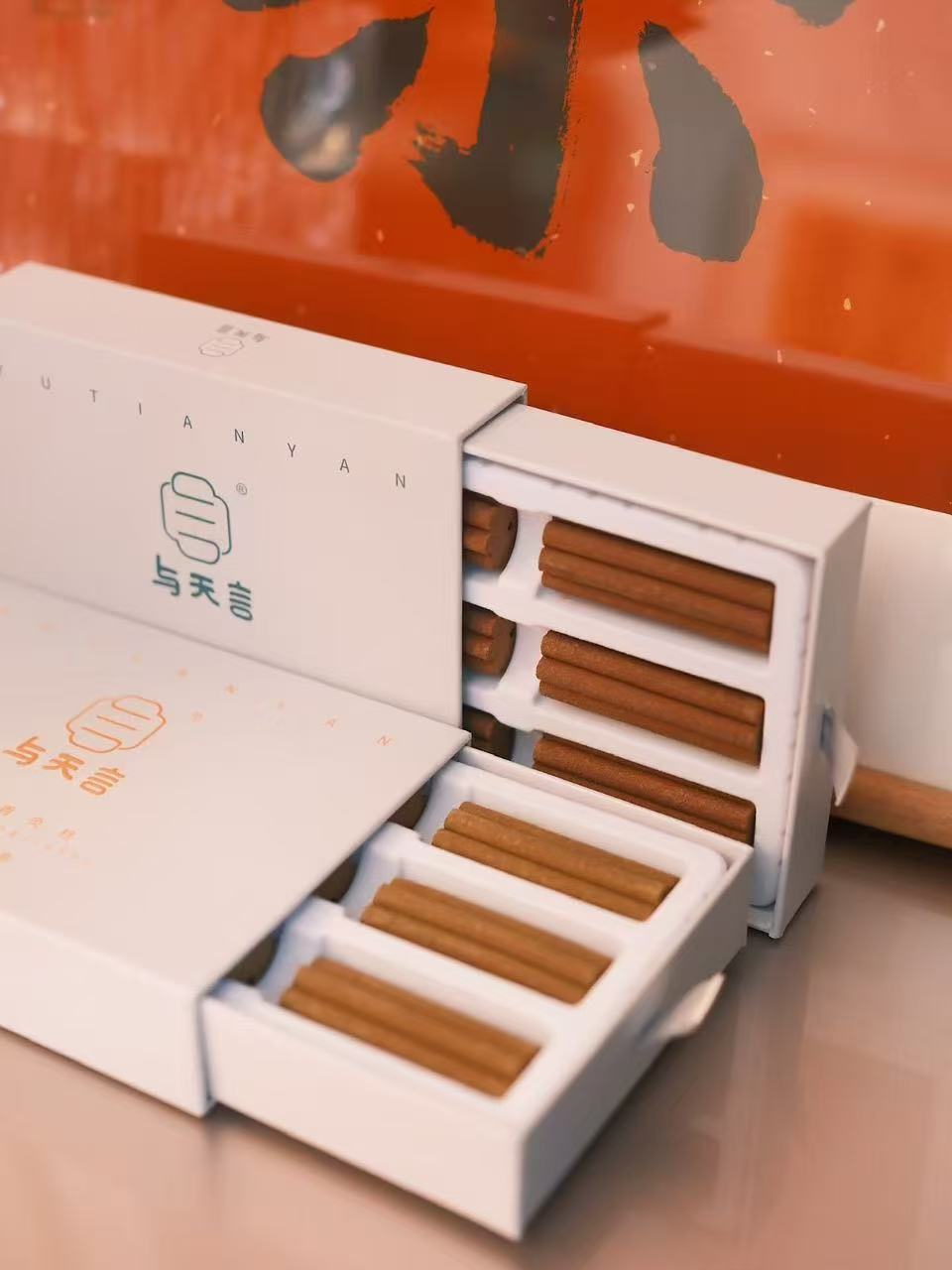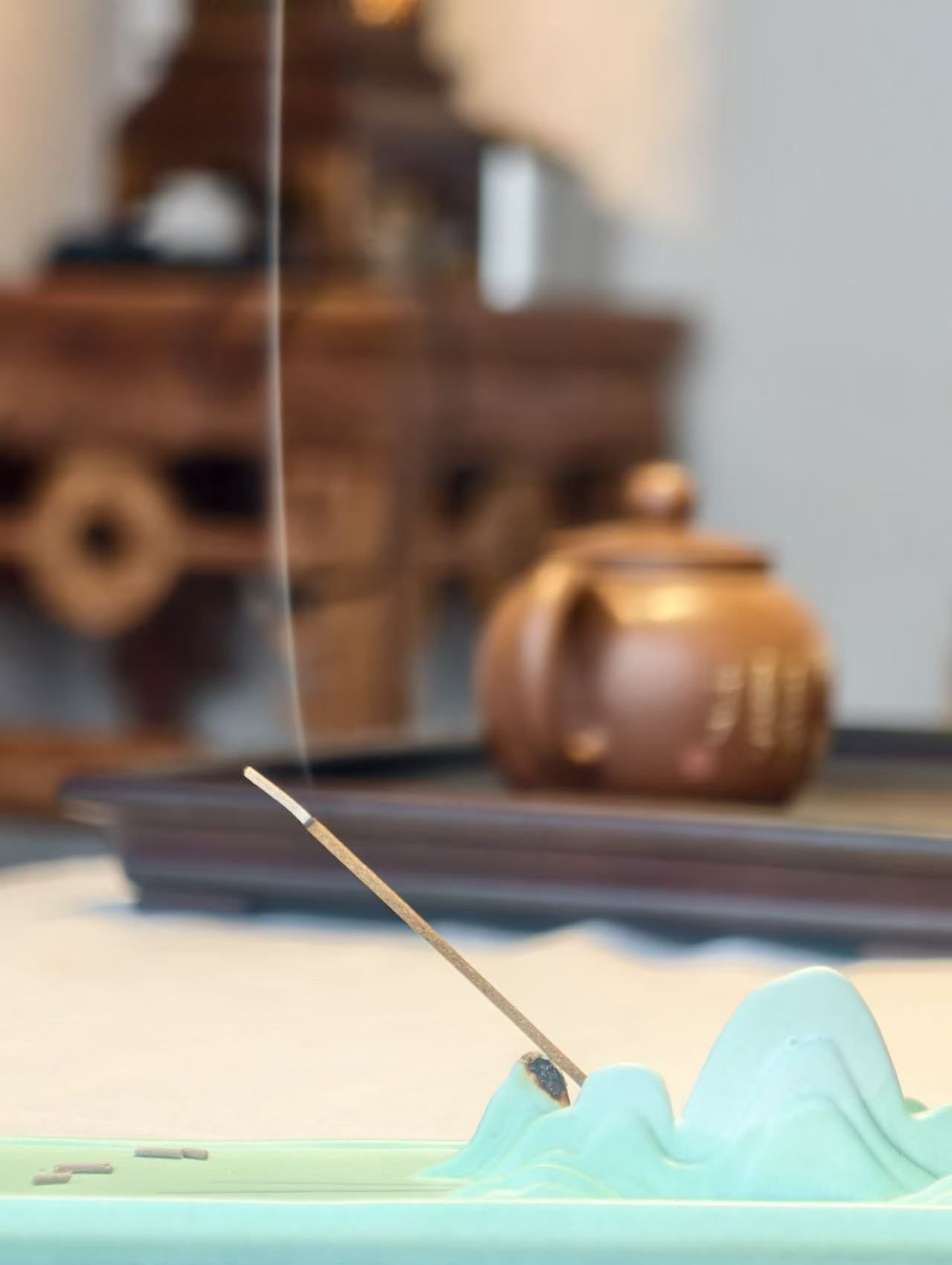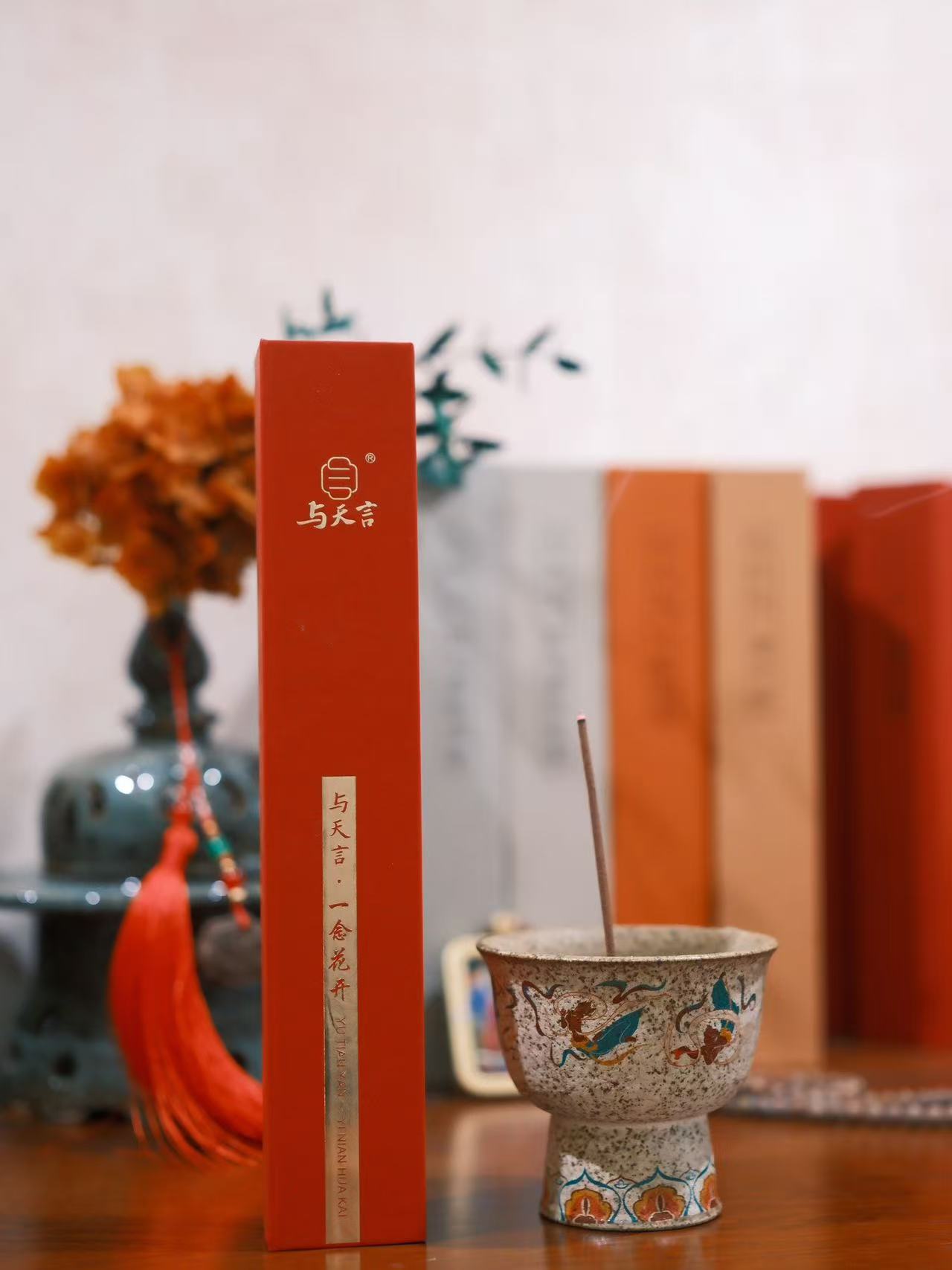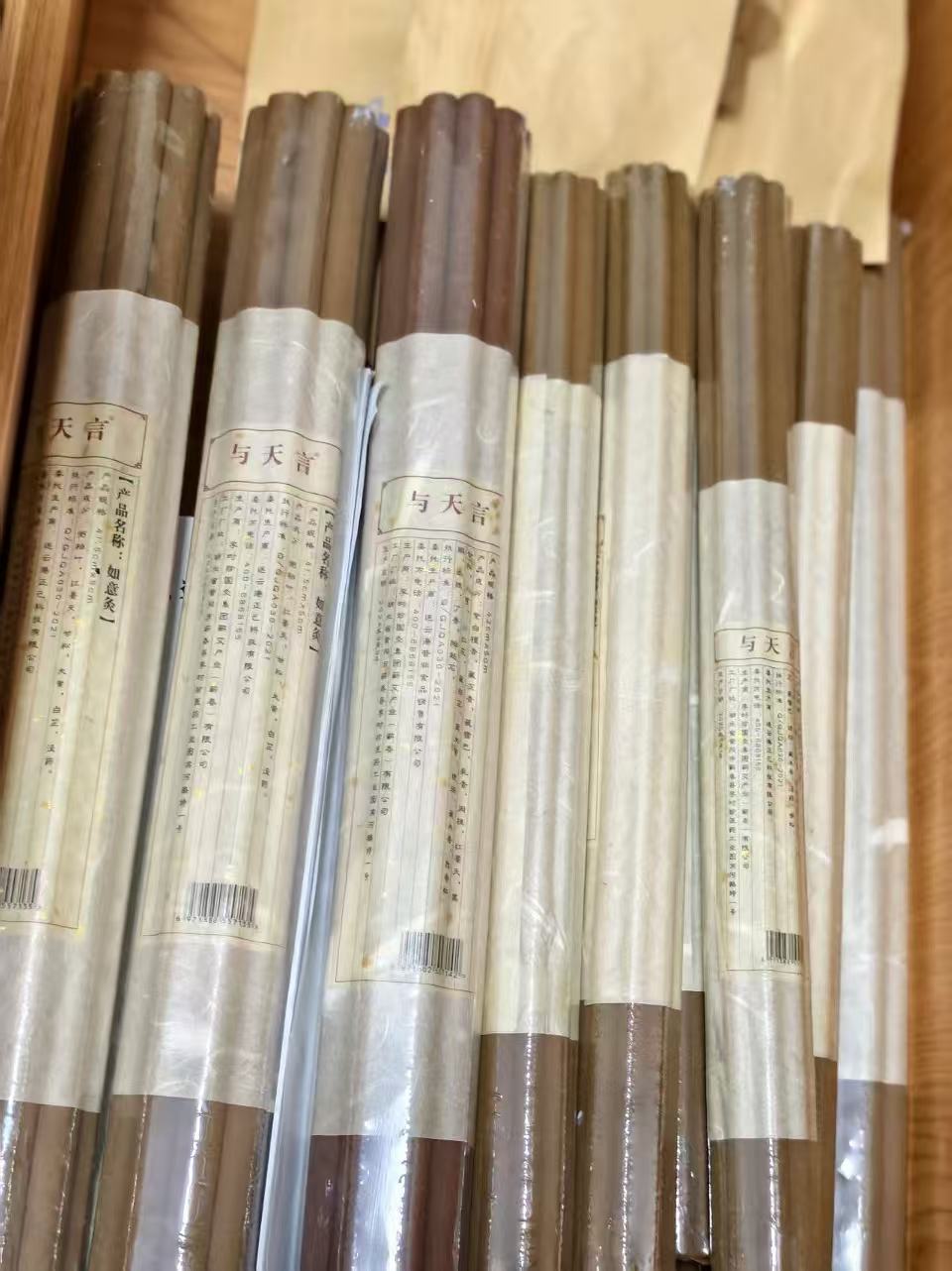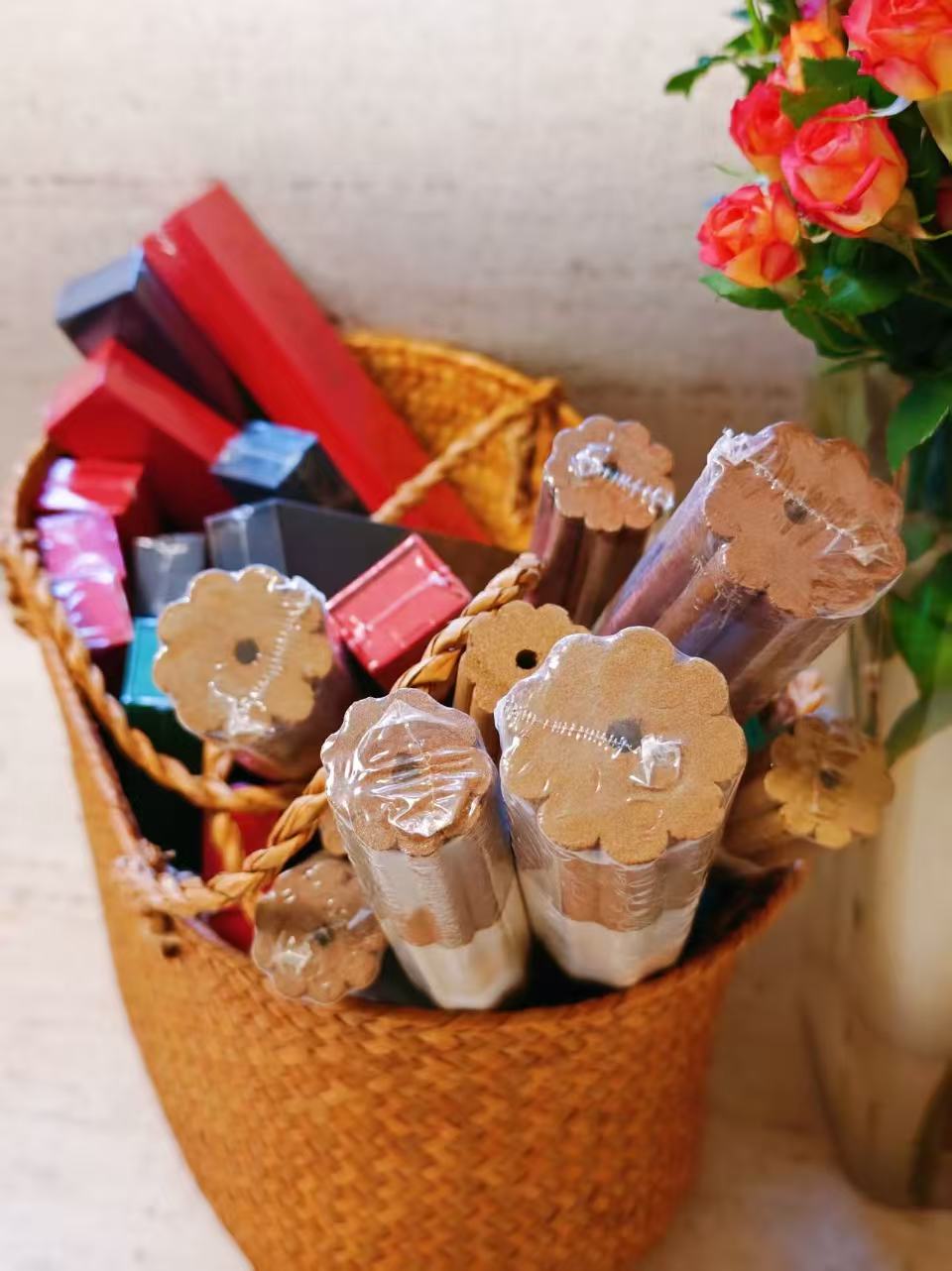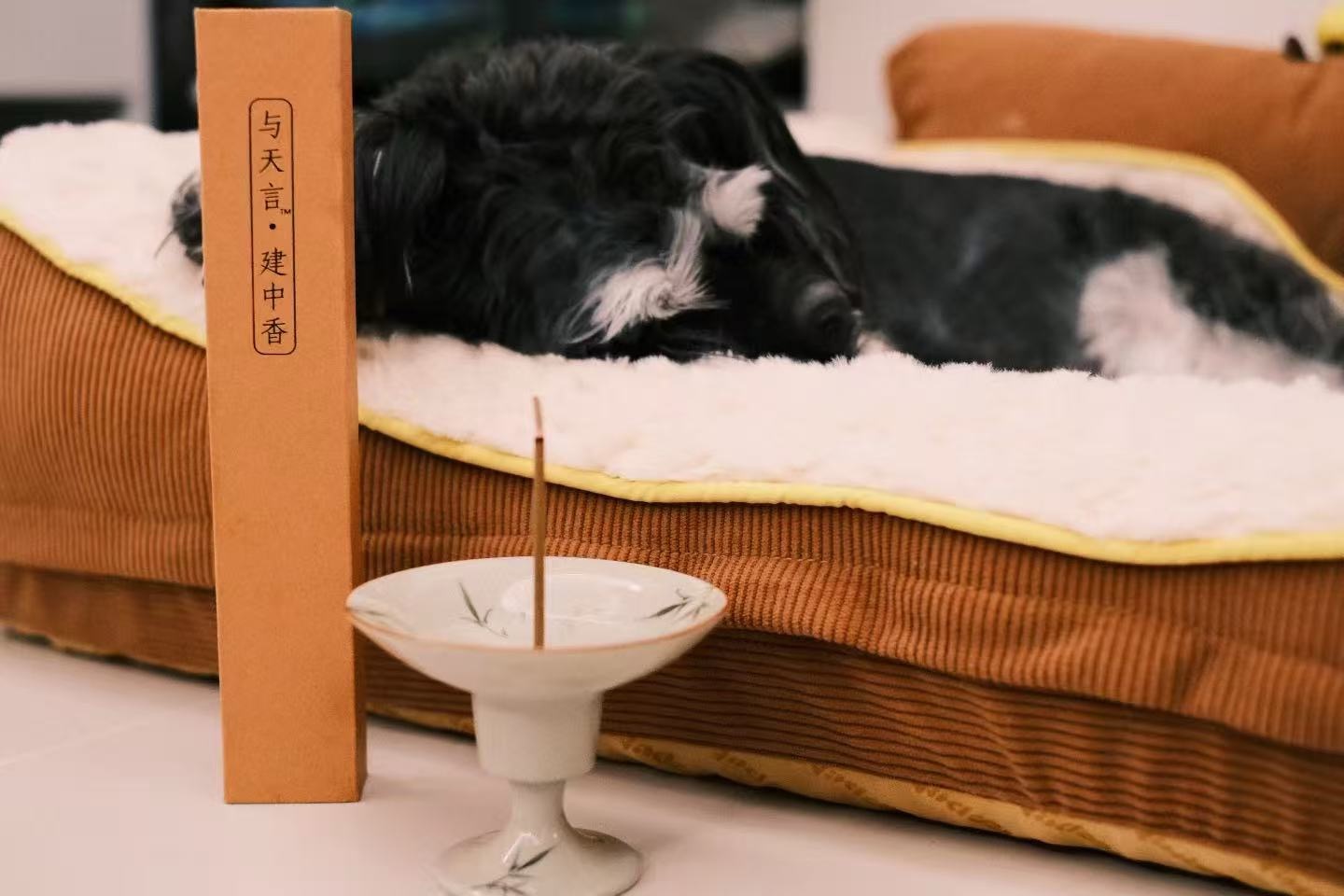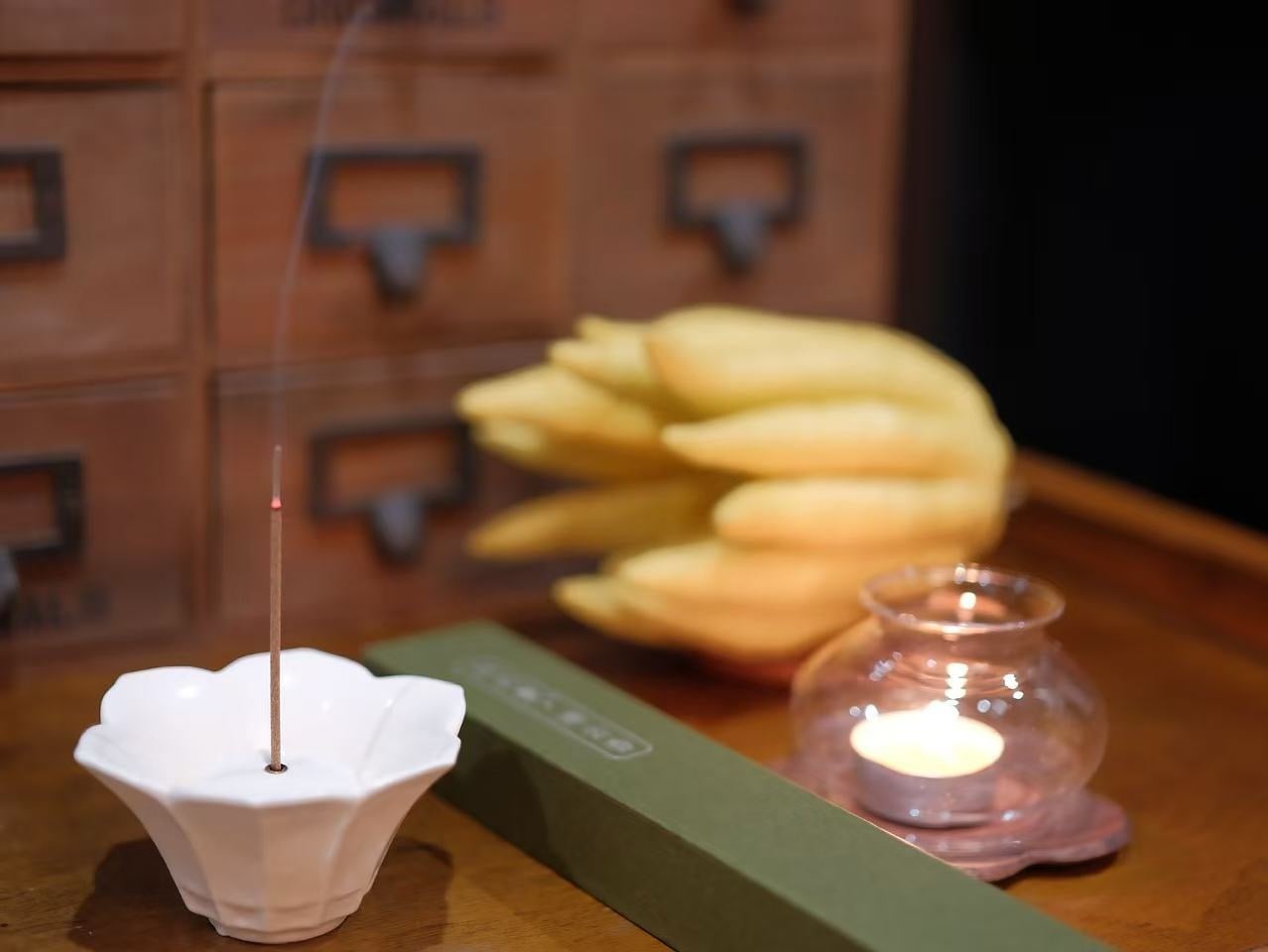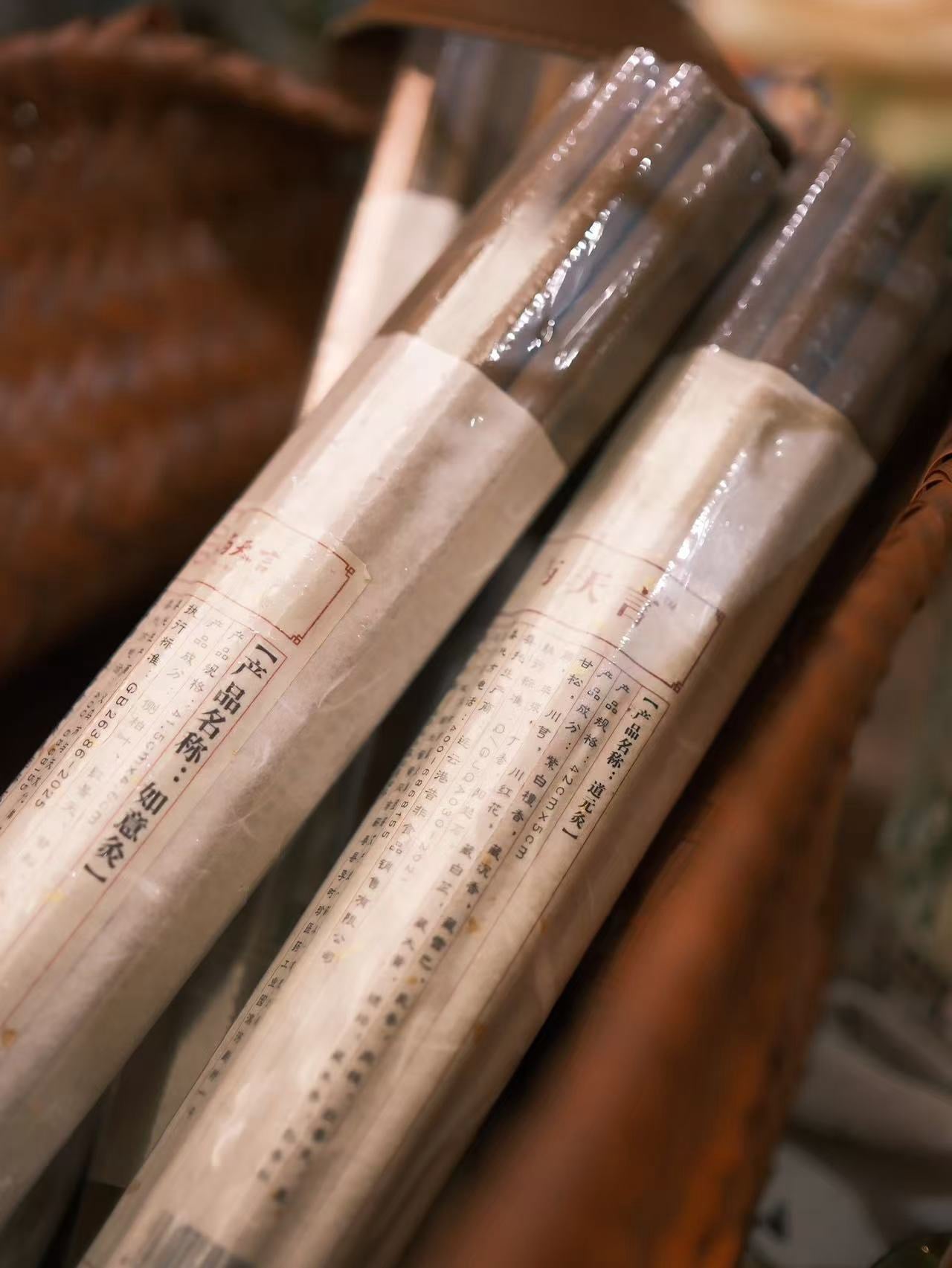

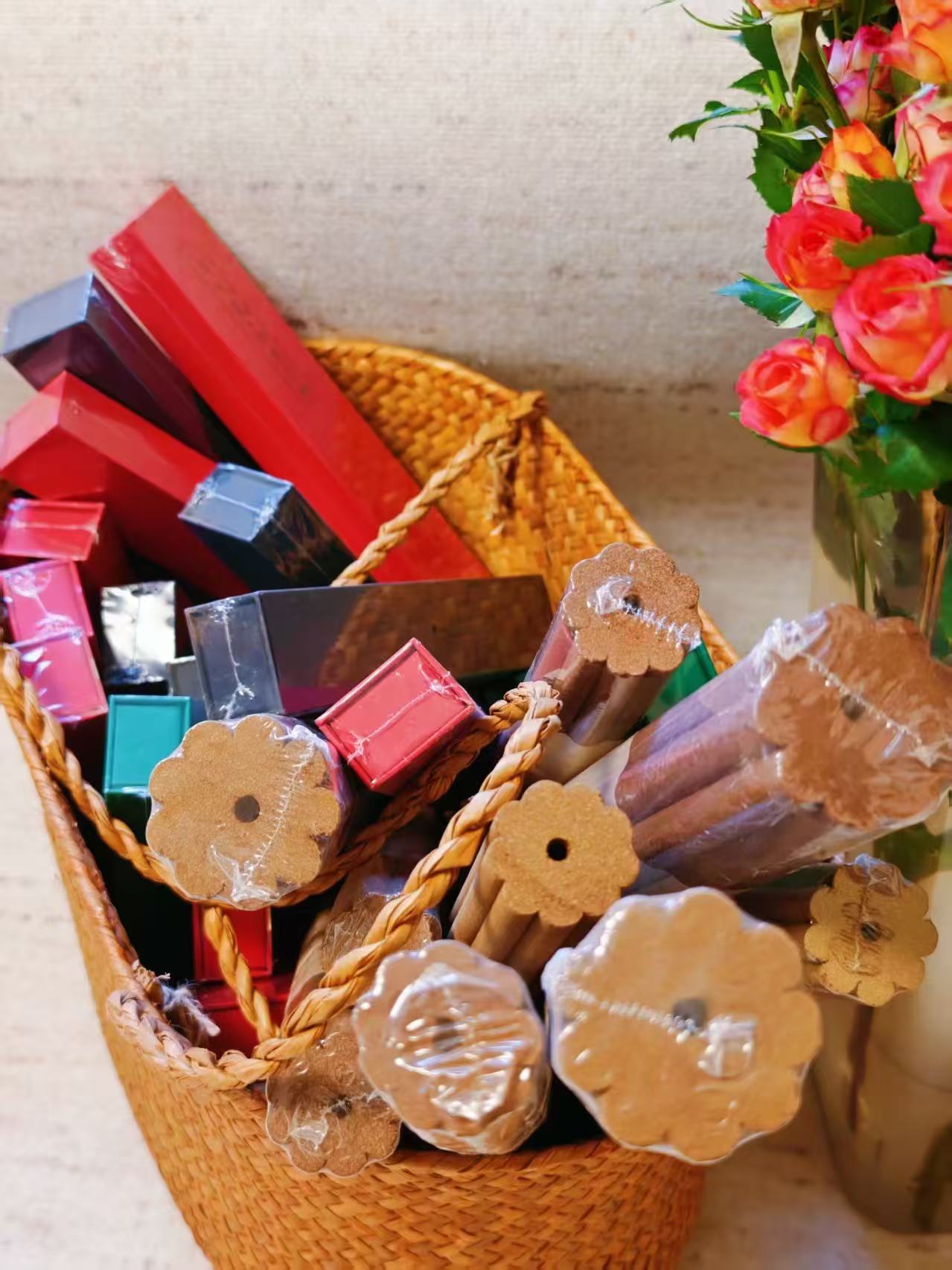
Incense Sticks Importer: Reliable Wholesale Sourcing

Get a Free Quote

Our representative will contact you soon.
Email
Mobile/WhatsApp
Name
Company Name
Message
0/1000
Reliable Incense Sourcing for International Importers

Reliable Incense Sourcing for International Importers

Importing incense sticks successfully requires dependable suppliers, consistent product specifications, and clear communication throughout the purchasing process. YT Natural supports business buyers exploring incense products for wholesale distribution, retail stores, private-label brands, and wellness markets. Importers can discuss fragrance preferences, packaging formats, order quantities, and destination-specific requirements before confirming a purchase. For example, a home fragrance importer may develop a product assortment featuring sandalwood, floral, and herbal fragrances to serve different retail segments. Careful supplier evaluation helps buyers manage procurement expectations, coordinate inventory, and maintain product consistency. Confirming documentation, labeling, shipping arrangements, and applicable import regulations also supports smoother international trade.
Get A Quote

Case Study

Wholesale Incense Imports for Retail Chains

A regional importer supplies incense sticks to independent retailers, gift shops, and home fragrance stores. To expand its portfolio, the company evaluates suppliers according to product consistency, fragrance selection, packaging quality, and communication efficiency. A structured assortment featuring woody, floral, and herbal fragrances can help address different customer preferences across multiple sales channels. Before confirming an order, the importer reviews product specifications, minimum order quantities, shipping arrangements, and required documentation. This preparation supports more accurate purchasing decisions and inventory planning. Working with a supplier that understands wholesale requirements can help importers establish repeatable sourcing procedures and develop a more competitive incense product range.

Private Label Incense Imports for Growing Brands

A fragrance brand plans to import incense sticks under its own label for online sales and specialty retail distribution. The purchasing team needs to coordinate fragrance selection, packaging design, labeling, and product specifications before production. By discussing these requirements with a prospective manufacturer, the importer can evaluate customization possibilities and establish a realistic launch schedule. For example, the brand might begin with three fragrance categories to test customer interest before expanding its range. Clear communication about order quantities, packaging materials, quality expectations, and delivery timelines helps reduce avoidable purchasing complications. A carefully planned import program creates a stronger foundation for brand development and future product expansion.

Incense Imports for Wellness and Meditation Markets

A wellness products distributor imports incense sticks for yoga studios, meditation retailers, and specialty lifestyle stores. Its purchasing priorities include appropriate fragrance options, reliable packaging, and product information suitable for its destination market. The importer may compare sandalwood, floral, and herbal varieties to develop a collection for different customer preferences. Before shipping, the business confirms ingredient information, labeling obligations, customs documentation, and applicable local regulations. For example, a distributor supplying multiple wellness retailers can organize products by fragrance and intended application to simplify inventory management. Careful product evaluation and supplier communication help create a more dependable sourcing process for international distribution.

Related products

YT Natural offers business buyers a starting point for sourcing incense sticks for international trade, wholesale distribution, retail collections, and private-label projects. Companies searching for an incense sticks importer or manufacturer can evaluate products according to fragrance preferences, packaging requirements, target customers, and destination-market regulations. Successful importing begins with a clear purchasing specification. Buyers should identify preferred incense varieties, stick dimensions, packaging formats, estimated quantities, and expected delivery schedules. They should also request available ingredient information, quality documentation, labeling details, and relevant export documents before confirming a transaction. For example, an importer serving specialty retailers might compare sandalwood, floral, and herbal fragrances when planning a balanced product assortment. Packaging and regulatory compliance deserve particular attention in cross-border trade. Import requirements vary by destination, so businesses should verify applicable customs procedures, product declarations, labeling rules, and any restrictions on ingredients or materials. Shipping methods and lead times should be evaluated against inventory needs and seasonal demand. By communicating requirements early and confirming product specifications before production or dispatch, importers can improve purchasing coordination and reduce avoidable misunderstandings. A structured sourcing process also helps businesses assess supplier suitability and build a foundation for repeat orders.
Frequently Asked Questions

How can I find a reliable incense sticks supplier for importing?

Evaluate suppliers based on product specifications, fragrance options, communication, available quality documentation, and export experience. Request samples when available and confirm minimum order quantities, pricing, production schedules, and shipping terms. Verify business credentials and ensure the products meet the requirements of your destination market before placing an order.
Requirements depend on the destination country and product composition. Common shipping documents may include a commercial invoice, packing list, and transport document, while additional declarations or certificates may be required. Consult your customs broker or relevant authority to confirm current requirements before shipment.
Private-label possibilities depend on the manufacturer's available services and order requirements. Buyers should discuss fragrance selection, packaging design, labeling, artwork specifications, and minimum order quantities. Confirm production timelines, sample approval procedures, and any applicable setup costs before committing to a private-label importing project.
Consider the product price, packaging, inland transportation, international freight, insurance, customs duties, taxes, brokerage fees, and local delivery. Costs vary by shipment size, origin, destination, and shipping method. Request a detailed quotation and consult a customs professional to estimate your total landed cost accurately.
Review product samples where available, fragrance consistency, packaging quality, ingredient information, labeling, and agreed specifications. Confirm order quantities, payment terms, production schedules, inspection arrangements, and shipping responsibilities in writing. Check destination-market compliance before approving the order to reduce potential customs delays or product-distribution problems.

Related article

How Natural Incense Material Inventory Affects OEM Order Stability

17

Aug

How Natural Incense Material Inventory Affects OEM Order Stability

View More
How to Find a Reliable Incense Sticks Wholesale Supplier?

16

Sep

How to Find a Reliable Incense Sticks Wholesale Supplier?

Verify Regulatory Compliance and Quality Credentials for Incense Sticks Wholesale Confirm certifications (ISO, GMP), ingredient traceability, and safety testing (heavy metals, VOCs) In the incense sticks wholesale market, certifications are your fi...
View More
What Makes Handmade Incense Different from Machine-Made Incense?

28

Sep

What Makes Handmade Incense Different from Machine-Made Incense?

The Core Difference: Craftsmanship vs. Automation in Production The production philosophy dividing handmade incense from machine-made incense fundamentally determines everything from ingredient purity to aroma depth. Where the artisan relies on sen...
View More
Why Is Handmade Incense Considered a Premium Fragrance Product?

08

Oct

Why Is Handmade Incense Considered a Premium Fragrance Product?

Artisanal Craftsmanship: The Foundation of Handmade Incense Value Small-Batch Hand-Rolling Traditions (e.g., Japanese Nag Champa, Tibetan Methods) The core of premium handmade incense lies in small-batch production guided by centuries-old cultural ...
View More

Customer Testimonials

Sarah Wilson

Reviewing packaging requirements and product details early helped us organize our import checklist and prepare a more realistic launch schedule for our incense collection.

Daniel Miller

Clear specifications and fragrance categories helped our purchasing team compare options, plan inventory, and prepare a more structured wholesale assortment for retail customers.

Get a Free Quote

Our representative will contact you soon.
Email
Mobile/WhatsApp
Name
Company Name
Message
0/1000
Product Assortments for International Markets

Product Assortments for International Markets

International incense buyers serve diverse markets, from traditional fragrance retailers to modern wellness brands and specialty gift stores. A carefully selected assortment can help importers address these differences without creating unnecessary inventory complexity. Sandalwood, floral, and herbal fragrances provide possible starting points for evaluating customer preferences and building product categories. For example, an importer supplying independent shops may prioritize recognizable fragrance profiles, while a private-label business may focus on coordinated packaging and distinctive product presentation. Buyers should compare available specifications, packaging formats, and order requirements before finalizing their selection. This organized approach supports more informed sourcing decisions and helps align imported products with retail positioning.
Import Planning with Clear Product Specifications

Import Planning with Clear Product Specifications

Reliable import planning depends on accurate product information and clearly documented commercial terms. Before confirming an incense order, buyers should establish specifications for fragrance, dimensions, packaging, quantities, and labeling. They should also verify applicable destination-market regulations and request the necessary shipping and customs documentation. For instance, an importer preparing a seasonal promotion can coordinate order quantities and delivery expectations with its supplier well in advance. Reviewing sample products and approving packaging artwork before production can help identify discrepancies earlier. Clear communication about payment conditions, shipping responsibilities, and inspection procedures further improves purchasing coordination. These practices help importers manage risk and prepare for more consistent repeat orders.