EN


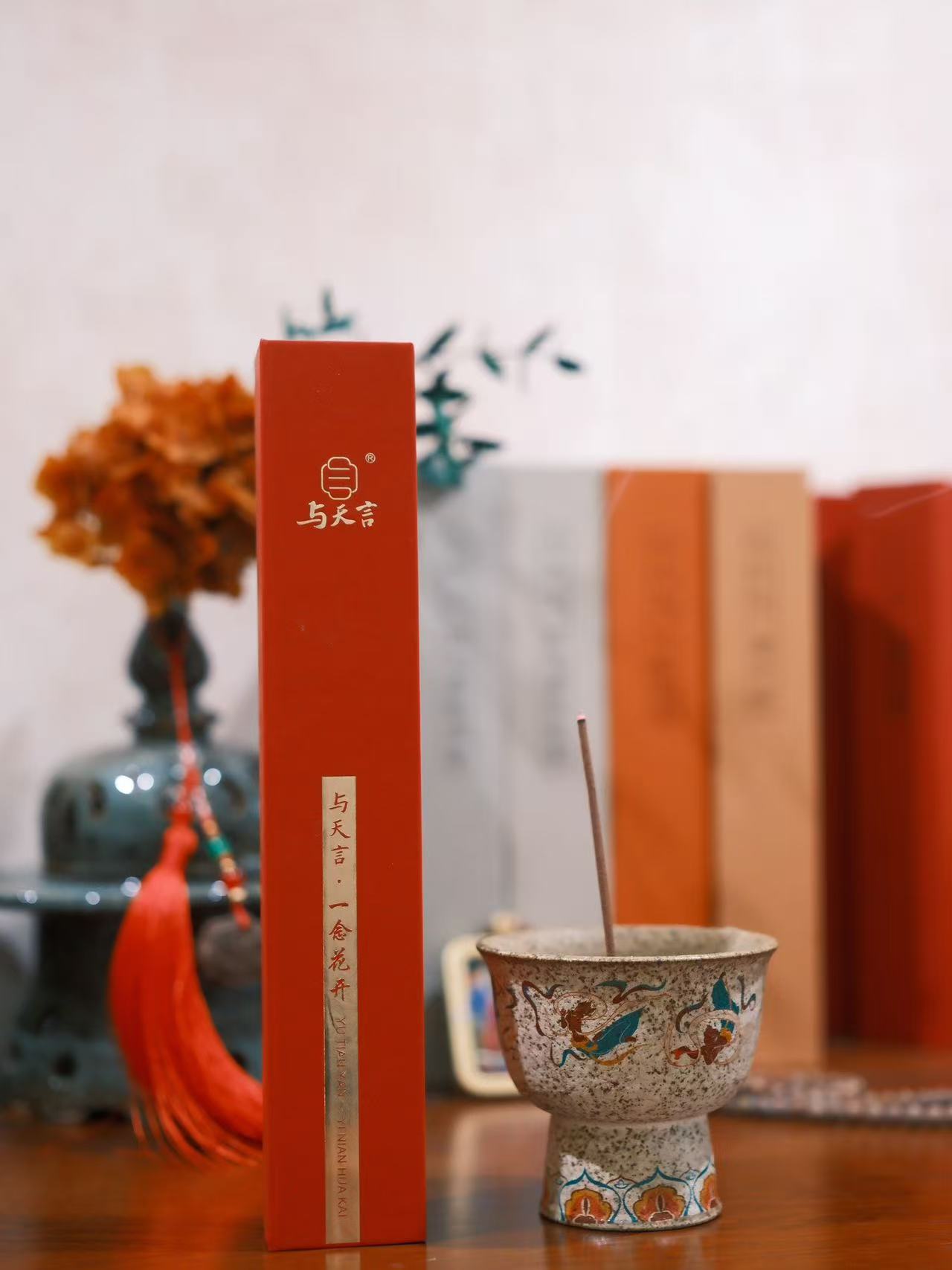
Artisanal Craftsmanship: The Foundation of Handmade Incense Value
Small-Batch Hand-Rolling Traditions (e.g., Japanese Nag Champa, Tibetan Methods)
The core of premium handmade incense lies in small-batch production guided by centuries-old cultural disciplines. In traditional Japanese methods, artisans spend decades mastering the subtle art of blending fragrant woods with minimal binders—shaping each stick by hand to ensure uniform density for steady, even burning. Tibetan practices treat the process as a meditative ritual, combining up to thirty hand-crushed herbs and spices according to precise monastic formulas. This contrasts sharply with mechanized extrusion, which maximizes output but cannot replicate the artisan’s tactile sensitivity to moisture, texture, and consistency. Hand-rolling just a few kilograms per day embeds a level of attention no automated system can match—transforming each stick from a functional item into a unique sensory artifact. Subtle variations across pieces confirm their handcrafted origin, reflecting an irreplaceable human dialogue between material and maker.
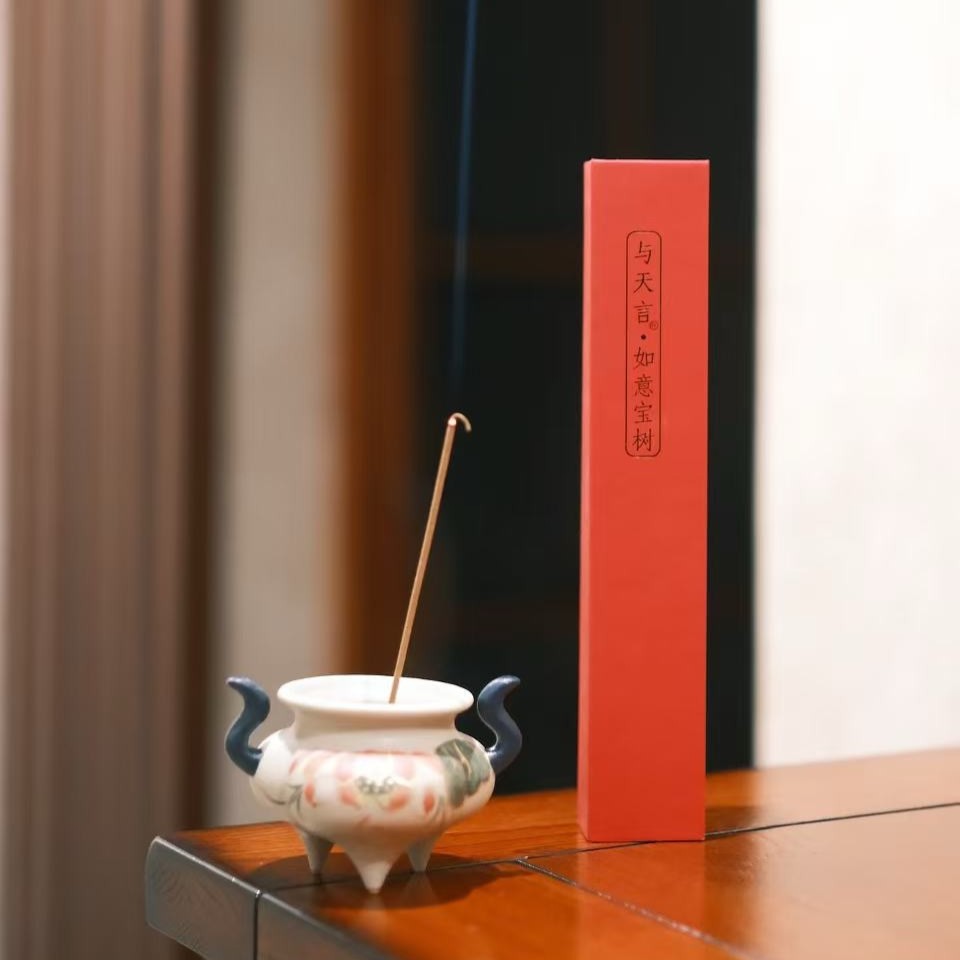
Time-Intensive Process: 3–7 Days for Drying, Curing, and Quality Assurance
Patience is a primary ingredient in artisanal production. Unlike factory-made sticks flash-dried in hours, genuine handmade incense undergoes slow drying and curing over three to seven days. This extended timeline allows internal moisture to migrate and evaporate evenly—preventing microscopic cracks that cause uneven burning and harsh smoke. Sticks are first laid out in climate-controlled rooms away from direct sunlight to avoid case-hardening, where the exterior dries too quickly and traps moisture inside. The subsequent curing phase enables volatile essential oils, resins, and base powders to fully integrate chemically, developing a complex, rounded scent profile. Final quality assurance is manual: experienced producers burn samples to verify fragrance balance, smoke density, and combustion rate—rejecting any batch that fails these strict sensory benchmarks.
Natural Ingredient Integrity: What Makes Handmade Incense Sensorially Superior
Premium Botanicals: Aged Resins, Sustainable Sandalwood, and Steam-Distilled Essential Oils
Handmade incense relies on a carefully curated selection of raw materials that mass-produced sticks cannot match. Artisans source aged frankincense and myrrh resins, which—through years of natural curing—develop deeper, rounder fragrance profiles with remarkably little acridity. Combined with sustainably harvested sandalwood powder, they form a creamy, long-lasting base that releases aroma steadily as it smolders. Instead of diluted synthetic blends, steam-distilled essential oils—such as lavender, palo santo, and vetiver—are meticulously integrated into the paste, preserving the volatile aromatic compounds responsible for multi-layered scent evolution from top to heart to base notes. Ethical sourcing ensures ecological integrity: sandalwood often comes from government-regulated plantations, supporting a carbon-neutral supply chain. By avoiding cheap wood-powder fillers and artificial perfumes, each handmade stick delivers an authentic, complex olfactory journey that synthetic alternatives simply cannot replicate.
Zero Synthetic Binders or Petrochemical Fragrances — Preserving Therapeutic Compounds
While conventional incense frequently uses dipropylene glycol or synthetic gum as binders, handmade incense relies exclusively on natural plant gums such as acacia or tragacanth. These burn at lower temperatures, preventing thermal degradation of delicate essential oil molecules. Low-temperature combustion ensures therapeutic monoterpenes—like alpha-pinene from pine or linalool from lavender—reach the user’s olfactory receptors intact. In contrast, petrochemical-based fragrances in mass-market sticks generate benzene and formaldehyde upon burning, irritating the respiratory tract and eliminating any aromatherapeutic benefit. Handmade incense preserves the full spectrum of bioactive compounds, delivering not only a purer scent but also the subtle calming and grounding effects validated by clinical aromatherapy practice.
Performance Excellence: Clean Burn, Consistent Smoke, and Reliable Aroma Release
The hallmark of premium handmade incense is not just its captivating fragrance, but its ability to deliver a clean, consistent burn with reliable aroma release. Unlike mass-produced alternatives, the physical performance of these sticks or cones is the direct gateway to the complete sensory experience.
Low-Temperature Combustion Physics of Pure Gum Resin Matrices
The core of this purity lies in the combustion physics of pure gum resin matrices—such as those derived from sal tree or gum arabic. These natural binders facilitate a slow, low-temperature burn (typically under 600°C), avoiding the rapid oxidation seen with synthetic cellulose fillers. According to a 2023 study from the Journal of Aromatic Plant Sciences, resin-bound incense burns steadily at around 450°C, whereas petrochemical-based binders create hot spots exceeding 800°C—producing acrid smoke and uneven fragrance diffusion. This controlled thermal release preserves volatile aromatic compounds like linalool and santalol, crucial for both olfactory nuance and therapeutic effect. As a result, the smoke remains wispy and non-irritating, ensuring each stick delivers a consistent, nuanced aroma from first light to final ember.
Holistic Experience: How Handmade Incense Delivers Sensory and Neurological Benefits
fMRI Evidence: Authentic Frankincense and Sandalwood Volatiles Activate Prefrontal Calming Pathways
Research in neuroaesthetics (Kin et al., 2023) shows that authentic frankincense and sandalwood essential oil volatiles trigger increased activity in the dorsolateral prefrontal cortex—promoting relaxed alertness. Handmade incense captures this full aromatic profile because hand-rolling avoids high-heat processing that degrades thermolabile sesquiterpenes. The purity of the gum resin matrix, combined with slow, low-temperature burning, ensures a steady release of these molecules over 30–45 minutes, sustaining the calming effect. This modulation of cortisol levels has been linked to improved concentration and stress reduction—elevating handmade incense beyond mere fragrance to a tool for cognitive well-being. Users consistently report deeper meditative states and enhanced focus during regular burning sessions, affirming its role in holistic self-care.
FAQ Section
What makes handmade incense superior to mass-produced ones?
Handmade incense uses natural ingredients, traditional methods, and avoids petrochemical fragrances and synthetic binders, delivering a purer scent and therapeutic benefits.
Why does handmade incense take longer to produce?
The drying and curing process is slow, taking 3–7 days to ensure even moisture evaporation, chemical integration of materials, and strict quality assurance.
Does handmade incense contain harmful chemicals?
No, handmade incense uses natural plant gums instead of petrochemical binders, preserving bioactive compounds without releasing harmful substances during burning.
How does handmade incense enhance meditation and well-being?
Ingredients like authentic frankincense and sandalwood activate calming pathways in the brain, offering stress relief and improved focus as validated by research.
Table of Contents
- Artisanal Craftsmanship: The Foundation of Handmade Incense Value
- Natural Ingredient Integrity: What Makes Handmade Incense Sensorially Superior
- Performance Excellence: Clean Burn, Consistent Smoke, and Reliable Aroma Release
- Holistic Experience: How Handmade Incense Delivers Sensory and Neurological Benefits
- FAQ Section