
Traditional Incense Sticks for B2B Buyers: Wholesale Sourcing Guide

Get a Free Quote

Our representative will contact you soon.
Email
Mobile/WhatsApp
Name
Company Name
Message
0/1000
What Buyers Appreciate About Traditional Incense Supply

What Buyers Appreciate About Traditional Incense Supply

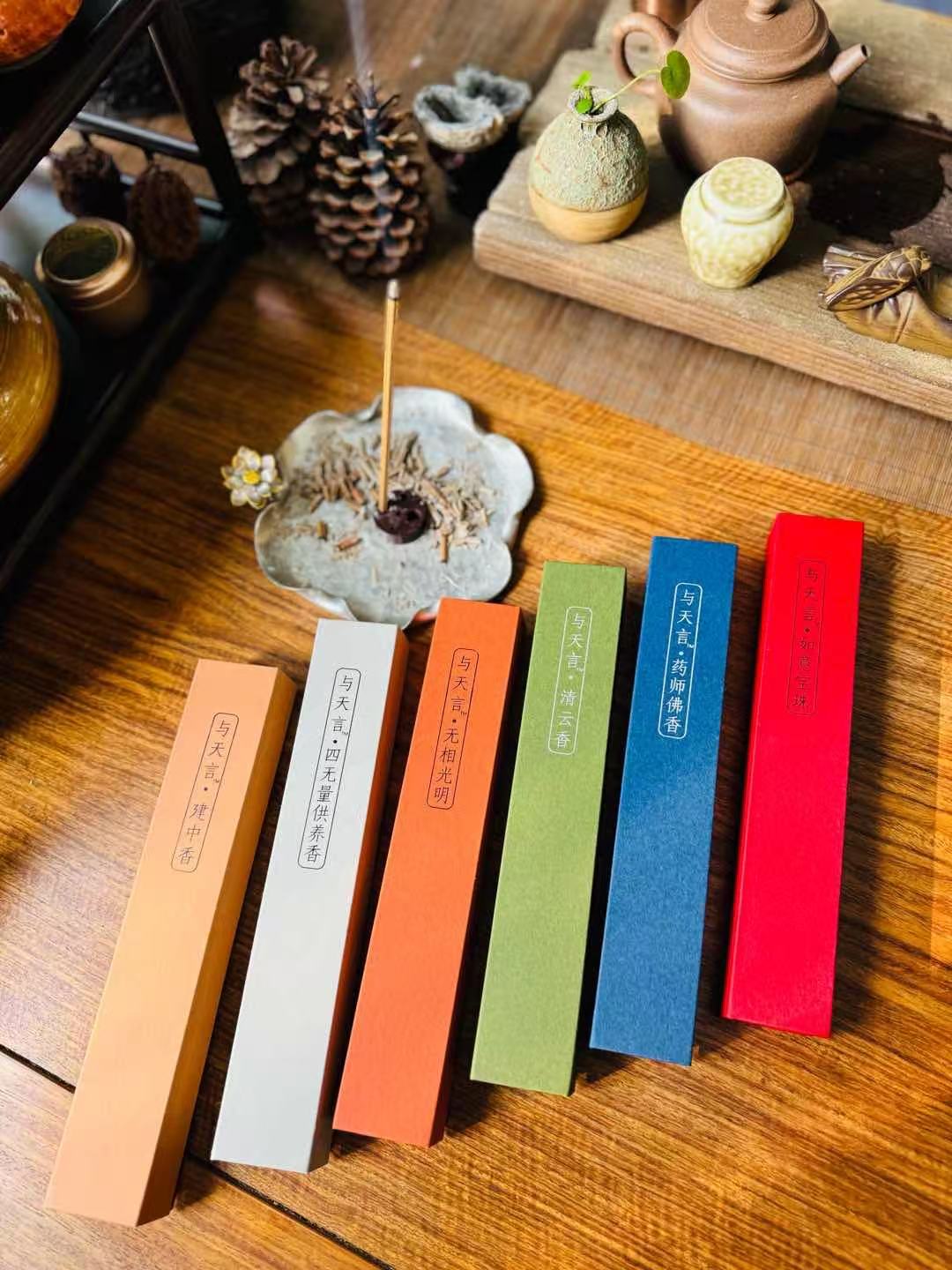
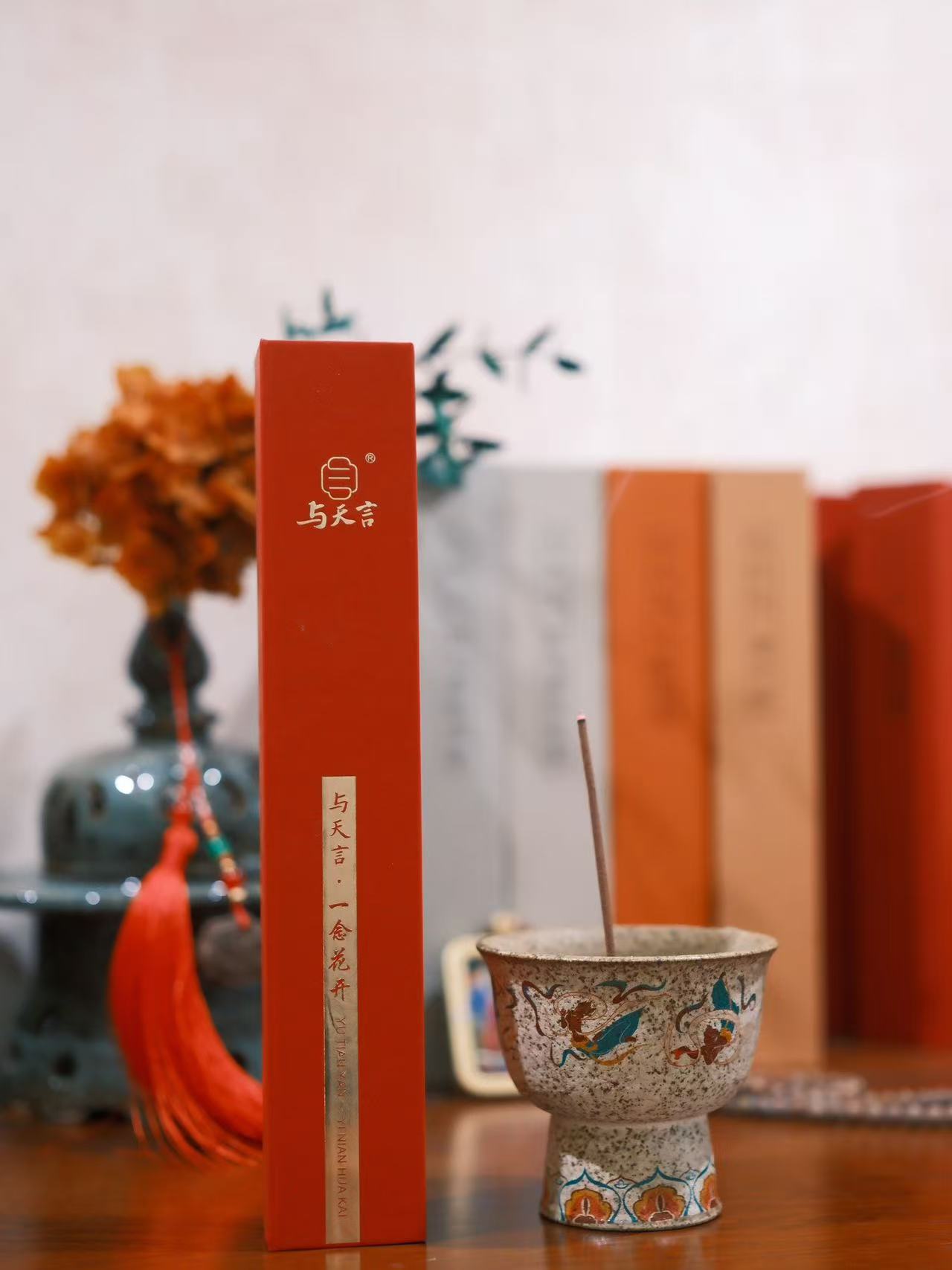
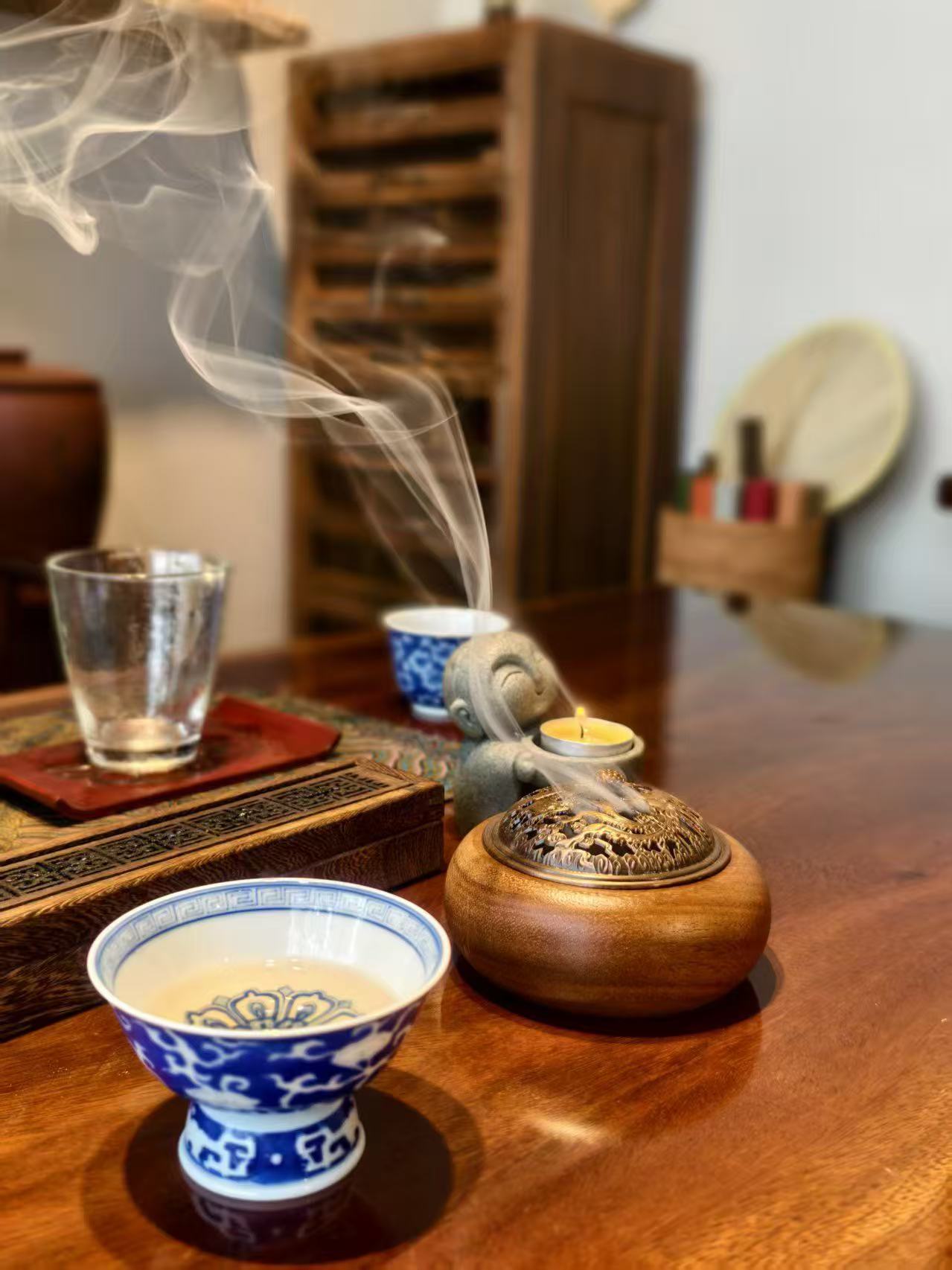
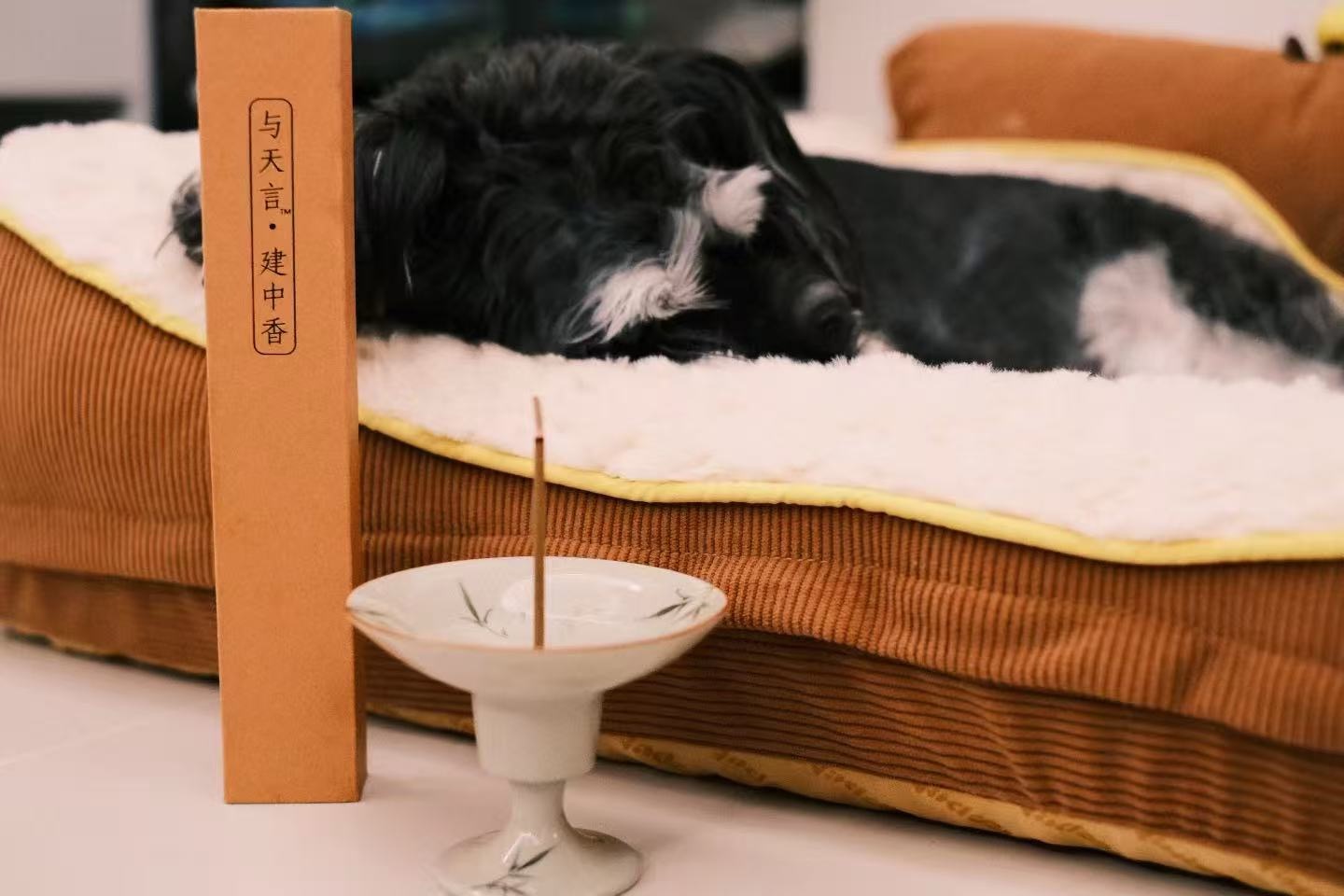
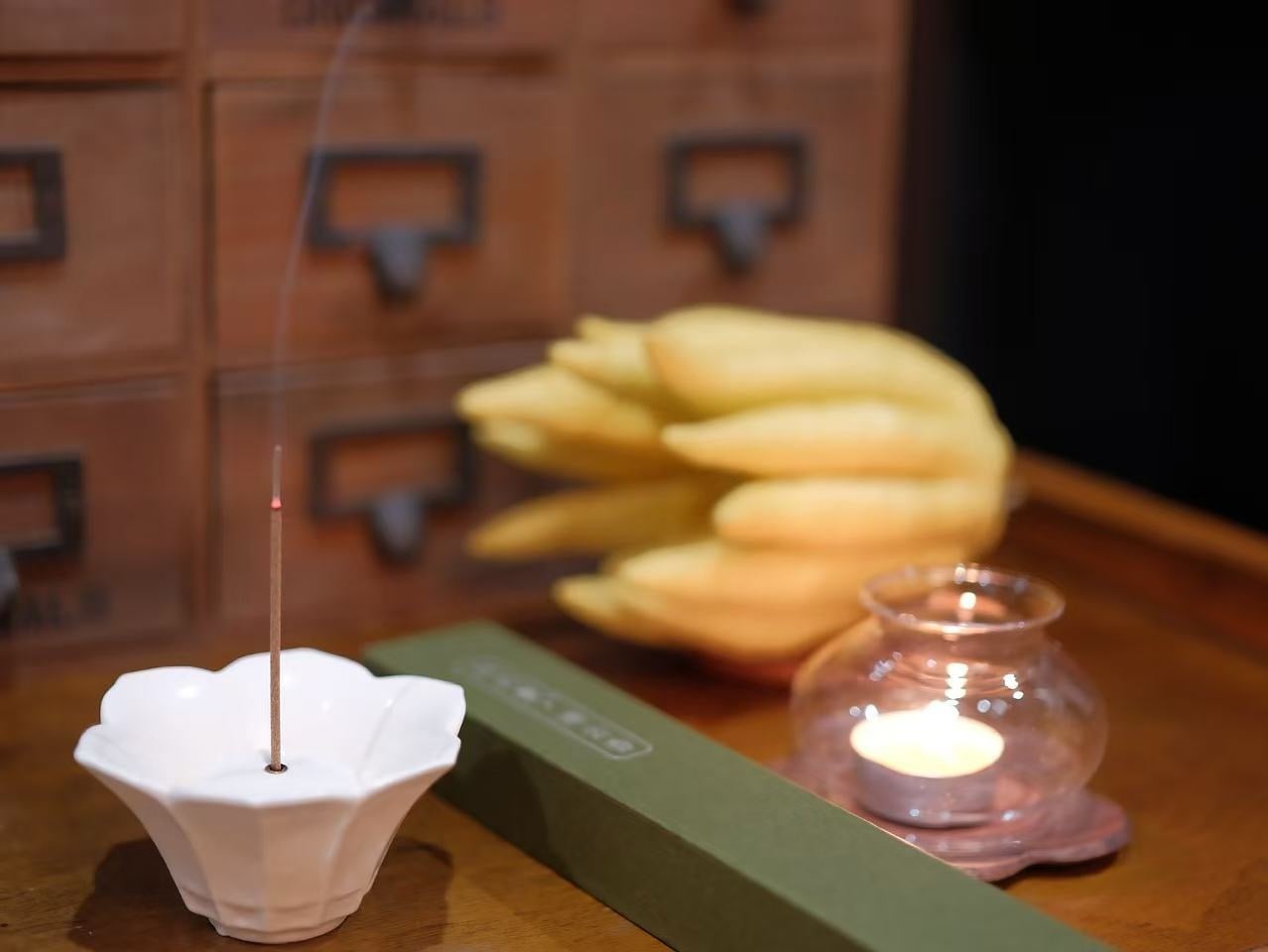
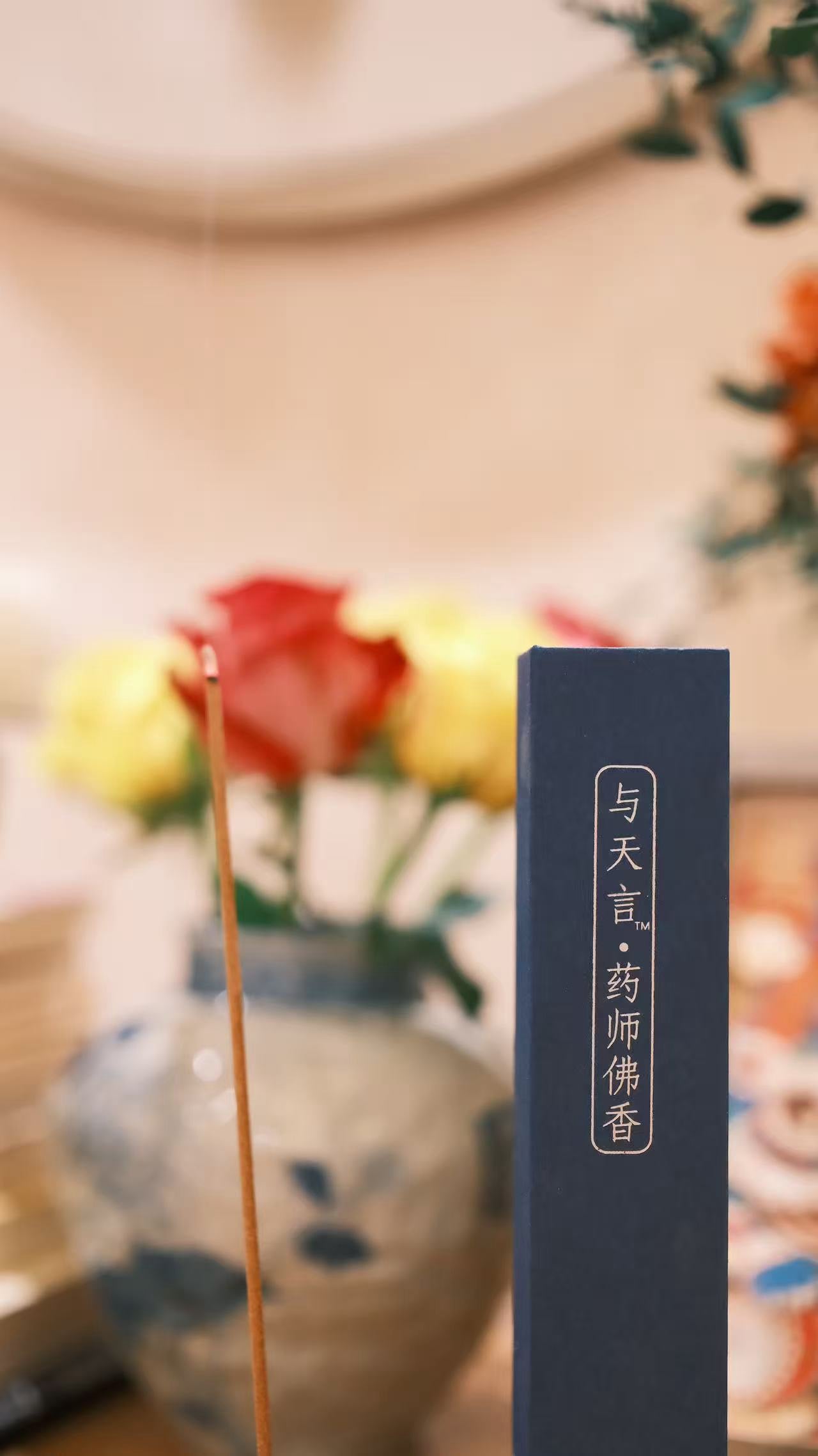
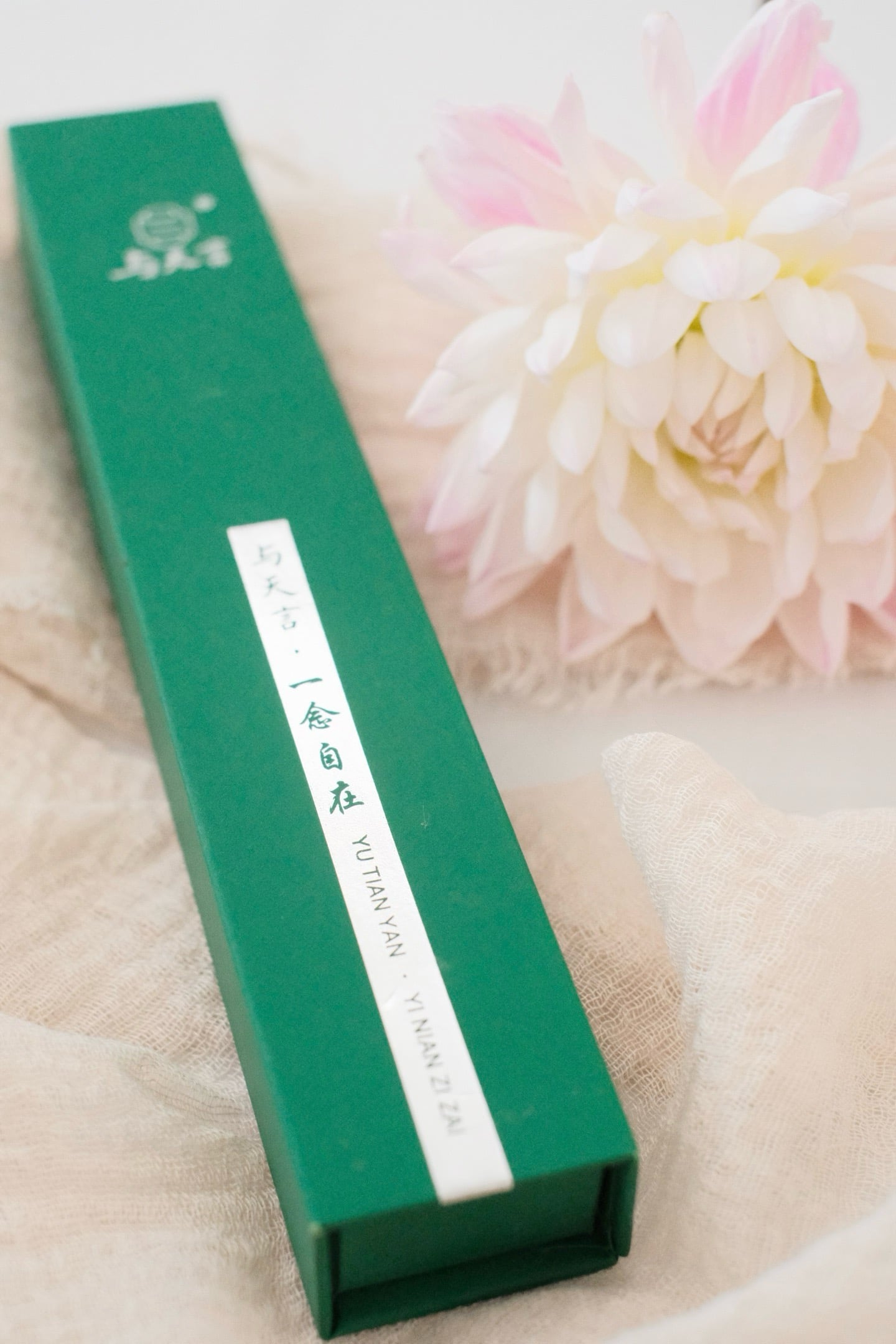
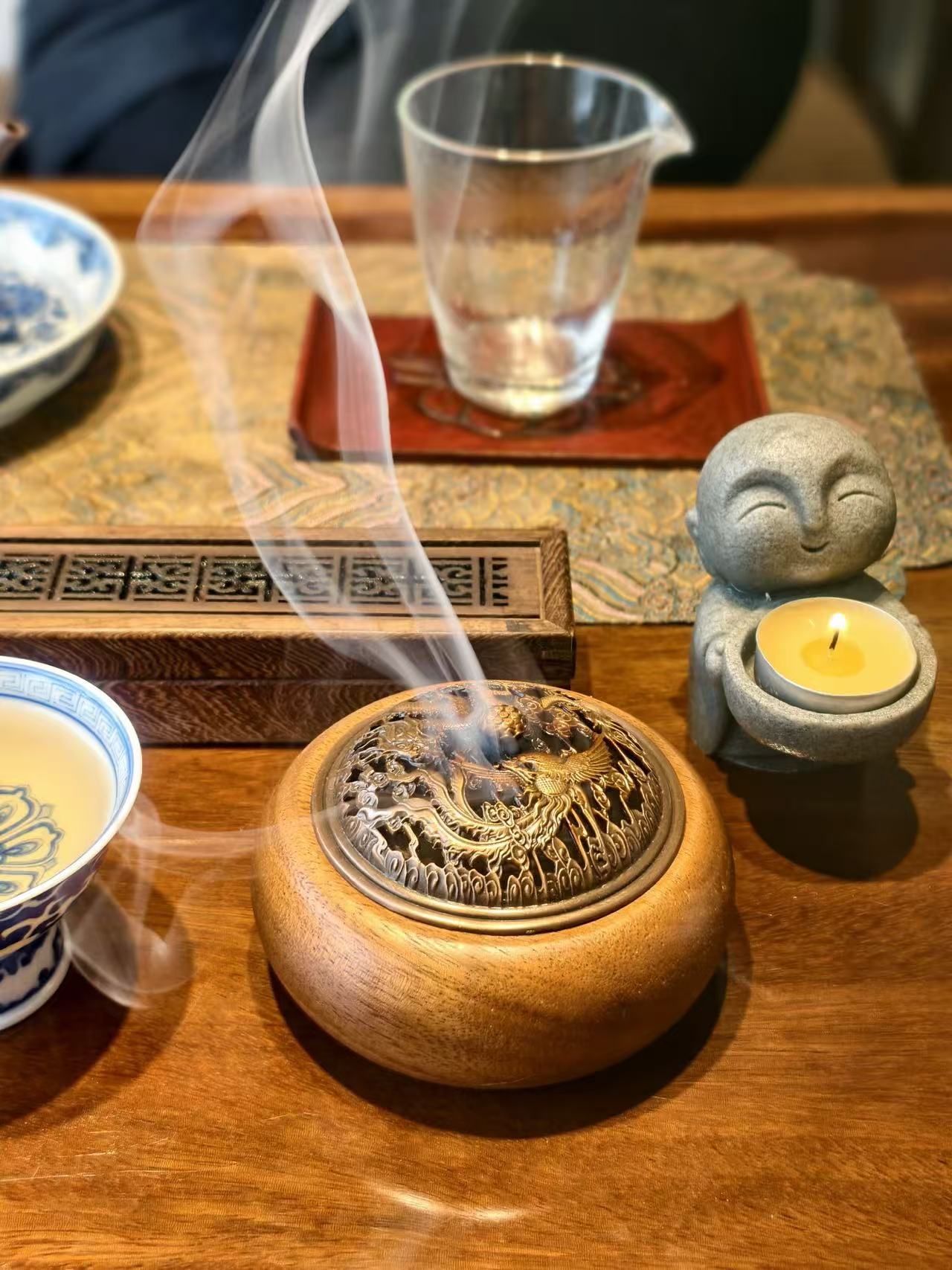
Traditional incense sticks remain popular across cultural ceremonies, meditation practices, religious settings, and home fragrance markets. YT Natural supports business buyers seeking incense products suited to traditional retail collections, specialty stores, and wholesale distribution. When selecting traditional incense, buyers should consider fragrance profiles, stick dimensions, packaging formats, and intended usage. These factors help retailers serve different customer preferences while maintaining a consistent product assortment. From established incense distributors to emerging private-label businesses, a dependable manufacturing partnership can simplify sourcing and purchasing coordination. By confirming product specifications and evaluating samples before ordering, buyers can make informed decisions and develop incense collections aligned with their target markets and commercial objectives.
Get A Quote

Case Study

Traditional Incense for Religious and Cultural Stores

Religious supply stores and cultural retailers often seek traditional incense sticks that reflect established fragrance preferences and everyday ceremonial practices. Product selection may depend on regional customs, customer expectations, and the specific setting in which incense is used. For example, a specialty retailer serving customers who regularly purchase ceremonial supplies may prioritize familiar aromas and practical packaging for repeat purchases. Working with an incense supplier allows buyers to clarify fragrance preferences, product specifications, and packaging requirements before ordering. Evaluating samples and maintaining consistent purchasing records can help retailers organize their inventory, respond to customer feedback, and develop a product range that suits their local market.

Traditional Incense for Meditation and Daily Rituals

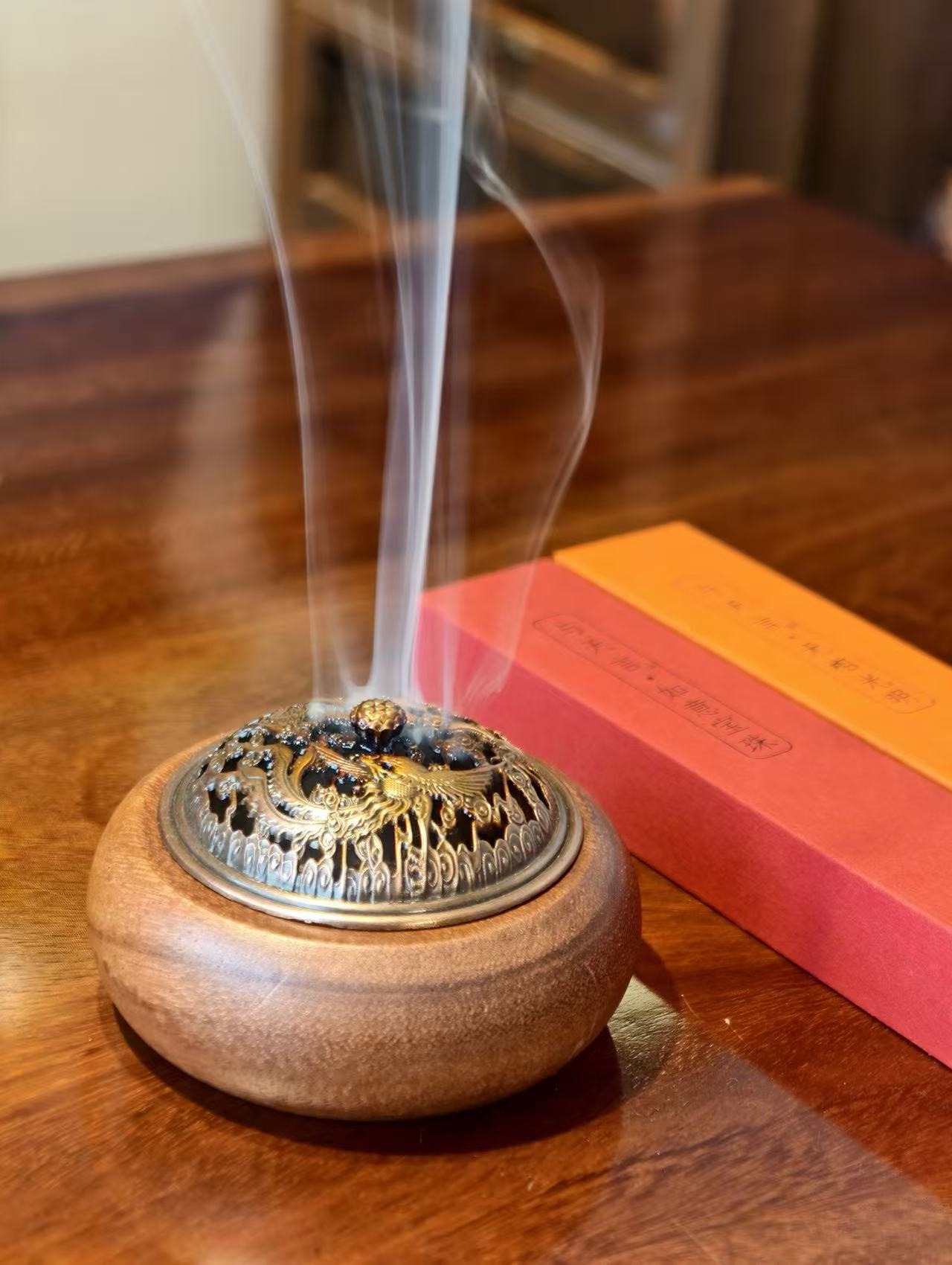
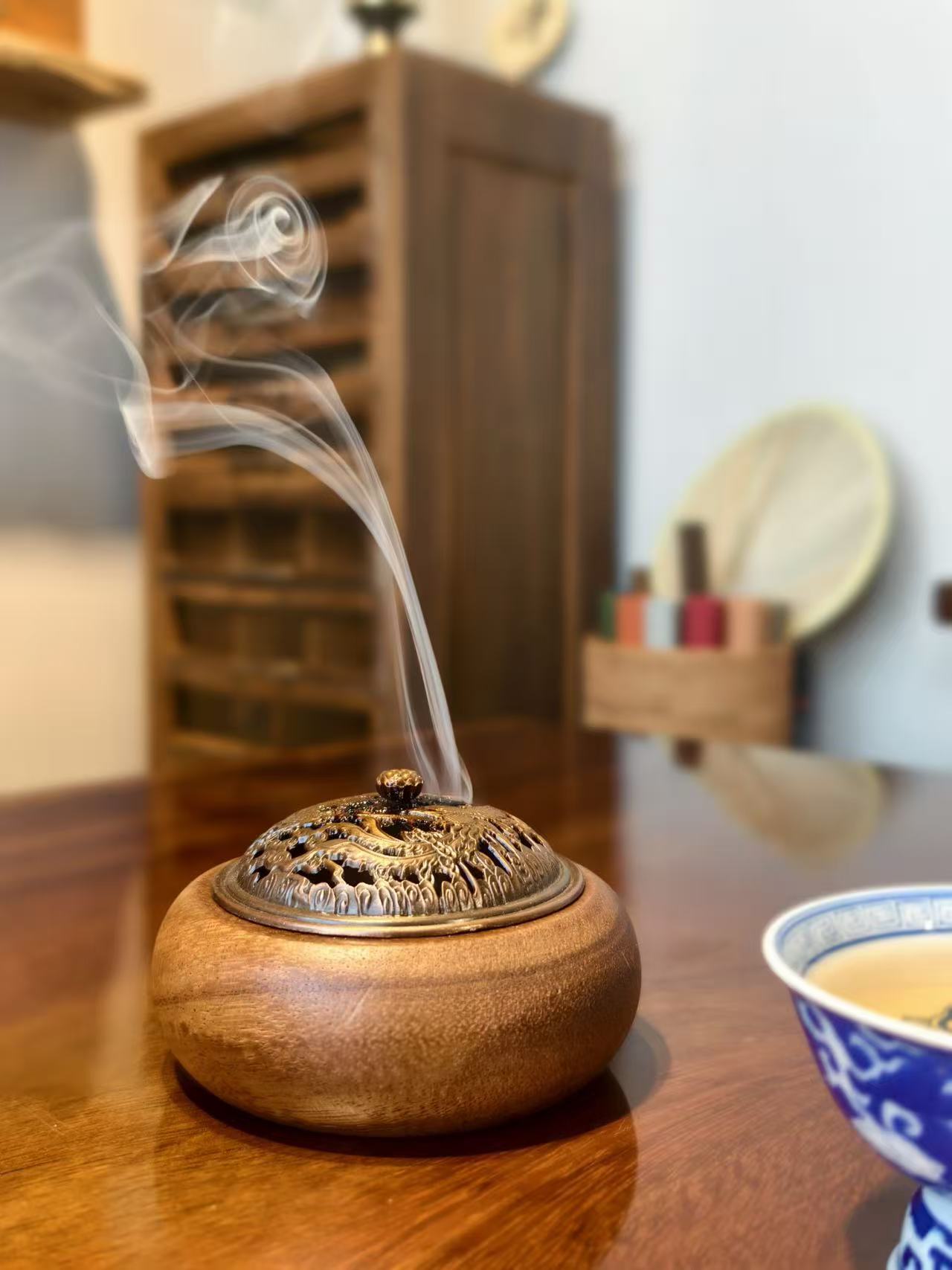
Meditation centers, yoga studios, and wellness retailers may incorporate traditional incense into quiet reflection, breathing exercises, and personal relaxation routines. Woody, herbal, or other familiar fragrance profiles can help create a distinctive atmosphere when selected appropriately for the space. For example, a meditation studio may choose a subtle fragrance for individual practice rooms while offering packaged incense for customers who wish to continue their routines at home. Buyers should consider ventilation, fragrance intensity, burning characteristics, and user preferences when evaluating products. A carefully selected assortment can support a consistent experience while giving wellness businesses practical options for studio use and supplementary retail sales.

Traditional Incense for Wholesale Distribution

Wholesale distributors need traditional incense products that meet the purchasing requirements of specialty shops, cultural retailers, and regional resellers. A structured sourcing process helps buyers compare product dimensions, fragrance options, packaging formats, and order quantities before committing to larger purchases. For instance, a distributor supplying multiple independent retailers may organize products into different fragrance and package-size categories to accommodate varied customer needs. Confirming samples and documenting approved specifications can make repeat ordering more straightforward. Distributors should also review shipping arrangements, labeling requirements, and applicable import regulations for their destination markets. These practical steps support inventory planning and help establish a more reliable long-term supply relationship.

Related products

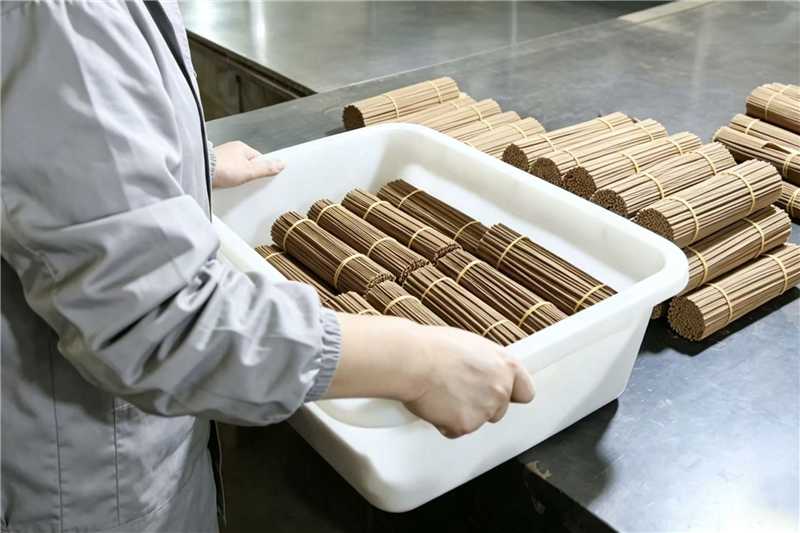
YT Natural serves international buyers looking for incense products for wholesale distribution, specialty retail, and fragrance-related applications. Traditional incense sticks are commonly associated with cultural ceremonies, meditation, personal reflection, and home fragrance routines. Their commercial appeal depends on more than tradition alone; fragrance selection, product presentation, burning characteristics, and packaging also influence purchasing decisions. For importers and distributors, a practical sourcing process begins with identifying the target market and intended application. Buyers should specify preferred fragrance profiles, stick dimensions, package quantities, labeling needs, and estimated order volumes. Samples can then help purchasing teams evaluate product suitability before confirming specifications. Packaging should protect the incense during transportation while presenting the product appropriately for its intended retail environment. International buyers should also discuss production schedules, quality expectations, shipping documentation, and destination-market requirements with their supplier. Maintaining clear product specifications can simplify communication and support more consistent repeat orders. Whether developing a traditional incense collection for cultural stores or expanding an established wholesale portfolio, businesses benefit from aligning product selection with actual customer preferences and realistic inventory requirements.
Frequently Asked Questions

What are traditional incense sticks commonly used for?

Traditional incense sticks are commonly used in cultural ceremonies, religious settings, meditation, personal reflection, and home fragrance routines. Their applications vary by region and individual preference. Buyers should consider the intended environment, fragrance intensity, ventilation, and local customs when selecting products for retail or commercial use.
Wholesale purchasing may be available depending on the supplier, product specifications, and order quantity. Buyers should provide their preferred fragrances, packaging requirements, estimated volume, and delivery destination when requesting a quotation. Confirming samples and minimum order quantities helps establish whether a product suits their purchasing plans.
Suitable fragrances depend on regional traditions, customer preferences, and intended applications. Woody, herbal, floral, and other familiar aromas may appeal to different market segments. Retailers can compare samples and review customer feedback to identify suitable products. Avoid assuming that one fragrance will meet every market's expectations.
Store incense sticks in a cool, dry environment away from excessive humidity, direct sunlight, and strong competing odors. Keep packages sealed when possible to help preserve fragrance and protect the sticks from moisture. Follow the supplier's storage recommendations and keep incense away from ignition sources.
Importers should confirm fragrance specifications, dimensions, packaging, order quantities, production timelines, and shipping arrangements. They should also request relevant ingredient information and applicable safety documentation. Checking destination-market labeling and import requirements before production can help reduce delays and prevent avoidable compliance problems.

Related article

What Parameters Should Buyers Confirm When Customizing Natural Incense?

17

Aug

What Parameters Should Buyers Confirm When Customizing Natural Incense?

View More
How Natural Incense Material Inventory Affects OEM Order Stability

17

Aug

How Natural Incense Material Inventory Affects OEM Order Stability

View More
What Defines High-Quality Handmade Incense?

21

Sep

What Defines High-Quality Handmade Incense?

Ingredient Purity: The Non-Negotiable Foundation of Handmade Incense Natural Plant Matter vs. Synthetic Fragrances: Safety, Authenticity, and Regulatory Gaps What truly separates authentic handmade incense from machine-made alternatives begins with...
View More
Why Is Handmade Incense Considered a Premium Fragrance Product?

08

Oct

Why Is Handmade Incense Considered a Premium Fragrance Product?

Artisanal Craftsmanship: The Foundation of Handmade Incense Value Small-Batch Hand-Rolling Traditions (e.g., Japanese Nag Champa, Tibetan Methods) The core of premium handmade incense lies in small-batch production guided by centuries-old cultural ...
View More

Customer Testimonials

Daniel Brooks

The fragrance options helped us plan a traditional incense assortment for our specialty store. Reviewing samples before ordering made our product selection process more efficient.

Andrew Miller

Clear product specifications helped our purchasing team organize packaging requirements and inventory planning. The structured approach made it easier to prepare for repeat wholesale orders.

Get a Free Quote

Our representative will contact you soon.
Email
Mobile/WhatsApp
Name
Company Name
Message
0/1000
Traditional Fragrance Options for Diverse Customer Preferences

Traditional Fragrance Options for Diverse Customer Preferences

Traditional incense customers have different preferences depending on cultural background, personal routines, and intended applications. Some shoppers look for familiar aromas associated with ceremonial practices, while others choose incense for meditation or home fragrance. Retailers can build a more relevant assortment by comparing fragrance samples, understanding local purchasing patterns, and organizing products according to their intended use. For example, a specialty store might offer several fragrance families in distinct package formats to serve both regular customers and first-time buyers. Clear product descriptions and suitable packaging also help shoppers make informed choices. This customer-focused approach enables distributors and retailers to refine their assortment based on actual feedback rather than relying on generalized assumptions about fragrance demand.
Practical Quality Checks for Traditional Incense Products

Practical Quality Checks for Traditional Incense Products

Consistent product specifications are important for businesses sourcing traditional incense sticks across multiple orders. Buyers should review stick dimensions, appearance, fragrance characteristics, packaging integrity, and burning performance under appropriate conditions. Documenting sample approvals and agreed requirements provides a useful reference for communication with the supplier. For instance, a distributor supplying several specialty stores can establish a checklist covering fragrance identification, package quantities, and product presentation before accepting a shipment. This process helps purchasing teams identify discrepancies and communicate concerns clearly. Importers should also confirm applicable product documentation and destination-market requirements. Combining sample evaluation with routine inspection creates a more organized purchasing process and supports dependable quality expectations throughout the supplier relationship.
Wholesale Planning for Long-Term Incense Business Growth

Wholesale Planning for Long-Term Incense Business Growth

A sustainable traditional incense business starts with understanding customer needs and managing purchasing decisions carefully. Retailers and distributors can begin with a focused range of fragrances and package sizes, then evaluate sales patterns and customer feedback before expanding their assortment. For example, a wholesaler supplying cultural stores may compare demand across several fragrance categories and adjust future orders according to repeat-purchase trends. This approach helps avoid unnecessary inventory accumulation while keeping relevant products available. Close communication with the supplier also supports clearer planning for packaging changes, order quantities, and replenishment schedules. By combining customer insights with documented product specifications, businesses can build a more adaptable assortment and strengthen their position in traditional incense markets.