
Incense Sticks OEM Services | Custom Fragrance & Packaging

Get a Free Quote

Our representative will contact you soon.
Email
Mobile/WhatsApp
Name
Company Name
Message
0/1000
Customized Incense Sticks OEM Solutions for Global Brands

Customized Incense Sticks OEM Solutions for Global Brands

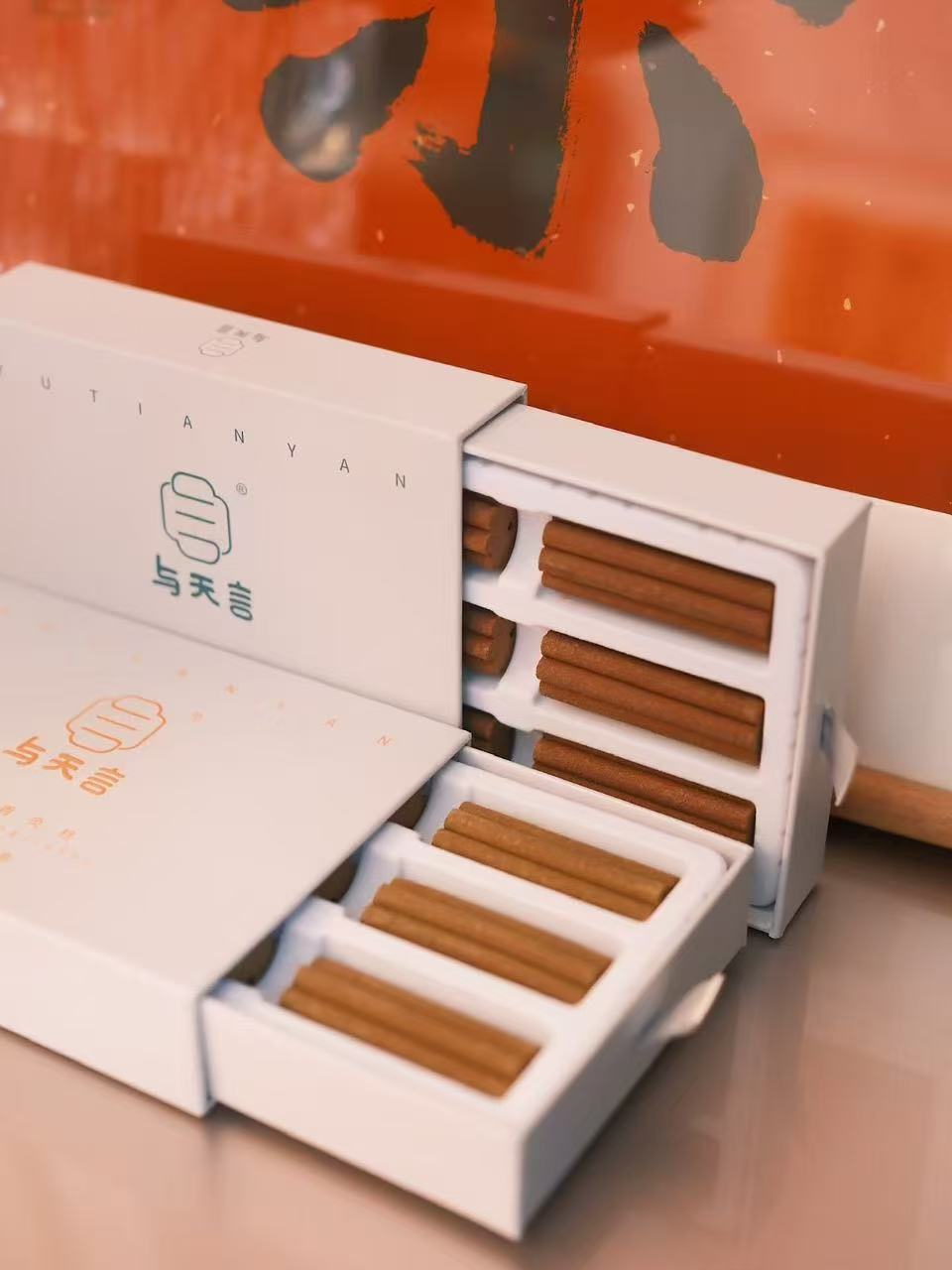
Developing a distinctive incense brand requires more than attractive packaging; it demands consistent product specifications, carefully selected fragrances, and dependable manufacturing coordination. YT Natural helps business buyers explore incense products for OEM projects serving home fragrance retailers, wellness brands, meditation studios, and specialty distributors. Buyers can discuss fragrance preferences, stick dimensions, packaging formats, labeling requirements, and target order quantities to establish a suitable product brief. For example, a retailer planning a three-fragrance collection can evaluate different scent profiles before finalizing its assortment. Clear specifications and sample approval procedures help align production expectations, reduce avoidable revisions, and create a more consistent customer experience across wholesale and private-label channels.
Get A Quote

Case Study

OEM Incense Collections for Retail Brands

A home fragrance retailer wants to launch an exclusive incense collection under its own brand. The team needs coordinated packaging, appealing fragrance choices, and clear product specifications that suit its target customers. Through an OEM sourcing process, the buyer can discuss available incense styles, fragrance options, dimensions, and labeling requirements with a prospective manufacturer. A three-fragrance launch assortment could provide a practical starting point for evaluating customer response before expanding the range. The buyer should approve product samples and packaging artwork before confirming production. This structured approach helps organize product development, maintain brand consistency, and establish a clearer purchasing process for future orders.

OEM Incense Products for Wellness Businesses

A wellness brand plans to introduce incense products for meditation spaces, yoga studios, and specialty lifestyle stores. Its team prioritizes fragrance consistency, suitable packaging, and product presentation aligned with a calm, natural brand identity. An OEM project allows the buyer to define requirements before production, including fragrance profiles, stick specifications, labeling, and packaging format. For example, the brand could compare woody, floral, and herbal options to build a focused assortment for different customer preferences. Before placing a bulk order, the business should evaluate samples, confirm quality expectations, and review applicable market regulations. Careful preparation supports a smoother launch and a more coherent product range.

OEM Incense Manufacturing for Wholesale Distributors

A wholesale distributor seeks OEM incense products that can serve gift shops, home fragrance retailers, and regional resellers. Rather than sourcing unrelated products individually, the purchasing team wants a coordinated collection with consistent specifications and recognizable packaging. An OEM arrangement can help the buyer communicate preferred fragrances, packaging requirements, target quantities, and labeling details in one product brief. A collection organized into four fragrance categories, for example, could help simplify assortment planning across different retail accounts. The distributor should confirm minimum order quantities, production schedules, sample approval, and shipping responsibilities before committing. Defined requirements help reduce purchasing uncertainty and support repeat-order planning.

Related products

YT Natural provides business buyers with a starting point for discussing incense products for OEM and private-label projects. Brands entering the incense market can explore fragrance preferences, product dimensions, packaging formats, labeling requirements, and target order quantities according to their commercial objectives. An effective OEM process begins with a clear product brief. Buyers should identify their intended applications, such as home fragrance, meditation, yoga studios, gift retail, or traditional incense markets. They can then evaluate available fragrance profiles, review representative samples where offered, and confirm product specifications before production. Packaging artwork, label information, and destination-market compliance should also be addressed early. For example, a distributor developing a private-label collection may begin with three fragrance options and a coordinated package design. This focused approach can simplify initial assortment planning while allowing the business to assess customer preferences before introducing additional products. Before confirming an order, buyers should clarify minimum quantities, customization availability, quality checks, production lead times, payment terms, and shipping arrangements directly with the supplier. A documented approval process helps both parties understand expectations and provides a practical foundation for consistent product development and long-term commercial cooperation.
Frequently Asked Questions

What does OEM mean for incense sticks?

OEM generally refers to producing incense products according to a buyer's agreed specifications and branding requirements. Depending on the manufacturer's capabilities, a project may involve fragrance selection, stick specifications, packaging, and labeling. Confirm available services, minimum order quantities, and customization conditions directly before starting development.
Customization possibilities depend on the manufacturer's available materials, production processes, and order requirements. Buyers can discuss fragrance preferences, packaging dimensions, artwork, and labeling needs. Request samples where available and obtain written confirmation of the approved specifications before authorizing bulk production.
Minimum order quantities vary according to product type, packaging format, customization requirements, and production arrangements. Share your target quantity and preferred specifications with the supplier to determine feasibility. Ask whether different fragrances can be combined within one order and whether separate packaging requirements affect minimum quantities.
Establish written specifications for fragrance, dimensions, materials, packaging, and acceptable quality criteria. Approve samples before production and clarify inspection procedures for subsequent orders. Retaining approved samples and documenting any changes can help both parties compare production batches and address discrepancies more efficiently.
Prepare your target market, fragrance preferences, estimated quantity, packaging concept, labeling requirements, and delivery destination. Include artwork or reference samples if available. These details help the supplier assess your project and provide a more relevant quotation covering customization, production timing, packaging, and shipping.

Related article

How Natural Incense Material Inventory Affects OEM Order Stability

17

Aug

How Natural Incense Material Inventory Affects OEM Order Stability

View More
How to Find a Reliable Incense Sticks Wholesale Supplier?

16

Sep

How to Find a Reliable Incense Sticks Wholesale Supplier?

Verify Regulatory Compliance and Quality Credentials for Incense Sticks Wholesale Confirm certifications (ISO, GMP), ingredient traceability, and safety testing (heavy metals, VOCs) In the incense sticks wholesale market, certifications are your fi...
View More
What Makes Handmade Incense Different from Machine-Made Incense?

28

Sep

What Makes Handmade Incense Different from Machine-Made Incense?

The Core Difference: Craftsmanship vs. Automation in Production The production philosophy dividing handmade incense from machine-made incense fundamentally determines everything from ingredient purity to aroma depth. Where the artisan relies on sen...
View More
Why Is Handmade Incense Considered a Premium Fragrance Product?

08

Oct

Why Is Handmade Incense Considered a Premium Fragrance Product?

Artisanal Craftsmanship: The Foundation of Handmade Incense Value Small-Batch Hand-Rolling Traditions (e.g., Japanese Nag Champa, Tibetan Methods) The core of premium handmade incense lies in small-batch production guided by centuries-old cultural ...
View More

Customer Testimonials

Daniel Brooks

A clear product brief helped our team organize three fragrance options, align packaging concepts, and prepare a more structured launch plan for our private-label incense collection.

Emily Carter

Defining packaging requirements and approving product specifications early helped our purchasing team coordinate supplier discussions and prepare a clearer schedule for our planned incense launch.

Get a Free Quote

Our representative will contact you soon.
Email
Mobile/WhatsApp
Name
Company Name
Message
0/1000
Brand-Focused Incense Customization

Brand-Focused Incense Customization

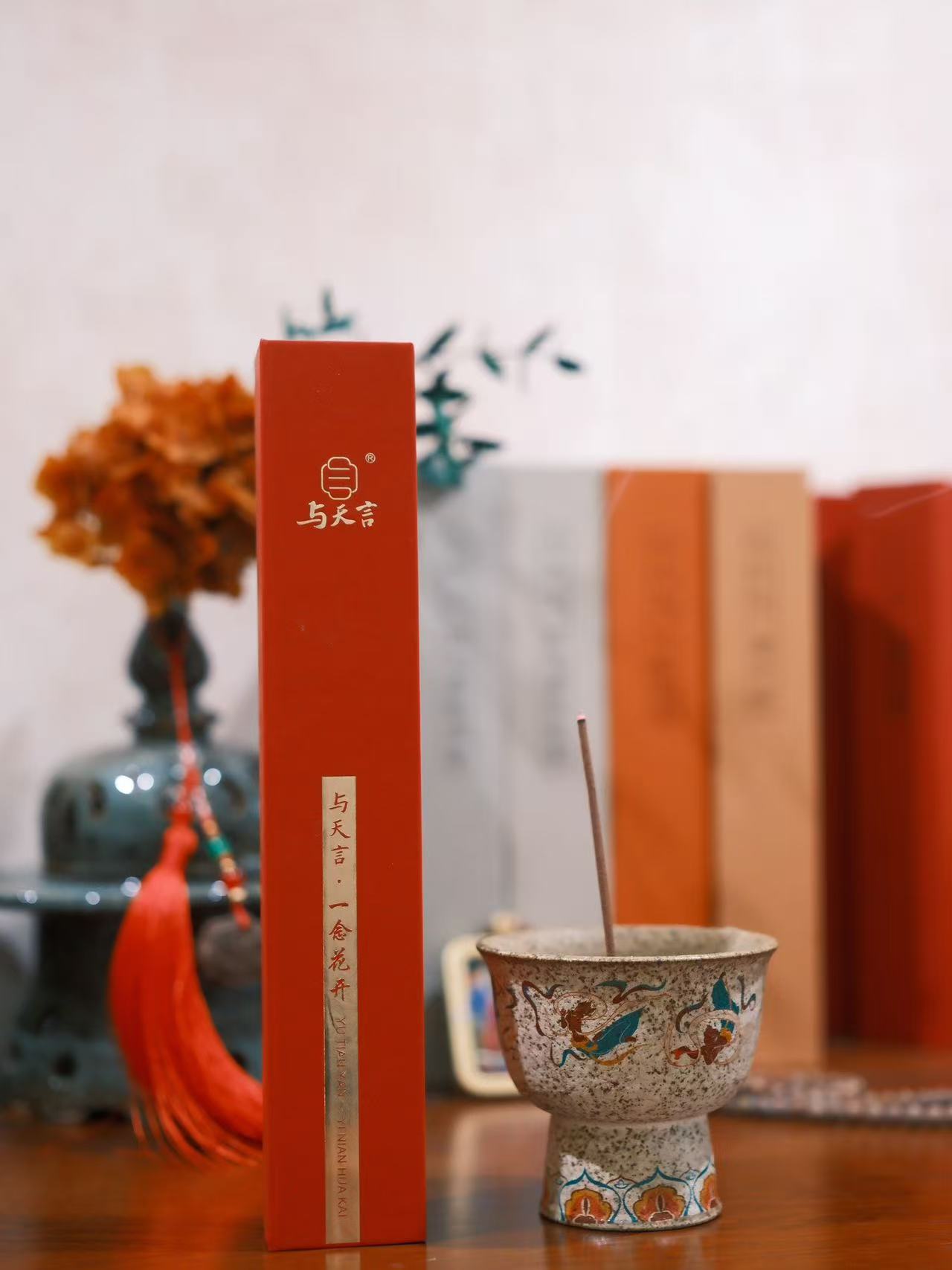
A successful OEM incense collection should reflect the buyer's positioning, target audience, and distribution strategy. Retail brands may prioritize attractive packaging and familiar fragrance profiles, while wellness businesses may prefer collections designed around meditation and relaxation settings. Buyers can discuss available customization options, including fragrance selection, product dimensions, labeling, and packaging presentation. For example, a specialty retailer could develop a three-product collection with coordinated packaging and distinct scent profiles to create a recognizable shelf presence. Reviewing samples and documenting product requirements before production helps clarify expectations. By aligning product specifications with brand identity, businesses can develop a more coherent assortment and establish a practical foundation for future product expansion.
Structured OEM Production and Quality Planning

Structured OEM Production and Quality Planning

OEM projects benefit from clearly defined specifications and an organized approval process. Before production begins, buyers should confirm fragrance requirements, product dimensions, packaging artwork, labeling details, order quantities, and delivery expectations. Sample evaluation provides an opportunity to review important characteristics before committing to a commercial batch. For instance, a distributor preparing an initial order of three fragrance varieties can establish separate specifications for each product while maintaining consistent outer packaging. Written approval records help both parties identify agreed requirements and manage later changes. Buyers should also confirm available quality inspections, production schedules, and applicable regulatory documentation. This structured approach improves coordination and supports more predictable purchasing decisions.