Moxa Stick for Wellness: B2B Buyer's Guide & Sourcing Tips

Get a Free Quote

Our representative will contact you soon.
Email
Mobile/WhatsApp
Name
Company Name
Message
0/1000
Buyer Feedback on Moxa Sticks for Wellness

Buyer Feedback on Moxa Sticks for Wellness

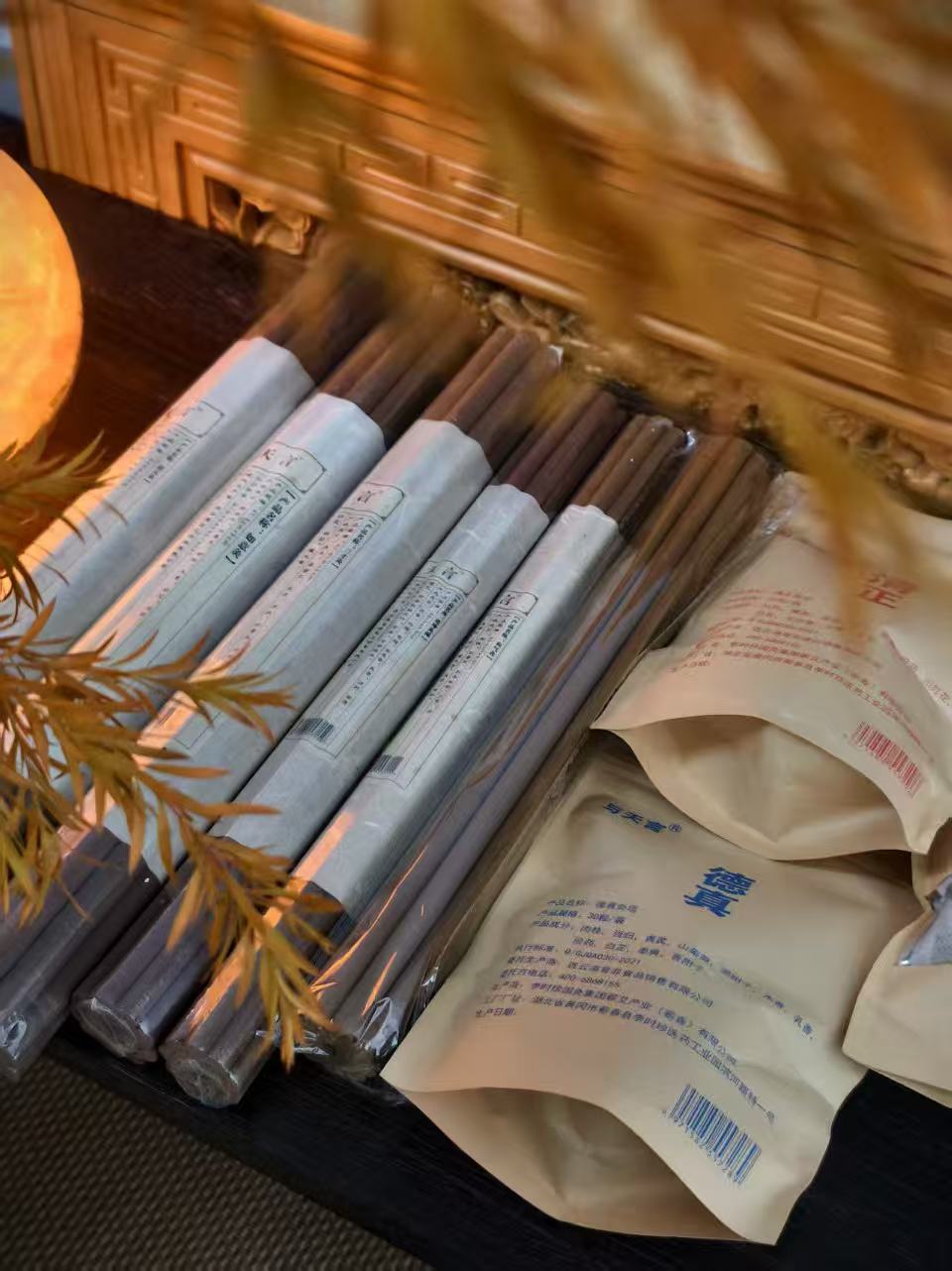
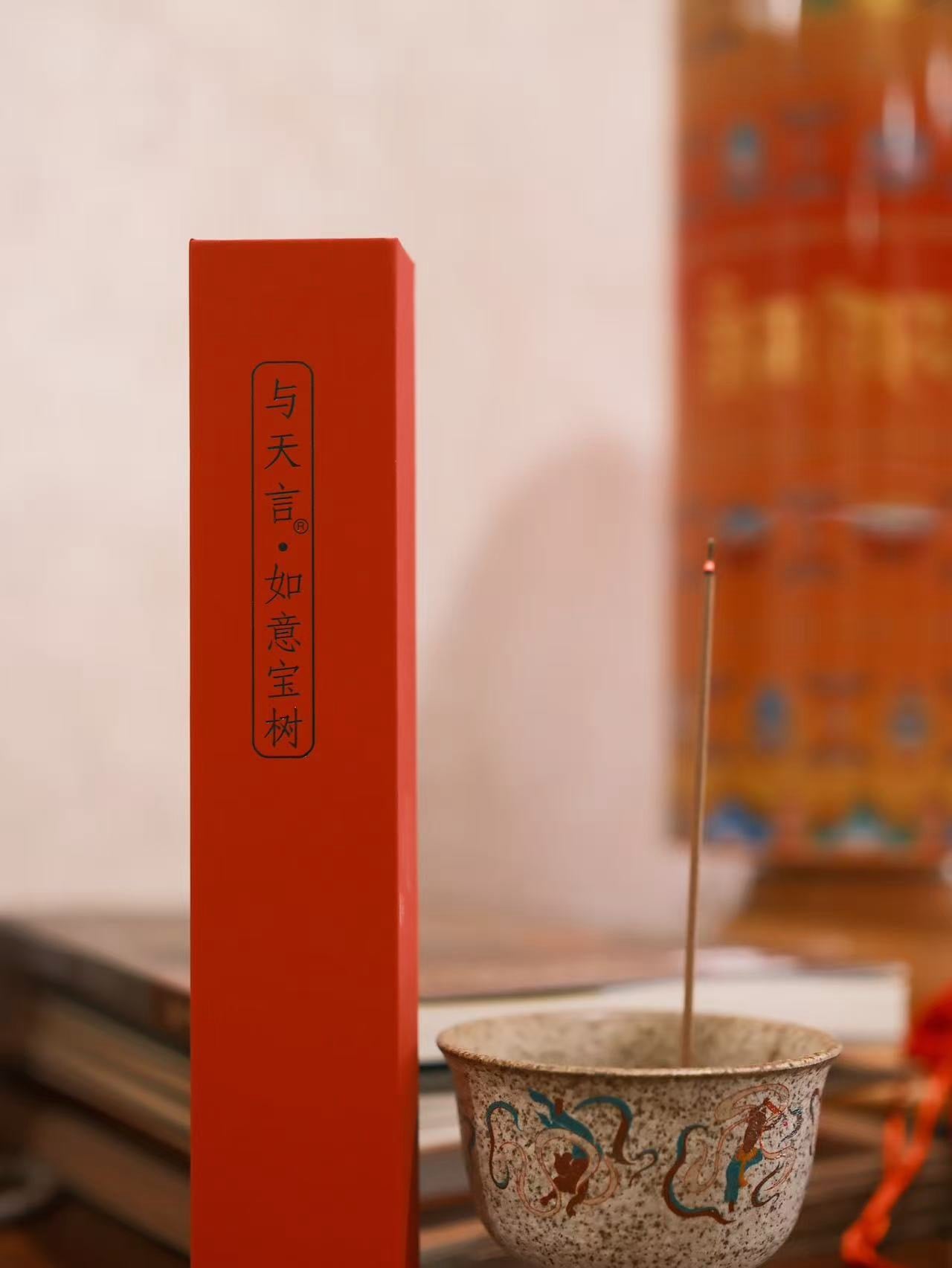
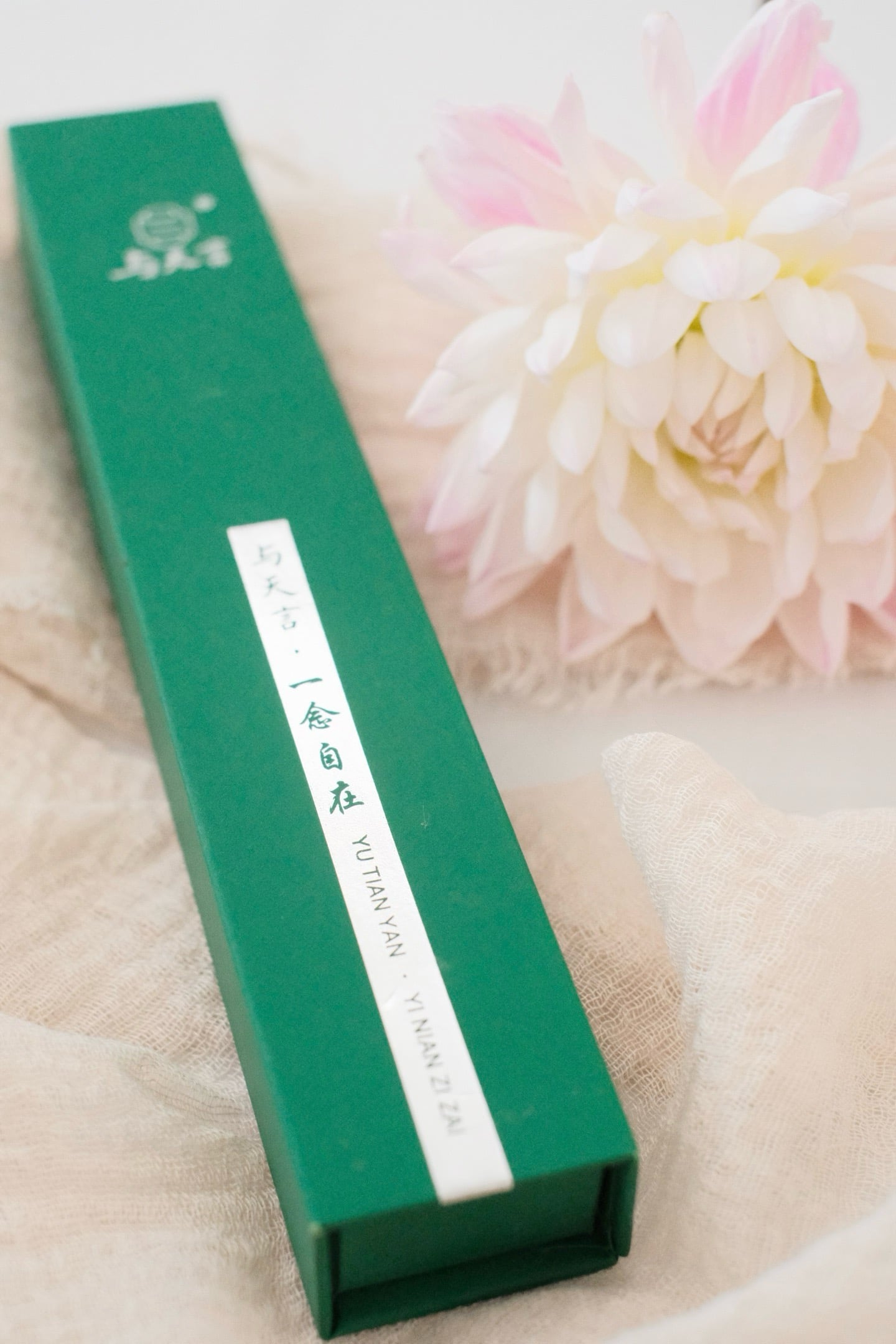
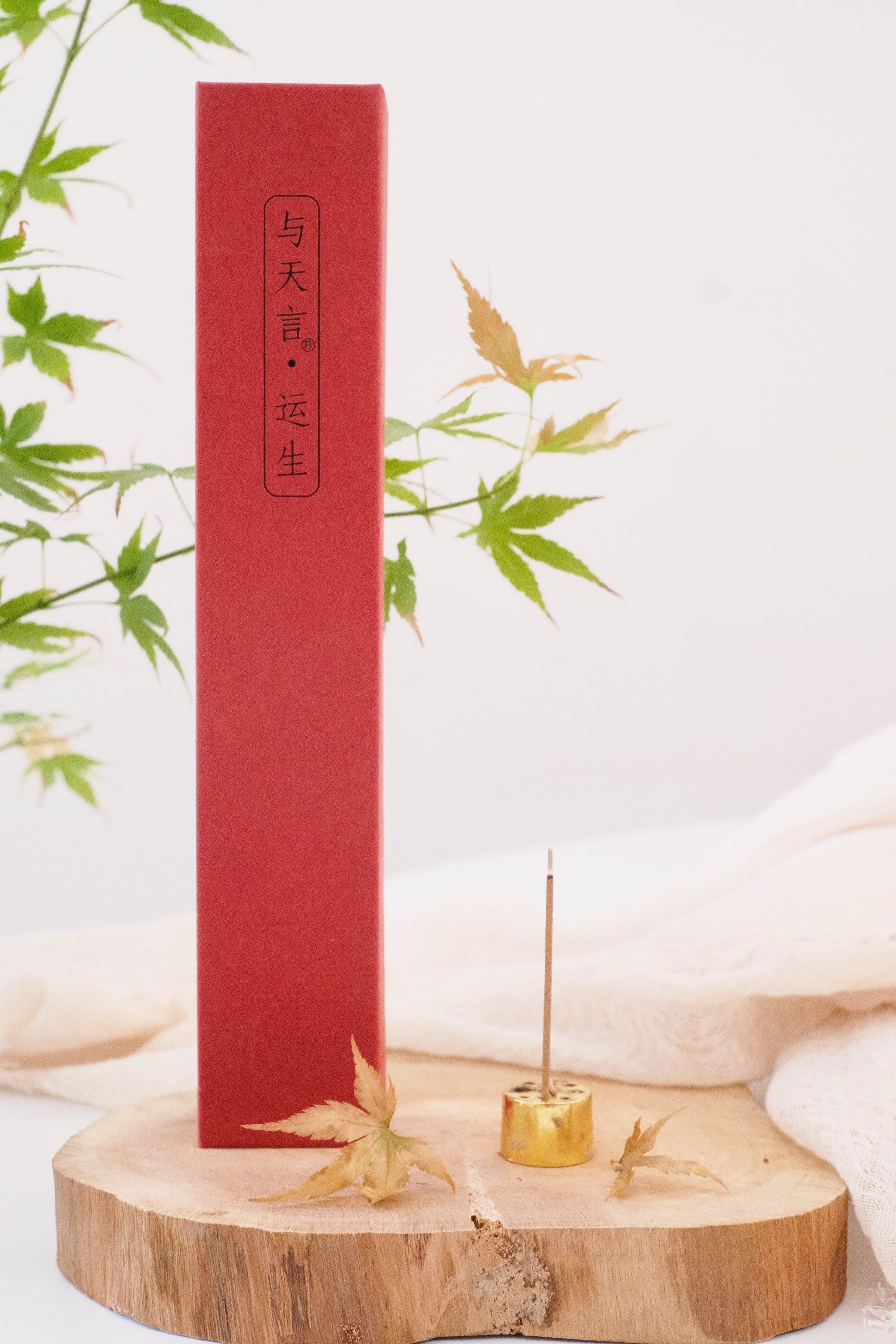
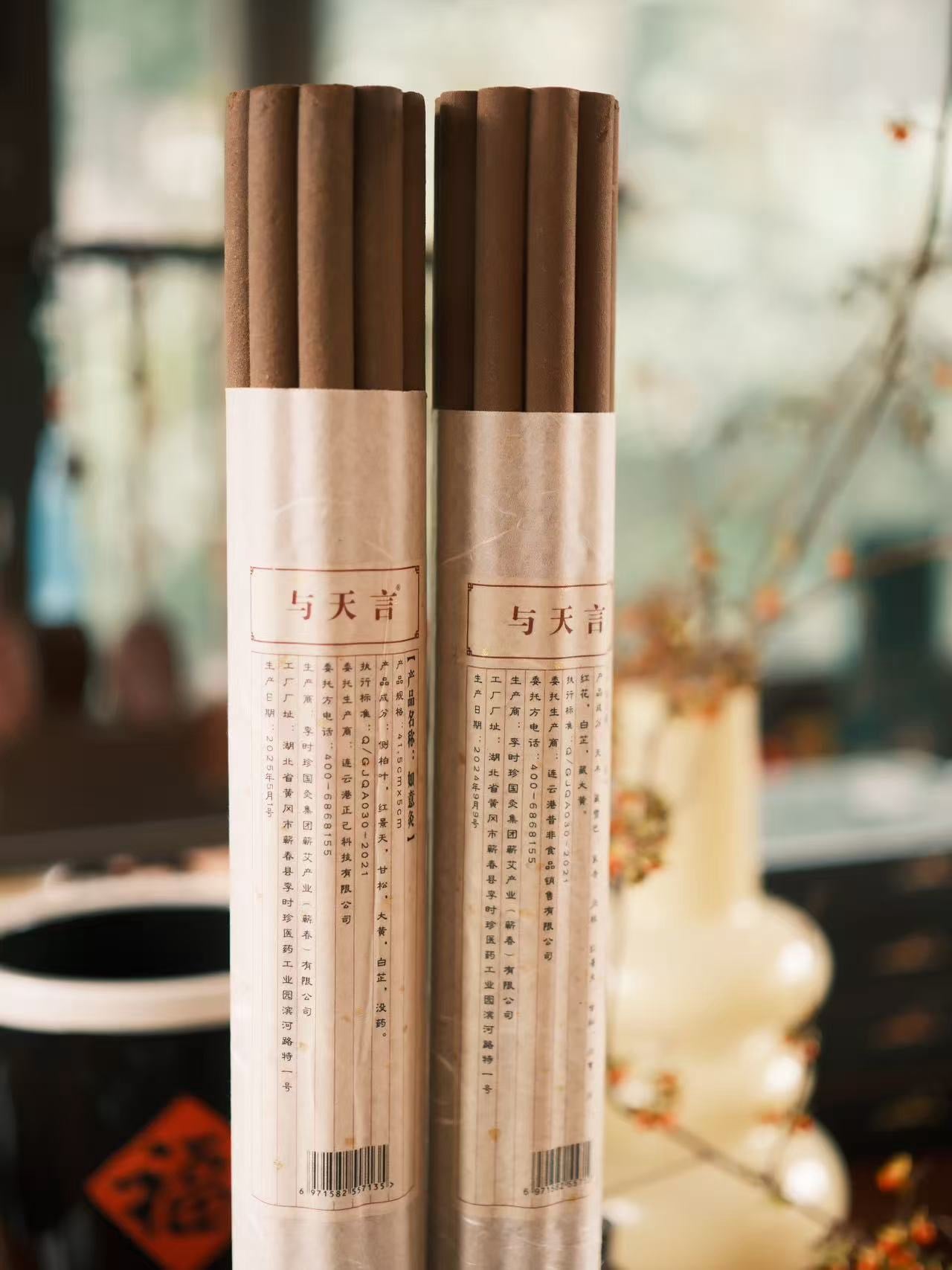
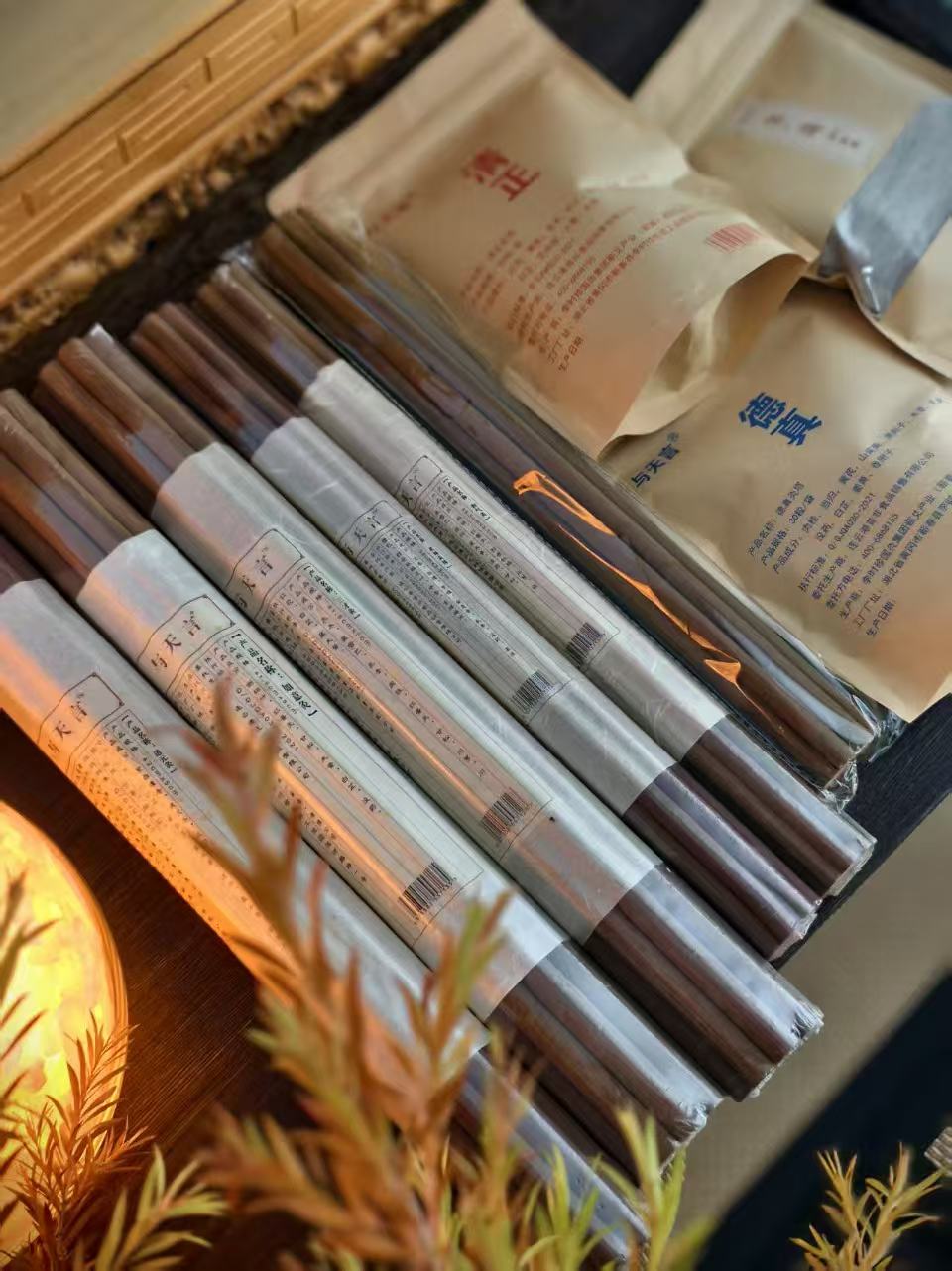
Moxa sticks are associated with traditional moxibustion practices and may be considered by wellness retailers, traditional therapy suppliers, and specialist distributors developing related product ranges. When selecting products for commercial use, buyers should evaluate the moxa material, stick dimensions, density, construction, aroma, packaging, and available product documentation. Consistent specifications make it easier to compare suppliers and maintain purchasing standards across repeat orders. Depending on supplier capabilities, options may include different sizes, traditional formats, individual wrapping, and retail-ready packaging. Buyers should request samples before confirming bulk purchases and verify that product descriptions accurately reflect the materials and intended use. Clear safety instructions and responsible marketing are important when positioning moxa products for wellness customers.
Get A Quote

Case Study

Wellness Retail Collections

Wellness retailers may include moxa sticks in collections featuring traditional wellness accessories, relaxation products, and products associated with established cultural practices. Product selection should consider the intended audience, packaging format, storage requirements, and the clarity of usage information. Retailers can compare individual sticks, multipacks, and other available configurations to determine which formats best fit their merchandising plans. Reviewing samples helps assess construction, material consistency, aroma, and overall presentation before placing an order. Suppliers should provide accurate product specifications and clear instructions for safe handling. Marketing materials should describe the product without promising to treat medical conditions or suggesting that traditional practices replace professional healthcare. This approach supports responsible product presentation and informed customer purchasing.

Traditional Practice Supply

Suppliers serving traditional moxibustion practitioners may prioritize consistent dimensions, material quality, packaging integrity, and predictable replenishment. These purchasing requirements help businesses compare products against their preferred specifications and maintain a more organized inventory. Before selecting a product, buyers should review the moxa material, construction, available sizes, and any relevant documentation provided by the supplier. Sample evaluation can help identify whether a product matches the intended practice and established purchasing criteria. Storage instructions, ventilation requirements, and precautions for handling burning materials should also be considered. Businesses serving professional customers should ensure that product information is accurate and appropriate for the destination market. Confirming these details in advance can support more consistent procurement and distribution.

Wellness Gift and Private-Label Sets

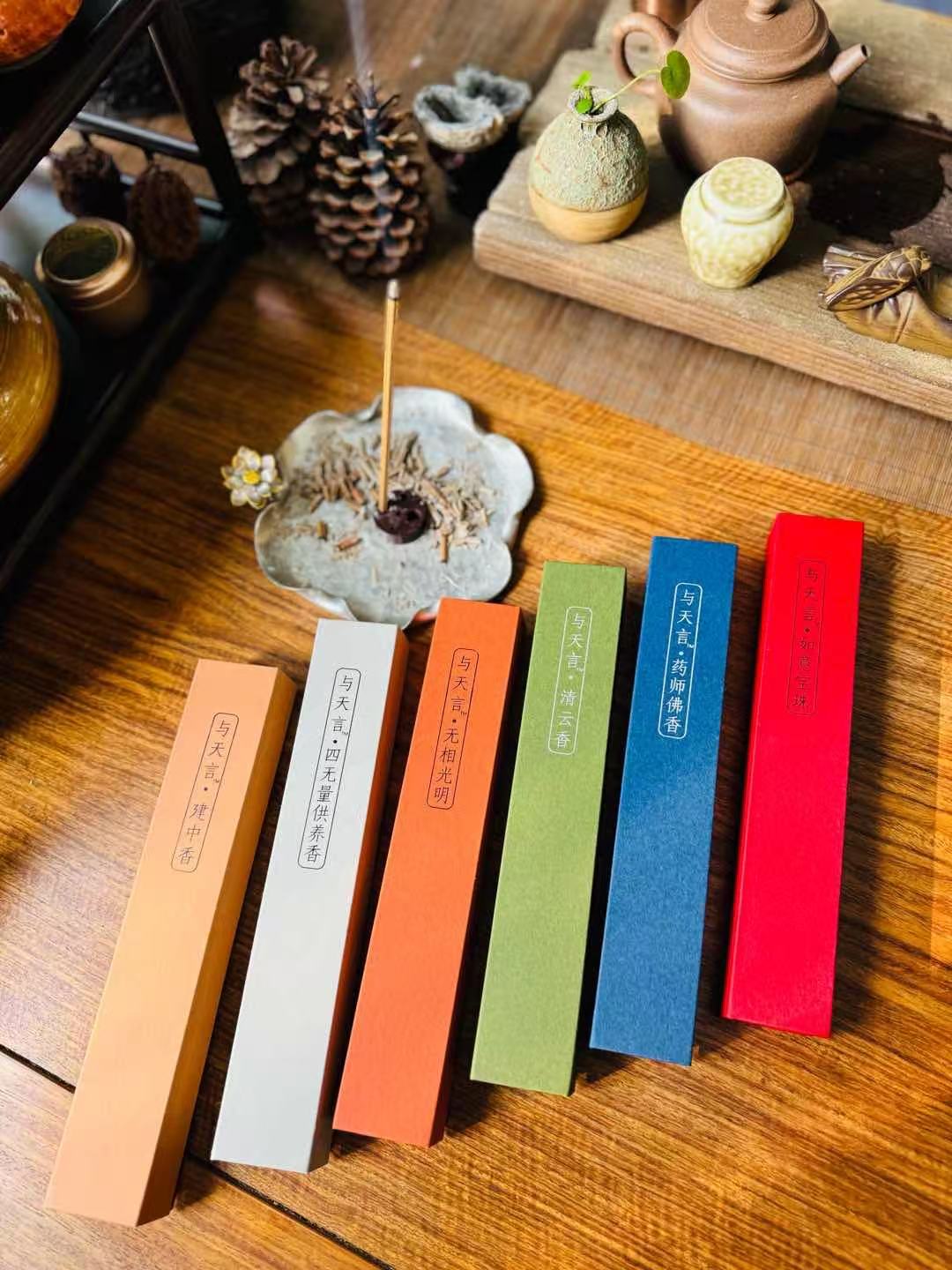
Businesses developing wellness gift sets or private-label collections may consider moxa sticks as part of a broader assortment of traditional wellness products. Depending on supplier capabilities, buyers may be able to discuss individual wrapping, multipack quantities, printed labels, or coordinated retail packaging. Before approving a customized order, confirm minimum quantities, artwork requirements, packaging materials, and expected production times. A preproduction sample can help verify the presentation and ensure that the selected packaging fits the product. Product descriptions should explain the traditional context and intended use clearly, while avoiding unsupported therapeutic claims. Buyers selling across international markets should review local labeling, import, and safety requirements before launch. Careful planning helps align product presentation with brand positioning and customer expectations.

Related products

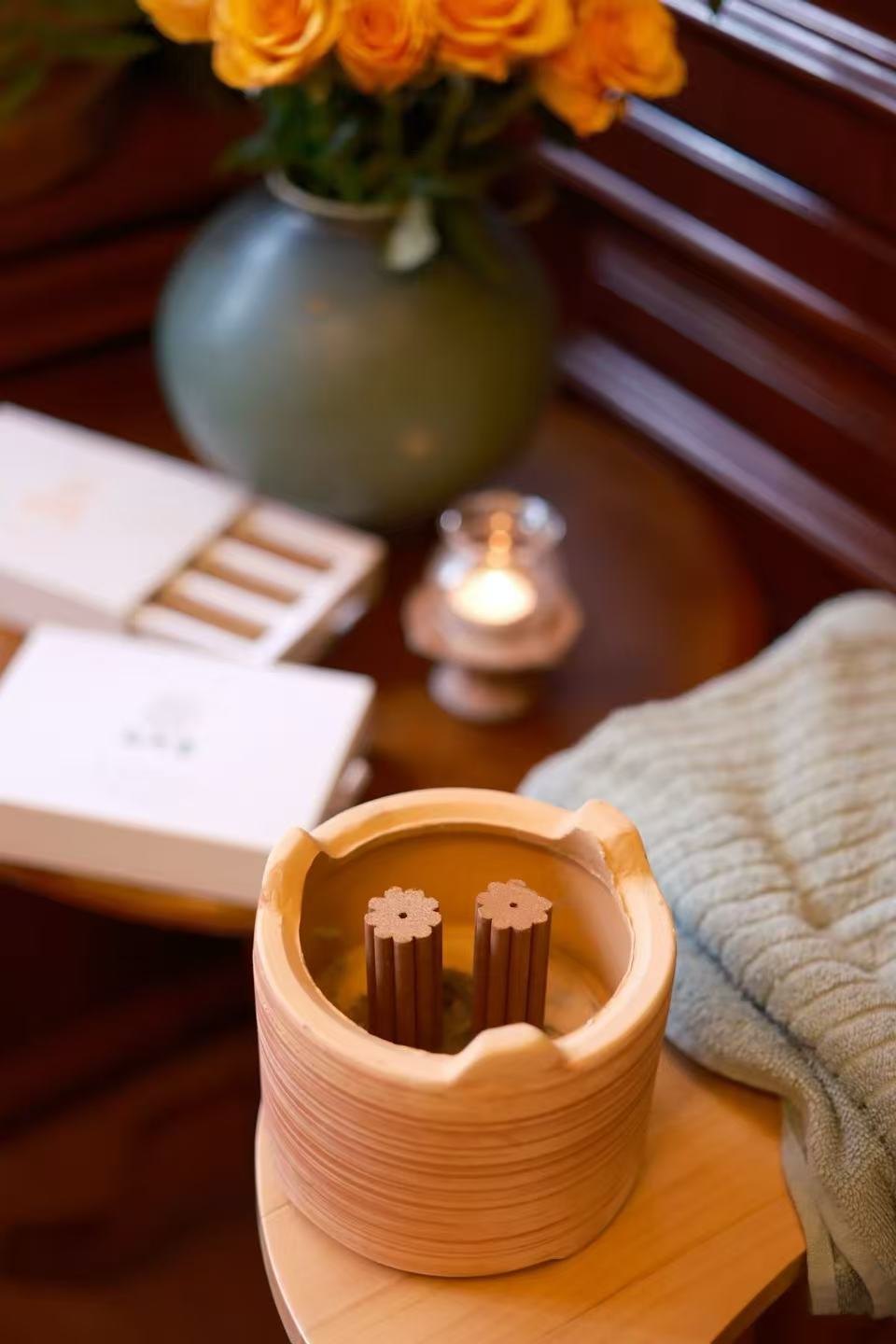
Moxa sticks are used in traditional moxibustion practices, which involve applying heat from burning moxa near specific areas of the body. Businesses sourcing these products for wellness-focused retail collections, practitioner supply channels, or specialist distribution should prioritize product specifications, material consistency, packaging quality, and clear safety information. Product selection may depend on moxa material, stick size, density, construction, aroma, and packaging format. Buyers should request samples and compare the actual products with the supplier's written specifications before placing a larger order. For retail programs, individual wrapping and multipack formats may be relevant, subject to supplier availability and minimum order quantities. When evaluating a supplier, ask about product composition, quality-control procedures, storage recommendations, available documentation, and order lead times. If private-label packaging is required, confirm artwork specifications, labeling language, and customization costs in advance. Businesses should also verify applicable import and product requirements in their target markets. Moxa sticks involve burning material and exposure to heat and smoke. They should be used only with appropriate precautions, adequate ventilation, and suitable fire-safety measures. They are not a substitute for medical diagnosis or treatment, and wellness marketing should avoid unsupported health claims. Clear product information helps buyers make informed sourcing decisions and communicate responsibly with customers.

Frequently Asked Questions

What are moxa sticks used for in traditional wellness practices?

Moxa sticks are traditionally used in moxibustion, a practice involving heat generated by burning moxa near selected areas of the body. Product selection and use depend on the specific tradition and intended application. Buyers should review reliable usage guidance and appropriate safety precautions before offering these products to customers.
Businesses should compare material composition, stick dimensions, construction, aroma, packaging, and product documentation. Requesting samples can help verify whether the product meets purchasing requirements. Buyers should also confirm minimum order quantities, production lead times, storage guidance, and relevant import requirements before committing to an order.
They may fit retail collections focused on traditional wellness practices and related accessories. Suitability depends on the target market, product quality, packaging, and the clarity of customer instructions. Retailers should provide accurate descriptions, communicate fire and smoke precautions, and avoid claims that the product cures or prevents medical conditions.
Some suppliers may offer customized packaging, private labeling, or multipack formats, depending on their production capabilities and order volume. Buyers should confirm minimum quantities, artwork specifications, label requirements, and additional costs. Reviewing a packaging proof or sample before production helps ensure the finished presentation matches the intended retail requirements.
Product information should explain safe handling, appropriate ventilation, fire prevention, storage, and precautions around hot or burning materials. Products should never be left unattended while burning. Users should avoid burns and excessive smoke exposure, and seek qualified professional guidance when considering moxibustion for health-related concerns.

Related article

The Most Common Plant-Based Ingredients Used in Natural Incense.

14

Sep

The Most Common Plant-Based Ingredients Used in Natural Incense.

Resins: The Aromatic Core of Natural Incense Natural incense owes its lasting fragrance and therapeutic depth to plant resins — the sticky, aromatic substances trees secrete to seal wounds and ward off pests. These hardened exudates form the ...
View More
What Defines High-Quality Handmade Incense?

21

Sep

What Defines High-Quality Handmade Incense?

Ingredient Purity: The Non-Negotiable Foundation of Handmade Incense Natural Plant Matter vs. Synthetic Fragrances: Safety, Authenticity, and Regulatory Gaps What truly separates authentic handmade incense from machine-made alternatives begins with...
View More
What Makes Handmade Incense Different from Machine-Made Incense?

28

Sep

What Makes Handmade Incense Different from Machine-Made Incense?

The Core Difference: Craftsmanship vs. Automation in Production The production philosophy dividing handmade incense from machine-made incense fundamentally determines everything from ingredient purity to aroma depth. Where the artisan relies on sen...
View More
What Makes Handmade Incense Different from Machine-Made Incense?

30

Sep

What Makes Handmade Incense Different from Machine-Made Incense?

The Artisan Process: How Handmade Incense Is Crafted Traditional hand-rolling, natural drying, and generational technique mastery Unlike machine extrusion, traditional incense artisans hand-roll each stick using aromatic woods, resins, and natural ...
View More

Customer Testimonials

Olivia Parker

When evaluating moxa sticks for our wellness range, we focus on product consistency, material details, packaging quality, and clear usage information. These factors help us assess suitability for our target customers.

Daniel Foster

Clear product specifications make it easier to compare moxa sticks for different wellness retail channels. Reviewing samples and packaging options before ordering helps us make more informed purchasing decisions.

Get a Free Quote

Our representative will contact you soon.
Email
Mobile/WhatsApp
Name
Company Name
Message
0/1000
Product Details for Informed Selection

Product Details for Informed Selection

Selecting moxa sticks for a wellness product range starts with a clear understanding of product composition, dimensions, construction, aroma, and packaging. Buyers should request written specifications and representative samples to assess whether the products meet their requirements. Consistent product details also make it easier to compare suppliers and manage repeat orders. For professional supply channels, confirm available sizes, relevant documentation, storage recommendations, and product handling instructions. Retail businesses should ensure that product descriptions accurately explain the traditional context and intended use. Avoid relying on unverified claims about therapeutic outcomes. A structured evaluation process helps buyers select products based on practical criteria while maintaining clear communication with suppliers and customers.
Flexible Packaging for Commercial Channels

Flexible Packaging for Commercial Channels

Moxa sticks may be sourced for specialist retailers, traditional wellness suppliers, practitioner-oriented businesses, or private-label collections. Packaging requirements can differ across these channels, from simple protective wrapping to multipacks or branded retail formats. Buyers should confirm which options are available, whether customized packaging requires a minimum order, and how artwork and labeling will be approved. It is also important to review packaging durability, product identification, storage needs, and the inclusion of appropriate safety information. For international distribution, check destination-specific labeling and import requirements before confirming the final design. Clear packaging specifications can simplify inventory management and help businesses present products consistently across their chosen sales channels.
Responsible Wellness Product Positioning

Responsible Wellness Product Positioning

Responsible product positioning is essential when supplying moxa sticks for wellness-related markets. Product pages and packaging should describe the traditional practice accurately, explain relevant handling precautions, and avoid unsupported claims that promise to cure, prevent, or treat medical conditions. Because moxa sticks are burned during use, fire safety, ventilation, smoke exposure, and burn prevention deserve particular attention. Buyers should check whether the supplier provides suitable instructions and relevant documentation for their market. Businesses can also establish internal standards for reviewing product descriptions and promotional materials before publication. This approach supports more informed purchasing, clearer customer expectations, and a professional presentation of traditional wellness products.