
Top Moxibustion Sticks Manufacturer | OEM & Wholesale

Get a Free Quote

Our representative will contact you soon.
Email
Mobile/WhatsApp
Name
Company Name
Message
0/1000
Buyer Feedback on Moxibustion Stick Manufacturing

Buyer Feedback on Moxibustion Stick Manufacturing

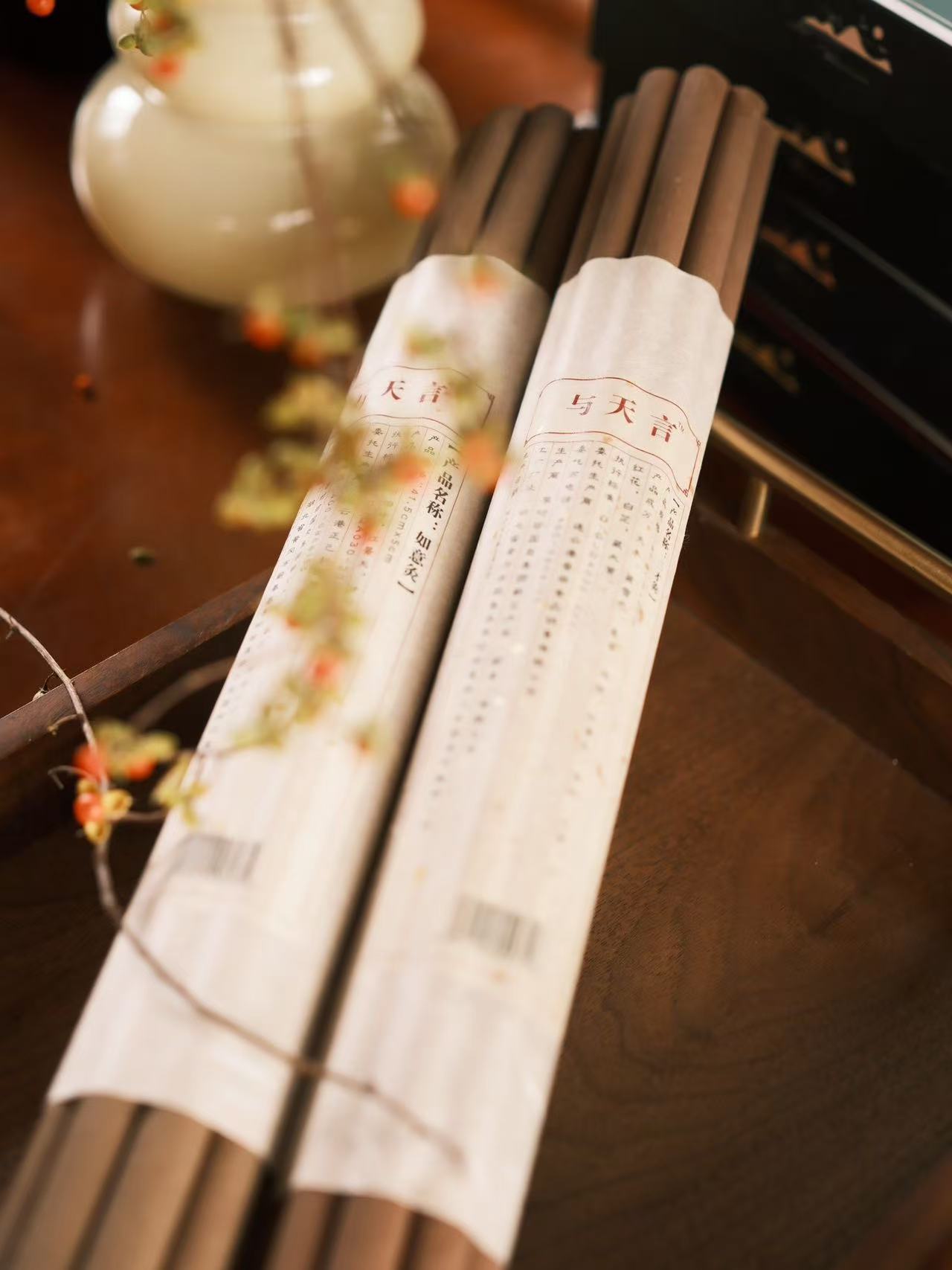
Choosing a moxibustion sticks manufacturer requires careful evaluation of raw materials, production specifications, product consistency, and packaging capabilities. For distributors, traditional wellness brands, practitioner supply companies, and importers, important purchasing factors include mugwort material grade, moxa wool ratio, stick dimensions, density, aroma, and burning characteristics. Manufacturers may offer different product formats, including traditional moxa sticks and smokeless varieties, subject to their production capabilities. Buyers should request samples, technical specifications, available documentation, and quotations before confirming an order. OEM and private-label services may also include customized packaging, labeling, and product configurations. Confirm minimum order quantities, quality-control procedures, lead times, and export requirements directly with the manufacturer to establish clear expectations for long-term cooperation.
Get A Quote

Case Study

Wholesale Distributor Supply

Wholesale distributors need moxibustion sticks that meet consistent product specifications and can be replenished according to customer demand. When evaluating a manufacturer, buyers should review material composition, stick dimensions, moxa wool grade, packaging quantities, and sample quality. Clear production specifications make it easier to compare quotations and confirm that different suppliers are offering comparable products. Buyers should also discuss production capacity, minimum order quantities, carton configurations, lead times, and shipping arrangements. For repeat orders, maintaining an approved reference sample and written product specification can help reduce misunderstandings. A structured supplier evaluation supports purchasing decisions based on quality, price, and delivery requirements rather than manufacturing claims alone.

OEM and Private-Label Production

Brands developing their own moxibustion product lines may need a manufacturer that can coordinate product selection, packaging, labeling, and bulk production. Depending on available capabilities, OEM projects may involve different stick sizes, product grades, individual wrapping, retail boxes, or customized multipacks. Buyers should confirm which elements can be customized, whether special packaging affects minimum order quantities, and how artwork approval is handled. Before mass production, request samples and review the final packaging proof. Establishing clear specifications for the product and its presentation can help maintain consistency across future orders. International brands should also verify labeling, import, and product classification requirements in each target market before launching a private-label range.

Professional Product Development

Businesses supplying traditional wellness retailers and professional moxibustion channels may require products with specific material grades, dimensions, or burning characteristics. Manufacturers should be evaluated on their ability to explain product specifications, provide representative samples, maintain agreed production standards, and communicate changes clearly. Buyers can request information about raw material sourcing, manufacturing processes, batch identification, and quality inspections where applicable. For specialized requirements, confirm whether the manufacturer can support product development or whether existing specifications are more suitable. Packaging integrity and clear safety instructions are also important because moxibustion sticks are burning products. Reviewing these factors before placing an order helps buyers assess whether a manufacturer is suitable for their commercial requirements.

Related products

A reliable moxibustion sticks manufacturer should be able to explain product specifications, available materials, manufacturing capabilities, and order requirements clearly. Moxibustion sticks are commonly made from processed mugwort, also known as Artemisia argyi, and are used in traditional moxibustion practices. Product characteristics can vary according to the raw material, moxa wool grade, processing method, stick dimensions, density, and construction. For importers, distributors, and wellness brands, choosing the right manufacturing partner begins with defining the product requirements. Buyers should specify the preferred size, material grade, product type, packaging format, estimated order quantity, and destination market. Samples should be reviewed before bulk production to assess whether the product matches the agreed specifications. Manufacturing services may include standard production, OEM packaging, private labeling, and customized product configurations, depending on the factory's actual capabilities. Before placing an order, confirm minimum order quantities, production lead times, quality-control procedures, available documentation, payment terms, and shipping arrangements. For international distribution, buyers should check the applicable import, labeling, and product requirements in their target markets. Since moxibustion sticks generate heat and smoke during use, appropriate handling instructions and fire-safety precautions should be provided. A clear specification and sample-approval process helps establish realistic expectations between manufacturers and B2B buyers.
Frequently Asked Questions

What should I look for in a moxibustion sticks manufacturer?

Evaluate raw material specifications, product consistency, sample quality, production capacity, packaging options, and communication. Ask about quality-control procedures and available documentation. It is also important to confirm minimum order quantities, lead times, export experience, and the manufacturer's ability to maintain the agreed specifications across repeat orders.
Some manufacturers offer customization based on their equipment, materials, and production capabilities. Options may include different dimensions, moxa grades, packaging formats, and private-label branding. Buyers should confirm technical feasibility, minimum quantities, customization costs, and sample approval requirements before proceeding with production.
Many manufacturers serving international markets offer OEM or private-label services, although the available options vary. Services may cover product selection, logo printing, packaging design, labeling, and production coordination. Request a written quotation that separates product costs, packaging costs, and any development or setup fees.
Start by requesting representative samples and written specifications covering materials, dimensions, density, and packaging. Ask how raw materials and finished products are inspected, and request relevant documentation where available. Agree on acceptance criteria before production so that both parties understand the required product standards.
Provide your desired product type, moxa material grade, dimensions, order quantity, packaging preferences, destination country, and delivery schedule. Include any OEM or private-label requirements. These details help the manufacturer assess feasibility and provide a more accurate quotation covering production, packaging, and shipping arrangements.

Related article

Why Natural Incense Websites Should Lead With Trusted Manufacturing

17

Aug

Why Natural Incense Websites Should Lead With Trusted Manufacturing

View More
The Most Common Plant-Based Ingredients Used in Natural Incense.

14

Sep

The Most Common Plant-Based Ingredients Used in Natural Incense.

Resins: The Aromatic Core of Natural Incense Natural incense owes its lasting fragrance and therapeutic depth to plant resins — the sticky, aromatic substances trees secrete to seal wounds and ward off pests. These hardened exudates form the ...
View More
Why Is Natural Incense Preferred for Meditation and Wellness?

20

Sep

Why Is Natural Incense Preferred for Meditation and Wellness?

The Science Behind Natural Incense and Neurological Calm Olfactory-Limbic Pathway Activation and Emotional Regulation Inhaling natural incense engages a direct neural route to the brain’s emotional core. Volatile aromatic molecules from plant...
View More
What Makes Handmade Incense Different from Machine-Made Incense?

30

Sep

What Makes Handmade Incense Different from Machine-Made Incense?

The Artisan Process: How Handmade Incense Is Crafted Traditional hand-rolling, natural drying, and generational technique mastery Unlike machine extrusion, traditional incense artisans hand-roll each stick using aromatic woods, resins, and natural ...
View More

Customer Testimonials

Daniel Brooks

For moxibustion stick sourcing, clear specifications for raw materials, dimensions, density, and packaging help us compare suppliers. Reviewing samples before bulk production supports better purchasing decisions.

Emily Carter

When developing a branded moxibustion product line, we value clear communication about packaging options, minimum quantities, and production schedules. Sample approval helps align the final product with our requirements.

Get a Free Quote

Our representative will contact you soon.
Email
Mobile/WhatsApp
Name
Company Name
Message
0/1000
Defined Product Specifications

Defined Product Specifications

Effective moxibustion stick manufacturing begins with clearly defined product specifications. Buyers should establish the required mugwort material, moxa wool grade, dimensions, density, construction, and packaging format before requesting quotations. These details allow manufacturers to assess production feasibility and help purchasing teams compare offers fairly. Request representative samples and retain an approved reference for future orders. Where applicable, ask for information about raw material sourcing, batch identification, and finished-product inspections. Specifications should also define any acceptable variations and packaging requirements. By documenting these details before production, buyers and manufacturers can reduce misunderstandings and establish a clearer basis for product evaluation and repeat purchasing.
OEM and Private-Label Flexibility

OEM and Private-Label Flexibility

OEM and private-label manufacturing can help distributors and wellness brands develop products suited to their target markets. Depending on factory capabilities, projects may involve customized packaging, branded labels, multipack formats, or selected product specifications. Buyers should clarify minimum order quantities, artwork requirements, sample charges, production timelines, and customization costs at the beginning of the project. A sample and packaging proof should be approved before bulk manufacturing begins. For international sales, review applicable labeling, import, and product requirements before finalizing packaging artwork. A clear approval process helps coordinate the manufacturer, brand owner, and purchasing team while supporting more consistent product presentation across orders.