Non Toxic Agarbatti for B2B Buyers: Ingredient Transparency & Safety Guidelines

Get a Free Quote

Our representative will contact you soon.
Email
Mobile/WhatsApp
Name
Company Name
Message
0/1000
Customer Reviews

Customer Reviews

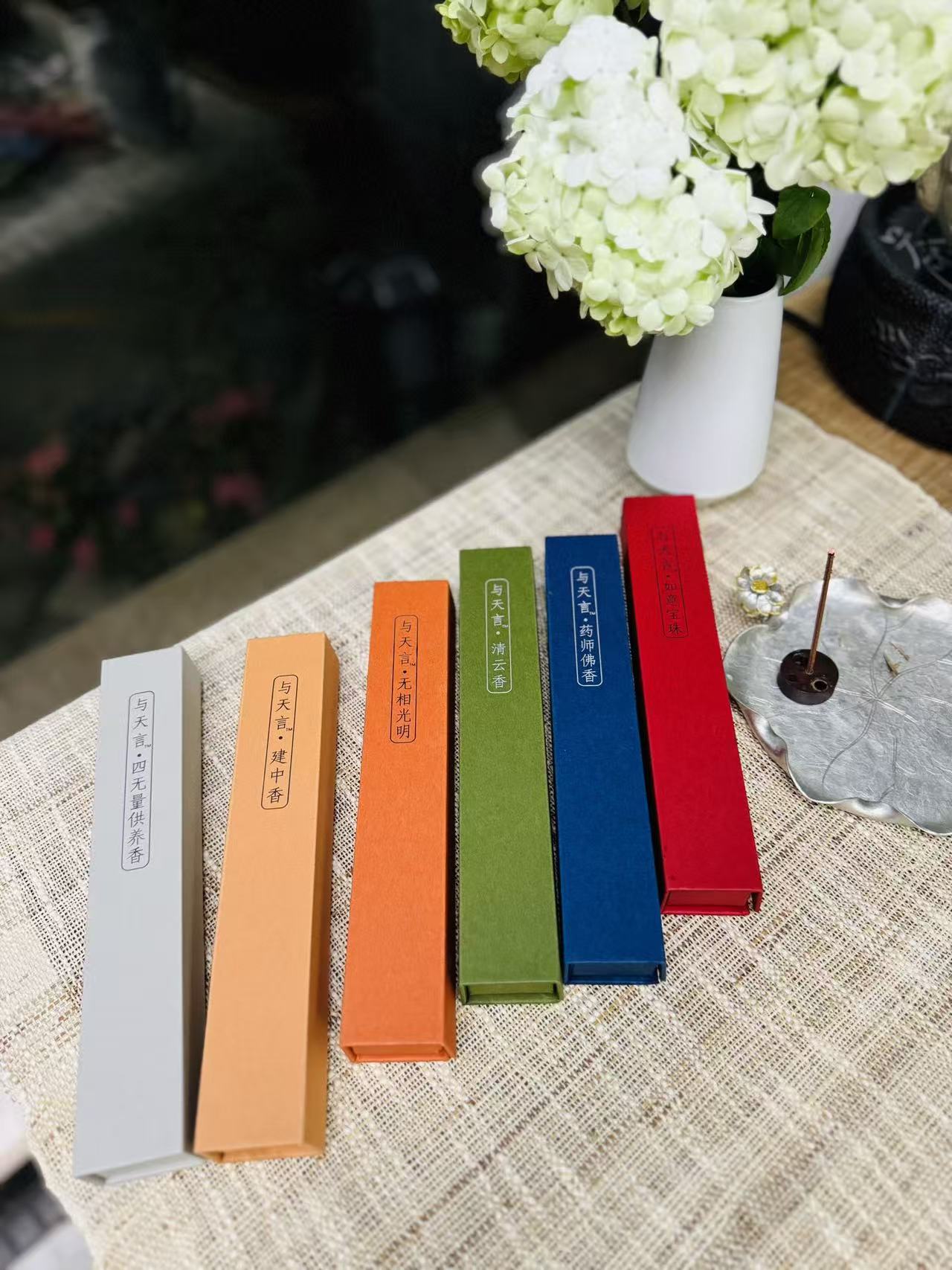
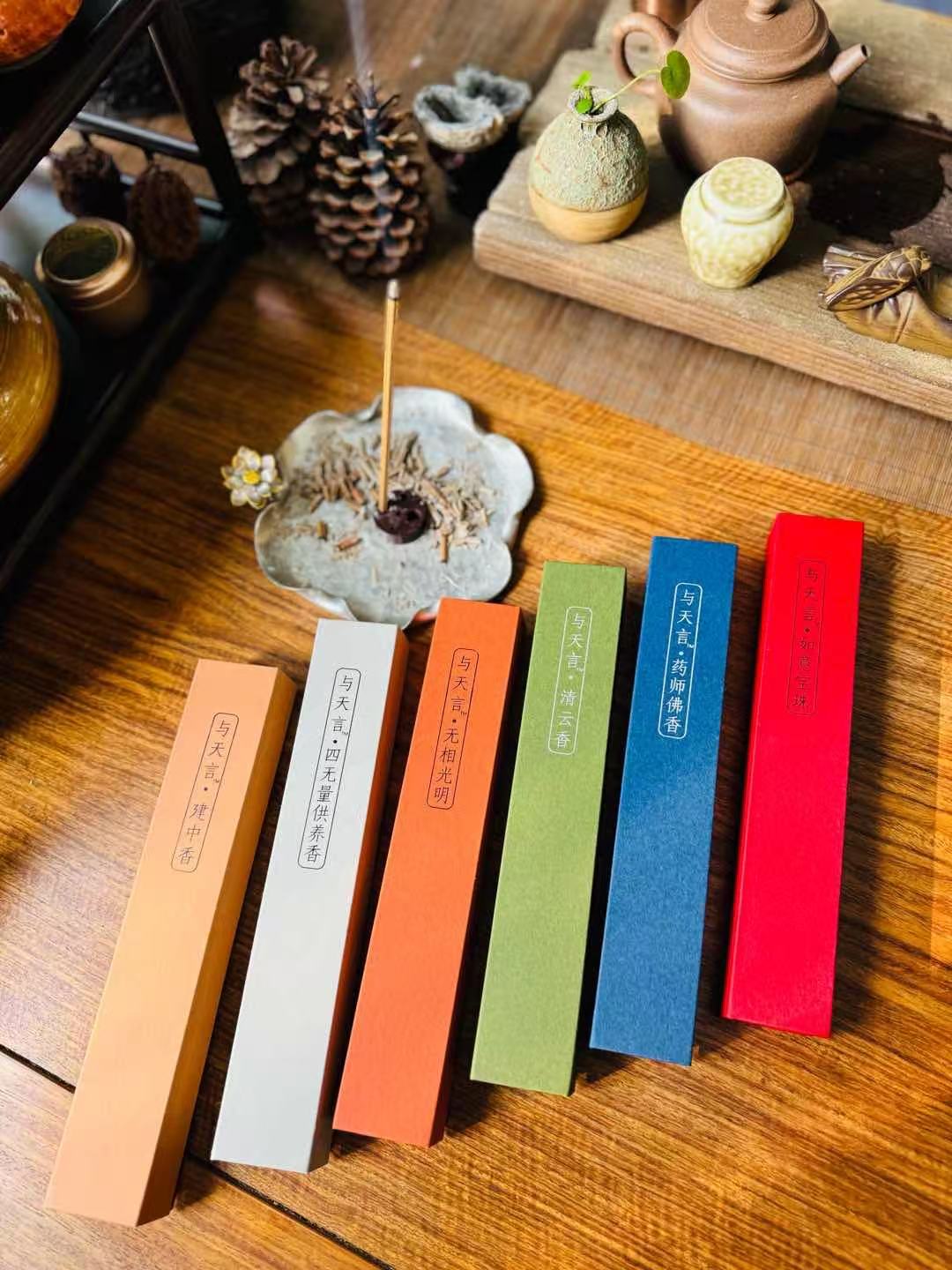
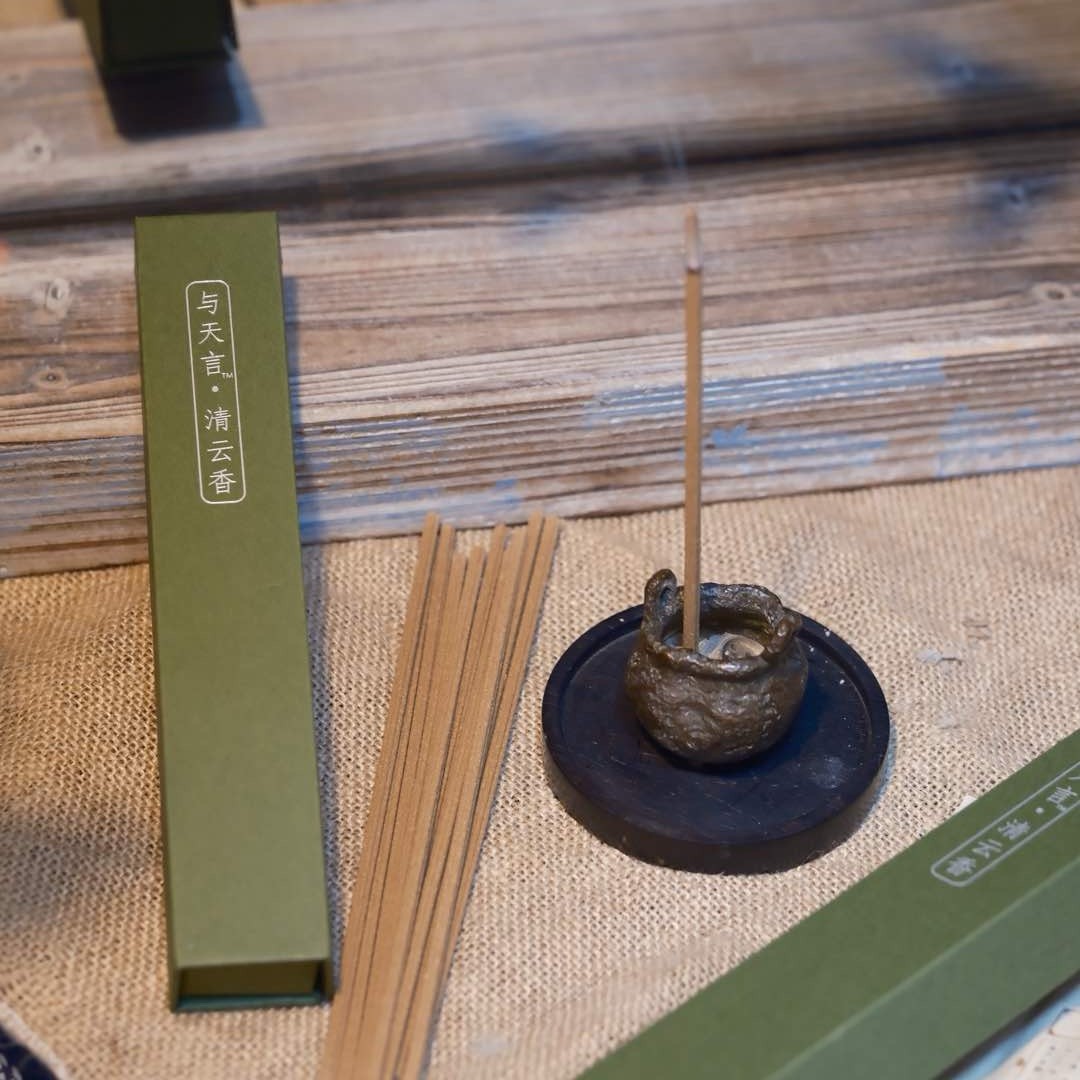
Businesses sourcing non toxic agarbatti should prioritize ingredient transparency, product specifications, and appropriate safety documentation when evaluating incense products. Retailers, wholesalers, and distributors may seek agarbatti with botanical-inspired fragrances and clearly identified formulation details for traditional rituals, home fragrance, and specialty retail markets. However, the term non toxic should not be treated as a guarantee of zero risk, particularly because burning incense produces smoke and airborne particles. Buyers should request ingredient information, review applicable product standards, and confirm that any safety-related claims are supported by relevant evidence. Comparing three sample varieties can help evaluate fragrance characteristics, stick structure, and packaging. Before placing bulk orders, confirm minimum quantities, production schedules, labeling requirements, and shipping terms.
Get A Quote

Case Study

Agarbatti for Specialty Retail Stores

Specialty retailers need incense products with clear descriptions and specifications that help customers make informed choices. When evaluating agarbatti for a retail collection, buyers should review the ingredient list, fragrance profile, stick dimensions, packaging, and available product documentation. A practical approach is to compare three varieties and assess their fragrance characteristics, physical consistency, and customer appeal before committing to larger quantities. Retailers should avoid presenting a product as completely harmless unless the claim is supported by appropriate evidence. Product labels should accurately describe the formulation and provide relevant usage instructions. Reviewing customer feedback during an initial four-week sales period can help stores refine their assortment and plan restocking around observed demand.

Agarbatti for Traditional and Spiritual Supply Shops

Traditional and spiritual supply shops often stock agarbatti for prayer, ceremonies, and everyday incense use. Buyers looking for products marketed as non toxic should verify the actual ingredients rather than relying on promotional wording alone. Fragrance materials, binders, and other formulation components can vary, so ingredient transparency is an important part of product selection. Buyers should also review stick dimensions, burning characteristics, package quantities, and usage instructions. Requesting samples and available quality documents can help purchasing teams compare options before placing a wholesale order. Since incense combustion generates smoke, customers should be advised to burn products in a well-ventilated area and follow the manufacturer's instructions. Accurate descriptions support responsible product presentation and more informed purchasing decisions.

Agarbatti for Wholesale and Private Label Brands

Wholesale distributors and private-label brands need clear product specifications to manage sourcing and communicate accurately with customers. Before selecting agarbatti, prepare a brief outlining the desired fragrance profile, ingredient requirements, stick format, package quantity, and estimated order volume. Ask the supplier which formulations are available and what ingredient disclosures or safety documentation can be provided. If samples are available, compare fragrance, physical structure, packaging quality, and burning characteristics before approving the final specifications. Any claim such as non toxic, chemical free, or safer burning should be reviewed carefully and supported by appropriate evidence. Confirm minimum order quantities, packaging costs, production timelines, and destination-market labeling requirements before placing a bulk order.

Related products

Non toxic agarbatti is a search term used by buyers looking for incense products with clear ingredient information and a focus on responsible sourcing. The term itself does not establish that a product is free from health risks. Actual formulation, fragrance ingredients, burning conditions, and exposure to smoke all matter when evaluating incense. For wholesale buyers, important checks include the ingredient list, stick composition, product specifications, available safety documentation, packaging, and labeling accuracy. Ask suppliers to clarify the basis for any safety-related claims rather than relying on general marketing language. Retailers and distributors should also confirm minimum order quantities, production lead times, carton specifications, and shipping arrangements. If you are developing a private-label range, prepare your ingredient requirements, preferred fragrance profiles, packaging format, and destination market before requesting quotations. A structured comparison of samples and product documents can help your team select suitable agarbatti products and describe them accurately to customers.

Frequently Asked Questions

What does non toxic agarbatti mean?

Non toxic agarbatti generally describes incense marketed with safety-focused ingredient claims, but the term alone does not prove that a product is risk-free. Buyers should review the actual ingredients, supporting documentation, and product-use instructions before making a purchasing decision.
Request a complete ingredient list, product specifications, and available safety documentation from the supplier. Confirm the identity of fragrance materials and binders where disclosed, and check that product labeling accurately reflects the formulation and applicable market requirements.
No. Natural origin does not automatically establish safety, and burning incense produces smoke and airborne particles. Evaluate the actual formulation, follow usage instructions, and ensure adequate ventilation rather than relying on terms such as natural or herbal alone.
Private-label sourcing depends on the supplier's capabilities and available formulations. Ask about ingredient disclosure, product documentation, fragrance options, packaging, and minimum quantities. Ensure that any safety-related marketing claims can be substantiated before printing labels or launching products.
Confirm ingredient information, product specifications, available documentation, minimum order quantities, packaging details, production lead times, and shipping terms. For international sales, review destination-market labeling requirements and verify that product claims are accurate and supported.

Related article

Why Do Consumers Choose Handmade Incense Over Machine-Made Products?

18

Sep

Why Do Consumers Choose Handmade Incense Over Machine-Made Products?

Emotional Resonance and Ritual Significance of Handmade Incense Deepening Mindfulness and Intention Through Ritual Use Unlike mass-produced alternatives, handmade incense serves as a tactile anchor for mindfulness practice. The deliberate act of se...
View More
What Defines High-Quality Handmade Incense?

21

Sep

What Defines High-Quality Handmade Incense?

Ingredient Purity: The Non-Negotiable Foundation of Handmade Incense Natural Plant Matter vs. Synthetic Fragrances: Safety, Authenticity, and Regulatory Gaps What truly separates authentic handmade incense from machine-made alternatives begins with...
View More
How to Choose the Right Incense for Different Applications?

23

Sep

How to Choose the Right Incense for Different Applications?

Match Incense to Your Primary Application: Meditation, Cleansing, Focus, and Relaxation Meditation & Spiritual Grounding: Sandalwood, Frankincense, and Myrrh for Depth and Stillness For centuries, meditative traditions have relied on grounding resi...
View More
What Makes Handmade Incense Different from Machine-Made Incense?

30

Sep

What Makes Handmade Incense Different from Machine-Made Incense?

The Artisan Process: How Handmade Incense Is Crafted Traditional hand-rolling, natural drying, and generational technique mastery Unlike machine extrusion, traditional incense artisans hand-roll each stick using aromatic woods, resins, and natural ...
View More

Customer Testimonials

Daniel R.

We were looking for agarbatti with clearly documented ingredients. Reviewing product specifications and fragrance options helped us compare products for our retail collection.

Sophia M.

The product details helped us evaluate incense options for our customers. Comparing samples, packaging, and ingredient information made our purchasing process more organized.

Get a Free Quote

Our representative will contact you soon.
Email
Mobile/WhatsApp
Name
Company Name
Message
0/1000
Ingredient Transparency

Ingredient Transparency

Ingredient transparency helps wholesale buyers make more informed decisions when evaluating agarbatti products. Request product composition details and available supporting documentation before selecting items for retail or distribution. Review fragrance materials, binders, stick structure, and any other disclosed formulation components. If a supplier describes a product as non toxic, ask what evidence supports that specific claim and whether it applies to the finished product. Comparing three product options using the same checklist can help purchasing teams identify differences in formulation and documentation. Clear records also make it easier to prepare accurate product descriptions and respond to customer questions. Avoid making absolute safety claims unless appropriate evidence supports them.
Responsible Product Evaluation

Responsible Product Evaluation

A responsible evaluation process considers both product composition and how incense is used. Buyers should review ingredient information, fragrance characteristics, burning performance, available safety documentation, and recommended usage instructions. Sample evaluation can help teams compare aroma and physical consistency, but it cannot independently establish that a product is harmless. Because burning agarbatti generates smoke, instructions should emphasize appropriate ventilation and safe handling. For wholesale orders, record the approved specifications and verify that packaging descriptions match the actual product. This process supports clearer supplier communication and more accurate product presentation. It also helps businesses distinguish documented product characteristics from broad marketing language that may not be adequately substantiated.
Wholesale and Labeling Preparation

Wholesale and Labeling Preparation

Wholesale preparation involves more than selecting a fragrance. Before placing an agarbatti order, confirm product format, ingredient information, package quantity, minimum order requirements, production lead times, and shipping arrangements. Businesses planning private-label products should review all proposed wording, especially claims involving non toxic, chemical free, natural, or safer burning. Confirm that these statements are supported by suitable evidence and comply with the labeling requirements of the intended market. Keep records of product specifications and any documentation supplied by the manufacturer. Reviewing these details before approving artwork can reduce costly packaging changes and help distributors provide consistent information to retailers. A structured purchasing process supports more reliable sourcing and clearer communication throughout the supply chain.