
Handmade Incense Supplier: 3-Step Sourcing Guide for B2B Buyers

Get a Free Quote

Our representative will contact you soon.
Email
Mobile/WhatsApp
Name
Company Name
Message
0/1000
Customer Experiences with Handmade Incense Supply

Customer Experiences with Handmade Incense Supply

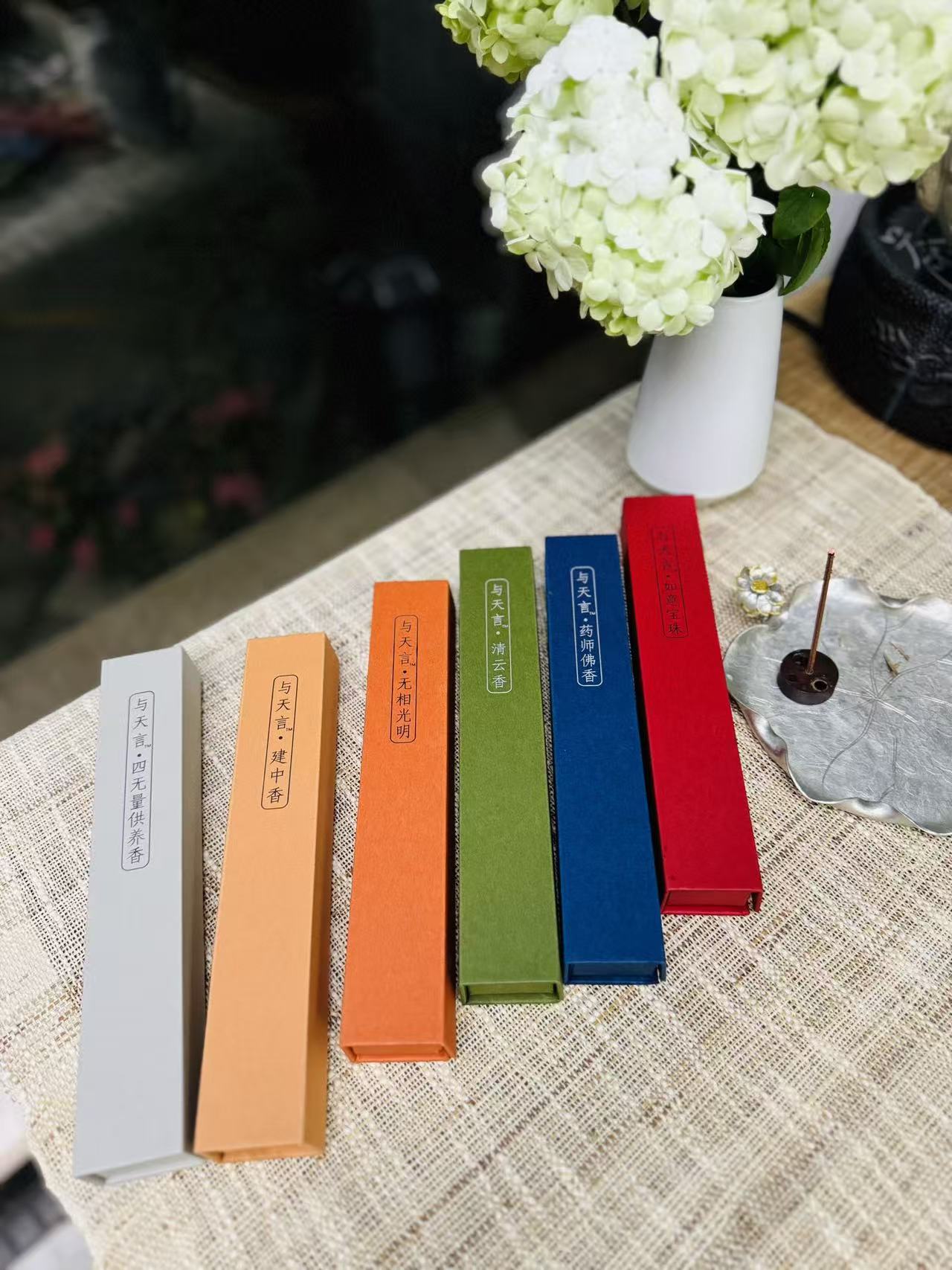
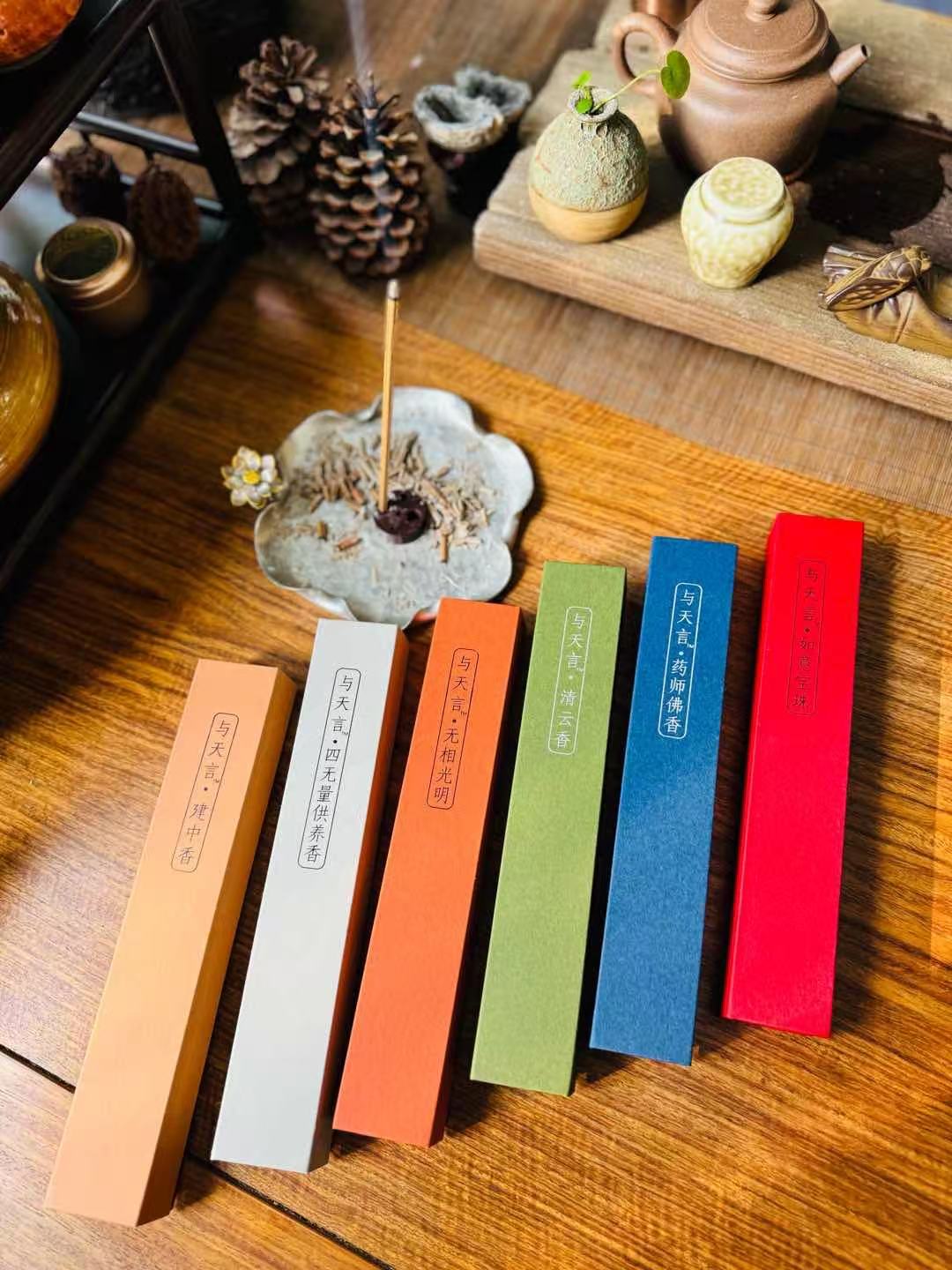
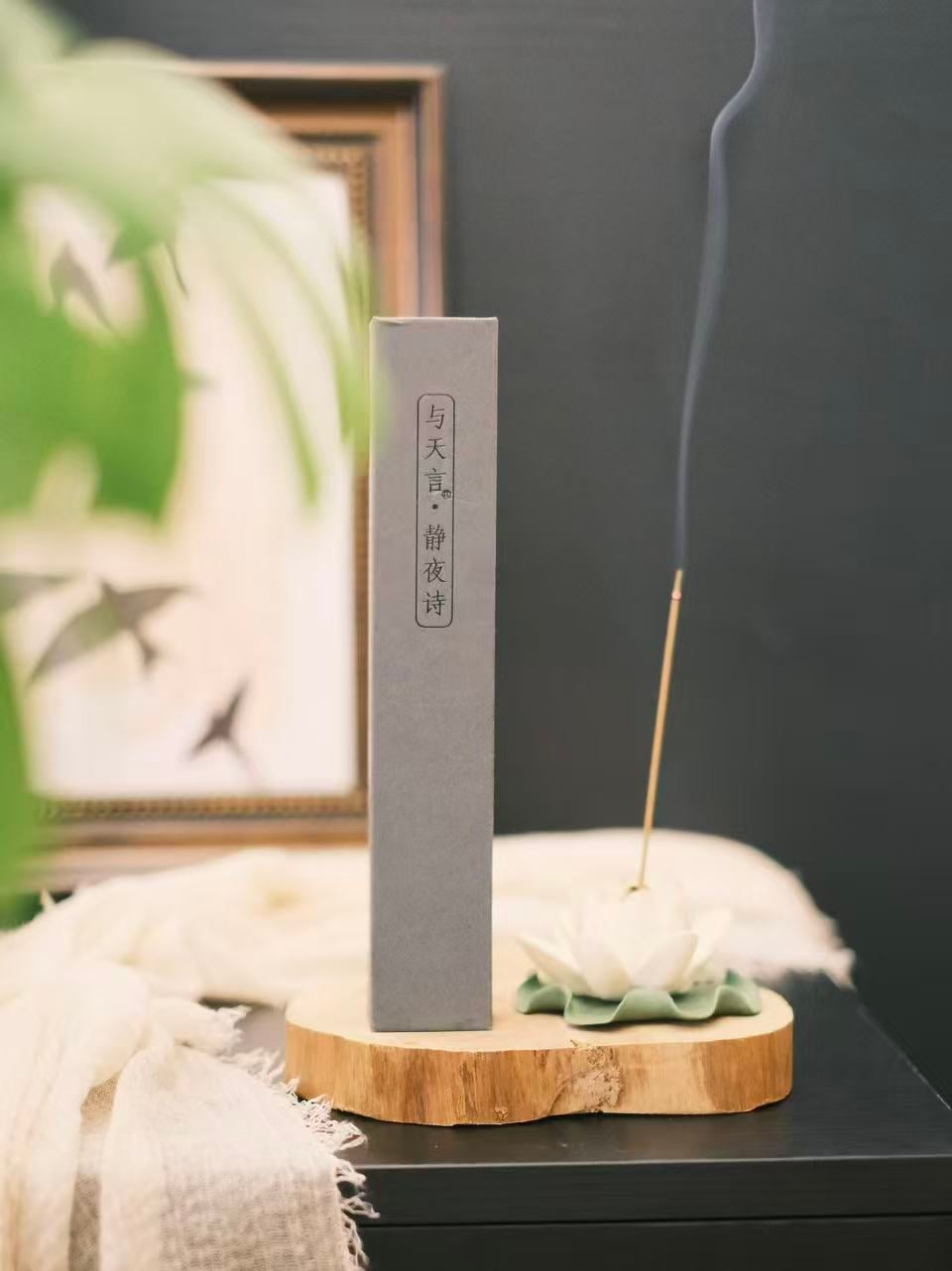
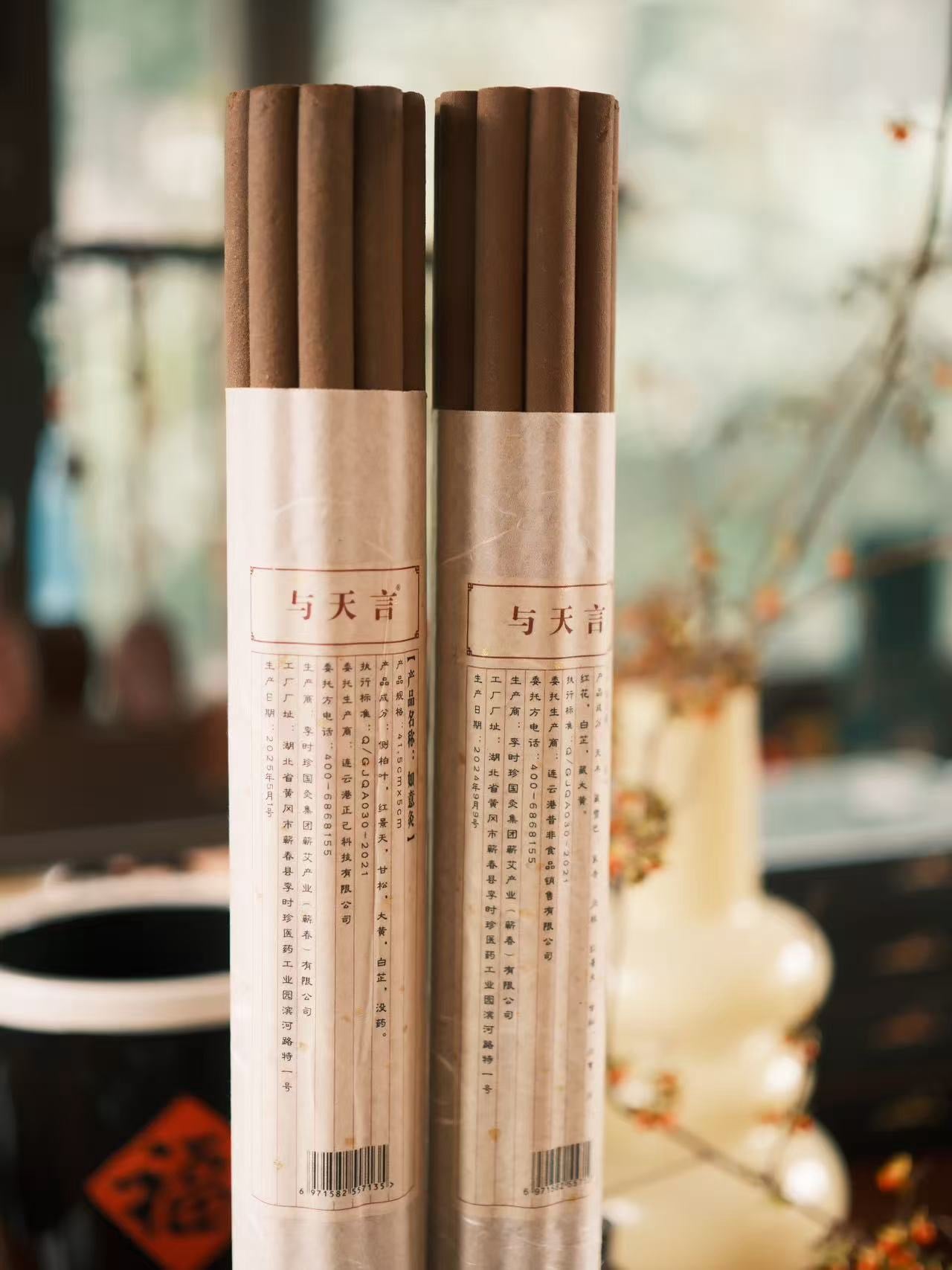
Choosing a dependable handmade incense supplier helps retailers and distributors build distinctive fragrance collections while maintaining clear product expectations. Handmade incense may involve blending aromatic powders, herbs, resins and other fragrance materials before forming and drying the sticks. Methods and ingredients vary by product, making supplier transparency essential. Buyers should compare at least three samples for aroma, stick dimensions, burning consistency and packaging quality before confirming a purchase. Religious goods stores, meditation retailers, gift businesses and home fragrance distributors can select products based on their audiences and sales channels. Requesting written specifications, ingredient information and order terms also supports more reliable purchasing decisions and helps reduce differences between approved samples and subsequent shipments.
Get A Quote

Case Study

Specialty Incense and Gift Retailers

A specialty retailer wants to expand its incense collection with handmade products that offer distinctive fragrance profiles and attractive packaging. The buyer requests three samples and compares scent character, stick integrity, ash formation and package presentation. Ingredient details are reviewed before product descriptions are prepared for the store's website and shelf labels. The retailer also considers pack quantities and storage requirements when planning the first order. By recording sample feedback against a consistent checklist, the purchasing team can compare suppliers more objectively. This process helps the business choose products suited to its customer base while establishing clear expectations for future replenishment and maintaining a well-organized fragrance assortment.

Meditation and Wellness Product Distributors

A wellness distributor is sourcing handmade incense for yoga studios, meditation shops and home fragrance retailers. Its purchasing team evaluates several fragrance profiles to determine which options suit different customer preferences. Samples are checked for dimensions, physical consistency, packaging condition and burning behavior under appropriate ventilation. The distributor also asks suppliers to explain their production methods and provide accurate ingredient descriptions. These details help the business prepare informative product listings without making unsupported claims about natural ingredients or wellness benefits. Before ordering, the team confirms minimum quantities, carton configurations and delivery schedules. A documented evaluation process supports clearer supplier comparisons and helps the distributor plan stock for multiple sales channels.

Importers and Wholesale Purchasing Teams

An importer needs a handmade incense supplier capable of meeting documented product requirements for international distribution. The buyer begins by specifying fragrance preferences, stick format, packaging needs and estimated order volume. Sample products are evaluated against these requirements, with attention to aroma consistency, dimensions and packaging integrity. The supplier's business information, manufacturing process and available product documentation are also reviewed. Before placing a bulk order, both parties confirm specifications, minimum quantities, lead times and shipping terms in writing. A pre-shipment inspection can then compare the finished goods with the approved reference sample. This structured approach helps purchasing teams manage sourcing risks and prepare for repeat orders.

Related products

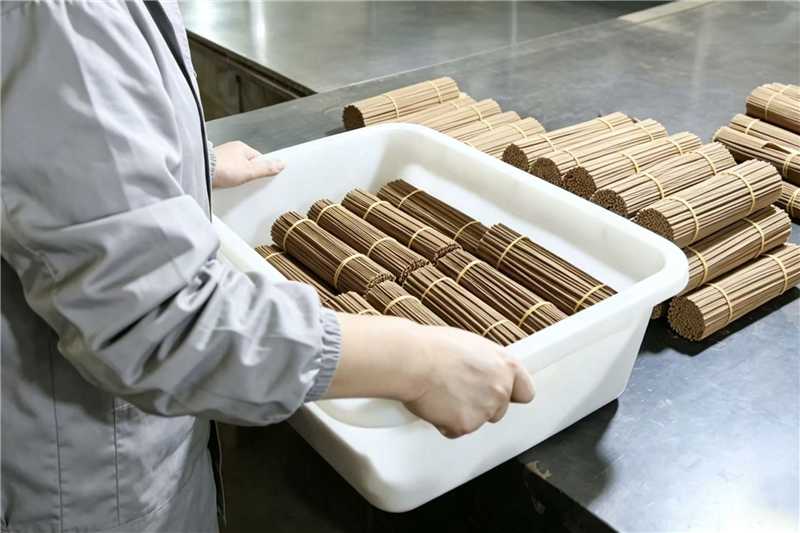
A handmade incense supplier serves businesses seeking distinctive fragrance products for retail, distribution and specialty applications. Handmade incense production can involve blending aromatic powders, herbs, woods, resins and binding materials, then shaping and drying the mixture into sticks or other formats. Actual ingredients and manufacturing techniques vary, so buyers should confirm the formulation and process for each product rather than assume every handmade incense item follows the same method. For wholesale sourcing, product evaluation should cover fragrance character, dimensions, physical consistency, packaging and burning performance. Requesting samples gives buyers a practical way to compare options before committing to larger quantities. Written specifications can establish a reference for subsequent orders and help purchasing teams evaluate batch consistency. Handmade incense may suit devotional stores, meditation accessory retailers, gift collections and home fragrance distributors. When discussing a potential order, buyers should confirm available scents, pack sizes, minimum quantities, production lead times and shipping arrangements. Ingredient declarations and relevant product documentation can also support accurate marketing and destination-market requirements. A clear sourcing process helps businesses compare suppliers, organize inventory and develop a fragrance assortment that reflects their customers' preferences.
Frequently Asked Questions

What should buyers look for in a handmade incense supplier?

Buyers should review the supplier's business information, production methods, ingredient transparency and ability to meet written product specifications. Request samples to compare fragrance, stick consistency, packaging and burning behavior. Before ordering, confirm minimum quantities, production lead times, shipping terms and the documentation available for the intended market.
Compare samples for aroma, stick dimensions, physical integrity, packaging and burning consistency. Ask the supplier how ingredients are selected and how finished products are checked. An approved reference sample and written specifications provide useful benchmarks for reviewing subsequent batches and reducing misunderstandings during repeat purchasing.
Handmade incense can suit specialty incense shops, devotional goods retailers, meditation accessory stores, gift businesses and home fragrance distributors. The right selection depends on customer preferences, sales channels and target price points. Buyers should compare fragrance options and packaging formats before deciding on an assortment.
Some suppliers may offer private-label or custom production, but capabilities vary. Buyers should ask whether branding, packaging, fragrance selection or product specifications can be adjusted. Confirm available options, minimum quantities, sampling procedures, costs and lead times before planning a branded product launch.
Provide the desired incense format, fragrance preferences, estimated quantity, packaging requirements and delivery destination. If customization is required, include branding and labeling expectations. These details help suppliers assess the request and clarify applicable minimum quantities, production schedules, shipping costs and other commercial terms.

Related article

What Parameters Should Buyers Confirm When Customizing Natural Incense?

17

Aug

What Parameters Should Buyers Confirm When Customizing Natural Incense?

View More
Why Do Consumers Choose Handmade Incense Over Machine-Made Products?

18

Sep

Why Do Consumers Choose Handmade Incense Over Machine-Made Products?

Emotional Resonance and Ritual Significance of Handmade Incense Deepening Mindfulness and Intention Through Ritual Use Unlike mass-produced alternatives, handmade incense serves as a tactile anchor for mindfulness practice. The deliberate act of se...
View More
What Defines High-Quality Handmade Incense?

21

Sep

What Defines High-Quality Handmade Incense?

Ingredient Purity: The Non-Negotiable Foundation of Handmade Incense Natural Plant Matter vs. Synthetic Fragrances: Safety, Authenticity, and Regulatory Gaps What truly separates authentic handmade incense from machine-made alternatives begins with...
View More
What Makes Handmade Incense Different from Machine-Made Incense?

30

Sep

What Makes Handmade Incense Different from Machine-Made Incense?

The Artisan Process: How Handmade Incense Is Crafted Traditional hand-rolling, natural drying, and generational technique mastery Unlike machine extrusion, traditional incense artisans hand-roll each stick using aromatic woods, resins, and natural ...
View More

Customer Testimonials

Daniel Brooks

We compared three handmade incense samples for our retail range. Reviewing aroma, stick quality and packaging helped us identify suitable options for our customers and purchasing plans.

Priya Sharma

Clear product specifications made it easier to compare handmade incense options. Our team evaluated fragrance profiles, pack sizes and presentation before selecting products for our specialty collection.

Get a Free Quote

Our representative will contact you soon.
Email
Mobile/WhatsApp
Name
Company Name
Message
0/1000
Craft-Inspired Fragrance Selection

Craft-Inspired Fragrance Selection

Handmade incense can offer varied fragrance profiles shaped by the ingredients, blending approach and forming method used in production. Buyers may explore woody, herbal, floral or resinous options to develop a collection that suits their target customers. Requesting three or more samples can provide a practical basis for comparing aroma intensity, stick integrity and packaging presentation. Product descriptions should accurately reflect the ingredients and avoid unsupported claims about composition or performance. For specialty retailers, this careful selection process helps create a more coherent assortment and gives sales teams useful information for answering customer questions. Approved samples can also serve as reference points when discussing future orders with suppliers.
Wholesale Supply for Multiple Sales Channels

Wholesale Supply for Multiple Sales Channels

A handmade incense supplier may serve several types of business buyers, including specialty stores, devotional product retailers, gift distributors and home fragrance businesses. Each channel has different requirements for packaging, product variety and order quantities. Buyers should compare available formats, pack sizes, carton configurations and lead times before selecting a supplier. Sample evaluation helps confirm that the product matches the intended assortment, while written specifications clarify expectations for repeat purchases. Retailers can also group compatible fragrances or pair incense with suitable accessories to build coordinated collections. Careful purchasing and inventory planning help businesses manage storage requirements, maintain product availability and respond more effectively to changing customer preferences.