
Handmade Incense Sticks for B2B Buyers: Quality, Sourcing & Use Cases

Get a Free Quote

Our representative will contact you soon.
Email
Mobile/WhatsApp
Name
Company Name
Message
0/1000
Customer Reviews

Customer Reviews

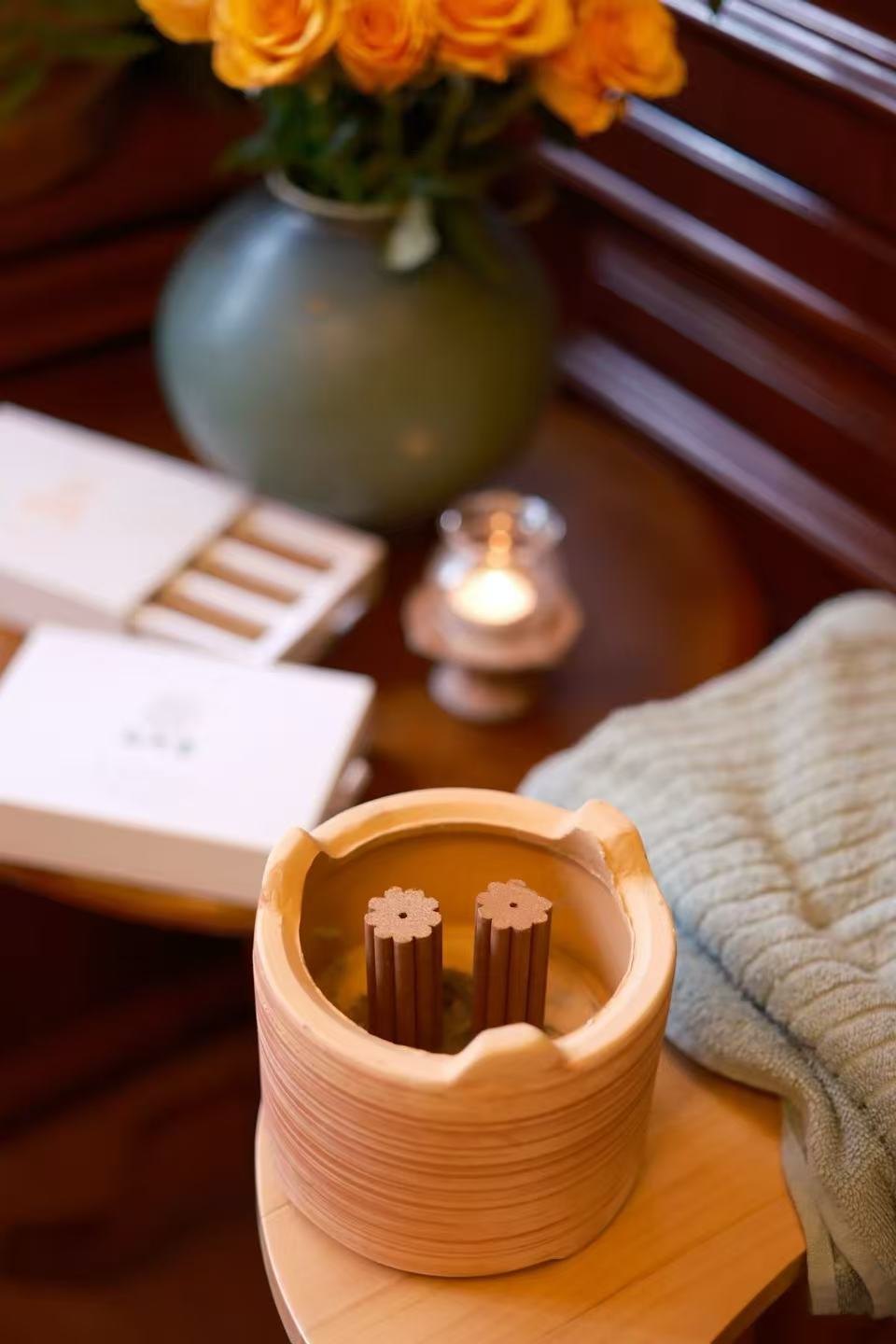
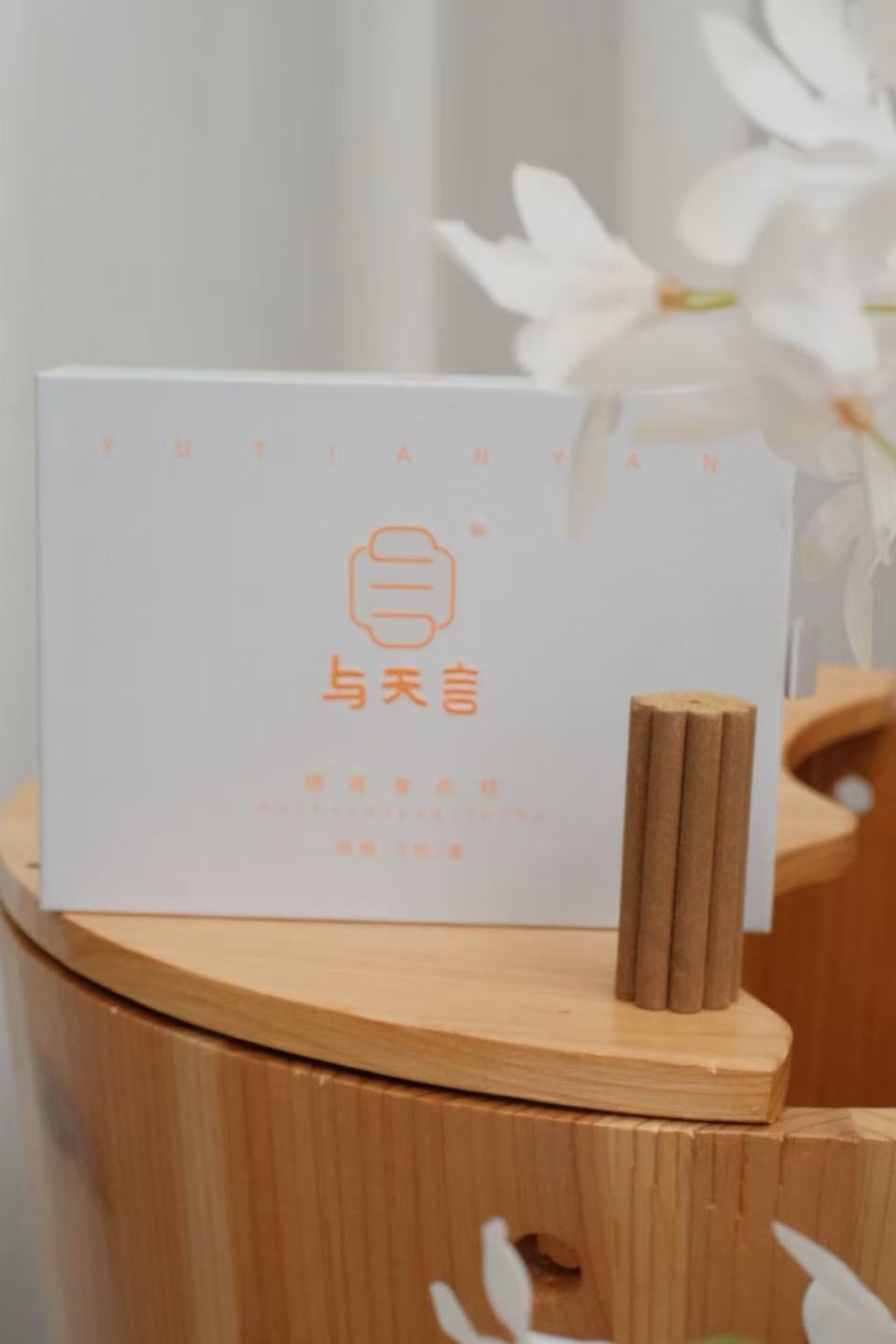
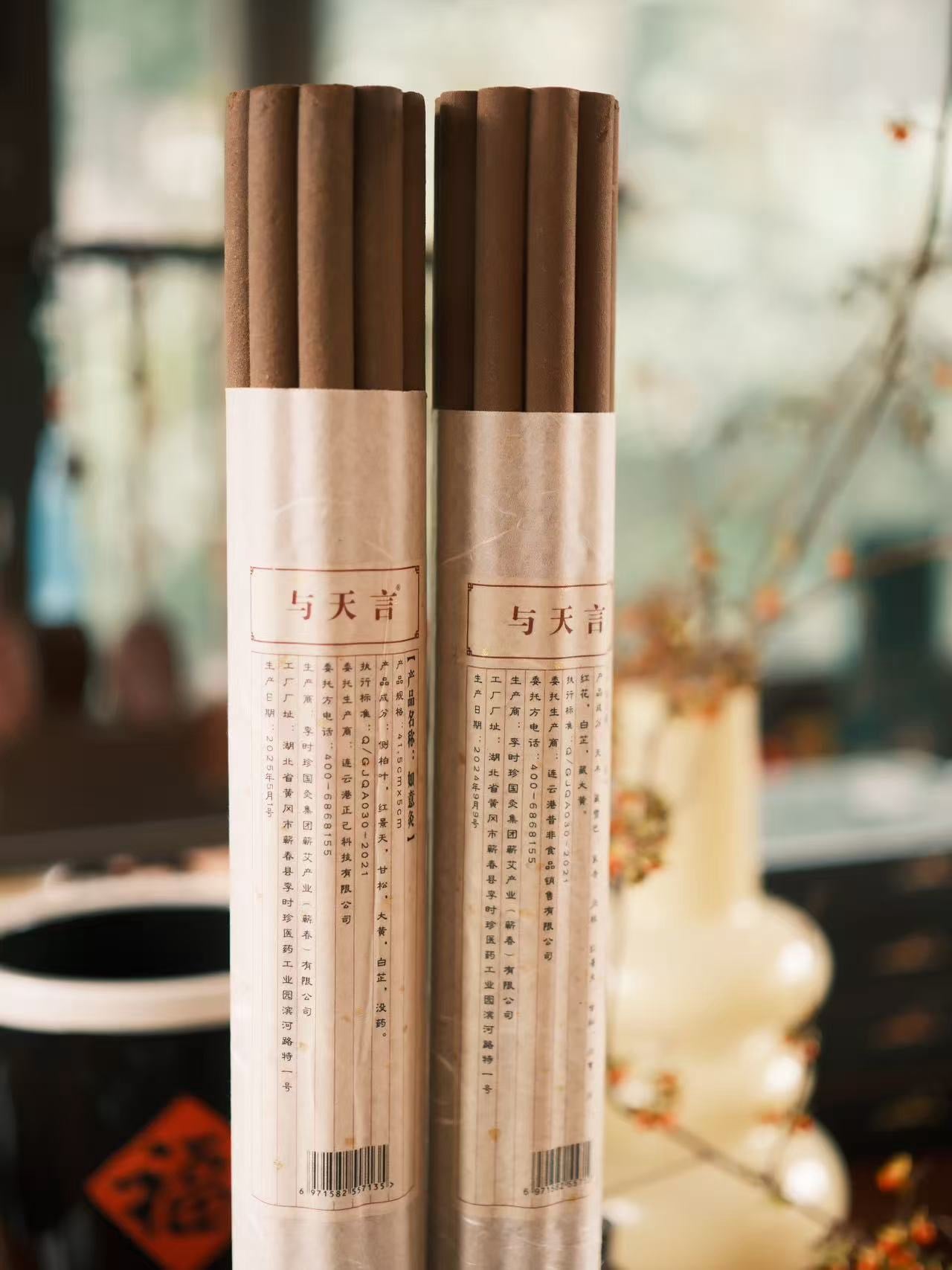
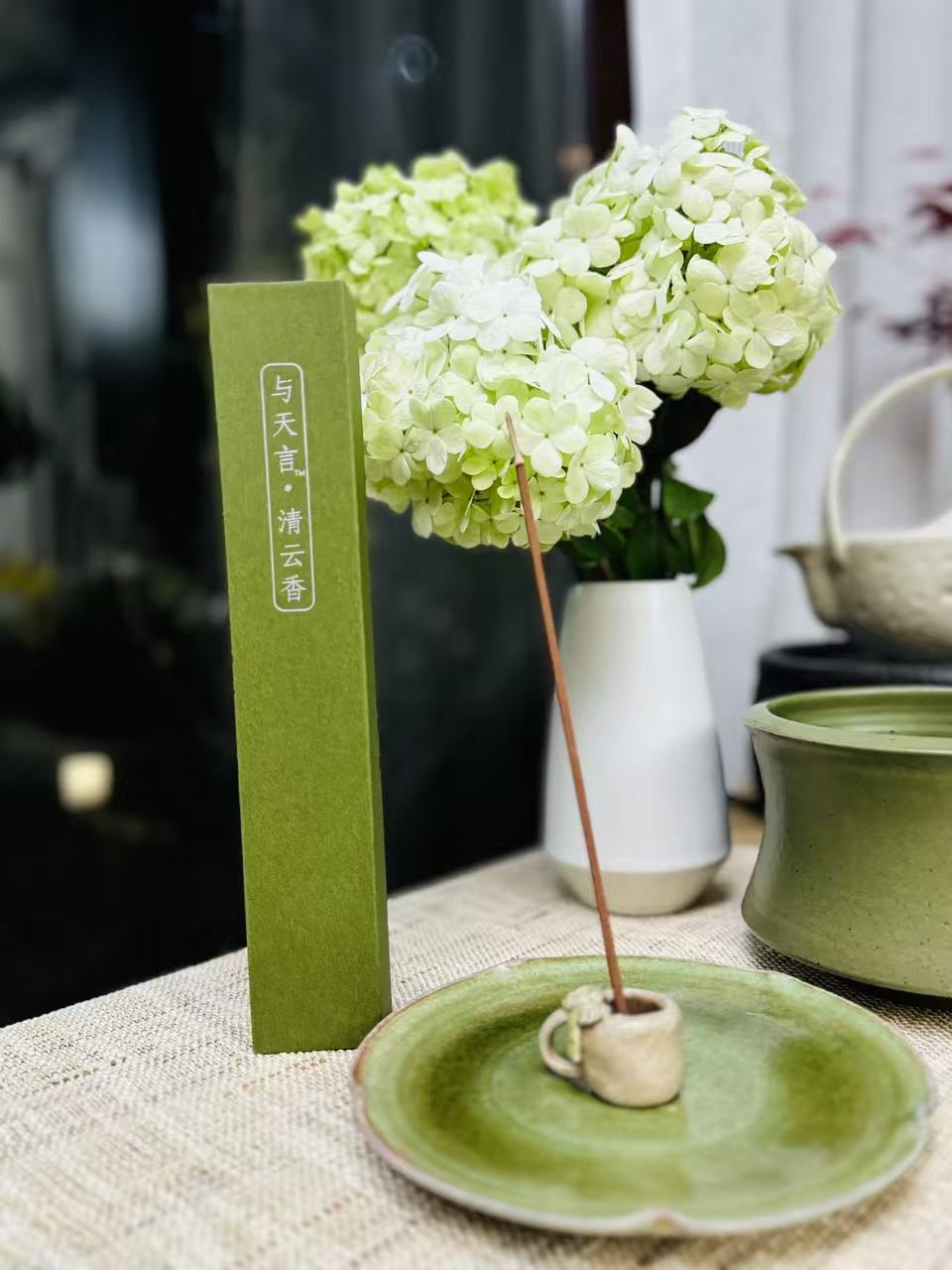
Handmade incense sticks offer a traditional fragrance experience with an artisanal appearance that appeals to retailers, distributors, gift shops, and home fragrance brands. They can complement collections focused on home ambiance, meditation spaces, yoga studios, and cultural gift products. When evaluating incense for commercial use, buyers should consider fragrance consistency, ingredient transparency, stick dimensions, packaging, and burn characteristics. A practical starting point is to compare samples across several fragrance profiles and assess their suitability for the intended market. Businesses can also review packaging requirements, order quantities, and customization options before making sourcing decisions. These considerations help buyers build a product assortment that reflects customer preferences while maintaining clear expectations for quality and presentation.
Get A Quote

Case Study

Home Fragrance Retail Collections

Home fragrance retailers can introduce handmade incense sticks alongside candles, room accessories, and other aromatic products. A carefully selected range of woody, floral, or herbal-inspired fragrances can help address different customer preferences. For example, a specialty shop might organize products by fragrance family or intended atmosphere, making selection easier for shoppers. Buyers should assess sample quality, packaging durability, product labeling, and storage requirements before adding incense to their assortment. Clear product descriptions can also help customers understand the fragrance character and recommended use. This approach supports a cohesive retail presentation while allowing businesses to test customer interest before expanding their product range.

Yoga and Meditation Environments

Yoga studios and meditation spaces may use handmade incense sticks to create a distinctive ambient fragrance during suitable sessions. Woody or herbal-inspired scents can complement a calm interior design, while simple packaging may suit studios selling related lifestyle products. Before choosing an incense range, operators should consider room size, ventilation, smoke sensitivity, and participant preferences. A studio could begin by testing one or two fragrance options in a suitable, well-ventilated area and gathering feedback from regular visitors. Incense should never be presented as a proven treatment for sleep or stress. Careful product selection helps businesses create an appropriate atmosphere while respecting comfort and safe-use requirements.

Gift Shops and Specialty Stores

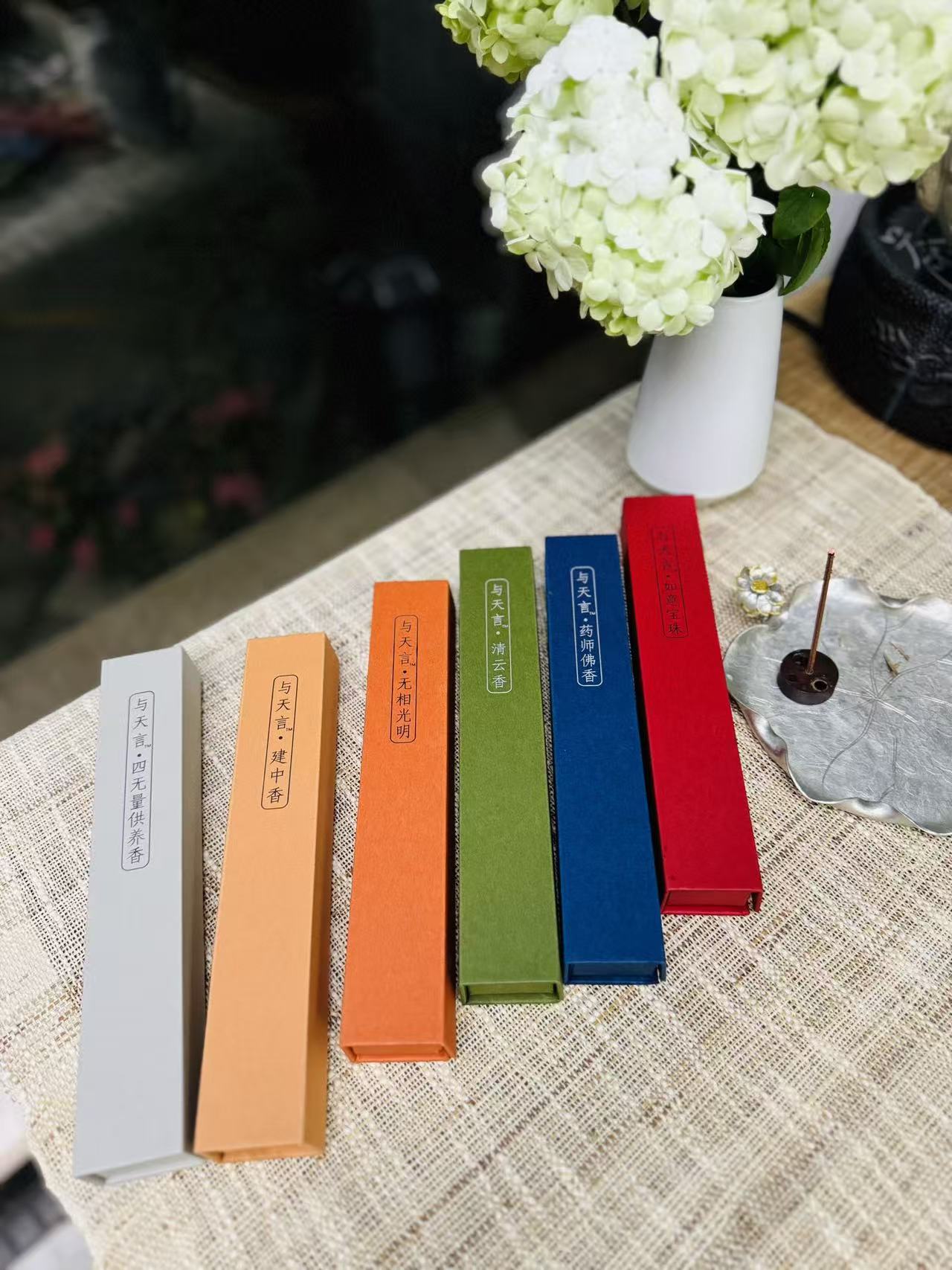
Gift shops can incorporate handmade incense sticks into seasonal gift sets, cultural craft collections, and home fragrance bundles. Their traditional appearance can pair naturally with incense holders, decorative trays, and other small accessories. For example, a retailer preparing a festive collection might combine a fragrance product with a complementary holder and coordinated packaging. Wholesale buyers should review dimensions, packaging materials, labeling needs, and available fragrance choices before planning the assortment. They should also confirm minimum order quantities and delivery timelines with the supplier. Thoughtful product grouping can make incense easier to merchandise and provide customers with a more complete gifting option.

Related products

Handmade incense sticks combine traditional fragrance practices with product presentation suited to home fragrance retailers, gift businesses, distributors, and lifestyle brands. Depending on the formulation, incense may contain aromatic plant materials, wood powders, resins, binders, or other fragrance ingredients. Buyers should request accurate ingredient information rather than assume every product has the same composition. Fragrance preferences also vary by market, making sample evaluation an important step before a wholesale order. Businesses can compare woody, floral, herbal, and resin-inspired profiles for different customer groups, then assess stick dimensions, burning characteristics, packaging, and labeling. For private-label projects, buyers should confirm whether custom packaging or fragrance selection is available, along with minimum quantities and lead times. YT Natural provides a starting point for businesses exploring incense sourcing. Specific product specifications and customization options should be verified directly with the supplier before purchase.
Frequently Asked Questions

What are handmade incense sticks?

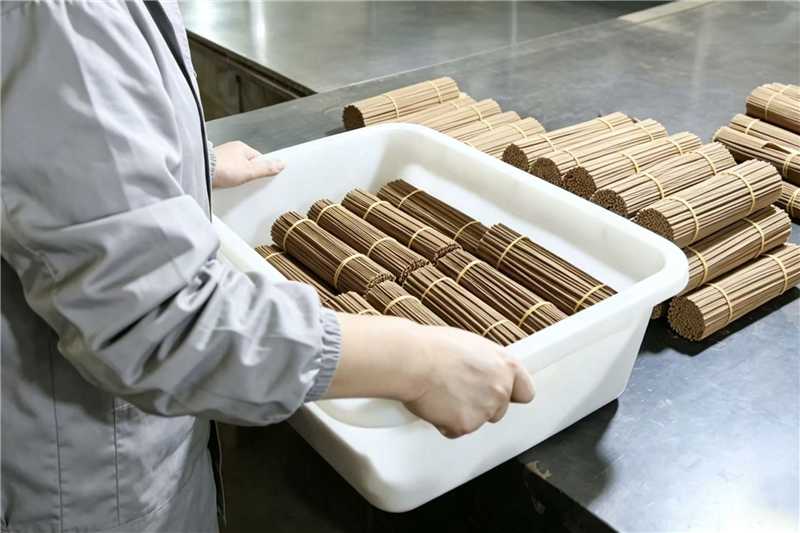
Handmade incense sticks are fragrance products produced using manual or traditional manufacturing techniques, depending on the supplier. Their ingredients and production methods can vary by formulation. Buyers should request product specifications and ingredient details to understand the composition, fragrance profile, and intended use before selecting products for retail or wholesale distribution.
Handmade incense sticks may suit retailers, distributors, gift shops, and home fragrance brands seeking traditional aromatic products. Before ordering, compare samples and confirm pricing, minimum order quantities, packaging specifications, and production lead times. Clear communication about your target market can help establish suitable product and sourcing requirements.
Fragrance availability depends on the supplier's product range. Common fragrance directions include woody, floral, herbal, sandalwood-inspired, and resin-inspired profiles. Buyers should confirm which options are currently available and request samples when possible. Testing products before ordering helps businesses choose fragrances that align with their customers' preferences and market positioning.
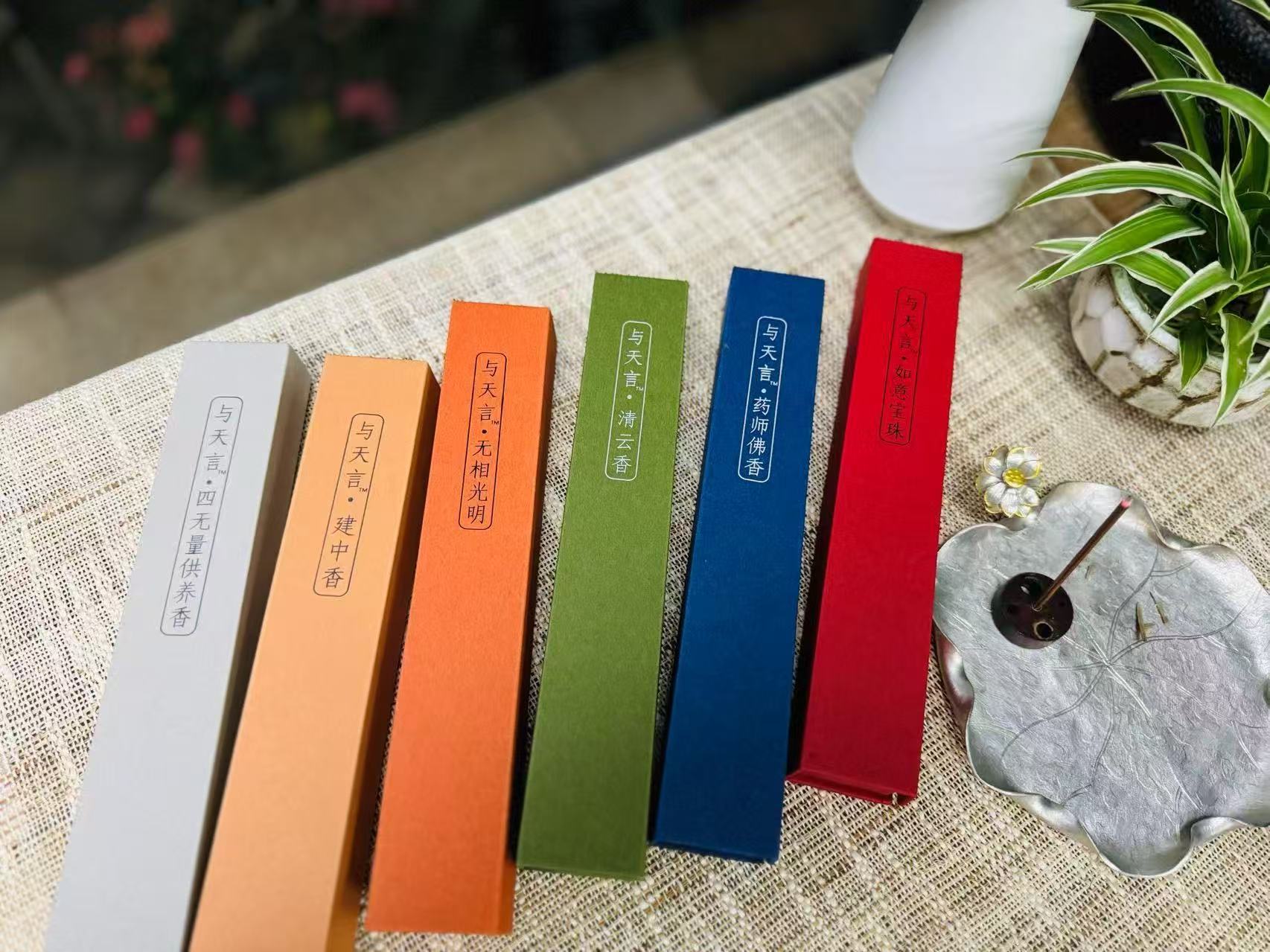
Packaging customization may be available depending on the supplier, order quantity, and project requirements. Options to discuss may include branded labels, outer packaging, product information, and coordinated designs. Businesses should provide their preferred specifications and confirm minimum quantities, setup requirements, production schedules, and applicable labeling rules before approving an order.
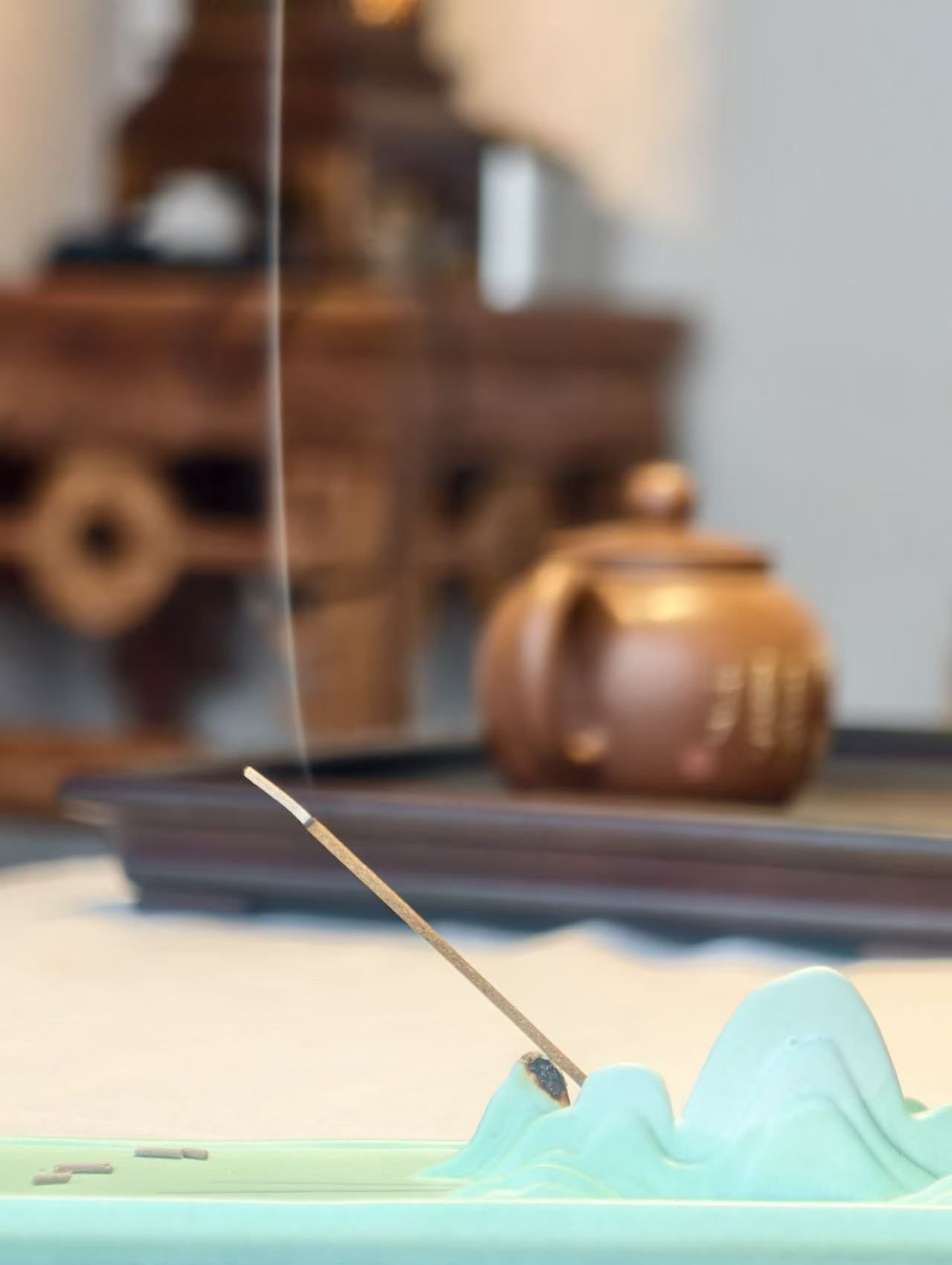
Place each incense stick in a stable, heat-resistant holder away from curtains, paper, and other flammable materials. Use incense only in a well-ventilated area, avoid direct inhalation of smoke, and consider people sensitive to fragrances or smoke. Never leave burning incense unattended, and follow the supplier's product instructions.

Related article

What Parameters Should Buyers Confirm When Customizing Natural Incense?

17

Aug

What Parameters Should Buyers Confirm When Customizing Natural Incense?

View More
The Most Common Plant-Based Ingredients Used in Natural Incense.

14

Sep

The Most Common Plant-Based Ingredients Used in Natural Incense.

Resins: The Aromatic Core of Natural Incense Natural incense owes its lasting fragrance and therapeutic depth to plant resins — the sticky, aromatic substances trees secrete to seal wounds and ward off pests. These hardened exudates form the ...
View More
Why Do Consumers Choose Handmade Incense Over Machine-Made Products?

18

Sep

Why Do Consumers Choose Handmade Incense Over Machine-Made Products?

Emotional Resonance and Ritual Significance of Handmade Incense Deepening Mindfulness and Intention Through Ritual Use Unlike mass-produced alternatives, handmade incense serves as a tactile anchor for mindfulness practice. The deliberate act of se...
View More
What Makes Handmade Incense Different from Machine-Made Incense?

28

Sep

What Makes Handmade Incense Different from Machine-Made Incense?

The Core Difference: Craftsmanship vs. Automation in Production The production philosophy dividing handmade incense from machine-made incense fundamentally determines everything from ingredient purity to aroma depth. Where the artisan relies on sen...
View More

Customer Testimonials

Emily Carter

Handmade incense sticks bring traditional fragrance and artisanal appeal to our home fragrance assortment. Their presentation suits specialty retail, gift collections, and customers seeking distinctive aromatic products.

Daniel Brooks

We wanted incense products that complement our lifestyle gifts. The handcrafted appearance works well alongside decorative accessories, candles, and other fragrance items in our seasonal product collection.

Get a Free Quote

Our representative will contact you soon.
Email
Mobile/WhatsApp
Name
Company Name
Message
0/1000
Traditional Craft and Fragrance Appeal

Traditional Craft and Fragrance Appeal

Handmade incense sticks offer a traditional aesthetic that can help distinguish a home fragrance collection from conventional mass-market products. Their appearance may complement cultural gifts, decorative accessories, meditation products, and specialty retail assortments. Buyers can explore fragrance families such as woody, floral, and herbal-inspired scents to match different customer preferences. For instance, a gift retailer may group incense with holders and decorative items to create a coordinated presentation. Product selection should be based on verified specifications, sample evaluation, and the intended market rather than broad claims about quality or performance. This approach helps businesses develop a distinctive assortment while keeping product descriptions accurate and commercially relevant.
Flexible Options for Different Markets

Flexible Options for Different Markets

Different sales channels require different approaches to fragrance selection and product presentation. Specialty retailers may prioritize attractive packaging, while distributors often focus on consistent specifications, shipping suitability, and dependable ordering processes. Yoga studios and lifestyle stores may prefer understated presentation that fits their environment and customer expectations. Before launching a new range, buyers can compare a small selection of samples, gather feedback, and evaluate packaging needs. They should also confirm available fragrances, order quantities, lead times, and customization options with the supplier. Matching product attributes to the intended channel can support clearer positioning and more informed purchasing decisions across international markets.