EN


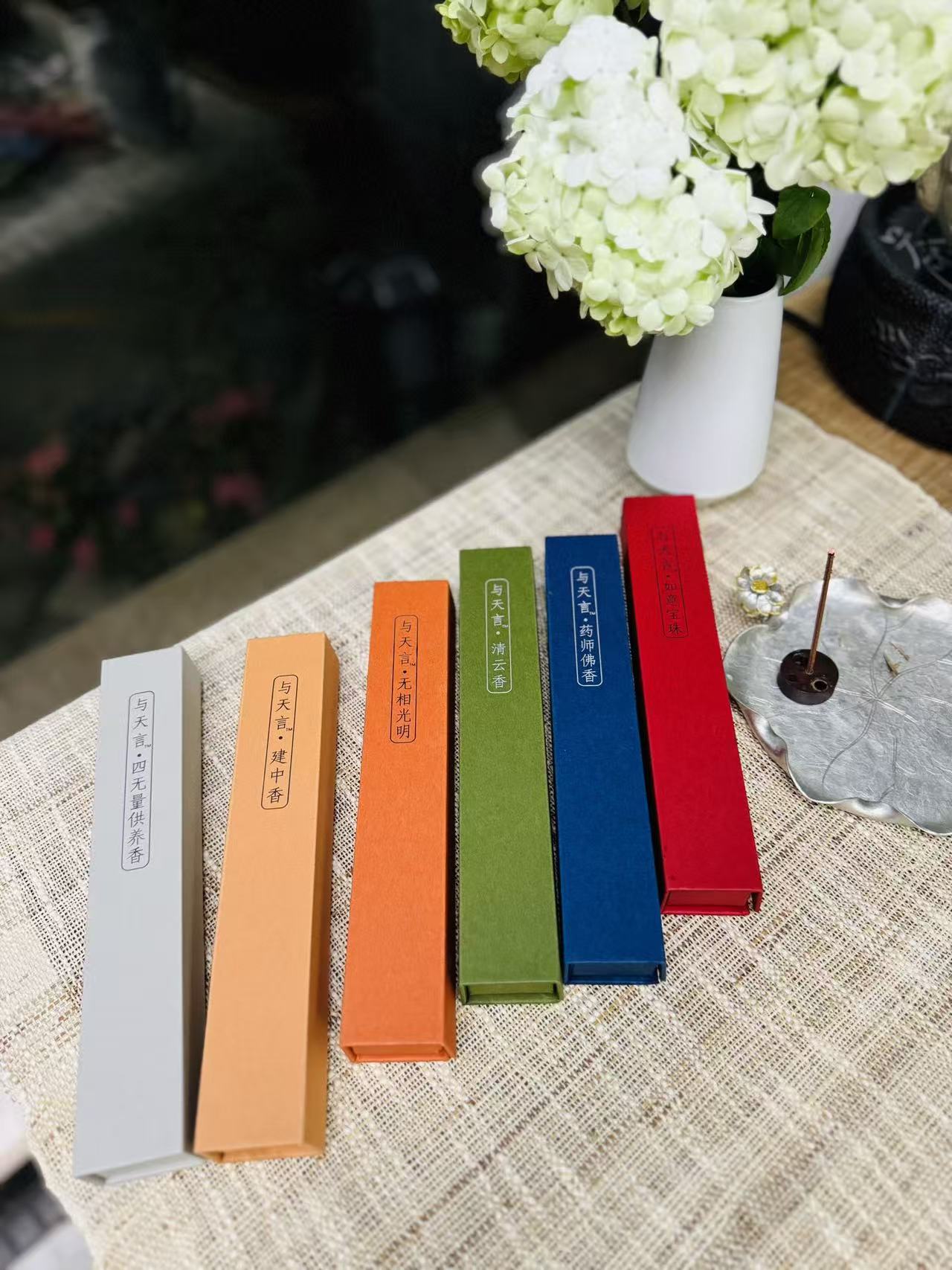
Emotional Resonance and Ritual Significance of Handmade Incense
Deepening Mindfulness and Intention Through Ritual Use
Unlike mass-produced alternatives, handmade incense serves as a tactile anchor for mindfulness practice. The deliberate act of selecting, lighting, and observing a handcrafted stick or cone transforms scent into a meditative sequence. Each step—from the strike of a match to the first wisp of smoke—grounds awareness in the present moment, quieting mental chatter. A 2022 study on ritual and cognition found that structured sensory routines increase perceived time affluence and reduce stress markers by up to 18%. When the incense is handmade, the ritual gains layers of intention: users often sense the maker’s care, deepening their personal connection. This human resonance is absent in uniform machine-made products, which light without story or texture. The uneven burn, subtle crackle, and evolving fragrance mirror the organic rhythm of conscious thought—making the ritual a dynamic meditation rather than passive background ambiance.
Cultural Symbolism and Spiritual Authenticity Across Traditions
Handmade incense carries centuries of cultural symbolism—from Egyptian temple offerings to Japanese Kōdō ceremonies. This artisanal lineage imbues each stick with spiritual authenticity that factory-made versions cannot replicate. Using incense crafted through traditional methods connects practitioners to a communal heritage: the same botanicals and binding techniques once used to accompany prayer, healing, and rites of passage. Materials like sustainably harvested sandalwood, hand-ground resins, and dried blossoms become vessels of meaning—not just scent carriers. This symbolism transforms smoke into a conduit for ancestral wisdom, grounding modern wellness in timeless practice. For many, such authenticity isn’t nostalgic; it validates the ritual’s potency in a fragmented world, fostering continuity and reverence for the sacred.
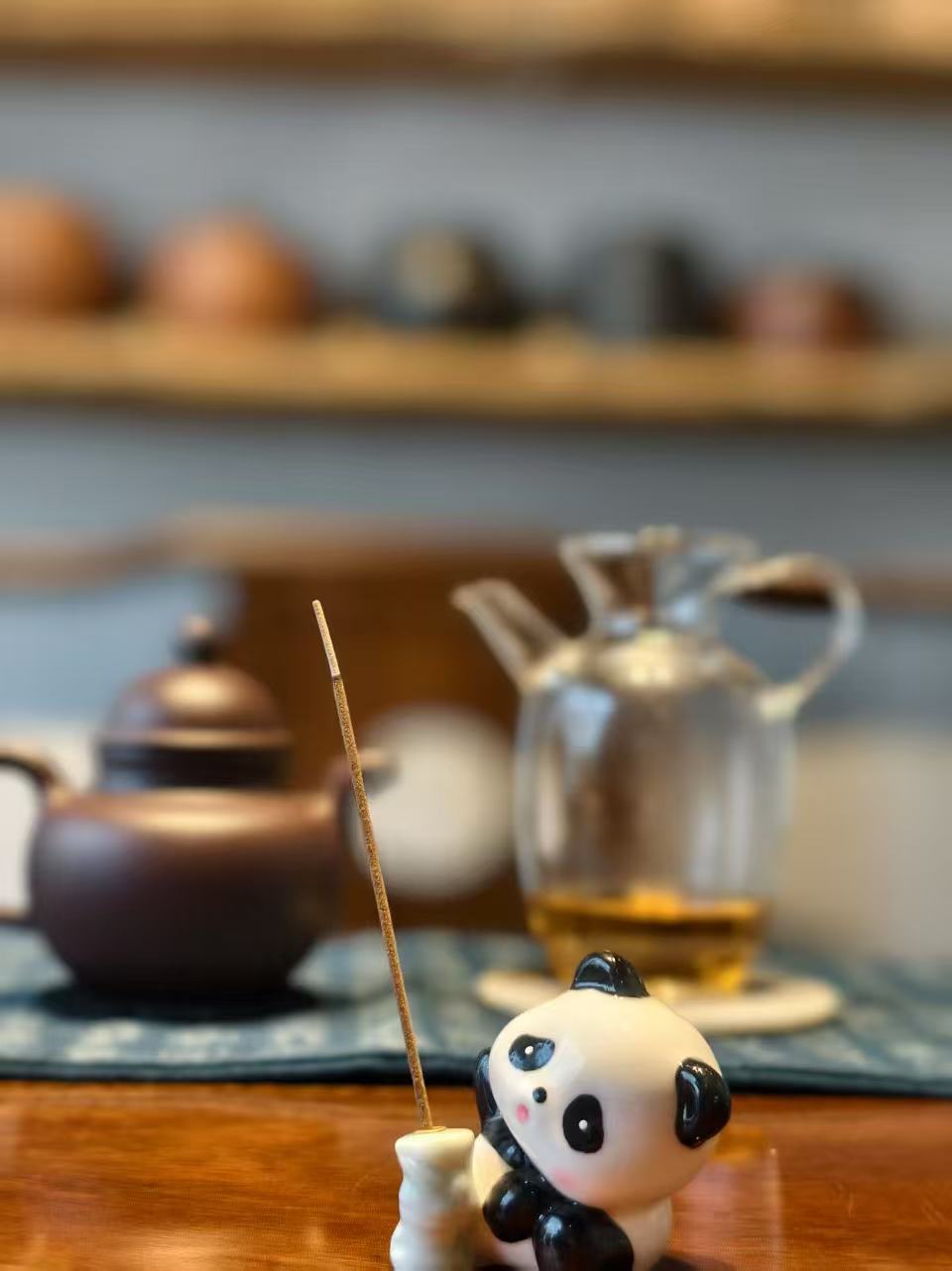
Authenticity and Ingredient Transparency in Handmade Incense
Natural ingredients, artisanal sourcing, and clean-label trust
Handmade incense prioritizes simple, recognizable ingredients—resins, woods, and plant-based binders—instead of opaque terms like “fragrance” or “perfume.” This full-ingredient disclosure aligns with the clean-label movement in premium food and skincare, where consumers equate short, English-understandable ingredient lists with safety and honesty. Artisanal sourcing reinforces trust: wildcrafted sandalwood, hand-ground spices, and flower petals are typically gathered through ethical partnerships—not industrial supply chains. Batch codes or origin stories on packaging allow buyers to trace materials to a specific harvest or village. Such transparency directly addresses growing concerns about synthetic fixatives and petrochemical-derived scents common in machine-made sticks. By treating incense as craft—not commodity—producers give consumers confidence that what they inhale matches exactly what was promised, building trust through knowledge, not assumption.
How transparency builds credibility and conscious consumer loyalty
When a handmade incense label openly shares every component and its source, it transforms the product into a statement of integrity. That clarity invites scrutiny—and the willingness to be scrutinized acts as an implicit guarantee: if a maker refuses to hide behind proprietary blends, they likely have nothing to conceal. Conscious consumers, already diligent about ingredient research in home care and personal products, extend that same rigor to incense. Transparent brands earn repeat patronage because buyers know the product aligns with their values—vegan, ethical, allergen-aware—without second-guessing. Over time, this openness reduces the suspicion that drives shoppers toward cheaper alternatives. The result is not just a one-time sale but loyalty anchored in credibility, where the consumer feels like an informed partner rather than a passive purchaser.
Superior Sensory Experience and Craftsmanship Quality
Aroma complexity, burn consistency, and olfactory nuance
The sensory superiority of handmade incense begins with raw materials. Artisans select whole resins, woods, and botanicals, grinding them just before binding—a practice that preserves volatile aromatic compounds often lost in industrial pre-ground powders. This immediacy yields a multi-layered scent evolution: bright top notes (citrus, spice), a warm floral or herbaceous heart, and a rich, earthy resinous base. Burn consistency also distinguishes handmade incense: hand-rolled paste, free of synthetic accelerators, smolders at a lower, steadier temperature. In blind sensory panels conducted by fragrance institutes, participants consistently describe machine-made sticks as “flat” or “monotonous,” while handmade versions earn descriptors like “unfolding story” and “depth of character.” That olfactory nuance—the subtle distinction between a Nepalese masala and a Japanese kneaded-style stick—creates a direct emotional connection. For the buyer, each burn becomes a curated experience—not a commodity.
Handcrafted variability as a mark of quality—not imperfection
Machine production pursues absolute uniformity, but in handmade incense, micro-variations in thickness, shape, and ash color are intentional hallmarks—not flaws. A slightly thicker section releases scent more gradually; a gentle curve in the bamboo core signals hand-shaping without mechanical force. Connoisseurs read these marks the way oenophiles read sediment—as proof of minimal intervention and high-grade materials. Research on luxury goods confirms that 70% of consumers perceive such organic inconsistencies as signals of authenticity and superior craftsmanship (2023 industry survey). Far from defects, these hand-carried signatures assure users that each stick was made by a person—not a press—turning a daily ritual into an encounter with human skill.
Ethical Values and Sustainable Advantages of Handmade Incense
The ecological and social footprint of a product has become a decisive factor for conscious buyers. Handmade incense often represents a more ethical and environmentally sound choice—distinct from mass-produced alternatives. The manual crafting process relies far less on energy-intensive machinery. A single artisanal workshop operates with a fraction of the carbon footprint of a fully automated factory line, which depends on high-speed mixers, conveyor systems, and large-scale drying units. This traditional approach not only reduces energy consumption but also preserves heritage techniques, supporting rural livelihoods and family-run enterprises instead of faceless industrial output.
Sustainability is further strengthened by a short, transparent supply chain. Artisanal makers prioritize small-batch production, drastically reducing material overstock and waste. They commonly source botanicals directly from local growers using regenerative farming methods—eliminating the multiple layers of transport and cold storage required in global supply networks, a major contributor to the carbon output of machine-made incense. By choosing small-batch incense, consumers support a decentralized, resilient, and less wasteful production model.
Ethical labor is another defining advantage. Industrial manufacturing often pressures suppliers to cut costs, leading to opaque sourcing—where raw materials like sandalwood or resins may come from regions with lax labor or environmental standards, sometimes with little regard for fair wages or worker safety. In contrast, ethical sourcing protects both ecosystems and communities. Many artisanal units operate as social enterprises, providing dignified employment and skill development—particularly for women in rural areas—a model that fosters economic independence without the exploitation often hidden in mass-market supply chains.
FAQ
Why does handmade incense enhance mindfulness and ritual practices?
Handmade incense encourages mindfulness through its deliberate selection and use, creating a grounding sensory experience. Its artisanal qualities and imperfections, such as uneven burns and evolving scents, mimic the organic flow of conscious thought, deepening personal connections during rituals.
What cultural symbolism does handmade incense hold?
Handmade incense is rooted in centuries-old rituals from various cultures, such as Egyptian temple offerings and Japanese Kōdō ceremonies. These traditions bring spiritual authenticity and connect modern users to ancestral practices and communal heritage.
Why are natural ingredients important in handmade incense?
Natural ingredients ensure safety, avoid synthetic chemicals, and provide authentic aromas. Artisanal sourcing and simple ingredient lists build consumer trust while aligning with the clean-label movement in wellness and skincare products.
How is handmade incense more sustainable compared to mass-produced incense?
Handmade incense is crafted using less energy, small-batch production, and ethical, local sourcing. This method reduces the carbon footprint, material waste, and supports rural artisans, unlike the industrial processes of machine-made incense.
What distinguishes handmade incense from machine-made versions?
Handmade incense offers complex aromas, superior burn consistency, and unique variations that showcase craftsmanship. In contrast, machine-made incense often lacks depth and character, focusing solely on uniformity.
Table of Contents
- Emotional Resonance and Ritual Significance of Handmade Incense
- Authenticity and Ingredient Transparency in Handmade Incense
- Superior Sensory Experience and Craftsmanship Quality
- Ethical Values and Sustainable Advantages of Handmade Incense
-
FAQ
- Why does handmade incense enhance mindfulness and ritual practices?
- What cultural symbolism does handmade incense hold?
- Why are natural ingredients important in handmade incense?
- How is handmade incense more sustainable compared to mass-produced incense?
- What distinguishes handmade incense from machine-made versions?