EN


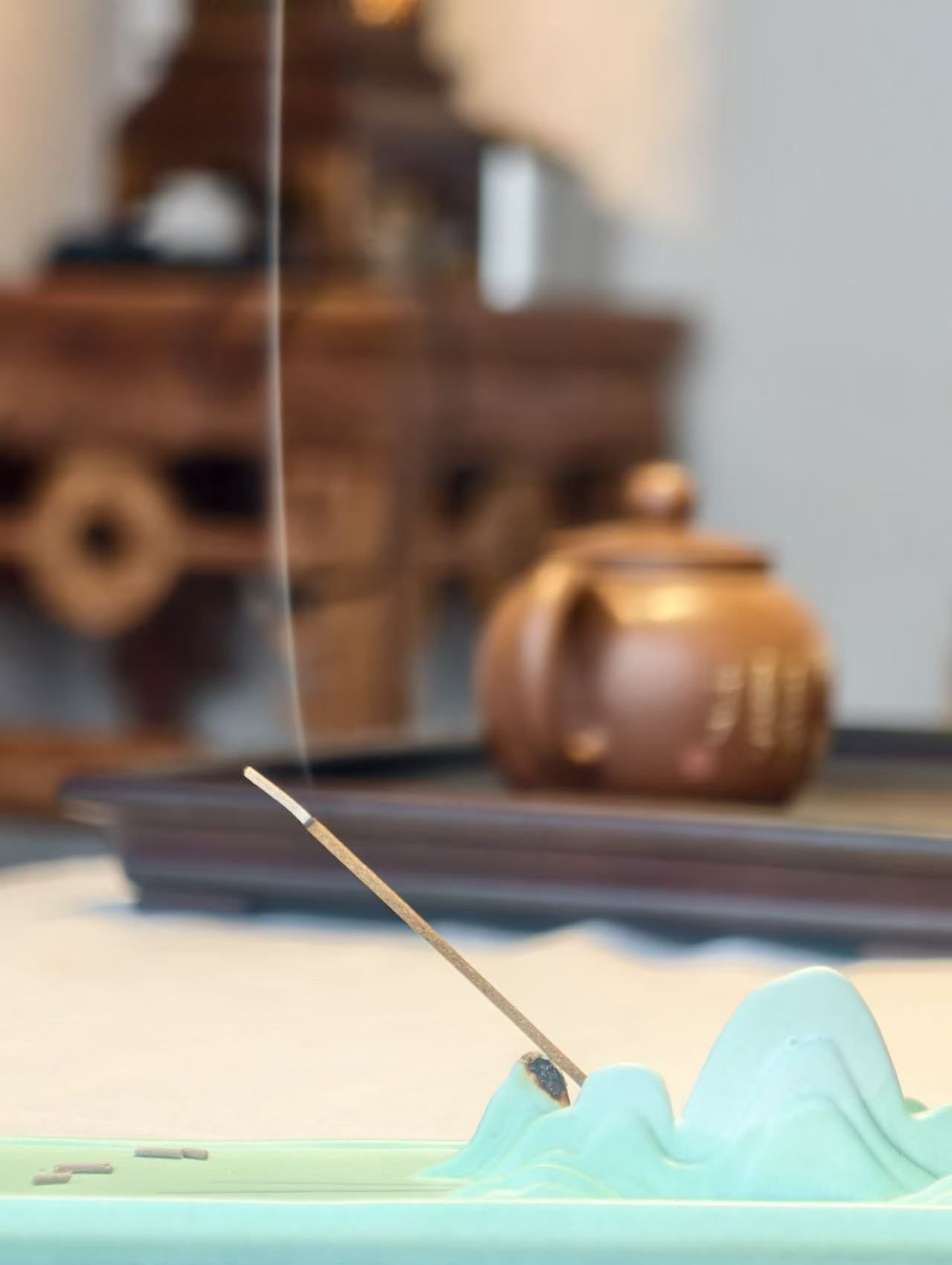
The Core Difference: Craftsmanship vs. Automation in Production
The production philosophy dividing handmade incense from machine-made incense fundamentally determines everything from ingredient purity to aroma depth. Where the artisan relies on sensory judgment and manual technique, automated lines prioritize speed and consistency. The contrast is stark across key performance dimensions:
| Dimension | Handmade Incense | Machine-Made Incense |
|---|---|---|
| Production Speed | ~100–200 sticks per hour per artisan | 8,000–12,000 sticks per hour per extrusion line |
| Binder | Natural binders (makko bark powder, joss powder, or gum tragacanth) | Synthetic binders (polyvinyl acetate, synthetic resins) |
| Ingredient Form | Whole botanicals, crushed resins, dried petals, and unrefined woods | Pre-ground functional powders, charcoal bases, and concentrated fragrance oils |
| Quality Control | Human inspection per batch; subtle variation accepted | In‑line sensors and post‑curing uniformity checks |
| Aroma Complexity | Layered, evolving fragrance profile; low soot | Often flat, monochromatic scent; higher visible smoke |
| Burn Character | Slightly irregular glow reflects natural density | Precise, consistent burn with fixed duration |
Handmade Incense: Slow, Intentional Rolling with Natural Binders and Whole Botanicals
Handmade incense begins with whole, often wild-harvested ingredients gently crushed—not pulverized—to preserve volatile aromatic compounds. Artisans blend materials like sandalwood powder, frankincense tears, or dried lavender with natural binders such as makko (from the tabu tree), which also moderates smoldering. The dough is then hand-rolled onto bamboo splints or shaped into cones—a tactile process guided by years of experience and calibrated to achieve optimal density. This slowness limits output to roughly 100–200 sticks per hour per craftsperson, but it safeguards the full spectrum of resins, oils, and terpenes in each botanical. Because no two batches of raw material are identical—humidity, harvest timing, and micro-climates all influence resin content—the craft embraces gentle variation. A monsoon-season batch may burn cooler, releasing top notes gradually; a drier-month version might deliver a bolder initial impression. These shifts aren’t defects—they’re signatures of authenticity, linking the user directly to plant origin and artisanal attention. Without synthetic fixatives or masking agents, the scent remains pure, evolving, and free of acrid aftertaste.
Machine-Made Incense: High-Volume Extrusion Using Synthetic Binders and Powdered Ingredients
Machine production transforms incense into a standardized commodity. In a typical extrusion line, a homogeneous mixture of charcoal base, pre-ground wood fillers, synthetic binders like polyvinyl acetate, and high-intensity fragrance oils is forced through a die to form uniform sticks. This continuous process delivers over 10,000 sticks per hour—enabling tight cost control, precise diameter, and predictable burn duration. Yet the reliance on powdered inputs and synthetic binding agents compromises aromatic integrity. To mask the harshness of the charcoal-filler substrate, manufacturers often spike formulas with potent synthetic notes that dominate the burn. While defect rates are extremely low and burn time is reliably fixed, the resulting smoke can carry a faint chemical aftertaste and lacks the layered evolution of natural blends. This approach prioritizes shelf stability and distribution scalability over terroir-driven nuance—making it ideal for broad-market appeal but less suited for those seeking depth, authenticity, or ritual resonance.
Sensory Experience and Burn Quality: Why Handmade Incense Delivers Deeper Aroma Integrity
The true distinction between handmade and machine-made incense isn’t just felt in the hands—it’s experienced through the senses. Where automation prioritizes uniformity, handcrafted methods foster a richer, more layered aromatic journey that evolves as ingredients interact naturally with heat. This sensory depth stems from two interwoven qualities: the authenticity embedded in subtle batch variations and the expressive character of the burn itself.
Batch Variation as Authenticity — How Subtle Shifts Reflect Seasonality and Skill
No two batches of handmade incense are exactly alike—a direct result of small-batch production using whole botanicals and seasonal resins. Unlike machine-mixed synthetic formulas engineered for chemical consistency, artisanal incense reflects both the skill of the roller and the natural variability of raw materials. A frankincense resin harvested during a dry season yields sharper, more intense notes than one gathered in a milder climate. These variations aren’t flaws; they mirror how a live musical performance differs from a studio recording—offering a more honest, immersive, and human encounter. For the user, each stick becomes a unique expression of place, season, and practice—deepening emotional connection and affirming that authenticity resides not in replication, but in the living quality of the material.
Burn Consistency vs. Burn Character: Smoldering Depth vs. Predictable Duration
Machine-made incense is engineered for burn consistency—every stick ignites and extinguishes at nearly identical intervals, delivering a flat, predictable curve of scent. Handmade incense, by contrast, prioritizes burn character: the nuanced, unfolding aroma that reveals top, heart, and base notes as the ember travels through loosely bound, whole-plant material. Variability in humidity, density, and particle size creates subtle differences in burn rate—but these variables generate a dynamic scent journey that synthetic binders cannot replicate. Where a machine-made stick may offer exactly 45 minutes of monotonous fragrance, the handmade version invites mindful breathing through its smoldering depth—a gentle reminder that true aromatic integrity lives in the unscripted dance of smoke, not the precision of a stopwatch.
Ingredient Sourcing and Sustainability: Ethical Transparency in Handmade Incense
Traceable, Small-Batch Botanicals and Wild-Harvested Resins
Handmade incense relies on traceable, small-batch botanicals and wild-harvested resins—ingredients that can be linked directly to their source. Rather than anonymous bulk powders, artisans source frankincense tears from Somalian cooperatives certified under Fair Trade or Forest Stewardship Council (FSC)-aligned harvesting protocols, or sandalwood powder from sustainably managed groves in Mysore. This level of traceability enables verification of ethical land stewardship, fair wages, and regenerative harvesting practices. In contrast, mass-produced incense typically blends industrial-grade fillers and synthetics, severing the connection to people, place, and ecological impact. As consumer awareness grows, documented sourcing has become a benchmark for quality: a 2023 Global Wellness Institute survey found that 67% of regular incense users now consider harvest-site transparency essential when evaluating authenticity and sustainability. By choosing handmade incense, buyers support supply chains rooted in seasonal rhythms, biodiversity conservation, and the intergenerational knowledge of small-scale harvesters.
Cultural Value and Consumer Connection: The Ritual Significance of Handmade Incense
From Commodity to Ceremony — Why Buyers Choose Handmade Incense for Mindfulness and Intention
Handmade incense transforms a routine scent into a mindful ritual—deeply anchored in cultural traditions from Japanese kōdō to Indian puja. Unlike mass-produced sticks built on synthetic uniformity, handmade incense embodies the maker’s intention, carrying subtle variations in aroma, texture, and burn that reflect care, context, and continuity. For the mindful consumer, lighting a stick becomes a deliberate act—a sensory anchor marking the start of meditation, yoga, or quiet reflection. This shift from commodity to ceremony reflects a broader desire for objects that tell a story, honor natural cycles, and invite presence. The slow-burning, evolving nature of handmade incense encourages sustained attention and breath awareness, unlike the fleeting, uniform smoke of machine-made alternatives. Research from the Sense of Smell Institute (2022) indicates that scent-associated rituals can measurably enhance emotional well-being, focus, and memory retention. This conscious consumption aligns with the slow-living movement—where meaning, craftsmanship, and ecological responsibility outweigh volume and velocity. By choosing handmade, individuals invest not just in fragrance, but in a living heritage—turning a simple daily act into a profound practice that connects them to tradition, nature, and themselves.
FAQs
Why does handmade incense cost more than machine-made incense?
Handmade incense costs more due to the labor-intensive production process, the use of natural ingredients, and small-batch craftsmanship that prioritizes quality and authenticity over quantity.
How can I identify handmade incense?
Handmade incense can often be identified by its natural aroma, slight variations in size and texture, and the presence of traceable ingredients, compared to the uniformity of machine-made options.
What makes handmade incense more suitable for rituals and meditation?
Handmade incense provides a more layered, evolving scent profile and slower burn character, making it ideal for rituals and mindfulness practices that require sustained attention and sensory depth.
Are machine-made incense sticks harmful due to synthetic materials?
Some machine-made incense sticks may contain synthetic binders and fillers that can produce a chemical aftertaste or higher soot. Buyers concerned about health or environmental impact often prefer handmade incense made from natural ingredients.
Is handmade incense sustainably sourced?
Handmade incense typically relies on traceable, wild-harvested botanicals and sustainable practices, ensuring ethical land stewardship, fair wages, and biodiversity conservation.
Table of Contents
- The Core Difference: Craftsmanship vs. Automation in Production
- Sensory Experience and Burn Quality: Why Handmade Incense Delivers Deeper Aroma Integrity
- Ingredient Sourcing and Sustainability: Ethical Transparency in Handmade Incense
- Cultural Value and Consumer Connection: The Ritual Significance of Handmade Incense
- FAQs