EN


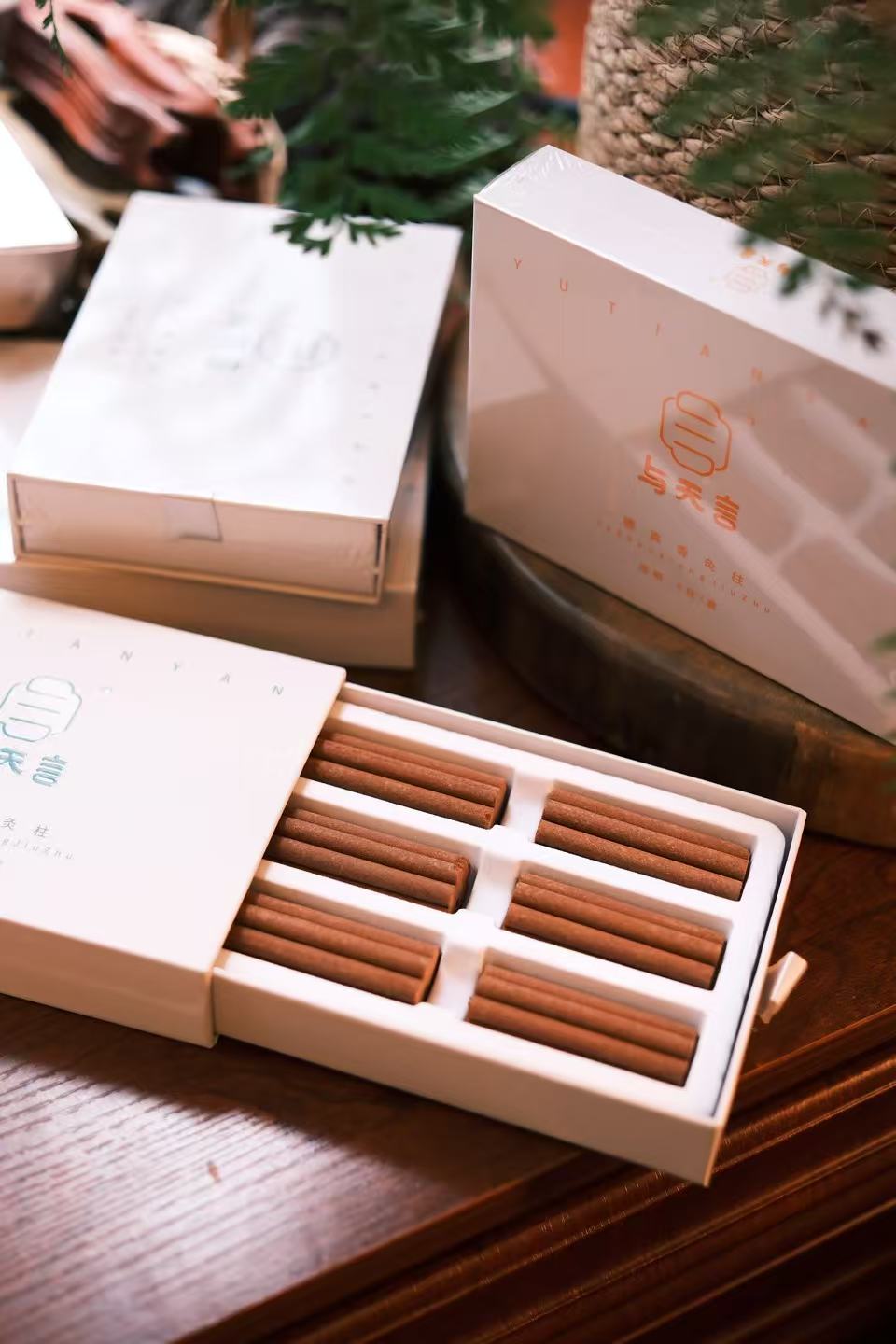
Natural Incense Sticks as Sensory Anchors for Mindful Presence
Scent as a Neural Trigger for Focus and Present-Moment Awareness
The human olfactory system offers a direct, high-speed pathway to the brain’s emotional and memory centers—bypassing the thalamus to project straight to the amygdala and hippocampus (Herz 2004). This unique neural architecture explains why a single inhalation of natural incense sticks can instantly shift mental states and anchor attention in the present moment. Research shows that botanical aromas like sandalwood reduce cortisol and anxiety markers while enhancing parasympathetic tone (Buchbauer 2020). Functional MRI studies further reveal heightened activation in prefrontal regions associated with sustained focus during exposure to pure botanical fragrances—effects not consistently observed with synthetic alternatives. Because natural incense sticks rely on resin, wood powders, and essential oils rather than petrochemical carriers, they deliver a cleaner, more coherent scent profile. This purity allows the mind to recognize the aroma as a reliable cue for stillness, cutting through mental noise. Over time, even the subtle anticipation of the fragrance can prime neural networks for mindful awareness—elevating an everyday object into a potent sensory anchor for presence.
Breath Synchronization and Ritualized Intention-Setting with Natural Incense Sticks
Lighting a natural incense stick provides a deliberate, tactile entry point into intentional practice. As the tip glows and releases a steady ribbon of smoke, its gentle rhythm mirrors the in-and-out cadence of meditative breathing. Studies on paced breathing confirm that coupling breath with a rhythmic external cue accelerates heart-rate coherence and reduces mind-wandering by up to 17% (Zaccaro et al. 2018). Natural incense sticks—with their gradual, consistent burn—function as an organic metronome for breath cycles. The act itself becomes a mini-ritual: selecting a scent, striking a match, watching the first wisp rise. This sequence signals the brain that a transition into focused time is underway. Unlike synthetic cones that may emit unpredictable bursts of acrid smoke, botanically derived sticks support a seamless sensory-breath loop. Across traditions, this pairing marks sacred space—but even in secular practice, the convergence of inhalation and rising scent transforms a simple seat into a deliberate act of arrival.
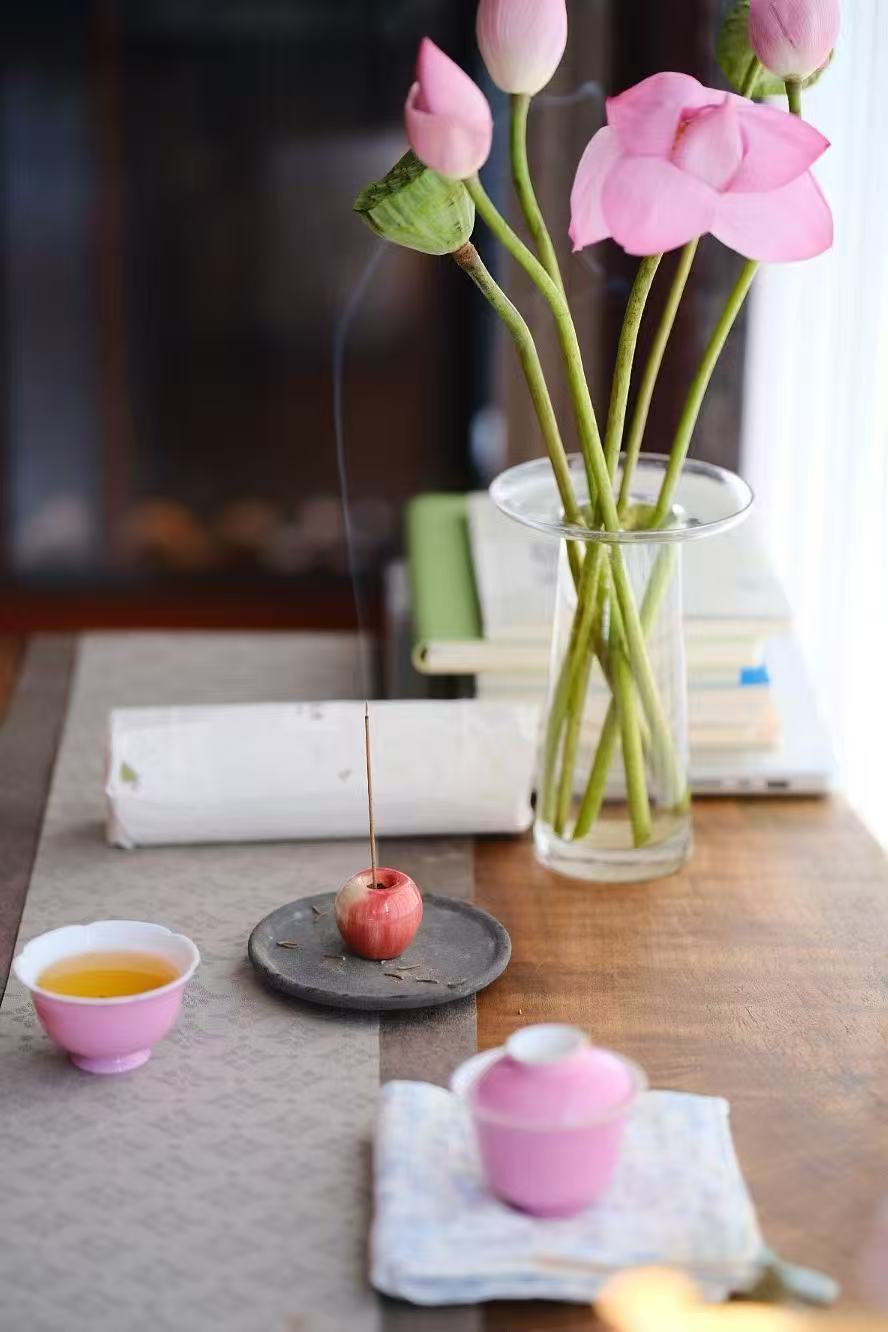
Neurochemical and Traditional Foundations of Natural Incense Sticks
Calming Phytochemistry: Sandalwood, Frankincense, and Nag Champa in Meditation Contexts
Natural incense sticks derive their meditative efficacy from distinct phytochemical profiles. Sandalwood’s santalol compounds engage the central nervous system to slow heart rate and quiet mental chatter, fostering grounded presence. Frankincense resin releases incensole acetate, which activates TRPV3 ion channels in the brain—a mechanism linked to anxiolytic effects without sedation. Traditional Nag Champa blends combine sandalwood with magnolia and frangipani, whose linalool and magnolol esters further temper stress responses. Ayurvedic and monastic traditions long recognized these resins not as mere perfumes but as refined sensory tools for attentional training. The synergy of volatile terpenes, esters, and sesquiterpenes triggers a cascade of parasympathetic activation—helping practitioners access deeper meditative awareness with less effort.
Limbic System Engagement and Alpha Wave Support via Natural Incense Sticks
When natural incense sticks are burned, their microscopic scent molecules travel directly from the olfactory bulb to the amygdala and hippocampus—engaging emotional memory and autonomic regulation within milliseconds. EEG studies show consistent increases in alpha wave activity (8–12 Hz) during inhalation of sandalwood or frankincense vapor—the same neural rhythm linked to relaxed alertness and meditative absorption. By dampening beta-range mental chatter and strengthening limbic-to-prefrontal connectivity, natural incense helps sustain the open-monitoring state essential for mindfulness. Combined with the ritual of lighting, the aromatic signal becomes a neurophysiological gateway: aligning breath, intention, and neural state in service of stillness.
Safety, Purity, and Ritual Integrity: Why Natural Incense Sticks Outperform Synthetic Alternatives
Health Risks of Artificial Incense: VOCs, Benzene, and Respiratory Irritants
Burning synthetic incense releases harmful volatile organic compounds (VOCs), benzene—a known carcinogen—and other respiratory irritants. A 2020 review in Science of The Total Environment found that indoor air quality during synthetic incense combustion frequently exceeds safe exposure limits, increasing risks of asthma exacerbation and chronic lung damage. Petroleum-based fragrances and chemical fixatives in these products compromise both physical safety and sensory clarity. In contrast, natural incense sticks made from pure sandalwood, frankincense, and flower extracts burn cleanly, emitting far fewer toxic byproducts. This purity supports a healthier meditation environment—ensuring each breath deepens mindfulness without undermining physiological well-being.
Natural Incense Sticks as Ritual Catalysts: Signaling Space, Time, and Sacred Intention
Lighting a natural incense stick transforms an ordinary room into a dedicated sanctuary. Its earth-derived aroma serves as an immediate sensory boundary—signaling the brain to shift from external distraction to internal stillness. This use of scent as an environmental cue has deep historical roots: incense burning dates back approximately 6,000 years, when ancient cultures employed it to demarcate sacred moments. Today, a consistent pre-meditation ritual with natural incense primes the mind for presence. The rising smoke and grounding fragrance become repeatable triggers that prepare the nervous system for focused awareness—reinforcing the intention to pause and enter contemplative stillness. Over time, the simple act of striking a match and waiting for the first wisp cultivates a conditioned response: calm alertness.
FAQ Section
What makes natural incense sticks effective for mindfulness?
Natural incense sticks rely on pure botanical ingredients like sandalwood and frankincense, which interact directly with the olfactory system to calm the mind and support present-moment awareness.
Are natural incense sticks safer than synthetic alternatives?
Yes, natural incense sticks emit fewer toxic byproducts like VOCs and benzene, providing a healthier environment for meditation and mindfulness practices.
What are the best scents for meditation?
Scents like sandalwood, frankincense, and Nag Champa are particularly effective due to their calming phytochemical properties and ability to enhance parasympathetic responses.
How can incense sticks be incorporated into meditation rituals?
You can use incense sticks as sensory triggers by lighting them before meditation, coupling inhalation with breathing cycles, and repeating the ritual to signal sacred time and space.
Table of Contents
- Natural Incense Sticks as Sensory Anchors for Mindful Presence
- Neurochemical and Traditional Foundations of Natural Incense Sticks
- Safety, Purity, and Ritual Integrity: Why Natural Incense Sticks Outperform Synthetic Alternatives
- Natural Incense Sticks as Ritual Catalysts: Signaling Space, Time, and Sacred Intention
- FAQ Section