EN


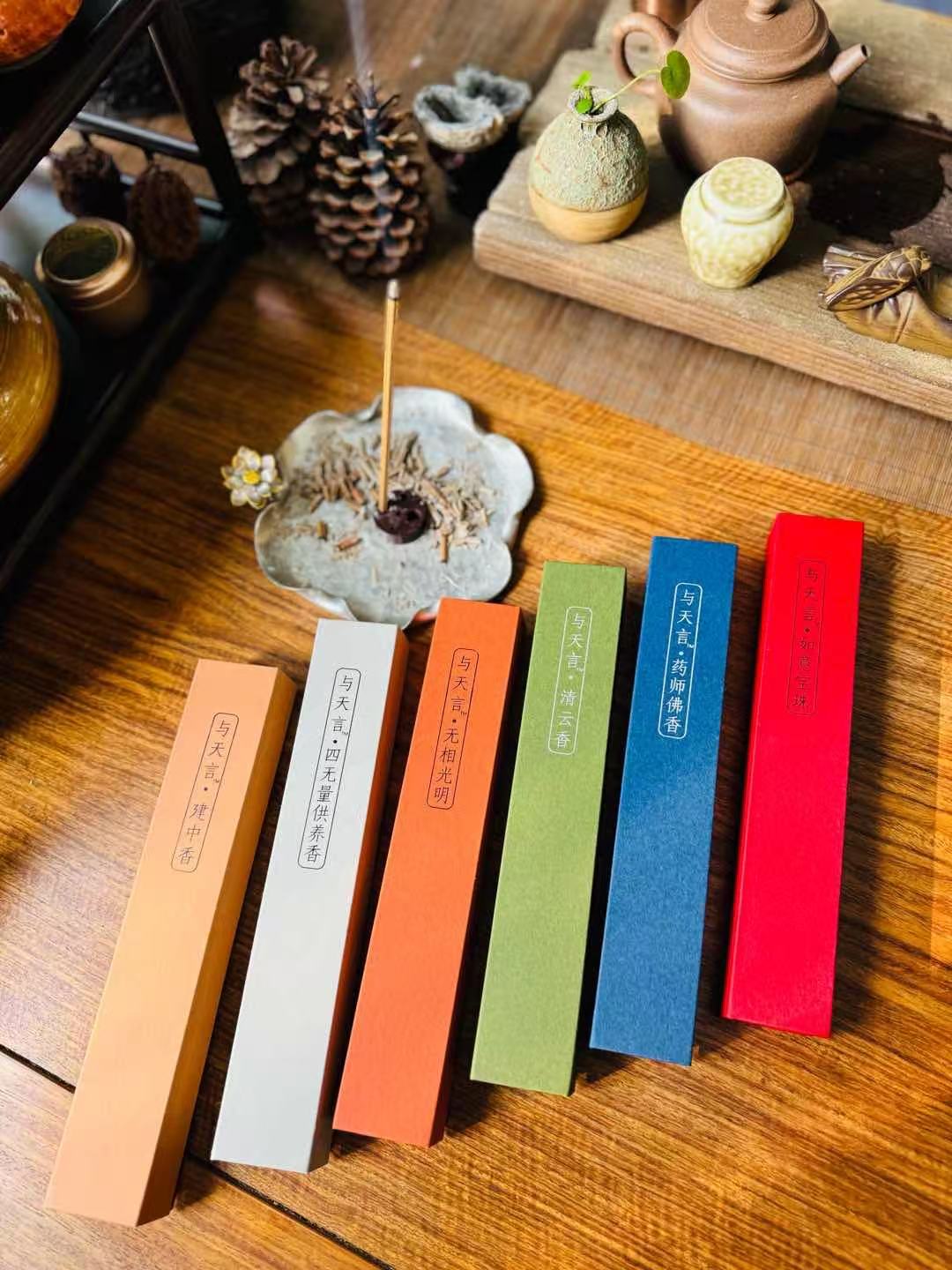
Ingredient Purity: The Non-Negotiable Foundation of Handmade Incense
Natural Plant Matter vs. Synthetic Fragrances: Safety, Authenticity, and Regulatory Gaps
What truly separates authentic handmade incense from machine-made alternatives begins with the core ingredients. Genuine formulations rely on natural plant matter—dried herbs, woods, resins, and essential oils—while many commercial sticks use petroleum-based synthetic fragrances and charcoal binders. These synthetics release volatile organic compounds (VOCs) and fine particulate matter when burned; a 2020 study in Indoor Air found that synthetic incense can elevate indoor benzene and formaldehyde levels to those comparable with tobacco smoke. Yet most countries lack mandatory ingredient disclosure requirements for incense, leaving consumers unaware of potential respiratory irritants. True handmade incense sidesteps this risk by returning to whole botanicals—but because the term “natural” is unregulated, transparency becomes essential. Purchasing from producers who publicly list every botanical source is both a practical safety measure and a meaningful step toward respiratory wellness.
Transparent Sourcing: How Resin Origin, Wood Terroir, and Herb Harvesting Shape Quality
The provenance of each ingredient profoundly shapes the final quality of handmade incense. Frankincense resin from Oman’s Dhofar region carries a bright, citrus-laced freshness shaped by arid limestone soils, while Somalian varieties offer deeper, spicier woodiness. Similarly, sandalwood’s terroir—whether from heritage Mysore groves or sustainably managed Australian plantations—imparts distinct creamy or peppery nuances. Ethical harvesting is equally vital: resins must be tapped without compromising tree health, and herbs gathered at precise growth stages to preserve their volatile aromatics. Transparent suppliers disclose geographic origin, harvest year, and extraction method—offering traceability that meets rising expectations for ethical consumption. When brands share this detail, they elevate handmade incense beyond scent into a storied craft object, where each wisp of smoke carries a verifiable ecological and cultural lineage.
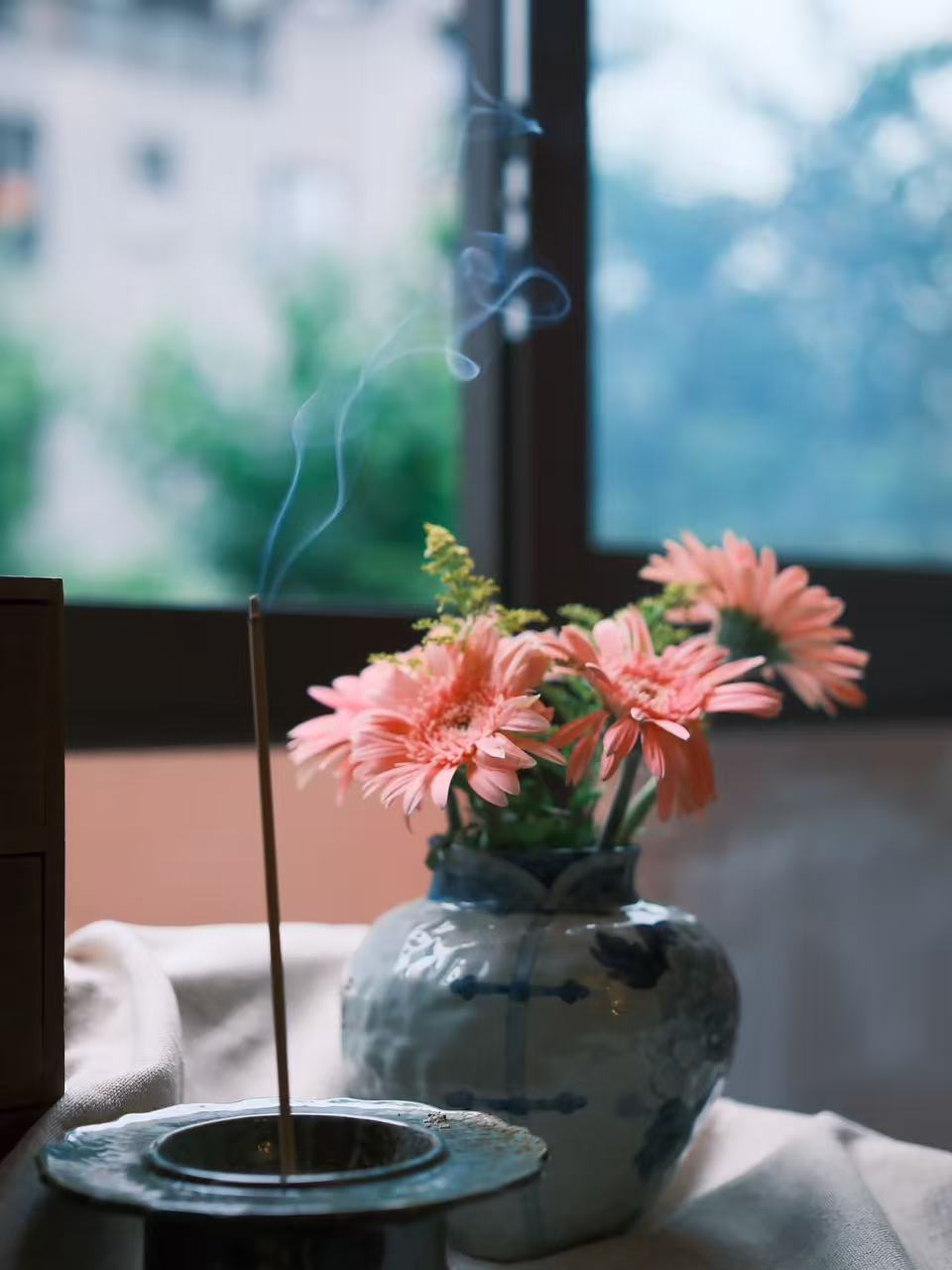
Traditional Craftsmanship: How Hand-Rolling and Core Construction Define Handmade Incense
Bamboo Core vs. Solid Roll: Burn Stability, Aroma Release, and Cultural Authenticity
Construction method directly influences burn behavior and aromatic delivery in handmade incense. Bamboo core sticks—where a thin splint is coated with fragrant paste—deliver exceptional burn stability: the supportive core ensures slow, even combustion that extends fragrance release over time. Some traditions welcome the faint smoky nuance the bamboo contributes. In contrast, solid-rolled incense—formed entirely from kneaded botanicals and natural binders, with no core—burns wholly, yielding a more immediate, potent aroma free of woody undertones. Though slightly faster to ignite, it offers unmatched aromatic purity. Cultural context guides preference: bamboo core aligns with the refined subtlety of Japanese kōdō and Chinese ancestral rites, while solid rolls—central to Tibetan and Indian dhoop—are favored in devotional practices demanding bold, single-note intensity. This choice reflects not just functional performance, but deep-rooted heritage.
Burning Performance: Objective Indicators of Handmade Incense Quality
White Smoke, Slow Burn Rate, and Low Ash: Physicochemical Signatures of Pure Formulation
Handmade incense made from pure plant materials produces clean, white smoke—a reliable sign of complete, low-soot combustion. Dark, sooty emissions and acrid odor signal incomplete burning, often caused by petroleum-based binders or artificial fragrances. A slow, consistent burn rate further confirms quality: the dense, hand-rolled structure and absence of chemical accelerants allow for steady fragrance diffusion over an extended period. Laboratory assessments (2023) show natural incense burns up to 50% longer than machine-pressed counterparts loaded with charcoal. Minimal ash residue is equally telling. Pure handmade incense leaves behind a fine, light-grey powder composed mainly of inert plant minerals; inferior products generate heavy, clumpy ash laden with non-combustible fillers. Together, white smoke, slow burn, and low ash form a dependable physicochemical signature—enabling users to assess authenticity objectively, independent of subjective scent perception.
Sensory Integrity: Aroma Complexity, Evolution, and Longevity in Genuine Handmade Incense
The hallmark of superior handmade incense lies in its sensory narrative—a dynamic olfactory journey unfolding in distinct phases. Unlike synthetic sticks that project a flat, static scent from ignition, a pure blend of ground resins, woods, and botanicals reveals layered complexity. It opens with bright top notes—citrusy, herbal, or green—followed by heart notes that express the incense’s core identity: floral sweetness, spicy warmth, or earthy depth. Finally, grounding base notes—such as aged sandalwood or high-grade frankincense—linger for hours, offering a quiet, evolving presence rather than a blunt assault. This natural progression stems directly from ingredient purity and traditional formulation, where no synthetic fixatives artificially stretch or flatten the scent profile. Longevity here isn’t merely about duration—it’s about transformation: a subtle, authentic perfume that settles into a space, fades gracefully, and leaves behind a tangible echo of craftsmanship.
FAQ Section
Why should I choose handmade incense over commercial alternatives?
Handmade incense is made from natural plant materials like herbs, woods, resins, and essential oils, ensuring a cleaner burn without harmful chemicals commonly found in commercial options.
What are the benefits of transparent sourcing in handmade incense?
Transparent sourcing offers insights into the geographic origin, harvest year, and extraction methods of ingredients, ensuring eco-conscious and ethically harvested materials.
What distinguishes bamboo core incense sticks from solid rolled incense?
Bamboo core sticks provide stability and extended fragrance release, while solid rolled incense offers a more potent, pure aroma without woody undertones.
How can I identify high-quality handmade incense?
Look for clean, white smoke, a slow burn rate, and light-grey ash residue. These physicochemical indicators suggest pure, natural ingredients free from synthetic additives.
Does handmade incense have a longer-lasting scent?
Yes, handmade incense offers dynamic scent progression with layered top, heart, and base notes that can evolve for hours, thanks to its natural composition.
Table of Contents
- Ingredient Purity: The Non-Negotiable Foundation of Handmade Incense
- Traditional Craftsmanship: How Hand-Rolling and Core Construction Define Handmade Incense
- Burning Performance: Objective Indicators of Handmade Incense Quality
- Sensory Integrity: Aroma Complexity, Evolution, and Longevity in Genuine Handmade Incense
-
FAQ Section
- Why should I choose handmade incense over commercial alternatives?
- What are the benefits of transparent sourcing in handmade incense?
- What distinguishes bamboo core incense sticks from solid rolled incense?
- How can I identify high-quality handmade incense?
- Does handmade incense have a longer-lasting scent?