
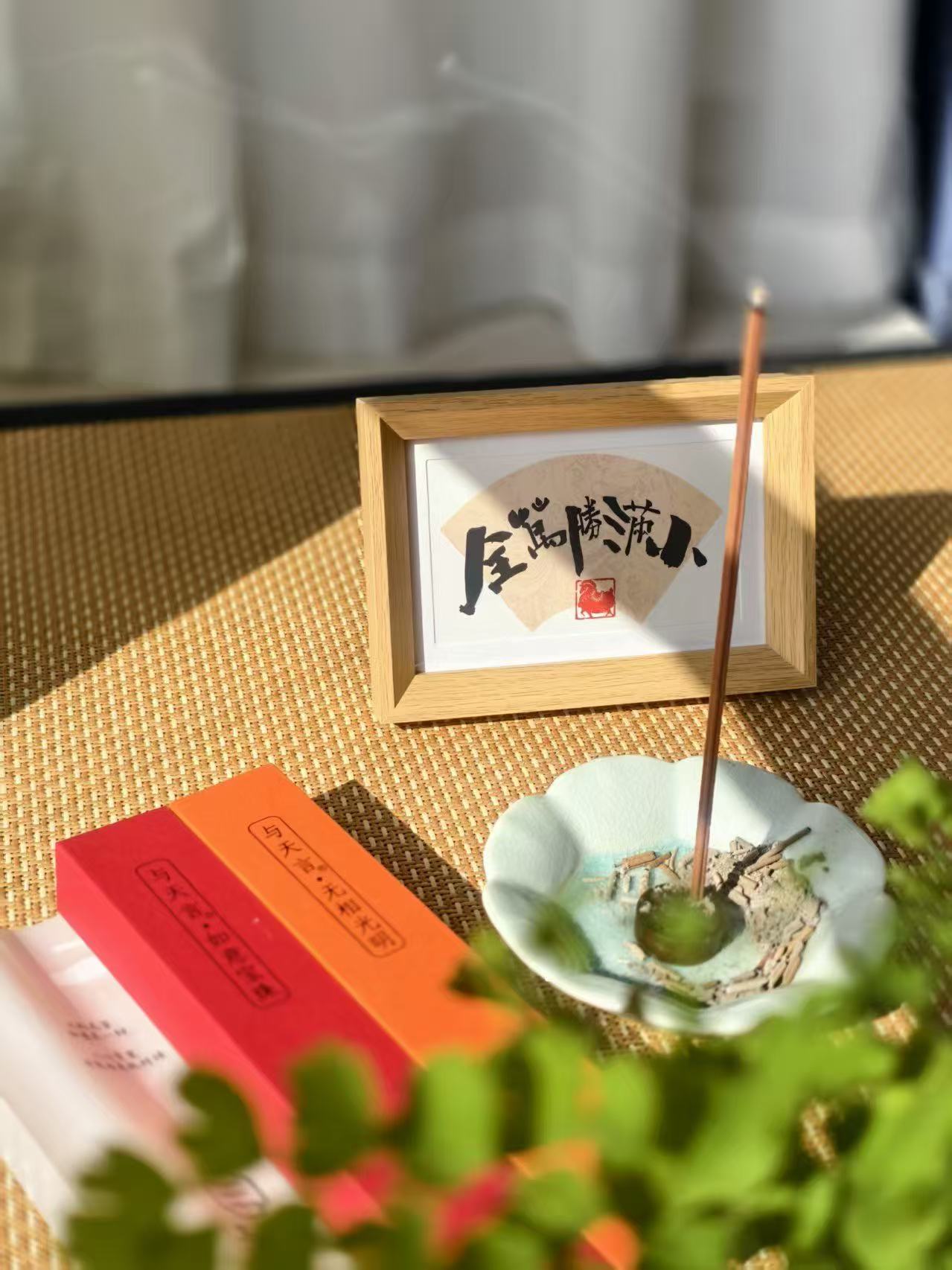
Natural Dhoop for B2B Buyers: Wholesale, Private Label & Retail Guide

Get a Free Quote

Our representative will contact you soon.
Email
Mobile/WhatsApp
Name
Company Name
Message
0/1000
Customer Reviews of Natural Dhoop

Customer Reviews of Natural Dhoop

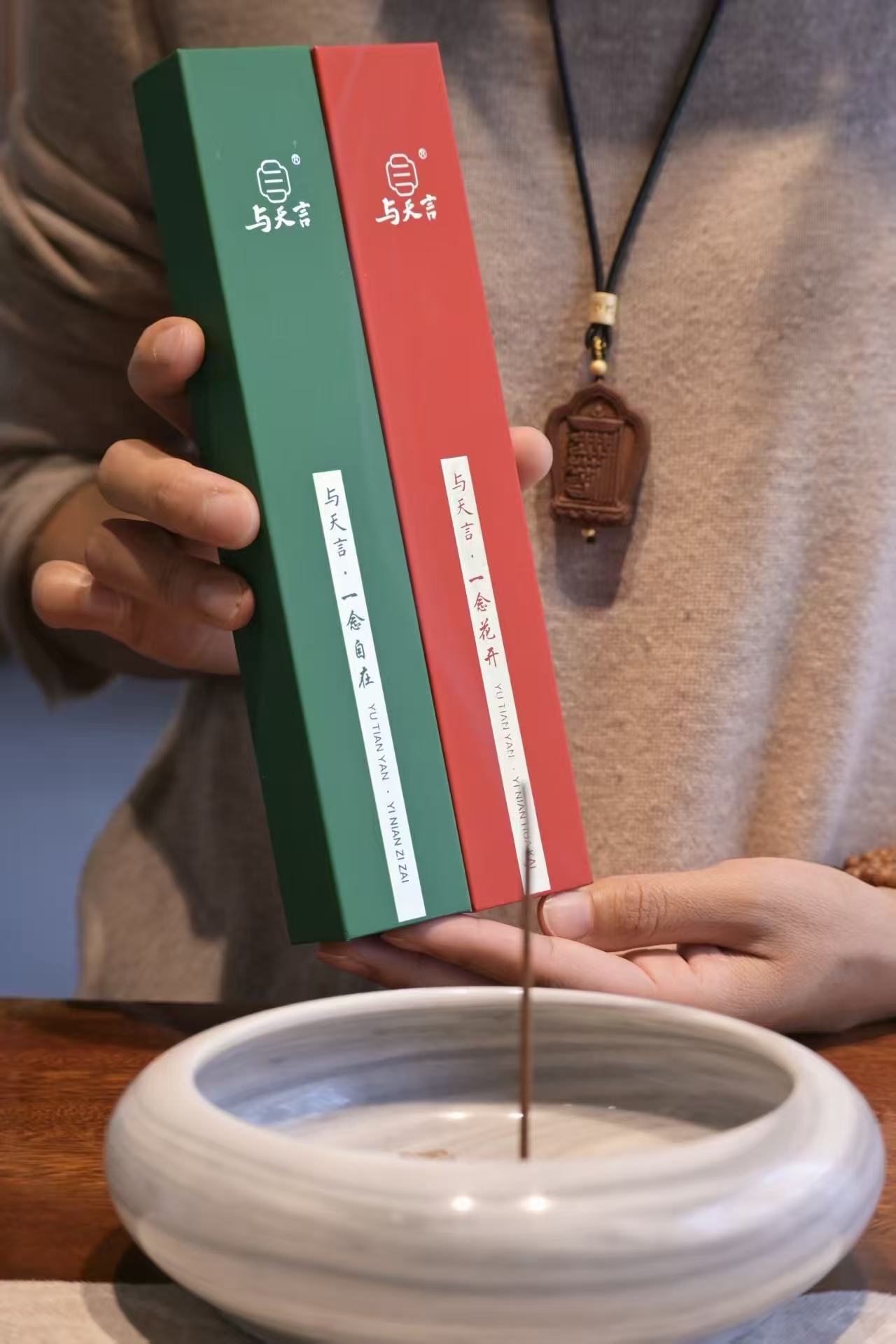
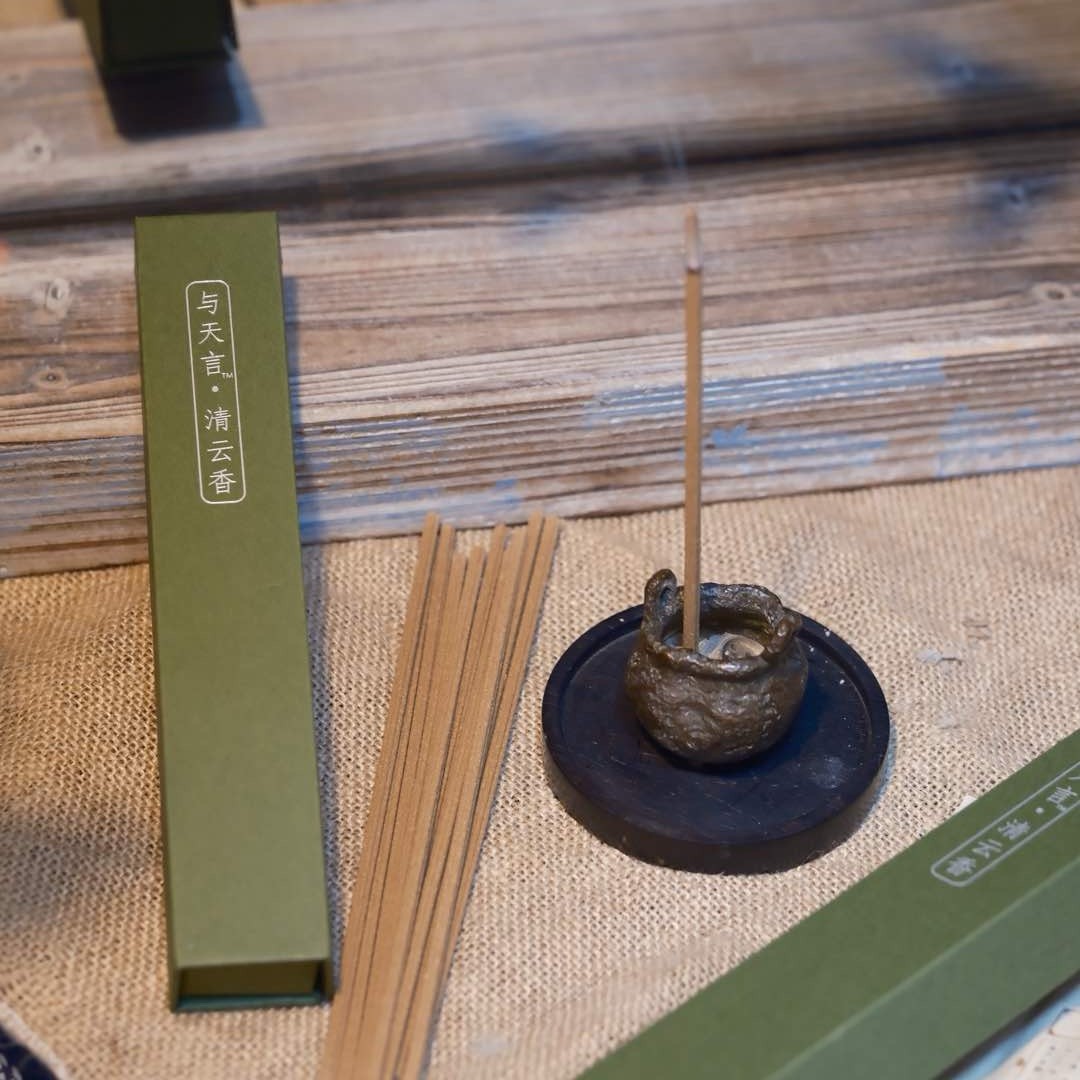
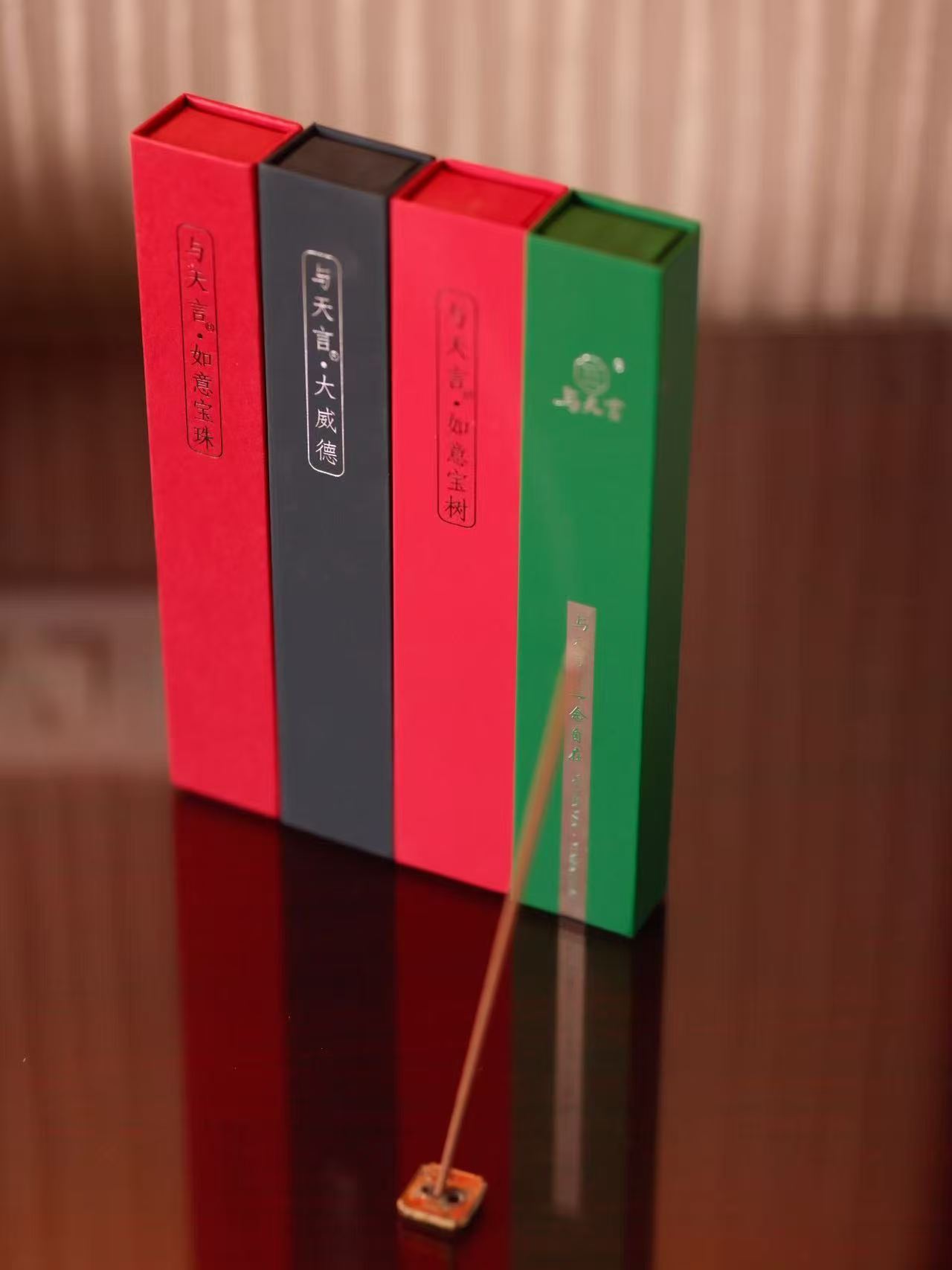
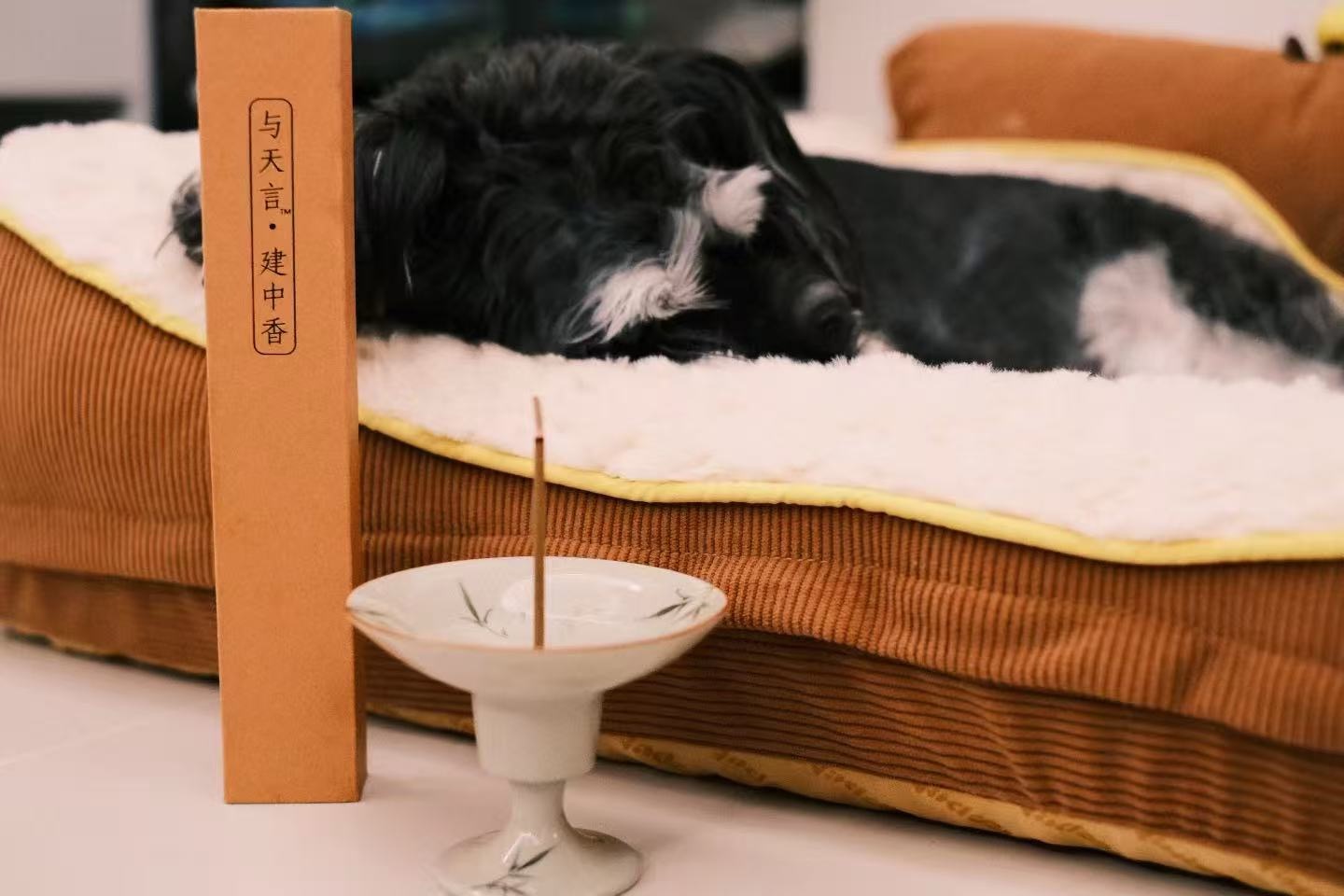
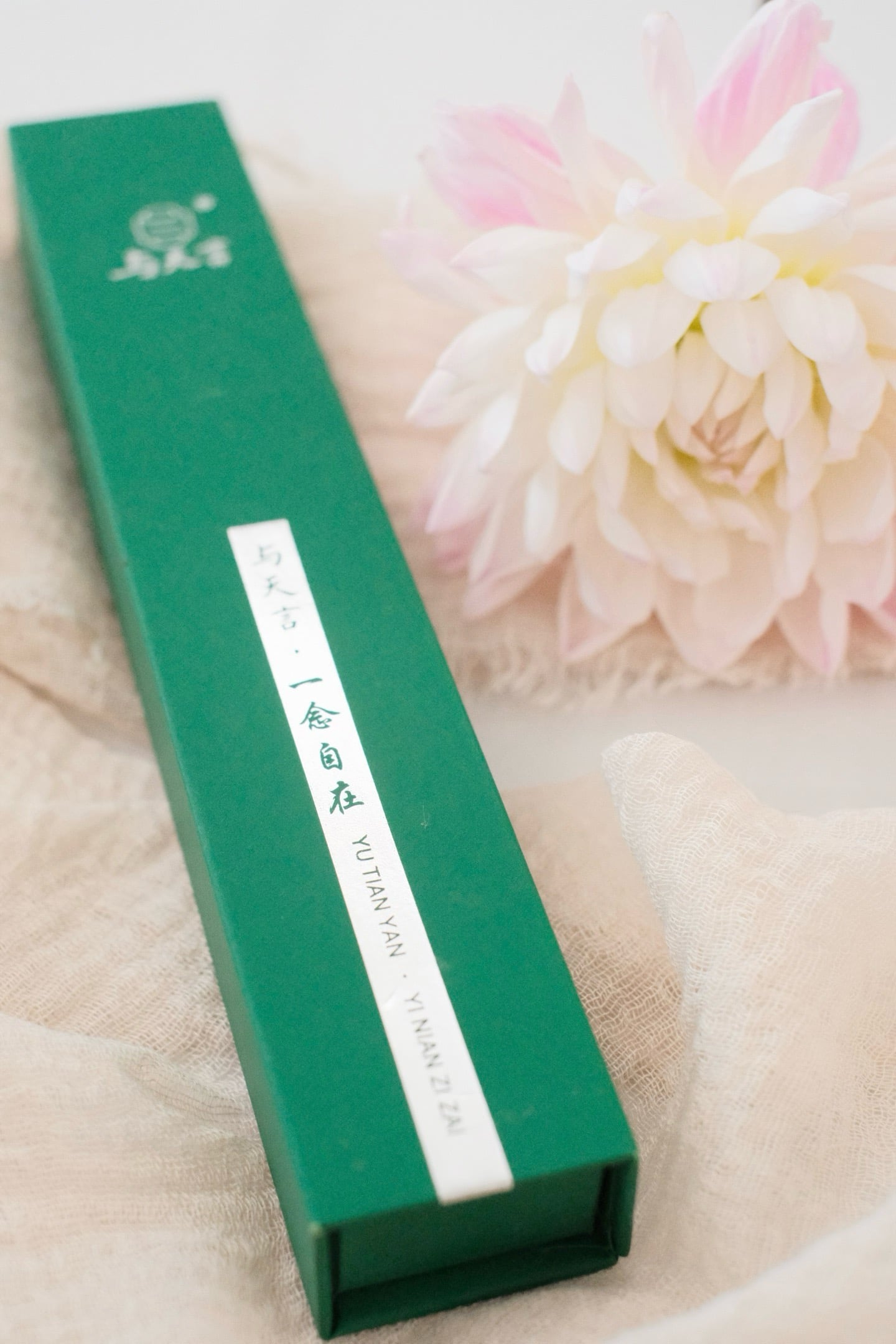
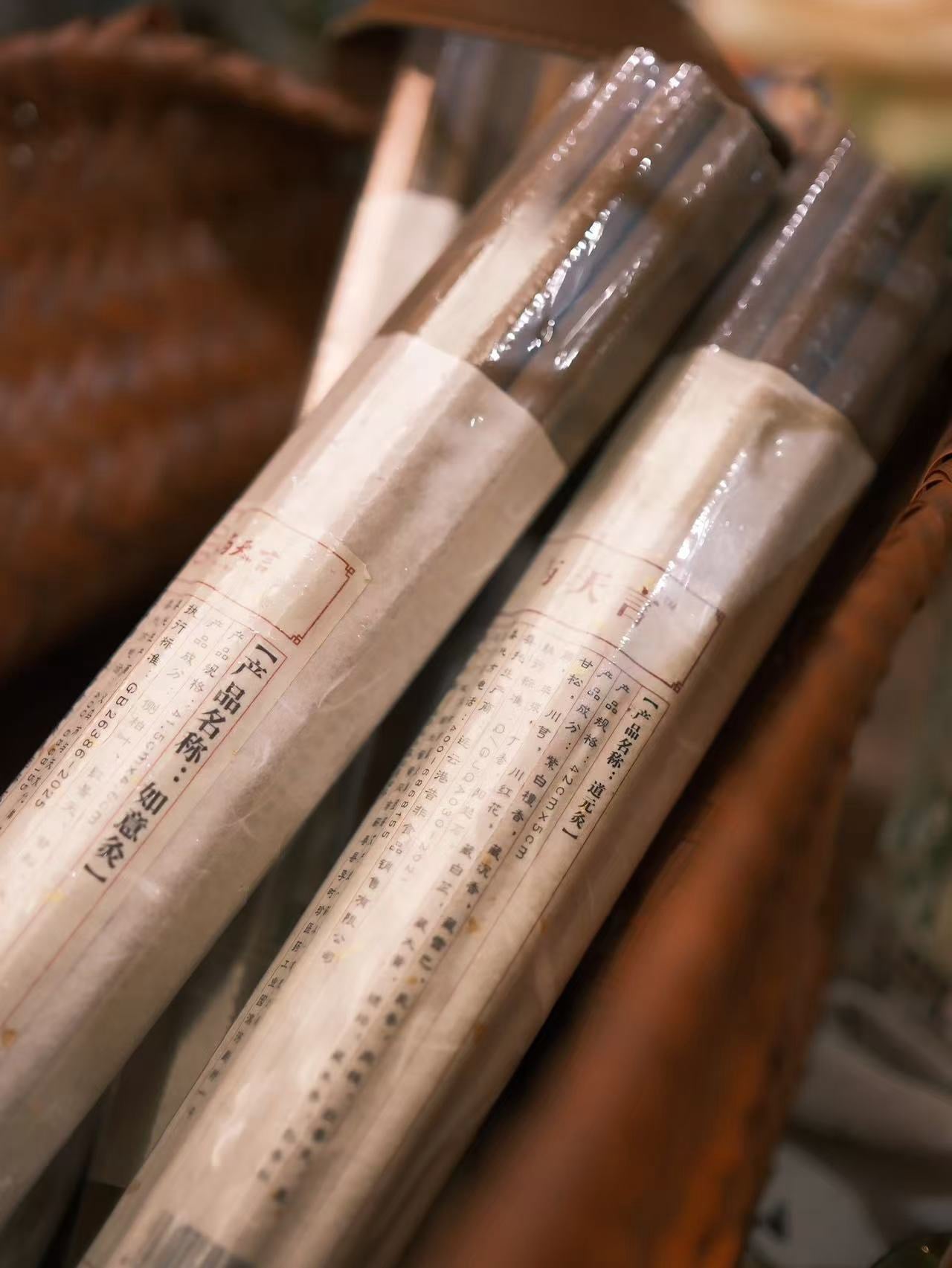
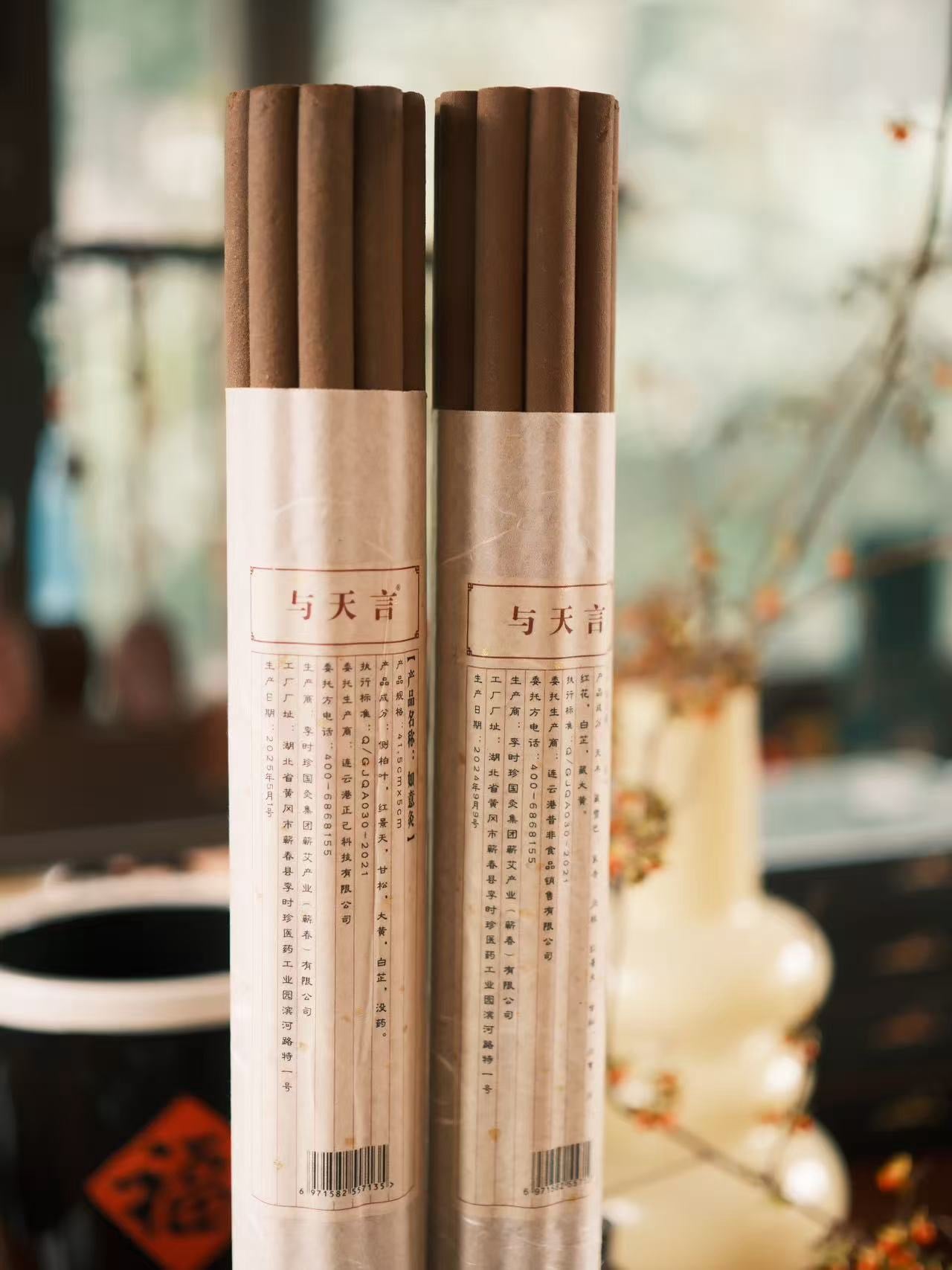
Natural dhoop offers a traditional incense format for retailers, distributors, spiritual goods stores, and private label brands serving customers interested in aromatic rituals. Depending on the formulation, it may contain botanical powders, aromatic woods, natural resins, and binding ingredients. Dhoop is commonly available as solid sticks or cones without the bamboo core found in conventional agarbatti. Buyers should evaluate fragrance character, burning consistency, packaging, and ingredient transparency before selecting products for their markets. For example, a specialty retailer may combine woody and resinous fragrances with floral options to create a varied incense collection. Comparing several samples and documenting product specifications helps businesses select suitable products for wholesale distribution, everyday rituals, and gift assortments.
Get A Quote

Case Study

Natural Dhoop for Specialty Retail Stores

A specialty retailer wants to expand its traditional incense category with products that appeal to customers seeking distinctive aromatic experiences. Natural dhoop can complement conventional incense sticks through its coreless format and fragrance profiles based on woods, herbs, or resins, depending on the formulation. Buyers can compare samples for aroma, shape, packaging, and burning behavior before choosing products for display. A practical assortment might include woody fragrances for everyday rituals and resinous varieties for customers who prefer deeper aromas. Clear ingredient information and accurate product descriptions help staff answer customer questions. Reviewing packaging sizes and replenishment requirements also supports better inventory planning and a more organized retail collection.

Wholesale Natural Dhoop for Regional Distributors

A distributor supplying religious goods shops and specialty retailers needs incense products with clear specifications and dependable ordering arrangements. Natural dhoop can be evaluated alongside agarbatti and incense cones to broaden the available product range. Before purchasing in bulk, buyers should confirm fragrance options, dimensions, packaging quantities, ingredient declarations, and shipping schedules. For example, a distributor serving several retail channels may select compact consumer packs for small stores and larger formats for customers with regular purchasing needs. Sample evaluation helps assess product consistency before an order is approved. Documented specifications and clear communication with the supplier make it easier to coordinate purchasing, catalog updates, and future replenishment.

Private Label Natural Dhoop for Brand Development

A lifestyle or spiritual goods brand wants to introduce natural dhoop under its own label. The project may involve selecting fragrance profiles, choosing stick or cone formats, reviewing retail packaging, and confirming the intended product positioning. Buyers should verify the formulation before using claims such as natural, charcoal-free, or free from synthetic fragrances. For example, a meditation-focused brand might prefer understated packaging and woody aromas, while a festive gift range may use assorted fragrances and decorative cartons. Sample approval and written specifications help align the final product with brand expectations. Confirming minimum order quantities, labeling requirements, and lead times early can also simplify production planning.

Related products

Natural dhoop is a traditional incense format commonly associated with prayer, meditation, and everyday aromatic rituals. Unlike conventional agarbatti, dhoop is generally made without a bamboo core and may be shaped into solid sticks, cones, or other formats. Its composition varies by product and can include aromatic woods, botanical powders, natural resins, and binding materials. For B2B buyers, choosing a suitable product involves more than fragrance preference. Ingredient transparency, shape consistency, packaging durability, burning characteristics, and supplier communication all matter when planning wholesale orders. YT Natural can be contacted to discuss available incense products and sourcing requirements. Importers, distributors, and private label brands should request product details and samples before confirming their selections. A retailer may prioritize compact packs for everyday customers, while a gift business may prefer assorted fragrances and presentation-focused packaging. Clear specifications help buyers compare alternatives, prepare accurate product listings, and establish expectations for repeat orders. By matching product formats to customer demand, businesses can develop a relevant incense assortment for their target markets.

Frequently Asked Questions

What is natural dhoop?

Natural dhoop is a traditional incense product commonly made without a bamboo core. Depending on the formulation, it may contain aromatic woods, botanical powders, resins, and binding materials. It is available in different shapes and fragrance profiles. Buyers should check each product's ingredient declaration rather than assuming all dhoop uses the same formulation.
Traditional agarbatti usually has an aromatic coating around a bamboo stick, while dhoop is generally formed without a bamboo core. Dhoop may be sold as solid sticks or cones, depending on the manufacturer. Fragrance intensity, burning time, and smoke production vary with the formulation, size, and manufacturing process.
Wholesale availability depends on the supplier's product range, production capacity, and order requirements. Buyers should ask about available fragrances, product formats, packaging quantities, minimum order quantities, and lead times. Requesting samples and written specifications before purchasing can help distributors and retailers evaluate whether the products fit their market needs.
Natural dhoop may be suitable for private label projects when the supplier offers customization and the formulation meets the brand's requirements. Buyers should discuss fragrance selection, packaging design, ingredient declarations, labeling, and order quantities. Sample approval and accurate product claims are important before production begins.
Businesses should assess fragrance consistency, product structure, burning behavior, packaging, and available ingredient information. Comparing samples from different batches can help identify differences in aroma and construction. Buyers should also confirm storage recommendations, product specifications, and delivery arrangements to support inventory planning and consistent customer expectations.

Related article

Why Natural Incense Websites Should Lead With Trusted Manufacturing

17

Aug

Why Natural Incense Websites Should Lead With Trusted Manufacturing

View More
The Most Common Plant-Based Ingredients Used in Natural Incense.

14

Sep

The Most Common Plant-Based Ingredients Used in Natural Incense.

Resins: The Aromatic Core of Natural Incense Natural incense owes its lasting fragrance and therapeutic depth to plant resins — the sticky, aromatic substances trees secrete to seal wounds and ward off pests. These hardened exudates form the ...
View More
Why Is Natural Incense Preferred for Meditation and Wellness?

20

Sep

Why Is Natural Incense Preferred for Meditation and Wellness?

The Science Behind Natural Incense and Neurological Calm Olfactory-Limbic Pathway Activation and Emotional Regulation Inhaling natural incense engages a direct neural route to the brain’s emotional core. Volatile aromatic molecules from plant...
View More
How to Choose the Right Incense for Different Applications?

23

Sep

How to Choose the Right Incense for Different Applications?

Match Incense to Your Primary Application: Meditation, Cleansing, Focus, and Relaxation Meditation & Spiritual Grounding: Sandalwood, Frankincense, and Myrrh for Depth and Stillness For centuries, meditative traditions have relied on grounding resi...
View More

Customer Testimonials

Daniel Brooks

Our customers appreciate the traditional aroma and distinctive presentation. Testing several fragrance samples helped us choose suitable products for our ritual goods collection and plan repeat purchases.

Priya Sharma

The natural dhoop range gives our store another option for customers seeking traditional incense. Comparing product formats and packaging made assortment planning easier for our seasonal sales.

Get a Free Quote

Our representative will contact you soon.
Email
Mobile/WhatsApp
Name
Company Name
Message
0/1000
Traditional Fragrance Profiles for Varied Markets

Traditional Fragrance Profiles for Varied Markets

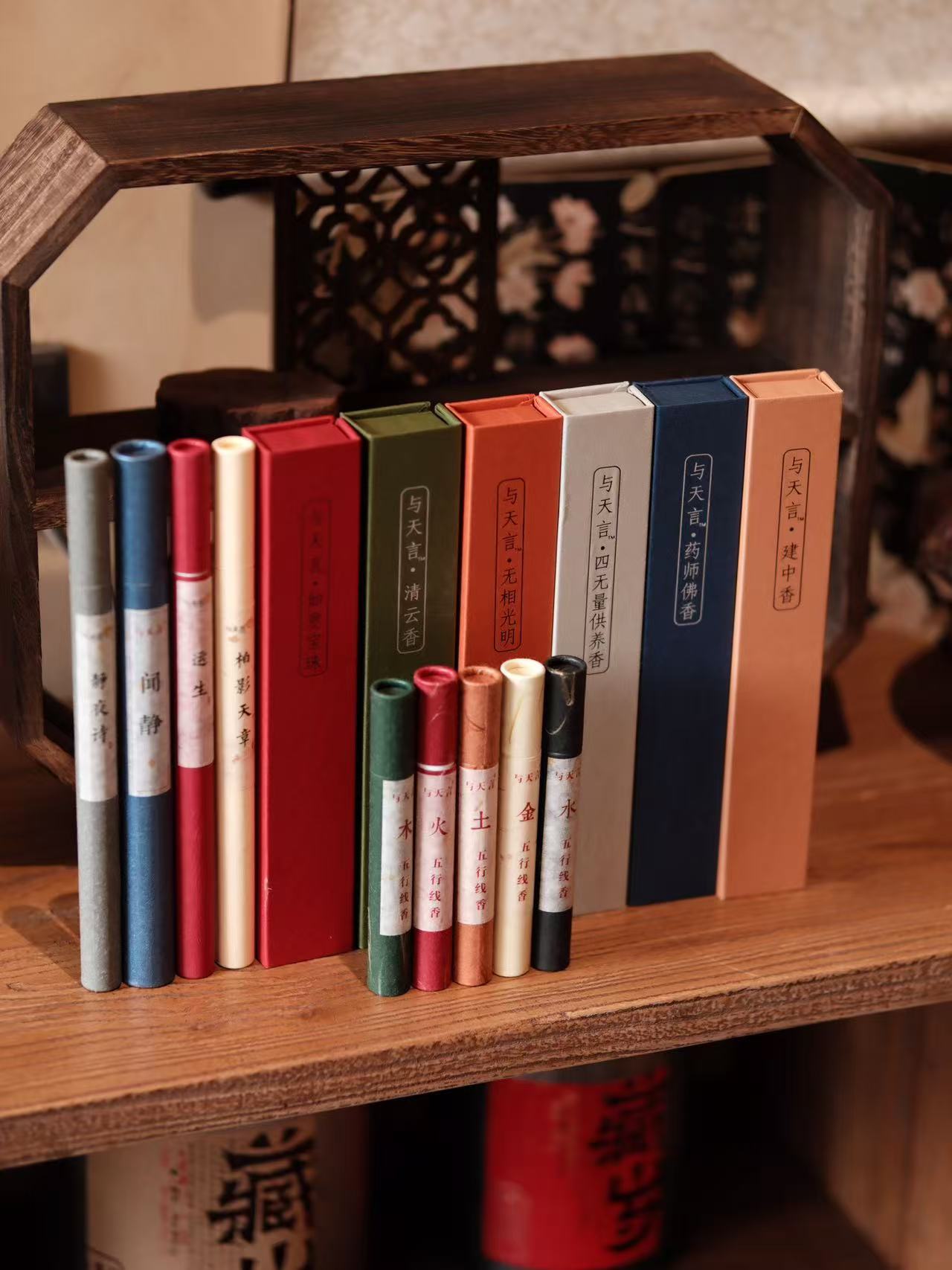
Fragrance selection helps businesses shape a natural dhoop collection around different customer preferences. Woody and resinous aromas may appeal to customers who value traditional incense experiences, while floral profiles can broaden the range for gift shops and lifestyle retailers. The actual scent depends on the ingredients and formulation, so buyers should review samples instead of relying on fragrance names alone. Organizing products by aroma and format makes it easier to create retail displays and wholesale catalogs. For example, a distributor may offer individual fragrances to specialist stores and assorted packs to gift retailers. Clear descriptions help customers understand product differences and support more informed purchasing decisions.
Product Specifications for Confident Sourcing

Product Specifications for Confident Sourcing

Clear specifications help wholesale buyers compare natural dhoop products and manage purchasing expectations. Relevant details include ingredient composition, stick or cone dimensions, packaging format, fragrance options, and recommended storage conditions. Buyers should also clarify any requirements concerning charcoal, synthetic fragrance ingredients, or other formulation details before approving an order. For example, a retailer building a natural-product category may need ingredient information that supports accurate product descriptions. Written specifications provide a reference when reviewing samples and arranging repeat purchases. Confirming these details with the supplier can reduce misunderstandings and help purchasing teams maintain a consistent assortment across multiple sales channels.