
Wholesale Natural Incense Sticks | 7+ Premium Moxa & Herbal Options

Get a Free Quote

Our representative will contact you soon.
Email
Mobile/WhatsApp
Name
Company Name
Message
0/1000
Wholesale Natural Incense Sticks for Retailers and International Distributors

Wholesale Natural Incense Sticks for Retailers and International Distributors

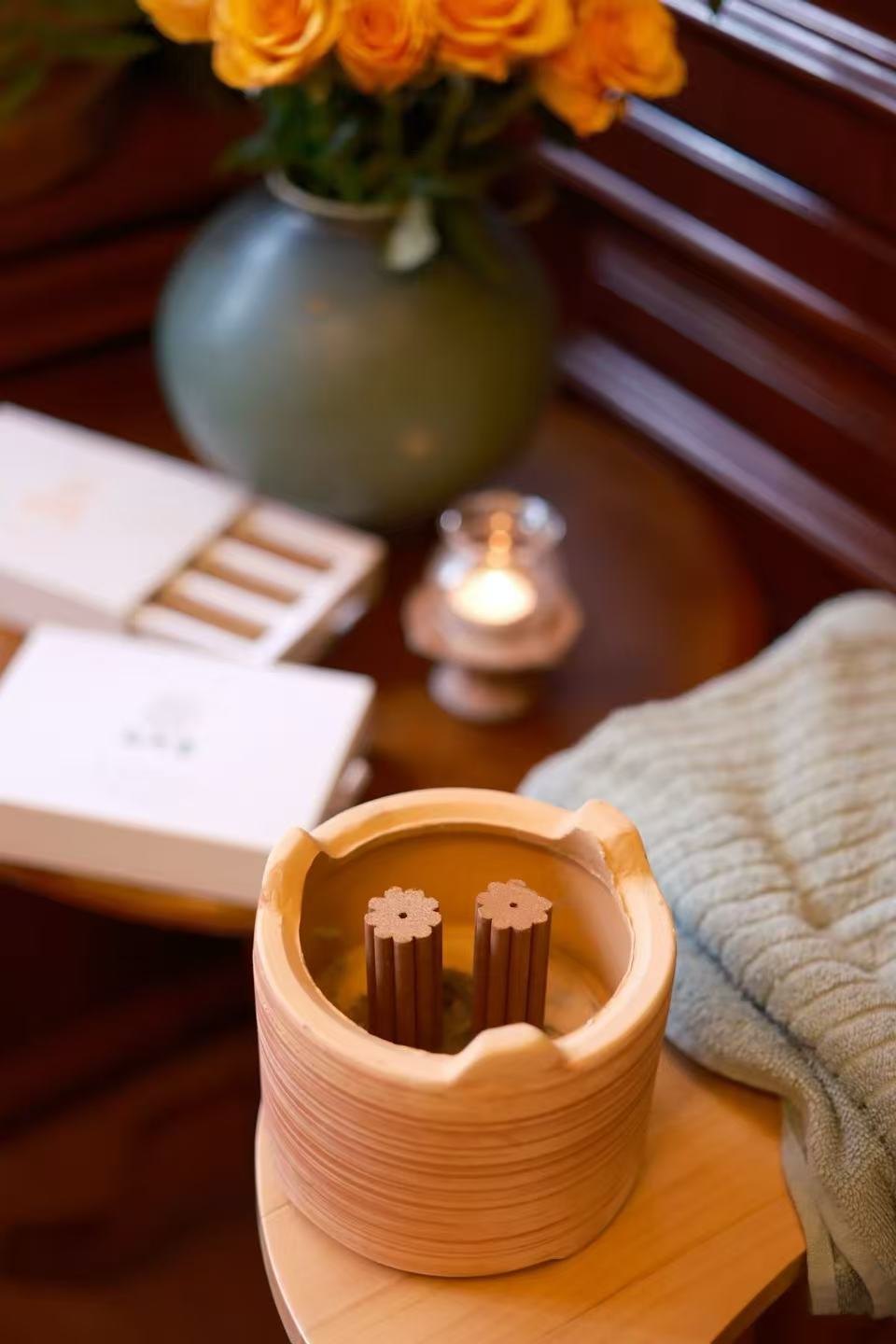
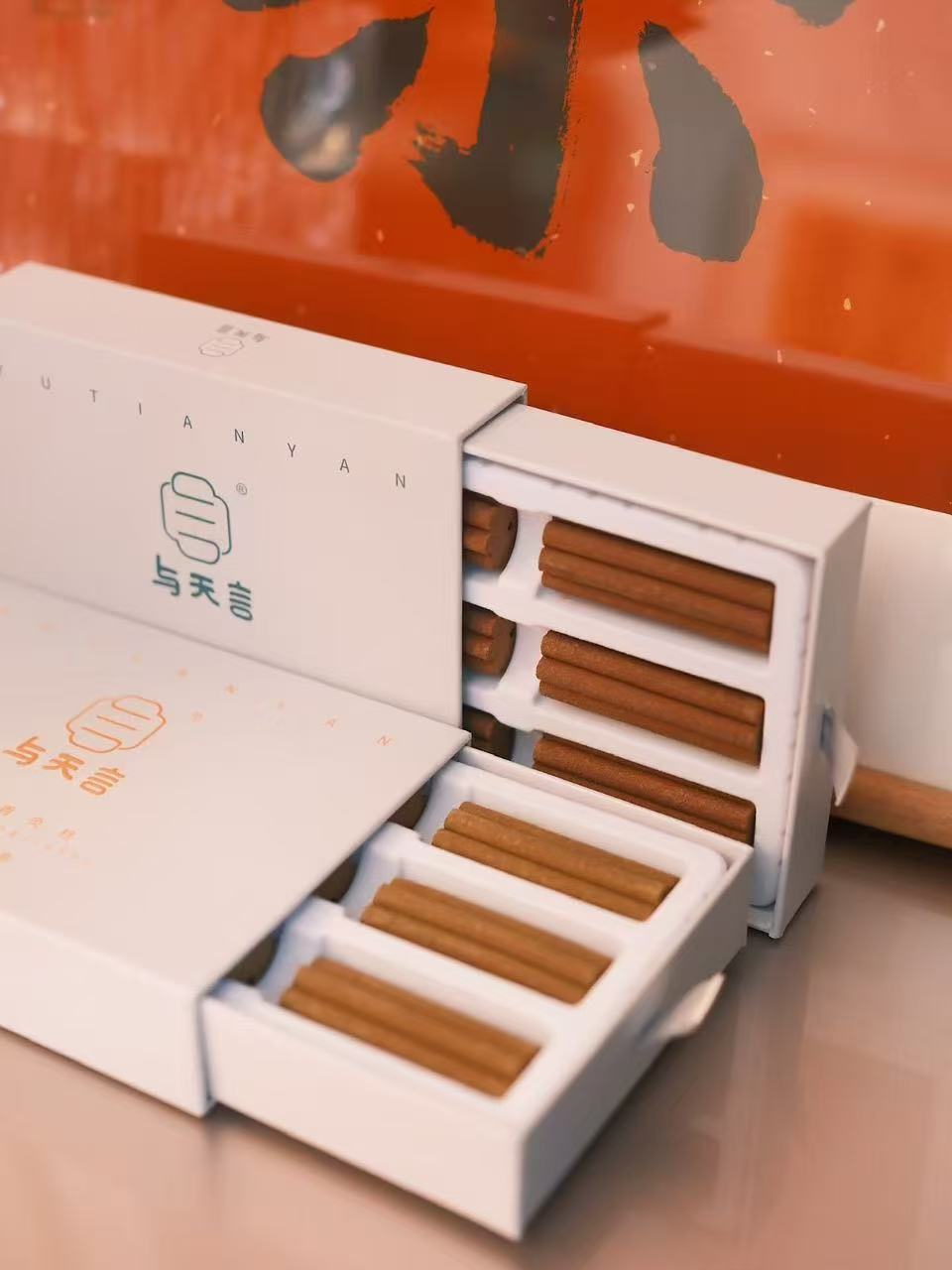
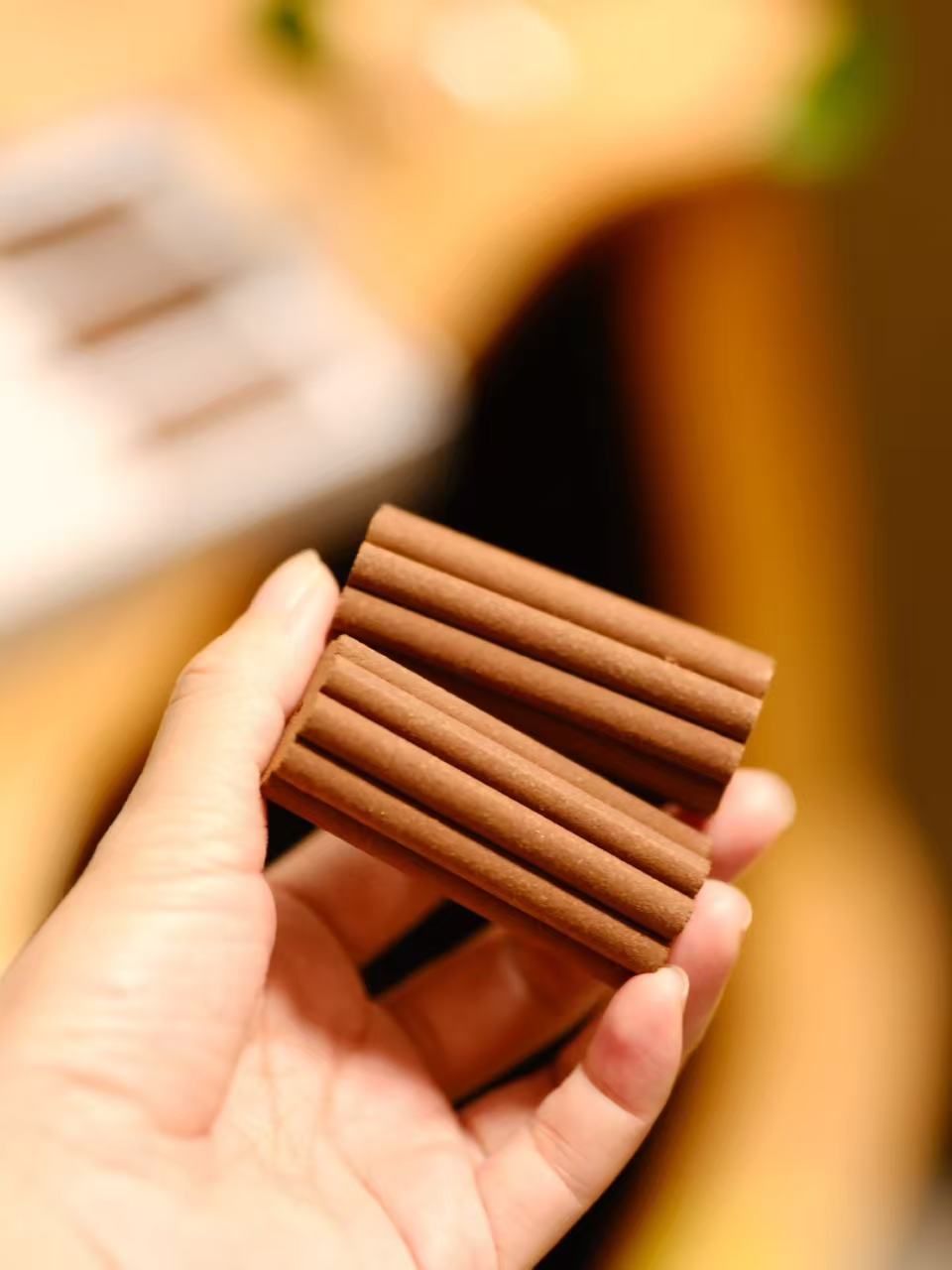
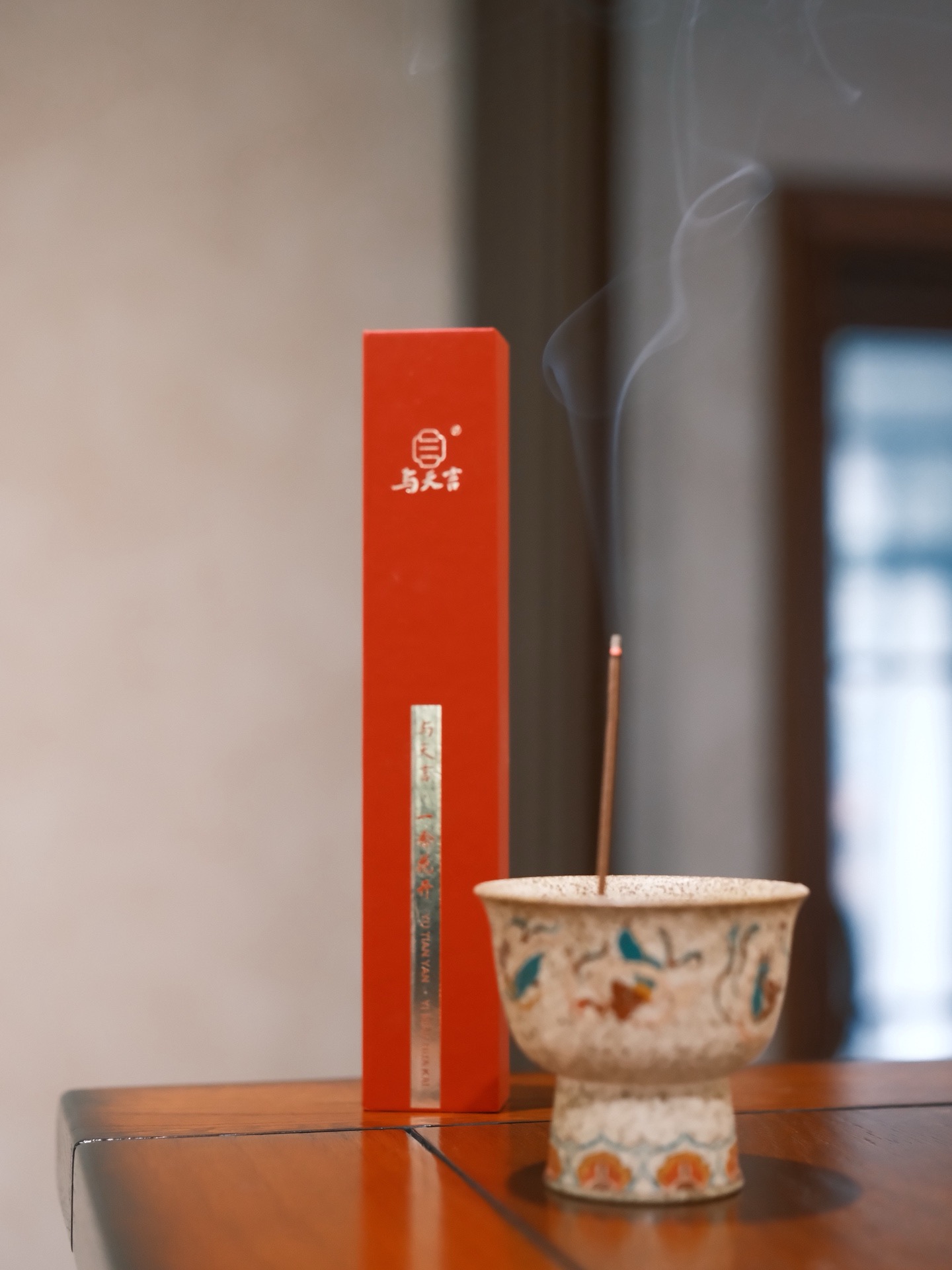
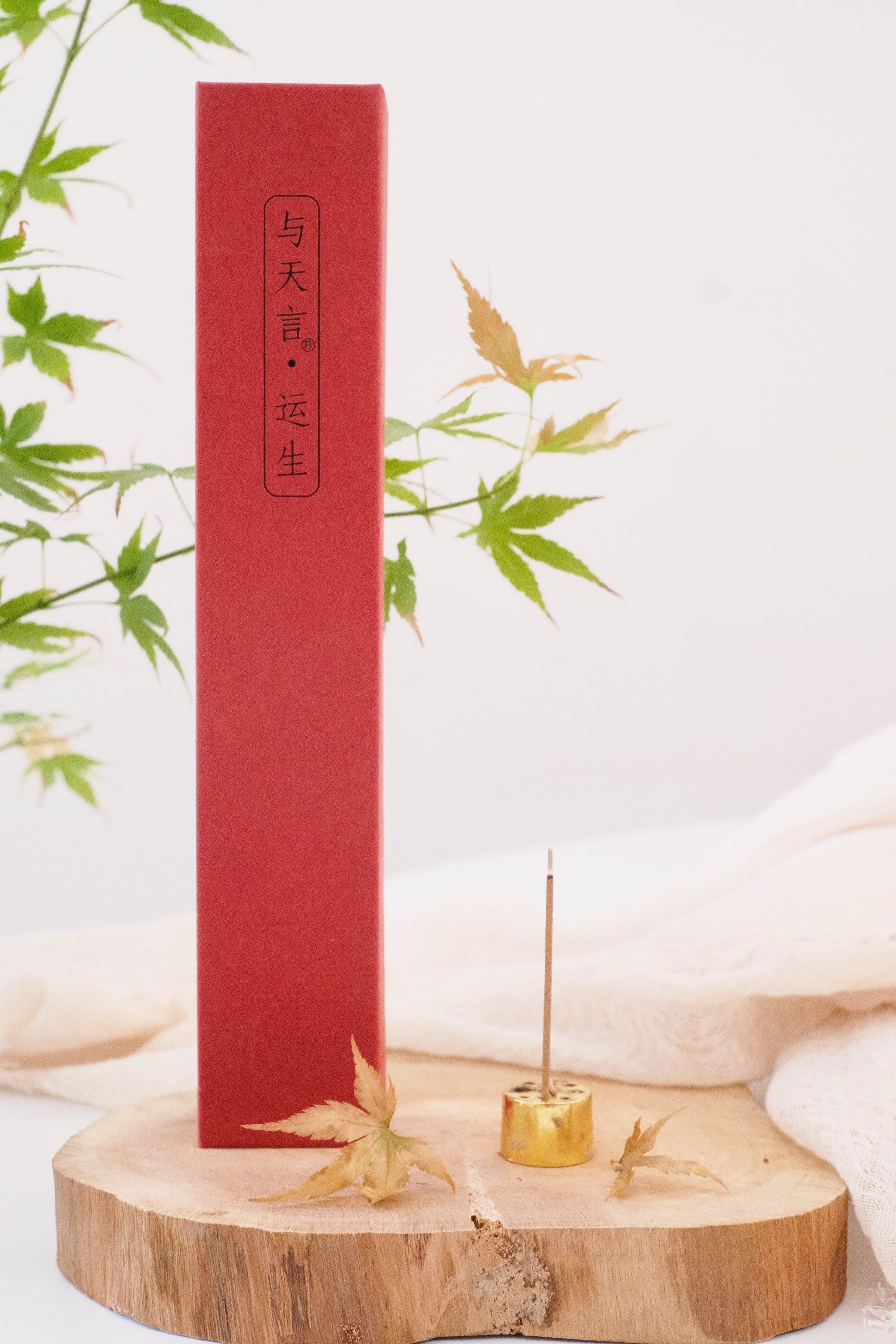
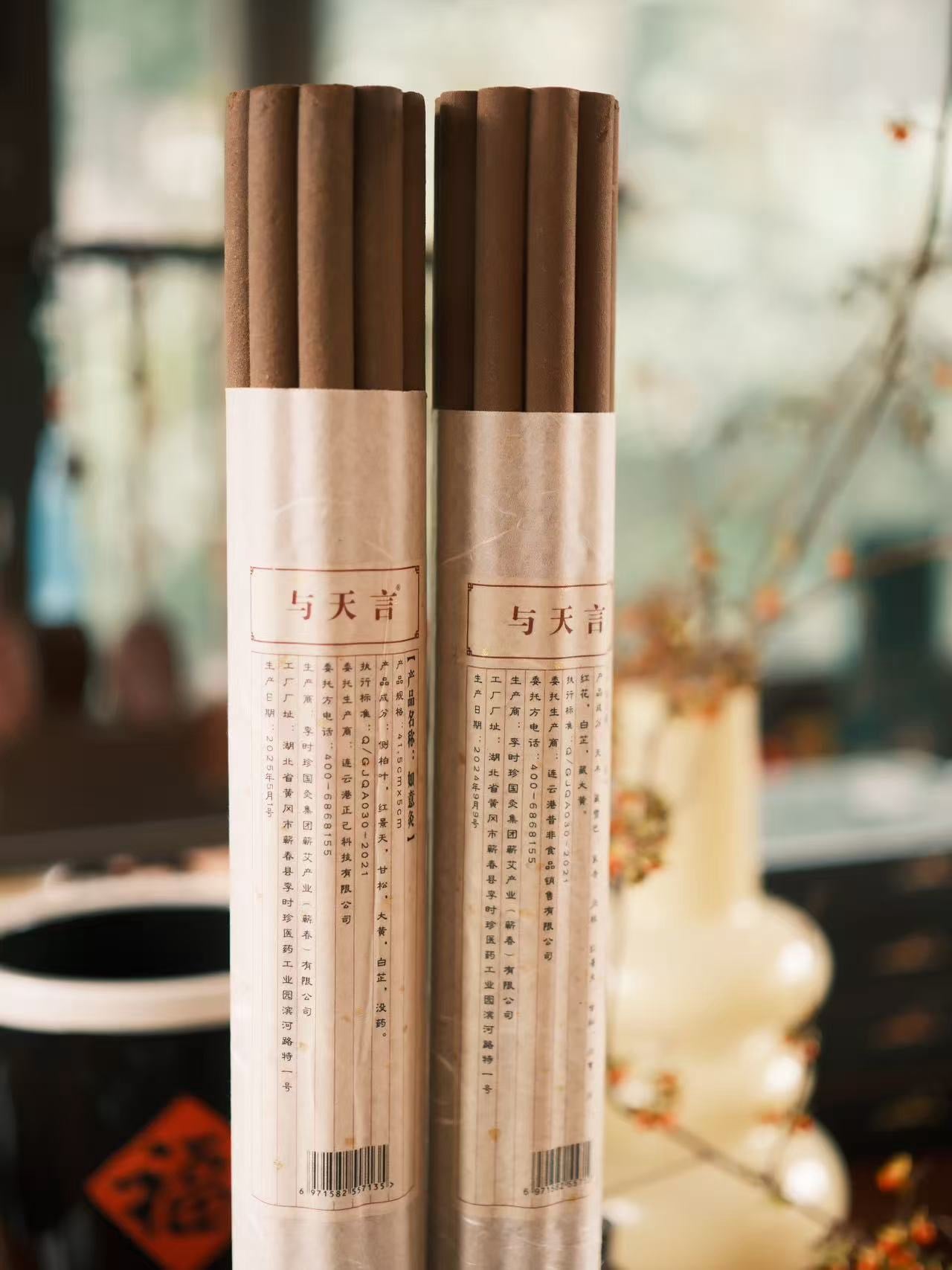
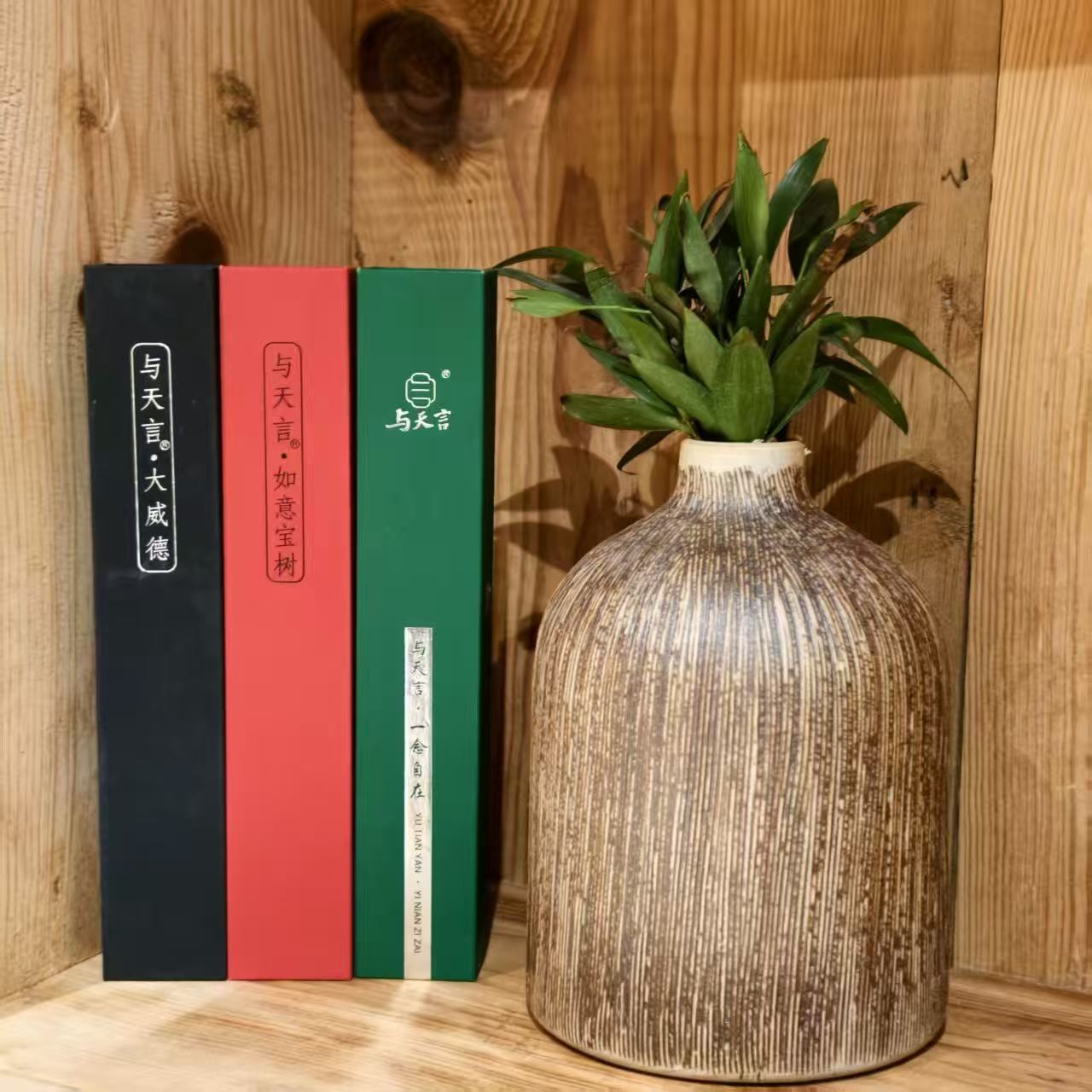
Wholesale natural incense sticks give retailers, importers, and distributors a practical way to develop fragrance collections for different customer groups. Woody, floral, and herbal aromas can complement home fragrance displays, meditation accessories, gift assortments, and specialty wellness products. For purchasing teams, fragrance selection is only one consideration; stick dimensions, packaging, ingredient transparency, and batch consistency also influence product suitability. Comparing three to five samples creates a manageable starting point for evaluating options before a bulk order. Buyers should verify ingredient details before promoting products as natural or botanical. By confirming quantities, labeling requirements, and delivery expectations early, businesses can make better-informed sourcing decisions and build assortments that suit their distribution channels.
Get A Quote

Case Study

Retail Shops and Gift Collections

A lifestyle retailer plans to expand its fragrance section with natural incense sticks for everyday use and gifting. The buyer compares several scent profiles, including woody, herbal, and floral options, then checks pack sizes and shelf presentation. Starting with three fragrance categories can provide variety without making the initial assortment difficult to manage. Before ordering, the team reviews ingredient information, packaging details, and burning instructions to prepare accurate product listings. Customer feedback and sales records can guide later replenishment decisions. This approach helps retailers build a focused incense collection that fits their store positioning while allowing room to introduce additional fragrances when demand becomes clearer.

Wellness Stores and Meditation Spaces

A wellness retailer serving yoga practitioners and meditation customers wants incense options for calm indoor environments. Its purchasing team evaluates aroma intensity, fragrance character, packaging convenience, and product documentation before choosing wholesale quantities. Earthy woody profiles may appeal to customers who prefer traditional aromas, while herbal and floral choices broaden the selection. The store can test two or three options with regular customers and use feedback to inform future orders. Product descriptions should explain fragrance characteristics without promising medical or therapeutic results. By matching the assortment to customer preferences and confirming supplier specifications, the retailer can create a relevant collection for meditation studios, wellness stores, and mindful living product ranges.

Importers and Private Label Brands

An importer developing a private-label incense collection needs products that fit its brand identity and distribution plans. The team reviews available fragrance profiles, stick formats, ingredient details, and packaging options before requesting samples. A four-point evaluation covering aroma, appearance, packaging, and documentation helps purchasing staff compare products consistently. The importer then confirms minimum order quantities, carton specifications, labeling requirements, and production lead times with the supplier. Approved samples and written specifications provide a reference before bulk production begins. This organized process supports communication between purchasing, marketing, and logistics teams while helping the business prepare a coherent assortment for online sales, specialty retailers, and international wholesale distribution.

Related products

Wholesale natural incense sticks can serve retailers, distributors, wellness brands, and importers looking to expand their fragrance product ranges. Depending on the formulation, incense may incorporate aromatic woods, herbs, resins, plant powders, or other fragrance materials. Buyers should review the actual ingredient information instead of assuming every product described as natural has an identical composition. During sourcing, compare samples for aroma, stick dimensions, packaging, and burning characteristics. For example, a distributor serving gift shops and meditation stores might choose woody fragrances for one collection and herbal profiles for another. Confirm order quantities, labeling requirements, storage guidance, and shipping arrangements before purchasing. For private-label projects, discuss available packaging formats and approve product specifications before production. A structured review process helps businesses choose suitable products, prepare accurate descriptions, and plan future replenishment around customer feedback and sales performance.
Frequently Asked Questions

What should businesses check before buying natural incense sticks wholesale?

Buyers should review ingredient details, fragrance options, stick dimensions, packaging, minimum order quantities, and delivery schedules. Requesting samples helps businesses compare products before committing to larger orders. Verify any natural or organic claims with supporting product information before using them in marketing materials, packaging, or online listings.
Woody, herbal, floral, and resin-inspired fragrances can provide a varied starting selection. The right mix depends on the target market, customer preferences, and retail positioning. Businesses can compare several samples, gather customer feedback, and review sales performance before deciding which fragrances to reorder or introduce.
Private-label options depend on the supplier's capabilities and order requirements. Buyers can discuss fragrance selection, stick formats, packaging design, labeling, and carton specifications. Before confirming a production order, request samples, approve the final product details, and clarify minimum quantities and lead times to support a smoother launch.
Wholesalers should document approved samples, product dimensions, packaging details, and ingredient specifications. Ask suppliers how production batches are checked and whether changes will be communicated before shipment. Reviewing incoming stock against agreed requirements can help identify discrepancies early and support more consistent inventory planning.
Store incense sticks in a cool, dry place away from direct sunlight, excess humidity, and strong competing odors. Keep products sealed in suitable packaging whenever possible. For larger inventories, follow the supplier's storage guidance and rotate stock appropriately to help maintain product condition before distribution.

Related article

Why Natural Incense Websites Should Lead With Trusted Manufacturing

17

Aug

Why Natural Incense Websites Should Lead With Trusted Manufacturing

View More
The Most Common Plant-Based Ingredients Used in Natural Incense.

14

Sep

The Most Common Plant-Based Ingredients Used in Natural Incense.

Resins: The Aromatic Core of Natural Incense Natural incense owes its lasting fragrance and therapeutic depth to plant resins — the sticky, aromatic substances trees secrete to seal wounds and ward off pests. These hardened exudates form the ...
View More
How to Find a Reliable Incense Sticks Wholesale Supplier?

16

Sep

How to Find a Reliable Incense Sticks Wholesale Supplier?

Verify Regulatory Compliance and Quality Credentials for Incense Sticks Wholesale Confirm certifications (ISO, GMP), ingredient traceability, and safety testing (heavy metals, VOCs) In the incense sticks wholesale market, certifications are your fi...
View More
What Makes Handmade Incense Different from Machine-Made Incense?

28

Sep

What Makes Handmade Incense Different from Machine-Made Incense?

The Core Difference: Craftsmanship vs. Automation in Production The production philosophy dividing handmade incense from machine-made incense fundamentally determines everything from ingredient purity to aroma depth. Where the artisan relies on sen...
View More

Customer Testimonials

Daniel Brooks

We compared four incense samples across woody and herbal profiles before planning our retail assortment. Clear product details helped our team organize purchasing requirements.

Sophie Martin

Our team needed incense for gift shops and wellness stores. Reviewing fragrance options and packaging specifications helped us prepare a more focused wholesale order.

Get a Free Quote

Our representative will contact you soon.
Email
Mobile/WhatsApp
Name
Company Name
Message
0/1000
A Versatile Fragrance Selection for Wholesale Markets

A Versatile Fragrance Selection for Wholesale Markets

Build a natural incense assortment around fragrance profiles that serve different customer preferences and sales channels. Woody, herbal, and floral options can support specialty retailers, gift shops, meditation stores, and home fragrance distributors. Comparing three to five samples gives purchasing teams a manageable way to assess aroma, stick dimensions, packaging, and ingredient information. Rather than relying on fragrance names alone, buyers can evaluate each option against its intended use and customer profile. Before placing a bulk order, confirm product specifications and available packaging formats with the supplier. This method supports clearer product descriptions, more organized shelf planning, and better-informed replenishment decisions as market feedback becomes available.
Clear Specifications for Bulk Purchasing

Clear Specifications for Bulk Purchasing

Effective wholesale sourcing depends on clear communication about product details, quantities, packaging, and delivery expectations. Buyers can create a simple checklist covering fragrance, dimensions, pack count, labeling, and storage requirements, then use it to review supplier quotations and samples. This gives purchasing and logistics teams a shared reference when preparing orders. Private-label businesses should also confirm artwork approval and ensure that ingredient claims can be substantiated. Documenting these details before production helps reduce misunderstandings and makes order reviews more systematic. Whether supplying independent stores or larger distribution networks, a consistent purchasing process supports inventory planning and provides a practical foundation for repeat orders as product demand develops.