EN


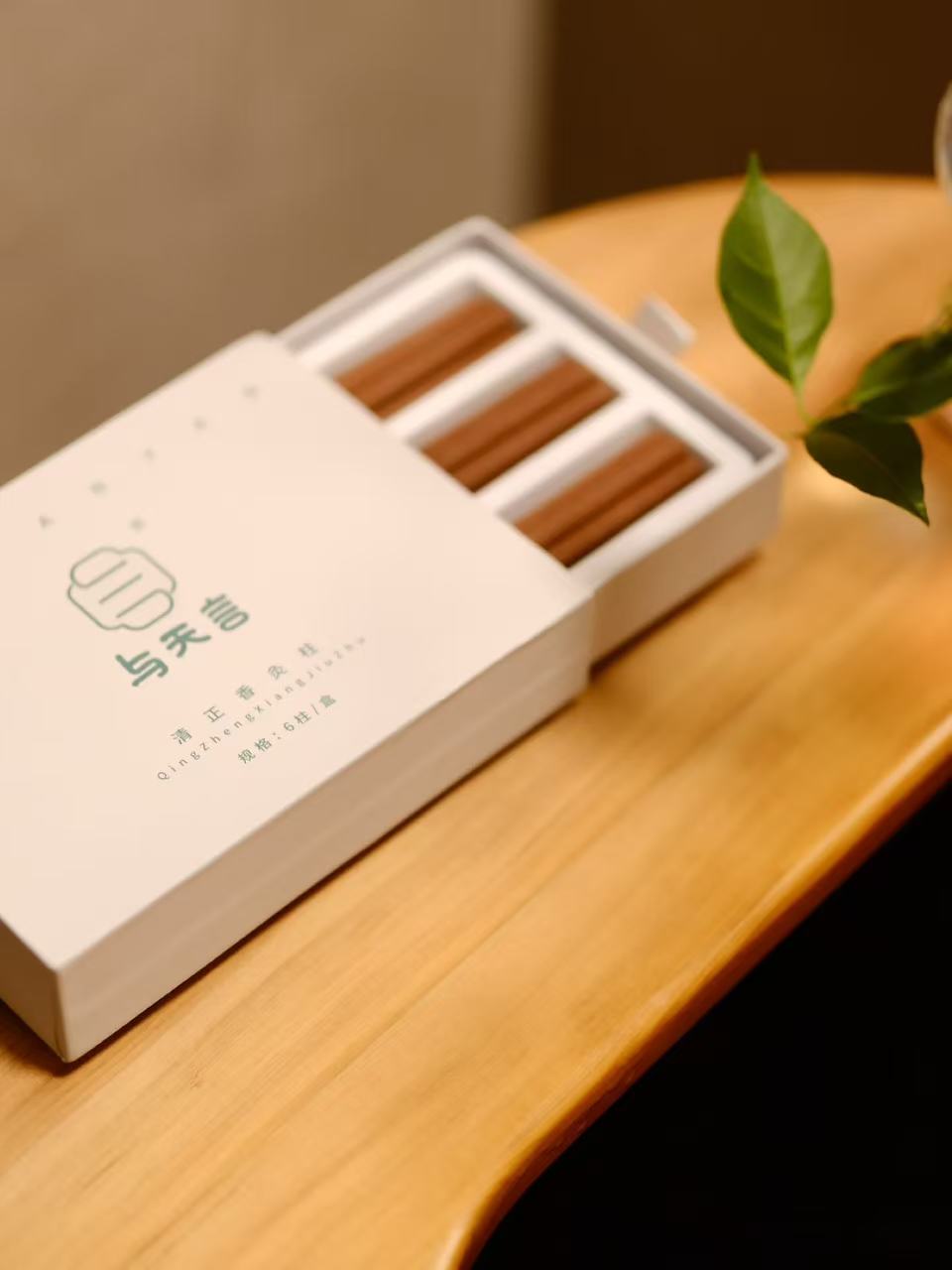
Sourcing and Preparing Authentic Natural Ingredients for Handmade Incense
Creating high‑quality handmade incense begins with the conscious selection and meticulous preparation of raw botanicals. The source of every resin, wood, and flower directly influences burn character, aroma depth, and end‑user experience. This stage marries artistry with material science, where even subtle changes in plant provenance or particle size can alter the entire olfactory journey.
Selecting High‑Volatility Aromatic Resins, Woods, and Botanicals for Optimal Fragrance Release
The first decision in handmade incense production is choosing ingredients whose volatile aromatic compounds release at the right temperatures. Resins such as Omani frankincense (Boswellia sacra) and copal contain a high proportion of terpenes that vaporise quickly, delivering an immediate burst of fragrance when the tip of a stick or cone smoulders. Harder woods like Mysore sandalwood and cedar require sustained heat to unfurl their deeper, creamier notes. A skilled artisan blends these elements so the scent evolves from top notes to a lingering base. Botanicals such as labdanum, myrrh, and star anise each contribute a distinctive signature: labdanum adds a rich, ambery fixative quality; myrrh lends a bitter-sweet earthiness; and star anise introduces a lively, spicy lift. Sourcing from growers who harvest sustainably—such as tapping frankincense trees only twice yearly to allow regeneration—ensures both ecological integrity and peak aromatic potency. Quality assessment relies on organoleptic tests: fresh resins should be translucent and fragrant when rubbed, while ground woods should smell distinctly sweet rather than musty. By pairing high-volatility top-note ingredients with steady-burning base-note resins, the maker sets the stage for a hand-rolled incense that tells a story across its burn time.
Drying, Grinding, and Particle‑Size Standardization to Ensure Batch Consistency in Handmade Incense
Once the botanicals arrive, they must be dried to a uniform moisture level—typically below 10%—to prevent microbial growth and erratic combustion. Sun-drying in a well-ventilated space for three to five days, or using a dehydrator at 40 °C, preserves volatile oils while removing excess water. The dried material is then ground in a stone or stainless-steel mill and sieved through controlled mesh screens. Particle size profoundly affects performance: a powder sieved to 120-mesh (about 125 µm) smoulders more evenly than coarser 60-mesh particles, which can cause mini-flares and shorten burn time. For bamboo-core sticks, a 100-mesh consistency typically balances adhesion and airflow. After grinding, the powder is tested by rubbing a small amount on the skin; it should feel silky, not gritty. Standardizing particle size across batches transforms a one-off success into a repeatable product line. For example, consistently sifting sandalwood to 150-mesh eliminates variability in fragrance release and burn rate. This precision also ensures the natural gum-based binder coats every particle evenly—preventing cracks that could cause premature extinguishing.
Formulating Balanced Handmade Incense Recipes Using Traditional Ratio Systems
Applying Ayurvedic tri-dosha or Japanese kōdō note structures (top/middle/base) for olfactory harmony
Traditional incense formulation relies on layered scent structures rooted in ancient wellness philosophies. The Ayurvedic tri-dosha approach balances Vata, Pitta, and Kapha through aromatic choices—earthy sandalwood anchors Vata, cooling rose soothes Pitta, and stimulating resins balance Kapha. In Japanese kōdō, aromatics are organized into top, middle, and base notes: a citrusy top note like yuzu evaporates first, followed by a floral middle such as lotus, then a deep woody base like agarwood that lingers. A coherent handmade incense blend arranges these volatilities so no single note dominates. When the base burns too fast, complex middle and top notes vanish before they unfold, leaving a flat, one-dimensional scent. Conversely, an overbuilt base muffles brighter accords. Achieving olfactory harmony demands progressive combustion across all tiers—a balance validated through small-batch sensory trials before scaling production.
Optimizing binder-to-fragrance ratios through iterative testing to prevent cracking and ensure even burn
Even the most meticulous note structure collapses without a correct binder-to-fragrance ratio. A common starting point is 60% binder matrix to 40% aromatic core, yet the ideal proportion shifts with resin content and ambient humidity. Too little binder leaves the dried stick brittle and prone to cracking; excessive starch or gum can choke combustion, producing thick white smoke and minimal scent. Testing requires small, controlled batches: each variation is rolled, dried for 7–14 days under stable conditions, then assessed for structural integrity and burn rate. Resins like frankincense act as both scent carrier and partial binder, so formulations with high resin loads may reduce external binder to as low as 30% without sacrificing cohesion. Iterative adjustments—documented through burn-speed logs and scent-throw evaluations—help lock in a ratio that yields a seamless, ash-free burn and full fragrance release in every handmade incense stick.
Shaping Handmade Incense: Rolling, Extruding, and Molding Techniques Compared
Japanese neriko hand-rolling vs. Indian masala extrusion: yield, labor requirements, and signature texture outcomes
The shaping stage directly influences both the burn character and tactile appeal of handmade incense. Two dominant approaches in artisan production highlight contrasting trade-offs in productivity and craftsmanship. Japanese neriko hand-rolling yields coreless sticks that require skilled artisans to blend and roll a moist dough into uniform cylinders, typically 2–3 mm thick. This method demands intensive labor; experienced workers produce only 200–300 sticks per day. The resulting texture is exceptionally smooth, with a dense, fine-grained surface that burns cleanly and releases fragrance without interference from a bamboo core. In contrast, Indian masala extrusion applies a fragrant paste around a thin bamboo splint using manual or mechanical extruders. Semi-automated extrusion lines can output 5,000 sticks per hour, dramatically reducing per-unit labor. The bamboo core adds strength but creates a coarser surface, and the extruded paste often retains a slightly rougher, more granular texture. These signature surface qualities influence both consumer perception and burn consistency—and the choice between methods reflects a producer’s priority on high-volume output or artisanal authenticity.
Drying, Curing, and Quality Assurance for Premium Handmade Incense
Controlled ambient drying (7–21 days) and humidity-cured aging to maximize fragrance longevity and burn stability
For premium handmade incense, post-shaping drying and curing are as critical as the formula itself. Controlled ambient drying, lasting 7 to 21 days, allows moisture to evaporate slowly—preventing surface cracks and internal voids that disrupt even burning. During this phase, humidity should remain stable between 45% and 55%, with gentle air circulation to avoid warping. To ensure uniformity, incense sticks are turned daily, and in arid regions, artisans shade them from direct sunlight—a practice that prevents case hardening. As water departs, natural resins crystallize and aromatic compounds bond with binders, deepening fragrance complexity and stability. The subsequent humidity-cured aging further matures the scent, transforming raw botanical notes into a harmonious, layered profile. Rigorous quality assurance—checking stick density, consistency, and burn test results—ensures each piece delivers steady combustion and enduring aroma, hallmarks of truly artisanal handmade incense.
Eco-Conscious Packaging and Brand Storytelling for Handmade Incense
Biodegradable cellulose wraps versus artisanal cotton pouches: shelf-life impact and B2B buyer perception trends
For producers of handmade incense, packaging choice directly influences scent preservation and wholesale appeal. Biodegradable cellulose wraps—often derived from wood pulp—offer a transparent, compostable solution with a moderate moisture barrier, helping incense sticks retain volatile fragrance compounds for extended shelf life. In contrast, artisanal cotton pouches promote a circular economy narrative with their reusable, tactile nature, but their breathability can accelerate aroma dissipation if not stored in humidity-controlled conditions. Shelf-life tests from a leading manufacturer suggest that wax-lined cellulose wraps can prolong fragrance intensity by up to 20% compared to unlined cotton pouches. Beyond functionality, B2B buyer perception trends reveal that the sustainable packaging market—valued at $272.9 billion in 2023 and projected to reach $448.5 billion by 2030 at a 7.6% CAGR—now rewards packaging that doubles as a brand storytelling tool. Wholesale purchasers often favour cellulose for its cost-effective, minimalist eco-credentials, while cotton pouches command a premium by signalling artisanal heritage and reuse value. The decision ultimately hinges on which sustainability narrative—modern efficiency or traditional craftsmanship—best aligns with the buyer’s own brand story.
FAQs
What are the most commonly used resins in handmade incense?
Resins like Omani frankincense (Boswellia sacra), copal, and labdanum are often featured for their aromatic and burn characteristics. Frankincense provides a bright, citrusy note, copal imparts a warm, resinous quality, and labdanum adds depth with a rich, ambery profile.
Why is particle size standardization so crucial in handmade incense production?
Standardizing particle size ensures a consistent burn rate, avoids mini-flare-ups, and stabilizes fragrance release. It allows the binder to coat every ingredient evenly, supporting a seamless and ash-free burn.
How does packaging affect the fragrance longevity of handmade incense?
Biodegradable cellulose wraps help preserve the fragrance by offering moderate moisture barriers, while cotton pouches offer a sustainable packaging option but may accelerate aroma dissipation if not stored properly.
What is the difference between Japanese hand-rolled incense and Indian extruded incense?
Japanese neriko hand-rolling creates coreless sticks with a smooth texture and clean burn. Indian masala extrusion uses bamboo cores and is better suited for high-volume production, but results in a coarser texture.
How is binder-to-fragrance ratio optimized in handmade incense?
A typical starting ratio is 60% binder to 40% fragrance core, adjusted iteratively through testing to ensure even burn and structural cohesion. Resins like frankincense naturally aid binding and may reduce the need for external binders.
Table of Contents
- Sourcing and Preparing Authentic Natural Ingredients for Handmade Incense
- Formulating Balanced Handmade Incense Recipes Using Traditional Ratio Systems
- Shaping Handmade Incense: Rolling, Extruding, and Molding Techniques Compared
- Drying, Curing, and Quality Assurance for Premium Handmade Incense
- Eco-Conscious Packaging and Brand Storytelling for Handmade Incense
-
FAQs
- What are the most commonly used resins in handmade incense?
- Why is particle size standardization so crucial in handmade incense production?
- How does packaging affect the fragrance longevity of handmade incense?
- What is the difference between Japanese hand-rolled incense and Indian extruded incense?
- How is binder-to-fragrance ratio optimized in handmade incense?