
Incense Powder Sourcing Guide for B2B Buyers [2024]

Get a Free Quote

Our representative will contact you soon.
Email
Mobile/WhatsApp
Name
Company Name
Message
0/1000
Buyer Feedback on Incense Powder Sourcing

Buyer Feedback on Incense Powder Sourcing

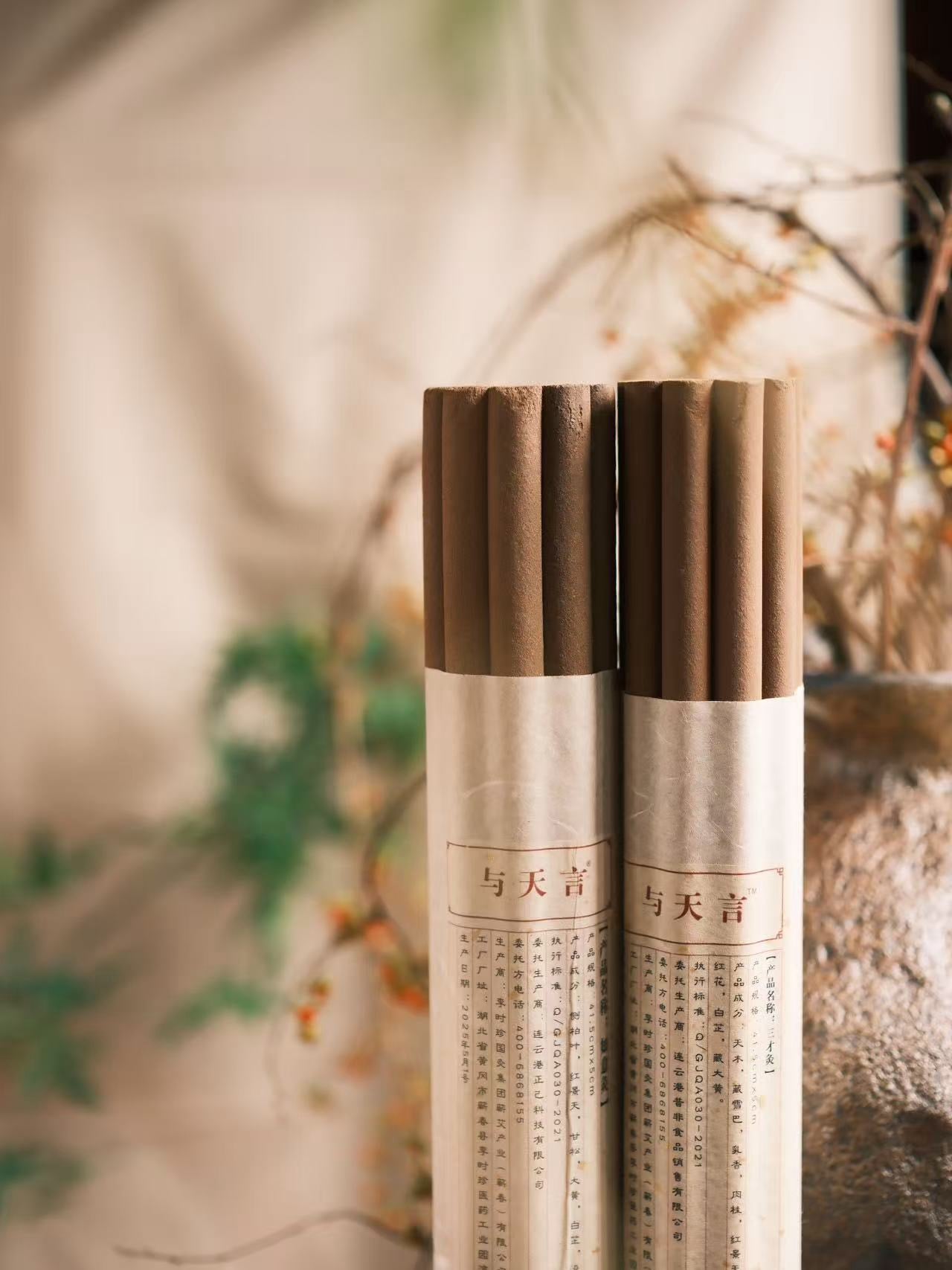
Incense powder is used in various traditional aromatic applications and incense-making processes, with product characteristics depending on the ingredients, particle size, and intended use. Buyers may source wood-based powders, botanical blends, or other aromatic materials according to their formulation requirements. For incense manufacturers and craft businesses, consistency, fragrance characteristics, moisture control, and packaging are important purchasing considerations. Before selecting a supplier, review the ingredient declaration, product specifications, storage recommendations, and available quality documentation. Commercial buyers should also compare sample availability, minimum order quantities, bulk packaging, and shipping arrangements. A clear understanding of the material helps businesses assess suitability for their intended production process and make more informed purchasing decisions.
Get A Quote

Case Study

Raw Materials for Incense Manufacturing

Incense manufacturers may use aromatic powders as ingredients in sticks, cones, coils, and other incense formats, depending on the formulation. Buyers should identify the required material, particle size, binding characteristics, fragrance profile, and moisture specifications before sourcing. For example, a production team developing a wood-based incense blend may need a consistent powder grade that mixes evenly with other ingredients. Request samples and test them within the intended formulation before approving a larger shipment. Confirm whether the supplier provides single-ingredient powders or prepared blends, and ask for documentation supporting the stated composition. Clear specifications help manufacturers evaluate raw materials and maintain more consistent production results.

Loose Incense Powder for Specialty Retailers

Specialty retailers may stock loose incense powder for customers interested in traditional aromatic practices, incense crafting, or selected burner applications. Product selection can include different botanical materials and fragrance profiles, depending on supplier availability. Buyers should check the intended use, ingredient declaration, package size, storage recommendations, and any safety instructions. Smaller retail packs may suit specialty shops, while larger formats may appeal to experienced users and craft businesses. Before placing an order, request samples and confirm labeling requirements for the destination market. Clear product descriptions help retailers explain the differences between incense powder intended for direct burning, incense-making ingredients, and powders designed for other applications.

Bulk Incense Powder for Wholesale Distribution

Wholesale distributors and importers often evaluate incense powder based on material consistency, order flexibility, packaging, and delivery arrangements. When requesting a quotation, specify the type of powder, intended application, estimated quantity, preferred packaging, and destination country. Ask the supplier about particle-size consistency, moisture control, storage conditions, available documentation, and minimum order quantities. For an initial order of 100 kilograms, for example, buyers should confirm the net weight per package, carton or bag specifications, freight costs, and expected lead time. A sample and a clearly documented specification provide useful reference points for evaluating future batches. These steps help buyers compare suppliers and estimate total landed costs more accurately.

Related products

Incense powder is a versatile aromatic material used in traditional incense practices and the production of incense sticks, cones, coils, and other formats. Depending on its composition, it may contain ground aromatic woods, herbs, resins, botanical materials, or prepared ingredient blends. Different applications require different material characteristics, so buyers should confirm whether a powder is intended for incense manufacturing, loose incense burning, incense-trail applications, or another specified use. For production purposes, particle size, uniformity, moisture content, and compatibility with other ingredients can influence processing and finished-product consistency. Retailers and distributors may prioritize fragrance descriptions, package sizes, ingredient transparency, and clear usage instructions. Before placing a bulk order, request samples, written specifications, storage guidance, and available quality documentation. Businesses should also clarify minimum quantities, packaging options, shipping arrangements, and destination-market requirements. YT Natural's current incense powder availability and wholesale capabilities should be confirmed directly with the company before making a purchasing decision.
Frequently Asked Questions

What is incense powder used for?

Incense powder may be used as a raw material for making incense sticks and cones, or as a loose aromatic product for specified traditional applications. Its suitability depends on the ingredients and formulation. Always check the manufacturer's description and instructions before selecting a product.
Ingredients vary by product and may include aromatic woods, herbs, resins, botanical materials, or binding ingredients. Some products contain a single material, while others are prepared blends. Review the ingredient declaration and request additional composition details if the powder will be used in commercial production.
Wholesale availability depends on the supplier and material type. Some suppliers offer larger packages for manufacturers, retailers, and distributors. When requesting a quotation, specify the powder type, intended application, required quantity, packaging preference, and destination so the supplier can assess your needs.
Review material identity, fragrance characteristics, particle-size consistency, moisture specifications, packaging, and available quality documentation. Request a sample and test it for the intended application before placing a larger order. For manufacturing, confirm that the material performs consistently within your formulation.
Contact YT Natural directly to confirm current product availability and wholesale options. Explain whether you need aromatic powder for incense manufacturing or a finished loose-incense product. Request ingredient information, specifications, samples, minimum order quantities, pricing, and shipping terms before ordering.

Related article

How Natural Incense Material Inventory Affects OEM Order Stability

17

Aug

How Natural Incense Material Inventory Affects OEM Order Stability

View More
The Most Common Plant-Based Ingredients Used in Natural Incense.

14

Sep

The Most Common Plant-Based Ingredients Used in Natural Incense.

Resins: The Aromatic Core of Natural Incense Natural incense owes its lasting fragrance and therapeutic depth to plant resins — the sticky, aromatic substances trees secrete to seal wounds and ward off pests. These hardened exudates form the ...
View More
Why Do Consumers Choose Handmade Incense Over Machine-Made Products?

18

Sep

Why Do Consumers Choose Handmade Incense Over Machine-Made Products?

Emotional Resonance and Ritual Significance of Handmade Incense Deepening Mindfulness and Intention Through Ritual Use Unlike mass-produced alternatives, handmade incense serves as a tactile anchor for mindfulness practice. The deliberate act of se...
View More
What Makes Handmade Incense Different from Machine-Made Incense?

28

Sep

What Makes Handmade Incense Different from Machine-Made Incense?

The Core Difference: Craftsmanship vs. Automation in Production The production philosophy dividing handmade incense from machine-made incense fundamentally determines everything from ingredient purity to aroma depth. Where the artisan relies on sen...
View More

Customer Testimonials

Daniel Brooks

Comparing ingredient information, fragrance profiles, and packaging options helps buyers assess incense powder for different production needs. Clear specifications and sample evaluations make supplier comparisons more practical.

Emily Carter

Reviewing product specifications, minimum order quantities, and delivery arrangements helps purchasing teams plan inventory. Confirming material details before ordering is especially useful for repeat wholesale purchases.

Get a Free Quote

Our representative will contact you soon.
Email
Mobile/WhatsApp
Name
Company Name
Message
0/1000
Consistent Specifications for Production

Consistent Specifications for Production

For incense manufacturers, material consistency is an important part of raw-material selection. Buyers should define the required powder type, particle-size range, moisture specifications, fragrance characteristics, and intended formulation before placing an order. These parameters should reflect the actual production process rather than relying on a generic quality description. Requesting samples and comparing them against written specifications can help purchasing teams assess suitability before approving larger quantities. It is also useful to discuss storage conditions and batch identification with the supplier. Clear technical requirements make supplier evaluations more objective and help businesses establish a practical reference for repeat purchases.
Flexible Packaging for Wholesale Buyers

Flexible Packaging for Wholesale Buyers

Incense powder may be purchased in small retail packages or larger bulk quantities, depending on the supplier's available formats. Specialty retailers may need convenient packaging with clear ingredient and usage information, while manufacturers and distributors may prioritize larger bags, protective packaging, and efficient storage. Buyers should confirm net weight, packaging material, sealing methods, storage recommendations, and carton dimensions before approving a quotation. For international orders, packaging should also be suitable for the expected shipping conditions. Discussing these details early helps buyers compare the total cost of supply and select a packaging configuration that suits their operational requirements.
Reliable Sourcing for Long-Term Supply

Reliable Sourcing for Long-Term Supply

Long-term incense powder sourcing depends on clear specifications, reliable communication, and realistic purchasing arrangements. Buyers should ask about raw-material sourcing, batch consistency, quality checks, minimum order quantities, and replenishment lead times. For an initial purchase, a sample and a smaller trial order can help evaluate both the material and the supplier's ability to meet the agreed requirements. Businesses should document product specifications, packaging details, and delivery terms for future reference. Importers should also verify applicable shipping, labeling, and customs requirements. A structured sourcing process helps manufacturers, retailers, and distributors make informed purchasing decisions and plan future orders more effectively.