EN


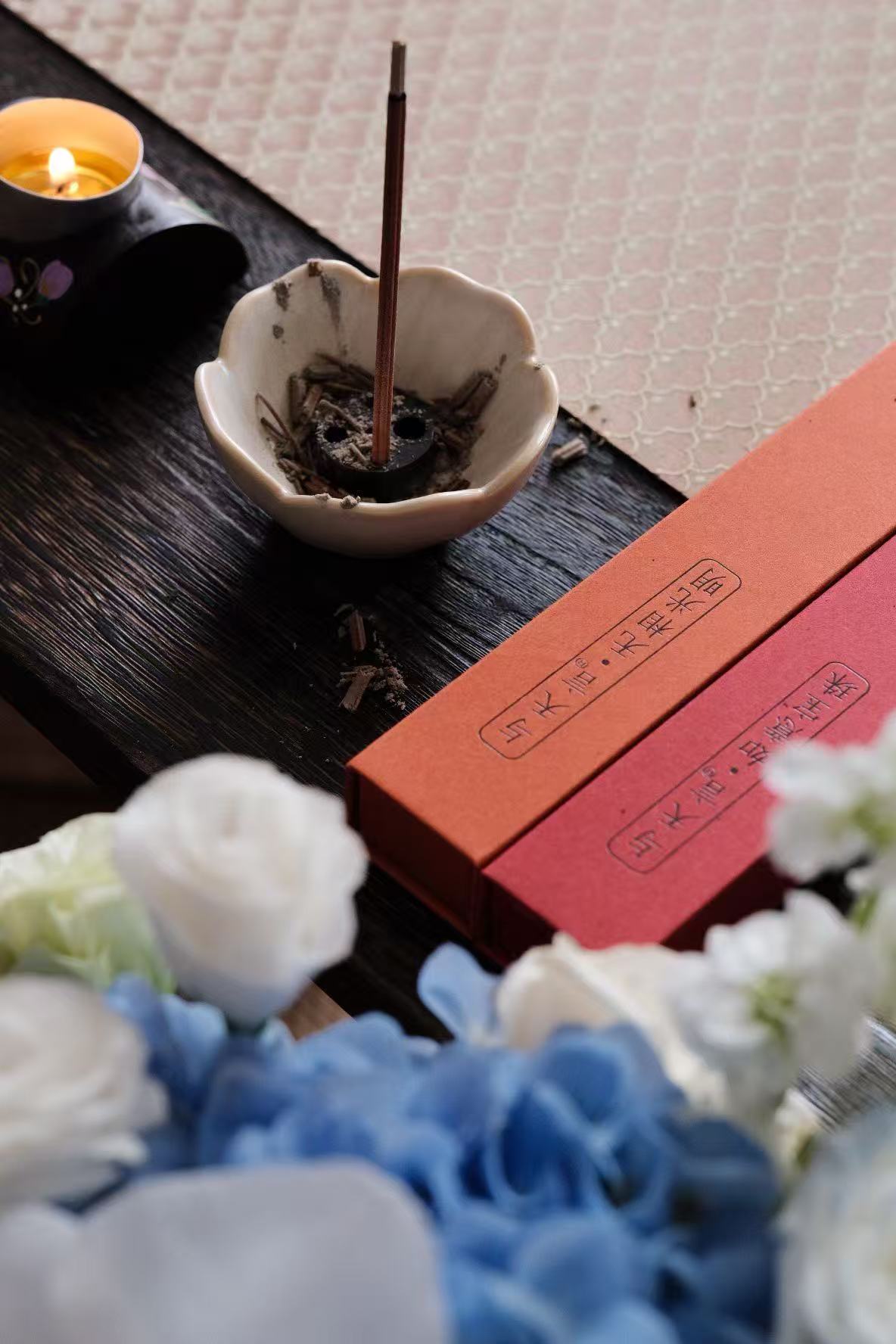
The Science Behind Natural Incense and Neural Calming
Olfactory-Limbic Pathways: How Natural Incense Promotes Present-Moment Awareness
Volatile aromatic molecules from natural incense travel directly to the brain’s emotional core. When inhaled, these compounds bypass higher cognitive processing and bind to receptors in the nasal epithelium—triggering immediate neural signals to the amygdala and hippocampus, regions central to emotion, memory, and stress regulation. This rapid pathway fosters a swift transition from distraction or rumination to grounded, sensory-based awareness.
Specific botanical compounds drive measurable neurophysiological effects. Frankincense contains incensole acetate, which a 2008 Johns Hopkins study demonstrated activates TRPV3 ion channels—inducing calming and mood-stabilizing responses. Sandalwood delivers alpha-santalol, a compound shown in a 2006 European Journal of Pharmacology study to lower sympathetic nervous system activity while enhancing subjective calm. These actions are not dependent on belief or ritual; they reflect direct, molecule-specific interactions with neural pathways—making natural incense a practical, evidence-informed tool for cultivating present-moment attention.
Natural Incense vs Synthetic Alternatives: Safety, Respiratory Impact, and Neurological Efficacy
Not all incense is equal. Natural resin- or herb-based incense offers distinct advantages over synthetic stick incense, which often relies on petroleum-derived fragrances, charcoal bases, and chemical binders. A comparison highlights the practical differences:
| Aspect | Natural Incense | Synthetic Incense |
|---|---|---|
| Safety | Typically free of phthalates, benzenes, and synthetic fixatives; lower risk of sensitization when pure. | May emit volatile organic compounds (VOCs) and ultrafine particles that can irritate airways. |
| Respiratory Impact | Produces less particulate matter when burned in well-ventilated spaces; many resins release beneficial volatile oils. | Charcoal-based sticks generate higher levels of PM2.5, a known respiratory irritant. |
| Neurological Efficacy | Active compounds like incensole acetate and alpha-santalol directly modulate brain ion channels and receptor pathways linked to calm. | Artificial fragrances lack molecule-specific neurological action; they may trigger headaches or allergic responses without therapeutic benefit. |
High-quality natural incense—burned with adequate ventilation—minimizes smoke exposure while delivering targeted, biologically active compounds. This dual advantage in safety and efficacy remains unmatched by synthetic alternatives.
Natural Incense as a Ritual Anchor for Mindful Transition
Behavioral Cueing: Using Natural Incense to Signal the Shift into Meditation
Lighting natural incense creates a consistent sensory cue that signals to the brain it’s time to shift from everyday activity to contemplative practice. With repetition, this ritual becomes a conditioned stimulus—a form of classical conditioning—where the scent alone begins to evoke physiological readiness for relaxation. In behavioral science, such environmental cues are especially powerful because they operate beneath conscious deliberation: the body responds to familiarity with reduced arousal and increased parasympathetic tone. Many practitioners report that even catching a trace of their meditation incense outside formal sessions prompts an automatic, brief return to presence. Over time, this learned association reduces the mental friction of beginning practice—transforming the simple act of igniting a stick and watching the first curl of smoke into a clear, embodied threshold between daily busyness and mindful stillness.
Sensory Anchoring: Sustaining Attention Through Consistent, Non-Intrusive Aroma
A subtle, consistent aroma provides a gentle, limbic-level point of focus that supports sustained attention during meditation. Unlike jarring sounds or visual stimuli, natural incense scent is processed directly by emotion- and memory-linked structures—anchoring awareness without pulling attention outward. When the mind wanders, the familiar fragrance serves as a soft, nonjudgmental cue to return to breath and body. Because high-quality natural incense produces clean, predictable olfactory input, it avoids the irritation or volatility that could disrupt inner stillness. With continued use, the scent itself becomes neurologically associated with calm and centeredness—deepening its anchoring power. This passive, low-effort method aligns with how the brain naturally sustains attention, making it equally accessible to beginners and seasoned meditators.
Choosing the Right Natural Incense for Your Intention
Selecting incense aligned with your meditation goal enhances the neural calming effects described earlier. The right natural incense functions not just as fragrance—but as a precise sensory cue that primes the nervous system for a specific state: focused attention, deep calm, or mental clarity.
Evidence-Informed Profiles: Sandalwood, Frankincense, Lavender, and Agarwood for Focus, Calm, and Clarity
- Sandalwood: Its warm, woody-sweet aroma supports grounding and mental steadiness. Research indicates that santalol—the primary bioactive compound—may reduce sympathetic nervous system activity without sedation, making it ideal for sustained focus during seated practice.
- Frankincense: With its balsamic, slightly citrus-resinous profile, frankincense encourages tranquil introspection. Studies suggest it slows and deepens breathing—supporting autonomic balance and mental clarity during longer sessions.
- Lavender: While widely recognized for relaxation, lavender’s linalool-rich profile has been shown in controlled trials to lower cortisol levels by approximately 20% (2022), effectively easing the transition from stress into receptive calm—before sharpening attention.
- Agarwood (Oud): Complex and deeply resonant, agarwood is traditionally used to quiet mental chatter. Preliminary research points to its phenylpropanoid constituents supporting non-distracted awareness—enhancing both concentration and perceptual clarity.
Each of these botanicals offers a distinct neurosensory signature, allowing intentional alignment between your olfactory environment and meditative objective.
Safe and Sustainable Integration of Natural Incense into Daily Practice
Ventilation, Smoke Management, Ingredient Transparency, and Ethical Sourcing
To integrate natural incense safely into daily practice, prioritize ventilation: open a window or use a fan to disperse particulate matter and maintain clean indoor air—especially in small or enclosed spaces. Pair this with thoughtful smoke management—opt for charcoal-free sticks, loose resins, or powdered herbs that burn cleanly, and always extinguish fully after use. For those sensitive to smoke, electric incense heaters offer a combustion-free alternative that releases aromatic compounds without soot or carbon monoxide.
Ingredient transparency is essential: choose brands that disclose full ingredient lists using unambiguous terms—such as “sandalwood powder,” “frankincense resin,” “bamboo stick,” or “gum arabic”—and avoid products listing vague terms like “fragrance” or “perfume.” Ethical sourcing matters equally: look for suppliers who specify harvest locations, employ sustainable wild-crafting methods (e.g., tapping frankincense trees without girdling), and support fair compensation for harvesters. This level of intentionality safeguards both personal health and ecological resilience—ensuring your practice honors not only your nervous system but also the living systems that make it possible.
FAQ
What is the main neurological benefit of natural incense compared to synthetic alternatives?
Natural incense contains active biological compounds like incensole acetate and alpha-santalol that directly modulate brain pathways linked to calm and focus. Synthetic alternatives lack such molecule-specific effects and often contain irritants.
How does incense affect meditation practice?
Natural incense acts as a sensory cue signaling the transition into meditation. Over time, its aroma becomes associated with relaxation, helping practitioners enter and sustain meditative states more easily.
What types of natural incense are recommended for specific meditation goals?
Sandalwood is ideal for focus, frankincense promotes calm and introspection, lavender eases stress, and agarwood enhances mental clarity.
Is incense safe for indoor use?
Yes, provided you ensure proper ventilation and use high-quality, natural incense free of synthetic additives. Additionally, electric heaters can offer a soot-free alternative for those sensitive to smoke.
Table of Contents
-
The Science Behind Natural Incense and Neural Calming
- Olfactory-Limbic Pathways: How Natural Incense Promotes Present-Moment Awareness
- Natural Incense vs Synthetic Alternatives: Safety, Respiratory Impact, and Neurological Efficacy
- Natural Incense as a Ritual Anchor for Mindful Transition
- Choosing the Right Natural Incense for Your Intention
- Safe and Sustainable Integration of Natural Incense into Daily Practice
- FAQ